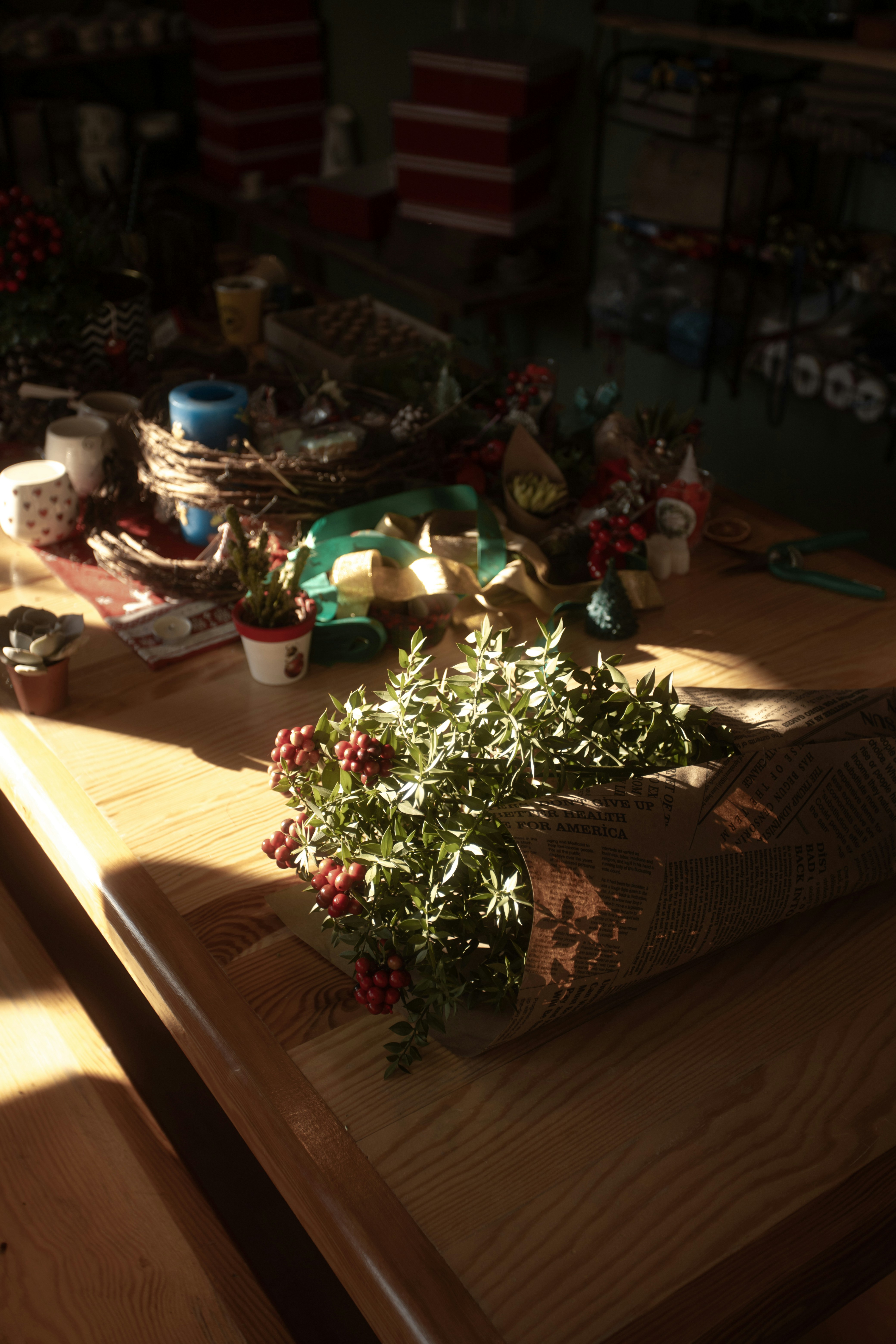
Introduction to DIY Furniture Decoration
In recent years, DIY furniture decoration has seen a remarkable upsurge in popularity, transforming lives and homes across various demographics. This growing trend is not only about refurbishing old pieces, but it also encompasses the innovative approach of personalizing furniture to reflect individual style and taste. The allure of DIY lies in its ability to combine creativity with functionality, providing homeowners an avenue to craft unique decor items that stand out in any setting.
One defining advantage of engaging in DIY furniture decoration is its cost-effectiveness. Many homeowners find that by repurposing existing furniture or using affordable materials, they can achieve stunning results without the hefty price tag associated with purchasing custom or designer pieces. This financial aspect draws in a diverse crowd, especially those on a tight budget or individuals seeking to maximize value while maintaining aesthetic appeal.
Furthermore, DIY decorating fosters a sense of pride and accomplishment as individuals immerse themselves in the creative process. The act of transforming a mundane piece of furniture into a beloved centerpiece can provide immense satisfaction. Each project brings an opportunity to express personal creativity, allowing for experimentation with different styles, techniques, and materials. The joy derived from crafting something with one’s own hands often surpasses the immediate outcome; it cultivates a deeper appreciation for the art of home decor.
This blog post serves as a vital resource for anyone interested in embarking on their own DIY furniture decoration journey. By offering actionable tips, creative tricks, and inspiring ideas, we aim to empower readers to enhance their living spaces in ways that are both fulfilling and individualized. Whether you are a novice or an experienced decorator, the following sections will guide you through the exciting world of DIY furniture customization.
Essential Tools and Materials for DIY Projects
Embarking on DIY furniture decoration projects requires a well-equipped toolkit and an array of essential materials to execute ideas effectively. Firstly, one of the most fundamental tools is sandpaper. Available in various grits, sandpaper is crucial for preparing surfaces, smoothing finishes, and enhancing paint adhesion. A sanding block or electric sander can facilitate efficient sanding during restoration or refinishing tasks.
Next on the list are brushes and rollers, which are indispensable for applying paint, varnish, or stain. Opt for high-quality brushes to ensure a smooth application and even coverage. Additionally, foam rollers can be an excellent alternative for larger surfaces. For more intricate designs, artists’ brushes or detailing tools can help achieve delicate patterns or precise lines.
The choice of paint is vital; consider furniture paint or chalk paint designed for durability and aesthetic appeal. When selecting a finish, both water-based and oil-based options have their merits, but water-based paints generally dry faster and emit fewer fumes. Beyond paint, fabric is integral if your project involves upholstery. A versatile selection of fabrics, including canvas, upholstery, and outdoor materials, enriches your decor theme and functionality.
In terms of materials, wood glue, screws, and brackets are essential for furniture assembly and repair. For more bespoke projects, a woodworking kit, including a saw, hammer, and drill, expands your creative scope. When sourcing these items, many budget-friendly options are available at local hardware stores, craft shops, or online retailers. Many stores also offer DIY workshops that can provide additional insights into material selection and usage.
In summary, being armed with the right tools and materials significantly influences the success of your DIY furniture decoration endeavors. A mix of essentials, budget-friendly options, and knowledge of where to obtain them creates a solid foundation for any DIY enthusiast.
Types of DIY Furniture Decoration Techniques
When embarking on the journey of DIY furniture decoration, understanding various techniques can significantly impact the outcome of your project. Each technique offers unique advantages and helps achieve different aesthetics, making it essential to select the one that aligns with your skills and desired outcome.
One of the most popular methods is painting, which allows for extensive customization. With a palette of colors to choose from, you can entirely transform a piece of furniture, giving it a fresh look. Painting is particularly suitable for wooden surfaces and can be done using various finishes, including matte, gloss, or satin. Proper surface preparation is vital in this technique; sanding and priming the furniture ensures better paint adhesion and durability.
Staining is another favored technique, especially for those wishing to enhance the inherent beauty of wood. By applying stain, you can highlight the wood’s grain while adding color without hiding the natural texture. This technique is particularly effective on untreated or stripped furniture. It’s advisable to test the stain on a small, inconspicuous area to ensure the desired color depth before committing to the entire piece.
Reupholstering provides an opportunity to breathe new life into old furniture, particularly upholstered pieces. This technique involves replacing or refreshing the fabric covering of chairs or sofas. Choosing the right fabric is crucial, as it affects both the aesthetics and longevity of the furniture. Additionally, the reupholstering process may require some sewing skills and tools, making it slightly more advanced than painting or staining.
Lastly, decoupage is a creative technique that involves adhering decorative paper or fabric to furniture surfaces. This method allows for extensive artistic expression and is perfect for personalizing items. While it may involve a more extensive initial setup, including cutting and arranging designs, the result can be visually stunning. Careful application of multiple layers of sealant ensures longevity and protection of your artwork.
Step-by-Step Guides for Popular DIY Projects
Engaging in DIY furniture decoration projects not only enhances the aesthetic of your home but also instills a sense of accomplishment. Here, we present detailed step-by-step guides for three popular projects: updating a wooden chair, creating a custom coffee table, and reimagining a drawer dresser.
To start with updating a wooden chair, gather your materials, which may include sandpaper, paint or stain, and a clear sealant. Begin by thoroughly sanding the surface of the chair to remove any existing finish, which allows the new paint or stain to adhere better. After sanding, clean the chair with a damp cloth to eliminate dust. Next, apply the paint or stain in even strokes, ensuring to cover all corners and crevices. Once dry, finish with a clear sealant to protect your new design. This project not only revitalizes your chair but also personalizes it to suit your style.
For creating a custom coffee table, start by selecting a suitable wooden top and legs. Measure and cut the wood to your desired dimensions. Assemble the legs to the tabletop using wood screws or brackets for stability. If desired, apply paint or stain to match your decor. Finally, seal the table with a protective finish, ensuring it withstands everyday use. This project offers a blend of functionality and personalized style, making it a focal point in your living space.
Reimagining a dresser is another worthwhile project. Start by removing old handles and sanding down the surface. After cleanup, consider adding a fresh coat of paint, wallpaper, or contact paper for a unique look. Replace the old handles with modern or vintage options to give the dresser a stylish upgrade. This combination of paint and hardware can transform a mundane piece into a statement item in your room. These DIY projects illustrate the potential of furniture decoration, making the process both enjoyable and rewarding.
Incorporating Sustainable Practices in DIY Decor
As the awareness of environmental issues grows, incorporating sustainable practices in DIY furniture decoration is becoming increasingly important. By choosing sustainable methods and materials, individuals can significantly reduce their ecological footprint while enhancing the aesthetic appeal of their homes. One major aspect of sustainable DIY decor is the use of reclaimed or upcycled materials. These resources not only help divert waste from landfills but also add unique character to projects. Items such as old wooden pallets, discarded furniture, and reclaimed metal can be transformed into stylish pieces, showcasing creativity and a commitment to sustainability.
Furthermore, making eco-friendly choices during the selection process is essential. Opting for non-toxic paints, stains, and adhesives minimizes harmful chemicals emitted into the environment. Additionally, sourcing materials locally is crucial, as it supports community businesses and reduces carbon emissions associated with transportation. When planning DIY furniture projects, consider utilizing biodegradable and recyclable products whenever possible, ensuring they generate minimal waste over their lifecycle.
The benefits of reducing waste are manifold. By engaging in sustainable DIY decor, not only do individuals contribute to a greener planet, but they also often save money in the process. Repurposing and revitalizing existing items can be a cost-effective alternative to purchasing new products, which can be especially appealing in today’s economy. Moreover, sustainable practices foster a sense of community, as many DIY enthusiasts share their experiences, ideas, and creations online, encouraging a collective movement toward eco-conscious living. Ultimately, embracing sustainable methods in DIY furniture decoration empowers individuals to craft beautiful home environments that reflect personal style while championing environmental stewardship.
Inspiration from Advanced DIY Projects
Advanced DIY furniture decoration projects serve as a testament to the creativity and skill that individuals can embody when transforming ordinary pieces into extraordinary designs. One notable example is the work of a DIY enthusiast who repurposed an old wooden pallet into a chic coffee table. By sanding, staining, and adding a glass top, they crafted a piece that is not only functional but also a striking conversation starter. This project exemplifies how innovative thinking can revive discarded materials, aligning perfectly with sustainable practices.
Another inspiring case is the transformation of a basic dresser into a stunning statement piece. A talented creator sanded down the original finish, applied a bold hue, and replaced the conventional knobs with vintage hardware. This project not only revitalized the furniture but also infused the room with personality and style. Such endeavors emphasize how color and hardware can dramatically change the function and appeal of traditional furniture.
Moreover, the rise of multi-functional furniture has become a prominent trend among advanced DIYers. One innovative project involved constructing a foldable desk, cleverly designed for compact spaces. Utilizing plywood and sturdy hinges, a simple design morphed into a practical workspace that can be concealed when not in use. This ingenuity showcases how advanced DIY projects can adeptly combine style and functionality, meeting the needs of modern living.
In instances where creativity meets necessity, sophisticated DIY endeavors inspire others to think outside the box. Whether it’s through the clever repurposing of materials, bold color choices, or the ingenious design of multi-functional pieces, the possibilities are limitless. As viewers witness the impressive outcomes of dedicated DIYers, they are encouraged to embark on their own unique furniture decoration projects, fueled by imagination and resourcefulness. Leveraging advanced techniques and innovative ideas can lead to remarkable results that enhance both aesthetics and utility in one’s home.
Common Mistakes to Avoid in DIY Furniture Decoration
Engaging in DIY furniture decoration can be an enriching experience, but it can also lead to unexpected challenges if one is not adequately prepared. One of the most significant pitfalls is inadequate planning. Rushing into a project without defining a clear vision or design can result in a mismatched aesthetic, wasted materials, and ultimately, disappointment. Take the time to visualize your final result by sketching designs and considering the intended functionality of each piece. This process will not only guide your decisions but also save resources and effort in the long run.
Another common mistake arises from improper material selection. Many DIY enthusiasts underestimate the importance of choosing the right materials for their projects. For example, using low-quality paint might seem cost-effective, but it can lead to unsatisfactory finishes that require multiple repaints. Always assess the durability and suitability of materials for your specific furniture piece. Investing in high-quality items can enhance both the longevity and aesthetic appeal of your furniture.
Additionally, one should avoid rushing through the DIY process. Patience is key when tackling furniture decoration; taking shortcuts can compromise the quality of your workmanship. Give each step the attention it deserves, from preparation to execution. This attention to detail will ensure smooth application and the best possible finish. It is also advisable to set realistic timelines for your projects, allowing for breaks and evaluations along the way.
In conclusion, avoiding these common mistakes in DIY furniture decoration can greatly improve your experience and outcomes. By planning thoroughly, selecting appropriate materials, and allowing time for each phase of the process, you can achieve stunning results that not only reflect your personal style but also stand the test of time.
Promoting Your DIY Furniture Projects Online
Promoting your DIY furniture projects online can significantly enhance your visibility and inspire others in the community. With various social media platforms available, showcasing your creations has never been easier. Platforms such as Instagram, Pinterest, and Facebook provide excellent spaces for sharing photos and engaging content. Here, you can highlight your project’s unique features and the process involved, turning casual followers into engaged fans.
When documenting your projects, consider creating a narrative that explains your inspiration and the challenges you faced. This narrative approach adds depth to your posts and allows your audience to connect with your journey. Use high-quality images that capture the step-by-step process, from the initial sketch to the final piece. Time-lapse videos or before-and-after shots can also make your project stand out. Tagging your posts with relevant hashtags will make your content discoverable, enabling you to reach a wider audience interested in DIY furniture decoration.
Blogging can serve as another effective tool to promote your projects. Establishing a blog dedicated to your DIY endeavors allows you more space to delve into the details of your work. You can share tutorials, tips, and personal stories that resonate with your readers. Engaging with the DIY community online is equally important; joining groups on platforms like Facebook or forums dedicated to furniture making can provide a support network. Participate in discussions, share insights, and celebrate the projects of others to foster a sense of community.
Lastly, encourage your audience to engage with your content by asking questions and promoting discussions. This interaction not only enriches the experience but can also inspire others to embark on their DIY journeys. By promoting your DIY furniture projects effectively, you can celebrate your efforts while encouraging a culture of creativity and craftsmanship among fellow DIY enthusiasts.
Conclusion and Encouragement to Get Started
As we come to the end of this comprehensive guide on DIY furniture decoration, it is important to remember that every journey begins with a single step. Embracing the art of decorating furniture not only allows for the personalization of your living space but also serves as a creative outlet that can enhance your skills over time. While the thought of embarking on a DIY project might seem daunting initially, starting small is key. Focus on a single piece of furniture, such as a chair or a small table, and gradually build up to larger projects as your confidence and proficiency grow.
Utilizing the tips and tricks outlined throughout this guide, you will find that DIY furniture decoration can be both rewarding and enjoyable. Experimenting with various techniques, materials, and designs will enable you to discover what best suits your style and preferences. Moreover, the beauty of DIY projects lies in their flexibility; the process can be as structured or as free-flowing as you desire. This allows for a unique approach tailored to your individual tastes and creative expression.
We encourage you to take that first step and dive into the world of DIY furniture decoration. Don’t hesitate to share your progress, challenges, and successes in the comments section below. By fostering a sense of community, we can all learn from one another and celebrate the creativity that comes from transforming ordinary pieces into extraordinary works of art. Remember, every expert was once a beginner, and your efforts can inspire others to start their own DIY journey. So gather your supplies, unleash your creativity, and enjoy the process of making your space truly yours!