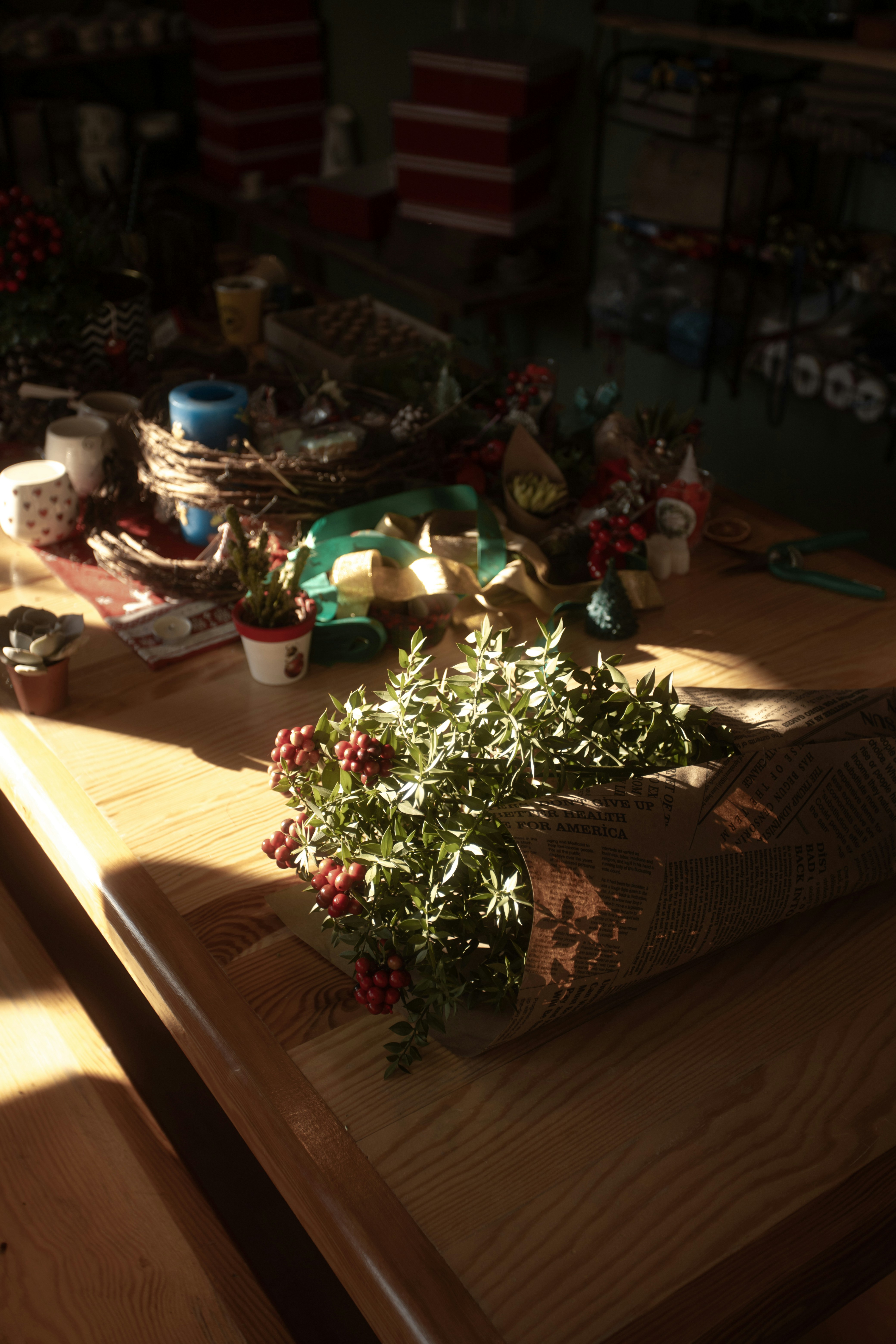
Introduction to DIY Furniture Decoration
DIY furniture decoration has gained immense popularity in recent years, appealing to homeowners and renters alike who seek to personalize their living spaces. The concept revolves around transforming existing furniture into unique pieces that align with individual tastes and preferences. In today’s home decor landscape, where mass-produced items dominate, DIY projects allow for a creative outlet that brings a distinct character to the home.
One of the primary advantages of engaging in DIY furniture decoration is its cost-effectiveness. Creating or upcycling furniture can significantly reduce expenses associated with purchasing new items from retailers. Many DIY enthusiasts find that they can utilize inexpensive materials or even repurpose items they already own, thereby achieving remarkable transformations while remaining well within budget. This affordability makes it an appealing option for those looking to refresh their spaces without financial strain.
Beyond budget considerations, DIY projects encourage creativity and personal expression. Homeowners can explore various techniques, colors, and designs to craft pieces that resonate with their unique style. Whether it’s painting, reupholstering, or adding decorative accents, the possibilities are endless. This hands-on approach not only fosters a sense of accomplishment but also ensures that the final product embodies personal flair, which is often lost in the homogeneous world of store-bought furnishings.
Moreover, sustainability is a critical aspect of the DIY ethos. By reusing and refurbishing existing furniture, individuals contribute to environmentally-friendly practices, reducing waste and the demand for new materials. This commitment to sustainability also aligns with a growing trend among consumers seeking to make eco-conscious choices in their home decor. Therefore, DIY furniture decoration not only benefits the individual but also has positive implications for the environment.
Essential Tools and Materials for DIY Projects
When embarking on DIY furniture decoration, having the right tools and materials can significantly influence the outcome of your project. Essential hand tools such as screwdrivers, hammers, and saws are fundamental for assembling or disassembling furniture. A well-equipped toolbox also includes measuring tape, a level, and clamps, ensuring precise alignment and stability during the crafting process.
Power tools serve to enhance efficiency and accuracy. A cordless drill, for instance, allows for quick assembly and is essential for tasks such as drilling holes and driving screws. Additionally, a circular saw is invaluable for cutting wood to the desired dimensions, while a sander helps achieve a smooth finish. Safety gear such as goggles and gloves should also be part of your toolkit to ensure personal safety during DIY tasks.
Regarding materials, the type of paint or stain you choose can dramatically affect the look and longevity of your furniture pieces. Opt for high-quality, non-toxic paint that provides a durable finish. Brushes and rollers suitable for the type of paint selected—latex, oil-based, or chalk paint—should also be collected to ensure an even application. For upholstered projects, investing in quality fabrics and upholstery materials is crucial. Consider materials that can withstand wear and tear, particularly if the furniture will be used frequently.
It is advisable to evaluate the purpose of the furniture before purchasing materials. For instance, if you are designing a dining chair, choose materials that are easy to clean and maintain. Sarah, a DIY enthusiast, recommends sourcing materials locally or through reputable suppliers, which can make a difference in quality and cost. By investing in the right tools and materials, you lay a strong foundation for a successful DIY furniture decoration project.
Choosing the Right Furniture for Your DIY Project
Embarking on a DIY furniture decoration project can be an exciting venture, especially when selecting the right pieces to transform. The initial step in this creative journey involves evaluating potential furniture options for repurposing or redecorating. Key factors to consider include the current condition of the furniture, its compatibility with your desired style, and your personal preferences.
First and foremost, the condition of the furniture plays a crucial role in determining its suitability for a DIY project. Items that are structurally sound, such as solid wood or metal pieces, often serve as excellent candidates for transformation. Inspect for any signs of damage or wear, such as extensive scratches, loose joints, or water damage. Minor blemishes can typically be remedied through sanding, painting, or upholstery. However, heavily damaged furniture may require more intensive repairs, which could detract from the enjoyment of the project.
Style compatibility is another vital consideration. Identifying pieces that can harmonize with your existing decor will enhance the overall aesthetic of your space. For instance, a vintage trunk can serve as a rustic coffee table, while a modern bookshelf may need a pop of color to align with a contemporary interior. Consider trends like minimalism, bohemian, or industrial themes as you browse for inspiration.
Lastly, personal preference should guide your selection process. Engage with your style and identify pieces that resonate with you, as this will ensure satisfaction with the final outcome. Thrift stores, garage sales, and even your own home can yield excellent finds. Look for unique shapes or designs that can be easily customized according to your vision. By thoughtfully choosing the right furniture and considering these factors, you will lay a solid foundation for a successful DIY project that breathes new life into your space.
Trending DIY Furniture Decoration Ideas
As the do-it-yourself (DIY) trend continues to flourish, many individuals are looking for unique and creative ways to enhance their living spaces through furniture decoration. Various styles have emerged, each offering a distinctive aesthetic and a chance for personalization. This section will explore some of the most popular DIY furniture decoration ideas spanning farmhouse, industrial, bohemian, and minimalist styles.
Starting with the farmhouse style, the use of natural materials and rustic finishes is key. A simple project could involve repurposing old wooden pallets into a coffee table or shelving unit. Painting the wood in soft colors like white or pale blue can add a charming touch. Accentuating the piece with vintage decor, such as mason jars or wrought iron candle holders, can further embody the rustic feel.
The industrial style is characterized by raw materials and utilitarian designs. For a DIY project, consider creating a bookshelf using metal piping and reclaimed wood. This combination not only showcases the industrial aesthetic but is also highly functional. To personalize, opt for distressed finishes or incorporate some bold artwork to balance the rugged design.
Bohemian decoration invites a more free-spirited and eclectic vibe. DIY furniture projects within this style may include reupholstering a chair with vibrant fabrics or using macramé for a decorative touch on tables. Layering textures, patterns, and colors can create character and warmth in any space, allowing for individual expression.
Lastly, the minimalist design emphasizes simplicity and clean lines. A striking project might be transforming an existing table by sanding it down and applying a smooth, natural finish. Keeping decor to a minimum, with perhaps just a single plant or abstract art piece, can enhance the uncluttered appeal. Each DIY furniture decoration project offers opportunities to showcase personal creativity while adhering to current trends.
Step-by-Step Guide: A Simple DIY Furniture Project
Transforming furniture through a DIY project can be a rewarding experience that infuses new life into your space. One popular project is repainting an old wooden chair. This undertaking not only enhances the aesthetics of your chair but also provides an opportunity to develop essential DIY skills. Below is a detailed step-by-step guide to assist you in achieving a professional finish.
**Materials Needed:** You will require the following materials for this project: a wooden chair, sandpaper (medium and fine grit), a clean cloth, a primer suitable for wood, acrylic or chalk paint, a paintbrush or roller, a sealer (optional), and protective gear including gloves and a mask.
**Step 1: Prepare Your Workspace** Begin by choosing an appropriate workspace. Ensure that you have good ventilation and that your area is protected from any paint drips with drop cloths. It is advisable to work outdoors or in a well-ventilated garage for safety and convenience.
**Step 2: Clean and Sand the Chair** Thoroughly clean the chair with a damp cloth to remove dust and grime. Once it is dry, use medium-grit sandpaper to gently sand the entire surface. This step helps the paint adhere better. After sanding, wipe the chair again with a clean cloth to remove any residual dust.
**Step 3: Apply Primer** Applying a primer helps to create a uniform base for your paint. Use a paintbrush to apply a thin coat of primer to all surfaces of the chair, allowing it to dry fully as per the instructions on the primer can.
**Step 4: Paint the Chair** Once the primer is dry, start painting with your chosen color using a brush or roller. Apply the paint in thin, even coats, allowing each coat to dry before adding the next. For best results, two to three coats may be necessary.
**Step 5: Finishing Touches** After the final coat of paint has dried, you may choose to apply a sealer to protect the finish. Follow the manufacturer’s instructions for application for optimal results. Finally, allow the chair to cure fully before use, to ensure durability.
This simple DIY project can significantly enhance the look of an old chair, making it a stunning focal point in your space. Happy decorating!
Tips for Achieving a Professional Finish
Achieving a professional finish on your DIY furniture projects requires attention to detail and the right techniques. Successful preparation is fundamental; ensuring your workspace is organized can greatly influence the outcome. Start by cleaning the furniture thoroughly to remove dust, grease, or old finishes, as these contaminants can hinder paint adhesion. For wooden surfaces, sanding is imperative to create a smooth canvas. Begin with coarse-grit sandpaper to remove any imperfections and follow up with fine-grit sandpaper to refine the surface.
When it comes to painting, the application method can significantly affect the end result. Using a high-quality brush or foam roller will allow for a smoother application compared to cheaper alternatives. A common recommendation is to apply thin, even coats, allowing sufficient drying time between each application—this avoids drips and uneven textures. Spray painting can also be advantageous for larger surfaces; maintaining an even distance from the surface while spraying will prevent pooling and ensure a consistent finish. Adjusting your technique based on the furniture material is also crucial; for example, metal surfaces might benefit from primer application before painting.
After the paint has dried, don’t overlook the importance of finishing touches. Adding a clear sealant can protect painted surfaces from scratches and fading, enhancing durability. In addition, small hardware accents, such as knobs and handles, can elevate the appearance of the furniture. Being mindful of these final details can transform a basic DIY project into a polished piece of furniture. Lastly, being conscious of common DIY mistakes—like rushing the process or using mismatched paint—can save time and enhance the overall quality of your furniture decoration efforts.
Sourcing Eco-Friendly DIY Materials
When embarking on a DIY furniture decoration project, choosing eco-friendly materials is essential not only for environmental sustainability but also for the health of your living space. Sourcing these materials can significantly reduce your carbon footprint while enhancing the aesthetic appeal of your home.
One of the most popular sustainable options for DIY furniture is recycled wood. This type of wood is salvaged from old furniture, construction sites, or defunct buildings, preventing it from ending up in landfills. Utilizing recycled wood not only gives a unique character to your projects but also minimizes the need for new lumber, ultimately preserving forests and reducing environmental degradation. Local reclamation yards or lumberyards that specialize in repurposed materials can be excellent resources for finding high-quality recycled wood.
In addition to wood, selecting natural paints is another key aspect of eco-friendly DIY projects. Conventional paints often contain harmful chemicals that can emit volatile organic compounds (VOCs), negatively impacting indoor air quality. Opting for low-VOC or zero-VOC paints can mitigate these risks. Many brands now offer paint made from natural materials, such as plant-based resins and organic pigments, making it easier to achieve a beautiful finish while remaining health-conscious.
Thrifted upholstery also plays a vital role in sustainable furniture decoration. By seeking out secondhand fabrics, you not only support recycling efforts but also discover unique patterns and textures that can add distinctiveness to your furniture. Local thrift stores, online marketplaces, or community swap shops are fantastic places to hunt for these materials. When sourcing upholstery, check for natural fibers like cotton, linen, or wool, which are biodegradable alternatives to synthetic materials.
Ultimately, sourcing eco-friendly DIY materials involves selecting resources that are sustainable, recycled, or naturally derived. This approach benefits the environment and allows you to create unique, personalized furniture that tells a story. Engaging with local suppliers can also contribute to your community’s economy while promoting eco-conscious living.
Showcasing Your DIY Creations: Tips for Photography and Sharing
Effectively showcasing your DIY furniture creations through photography is essential for sharing on social media platforms. Utilizing the right lighting can significantly enhance the appearance of your projects. Natural light is often ideal for capturing the intricate details of your work. Shoot during the golden hour, shortly after sunrise or before sunset, when the light is soft and warm. This type of lighting can help to reduce harsh shadows and create an inviting atmosphere that highlights the character of your DIY creations.
Furthermore, consider the angles from which you photograph your furniture. Experiment with various perspectives, such as eye-level shots that provide an authentic view, or slightly elevated angles that capture multiple features simultaneously. Including close-up shots can also emphasize specific craftsmanship details, allowing viewers to appreciate the effort put into your projects. Utilizing a mix of wide shots and detailed images can create a comprehensive visual narrative that draws the audience in.
Staging your DIY projects is another vital aspect of effective photography. A clean, uncluttered background ensures that the focus remains on your creation. Incorporating complementary elements, such as styled accessories or natural foliage, can enhance the overall aesthetic of the photograph. When showcasing your furniture on platforms like Instagram or Pinterest, consider creating a cohesive look by using consistent filters or editing styles, which can help reinforce your unique personal brand.
Engaging content is crucial when sharing on social media. Craft compelling captions that tell the story behind each creation, incorporating relevant hashtags that can increase visibility. Encourage interaction by asking questions or inviting followers to share their own DIY experiences. By employing these photography and sharing techniques, you can effectively showcase your DIY furniture creations, inspiring others while celebrating your artistic achievements.
Conclusion and Encouragement to Start Your DIY Journey
As we conclude our exploration of DIY furniture decoration, it is important to reflect on the multiple benefits and joys that accompany engaging in such creative projects. Throughout this guide, we have examined various methods and techniques that empower individuals to transform their living spaces with personalized furnishings. The process of creating or repurposing furniture not only revitalizes your home but also instills a sense of accomplishment and pride in your handiwork.
Engaging in DIY projects fosters self-expression and allows one to infuse personal style into every piece of furniture. By utilizing different materials, colors, and designs, anyone can create unique items that reflect their personality and preferences. Furthermore, taking on these tasks often leads to significant cost savings compared to purchasing ready-made furniture, making this approach not only creative but also economically advantageous.
We encourage you to embark on your own DIY journey, whether you are an experienced crafter or a novice looking to try something new. Take the time to explore your creativity, experiment with various techniques, and enjoy the satisfaction of creating something special. Remember that the outcome is not solely about the end product; rather, it is the process and learning experiences along the way that truly matter.
We invite you to share your projects, ideas, or questions with our community in the comments section or on social media. Your experiences can inspire others to take similar steps towards transforming their spaces. So grab your tools and materials, and start your DIY furniture decoration adventure today!