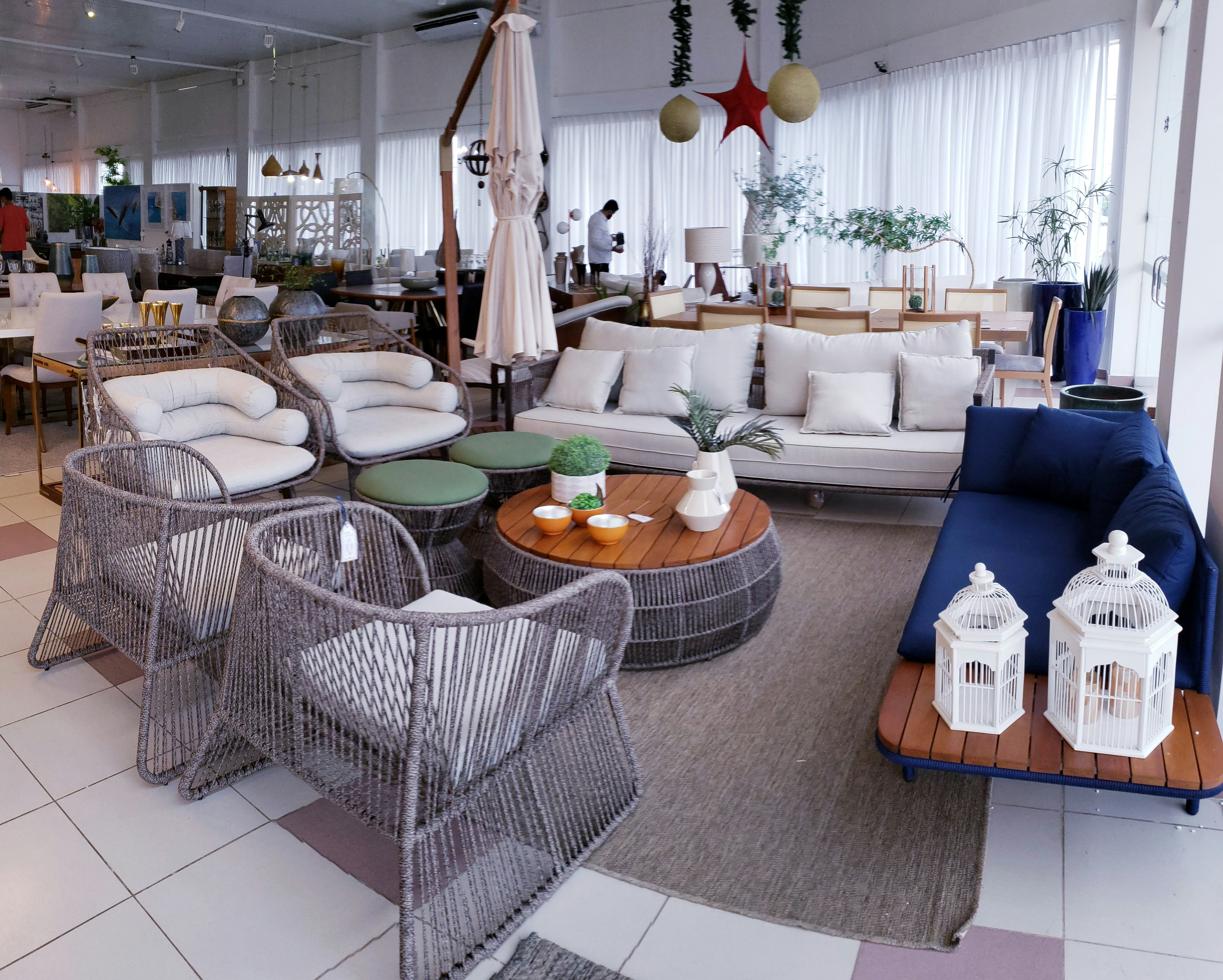
Introduction to DIY Furniture Decoration
DIY furniture decoration has emerged as a popular trend in the realm of home decor, allowing individuals to infuse their personal style into their living spaces. The concept revolves around creatively transforming or enhancing existing furniture pieces through various techniques such as painting, reupholstering, and embellishing. This hands-on approach not only improves the aesthetics of your home but also fosters a sense of pride and accomplishment as you witness your vision come to life.
One significant advantage of DIY furniture decoration is the opportunity for personalization. In a world filled with mass-produced items, DIY projects enable homeowners to create unique pieces that reflect their individual tastes and preferences. Whether you are revamping an old chair or adding a fresh coat of paint to a dresser, each finished project becomes a one-of-a-kind addition to your home. This level of customization is invaluable, as it helps to establish a style that resonates with your personal identity.
The rising popularity of DIY projects can be attributed to various factors, including the desire for sustainability and cost-effectiveness. Many individuals are opting to repurpose and upcycle furniture rather than purchasing new items, contributing to environmentally-friendly practices. This trend not only minimizes waste but also allows for creative problem-solving as one navigates the challenges of transforming furniture.
Moreover, the growing community of DIY enthusiasts exchanging tips and showcasing their projects through social media platforms has made it easier than ever to embark on home decoration endeavors. With countless resources available, even novice decorators can confidently take on projects previously thought to be daunting. As a result, DIY furniture decoration has become not merely a trend but a movement that empowers individuals to take control of their interior design journey.
Essential Tools and Materials for DIY Furniture Projects
Embarking on DIY furniture decoration projects requires a well-equipped toolkit and a selection of quality materials. To facilitate your creative endeavors, we have compiled a comprehensive list of essential tools and materials that play a crucial role in achieving stunning results. First and foremost, a reliable set of paint brushes in various sizes is necessary for applying different finishes, from vibrant paint to glossy varnishes. Quality brushes can be purchased at most home goods stores or online, preferably those that suit the type of paint you intend to use, such as synthetic bristles for water-based paints.
Sandpaper is another indispensable item. It allows for smooth surface preparation, enabling paint or stain to adhere properly. Various grits should be kept on hand, ranging from coarse to fine, to cater to different requirements throughout your projects. Wood glue is essential for assembling furniture or repairing joints; opting for a waterproof variety enhances longevity. Available at hardware stores, this adhesive is a must-have for anyone engaging in woodworking or furniture restoration.
Beyond adhesives, stencils are invaluable for those looking to add decorative elements to their pieces. Available in craft stores, they can be used to create unique patterns or motifs, providing a professional touch to your projects. If your decoration involves fabrics, consider high-quality upholstery fabrics along with a staple gun to secure them — an efficient tool for covering furniture surfaces. Lastly, a precision cutting tool or utility knife is essential for precise cuts in both wood and fabrics. These items can be found at various online retailers and are fundamental in ensuring your DIY projects come to fruition smoothly and with ease. Properly equipping yourself with these tools and materials is integral to your DIY journey.
Choosing the Right Furniture for DIY Decoration
When embarking on a DIY furniture decoration project, the selection of appropriate furniture is crucial. The right pieces not only serve as a functional element within a space but also provide a foundation for your creative expression. One effective approach is to explore second-hand furniture options, which often offer unique styles and are more affordable than brand new items. Thrift stores, garage sales, and online marketplaces are excellent places to find hidden gems that can be transformed with some creativity and effort.
Another important consideration is the type of wood used in the furniture. Different wood types not only vary in appearance but also in their workability and durability. For instance, softer woods like pine are easier to work with when it comes to sanding and painting, making them suitable for beginners. Hardwoods, such as oak and walnut, may be more challenging to manipulate but are generally more durable and can provide a sophisticated finish when achieved. Understanding these differences will assist in deciding which pieces align best with your skill level and design aspirations.
In addition to the material, certain features of furniture can influence the ease of your DIY project. Look for pieces with flat surfaces or simplistic designs; these features often lend themselves to a variety of decoration styles, from minimalist to ornate. Furthermore, consider the structural integrity of the furniture to ensure it can withstand the changes you plan to implement. Stable, well-constructed items will allow for various modifications without compromising safety or usability. By dedicating time to thoughtfully select the right furniture, you set yourself up for a successful DIY decoration experience that reflects your personal style while enhancing the aesthetic of your space.
Creative Techniques for DIY Furniture Decoration
When it comes to DIY furniture decoration, creativity knows no bounds. Utilizing various techniques can transform furniture pieces from ordinary to extraordinary. One popular method is painting, which allows for a customizable appearance. To achieve the best results, begin by selecting an appropriate primer and paint type suited for your furniture material. For wooden surfaces, chalk paint is a favored choice due to its matte finish and excellent adhesion. Always remember to sand the surface lightly before applying the primer, which ensures better paint adherence and a professional look.
Another noteworthy technique is decoupage. This method involves adhering paper elements, such as fabric or decorative paper, to the surface of your furniture. Start by preparing the surface and choosing your desired paper design. Cut the paper to size, and apply a thin layer of decoupage glue. Press the paper on the surface firmly, and finish with a sealant to protect your artwork. This technique allows for an almost limitless range of designs, ensuring your furniture is unique.
For those looking to update upholstered furniture, reupholstering is essential. This process involves removing the existing fabric and replacing it with new material. Select durable fabric that complements your room’s aesthetic, and carefully remove the old upholstery, taking notes of the original configuration. Use a staple gun to attach the new fabric securely, ensuring there are no wrinkles for a polished appearance.
Distressing is a technique that adds character and an aged look to furniture. This method involves applying paint in various layers and sanded down to reveal the underlying finish. Start with a base color, then layer on a contrasting top coat. After drying, strategically sand the edges and flat surfaces to achieve the desired rustic effect.
Lastly, using stencils can add intricate designs to furniture pieces. Choose a high-quality, reusable stencil and adhere it to the surface. Use a sponge or brush to add paint over the stencil, creating detailed patterns. Experiment with colors and designs to find the perfect combination that aligns with your style.
Incorporating Color and Patterns in Furniture Decoration
Color and patterns play a significant role in the overall aesthetics of furniture decoration. Understanding color theory is essential for homeowners looking to enhance their interiors. Color theory outlines how colors interact with one another and the emotional reactions they can elicit. By mastering this theory, individuals can create spaces that reflect their personal style while ensuring visual harmony.
When selecting colors for furniture, it is crucial to consider complementary hues. Complementary colors are those situated opposite each other on the color wheel, and they enhance each other’s vibrancy when paired together. For example, navy blue pairs beautifully with a warm mustard yellow, creating a sophisticated yet inviting atmosphere. Alternatively, soft pastels such as mint green and pale pink can evoke a sense of tranquility, ideal for a serene living room or bedroom.
Integrating patterns into furniture decoration can add depth and character to a space. Patterns should be used thoughtfully, ensuring they complement the color palette without overwhelming it. For instance, a bold floral print can be featured on accent chairs, while neutral tones dominate larger pieces like sofas. Stripes can create a sense of movement and can be effectively used on throw pillows to enhance the design. When layering patterns, it’s advisable to mix different scales—pairing a large-scale pattern with a smaller one, which can create visual interest without clashing.
Currently, trending colors in furniture decoration include earthy tones such as terracotta, which can introduce warmth, alongside shades like deep emerald green that add a touch of luxury. Additionally, patterns inspired by nature, such as botanical prints and geometric designs, have gained popularity for their versatility in various décor styles. By thoughtfully incorporating color and patterns, homeowners can transform their furniture into captivating focal points that elevate their spaces.
Sustainable and Eco-Friendly DIY Furniture Ideas
In recent years, the importance of sustainability has become increasingly evident in various aspects of daily life, including interior design. Embracing eco-friendly practices in DIY furniture decoration not only reduces environmental impact but also encourages creativity and resourcefulness. By focusing on upcycling and repurposing furniture, individuals can transform their living spaces while minimizing waste and conserving resources.
One effective approach to sustainable DIY furniture decoration is to utilize reclaimed or salvaged materials. These materials often possess unique character and history, adding a distinct charm to your projects. For instance, old wooden pallets can be refurbished into coffee tables or garden beds, while vintage doors can be revitalized as headboards or dining tables. In addition to being environmentally friendly, using these materials often reduces costs associated with purchasing new furniture.
Another method of achieving an eco-conscious décor is by incorporating non-toxic finishes and paints. Many conventional paints and varnishes contain harmful chemicals that can release volatile organic compounds (VOCs) into the air. Instead, look for low-VOC or natural alternatives, such as milk paints or water-based finishes. These options not only improve indoor air quality but also lend a more organic feel to the furniture.
Moreover, consider local sourcing of materials whenever possible, as this reduces carbon emissions associated with transportation. Attending local flea markets, thrift stores, or garage sales can provide a plethora of opportunities for finding furniture that can be upcycled or refurbished into new pieces suited to your style.
For those seeking inspiration, simple projects such as converting an old ladder into a bookshelf or updating a worn-out chair with sustainable upholstery can yield impressive results. By championing eco-friendly practices in DIY furniture decoration, you contribute to a better environment and cultivate a home filled with character and sustainability.
Case Studies: Successful DIY Furniture Decoration Projects
DIY furniture decoration projects are not just creative endeavors, but an expression of personal style that can transform living spaces significantly. Below, we present a collection of inspiring case studies that illustrate the diverse approaches taken by individuals and families in their home improvement journeys.
The first case study features a young couple who sought to revamp their living room on a limited budget. Their primary goal was to create a cozy and inviting atmosphere without compromising on aesthetics. They decided to tackle their old wood coffee table, which was in dire need of an update. The couple stripped the existing finish and applied a fresh coat of paint in a vibrant hue, paired with new hardware. Throughout the process, they encountered challenges such as uneven surfaces and drying times, which required patience. However, their effort led to a stunning transformation that served as the focal point of their living room.
Another noteworthy case involves a family that aimed to enhance functionality while maintaining style in their kids’ playroom. Their project included turning an outdated bookcase into a multi-purpose storage unit. The family disassembled the bookcase and reconfigured it using bright, playful colors that matched the room’s decor. Along the way, they faced challenges like securing stability and ensuring safety for the children. Nevertheless, the result was a charming, practical piece that not only organized toys but also contributed positively to the room’s overall aesthetic.
These case studies underscore the potential of DIY furniture decoration projects to create personalized spaces that resonate with the occupants’ tastes and needs. Each project offers insights into the creative processes and the satisfaction derived from overcoming challenges, culminating in beautiful and functional transformations. The visual evidence, displayed through before-and-after photos, showcases the remarkable impact that thoughtful DIY efforts can yield in any space.
Tips for Maintaining Your DIY Furniture Projects
Maintaining DIY furniture is essential for prolonging its lifespan and preserving the aesthetic appeal of your hard work. To begin with, regular cleaning is key. For most DIY projects, a simple mixture of mild soap and warm water is sufficient. Gently wipe the surfaces using a soft cloth to prevent scratching. Avoid abrasive cleaners, as they can damage the finish and original intention behind the design.
Protection against wear and tear involves strategic placement of your furniture. If possible, position pieces away from direct sunlight to prevent fading, and keep them clear of high-traffic areas where they may be bumped or scratched. Furthermore, applying coasters and placemats can protect surfaces from moisture and heat, preserving the integrity of the finished product.
Seasonal care tips are important in maintaining your DIY furniture. For instance, during dry winter months, consider using a humidifier in the room to prevent wood from cracking due to low humidity levels. Conversely, in humid environments, monitoring moisture levels and applying a suitable wood finish can help avoid warping.
Reapplying finishes is another crucial aspect of furniture maintenance. Depending on the finish used, it may need to be reapplied every six months to a year. Always observe the condition of your furniture; if it appears dull or if water beads up on the surface, it’s time to refresh the finish. Remember, the frequency of maintenance can vary based on usage and the environment in which the furniture resides.
Incorporating these maintenance strategies will not only keep your DIY furniture looking fresh and new but will also ensure that your efforts are rewarded with lasting beauty and functionality. By taking care of your projects, you can continue to enjoy them for many years to come.
Conclusion and Encouragement for DIY Enthusiasts
In the journey of transforming your living space, DIY furniture decoration stands out as a rewarding and fulfilling endeavor. Engaging in DIY projects enables individuals to not only elevate their surroundings but also unleash their creativity and personal expression. One of the most significant advantages of opting for DIY furniture decoration is the opportunity to customize pieces that resonate with your style and preferences, ultimately enhancing the aesthetic of your home. Whether it’s painting an old chair, reupholstering a sofa, or creating unique shelving solutions, the possibilities are virtually limitless.
Moreover, DIY furniture decoration is accessible to everyone, regardless of skill level. Beginners might find joy in simple projects that require minimal tools, while more seasoned DIY enthusiasts can delve into complex endeavors. Regardless of where you stand on the skill spectrum, the most crucial aspect is to embrace the process. Each project presents a learning opportunity, and even the mistakes or imperfections along the way can lead to unique and innovative designs. It’s essential to remember that the heart of DIY lies in creativity; there is no right or wrong way to express oneself through furniture decoration.
To take the first step in your DIY furniture journey, consider setting a small, manageable project as your starting point. Gather inspiration from various sources such as home decor blogs, social media platforms, or online DIY communities. Once you’ve completed your project, don’t hesitate to share your experience with others. You can document the steps through blogs, photographs, or social media, thus contributing to the larger DIY community. Connecting with fellow enthusiasts not only inspires but also fosters a sense of belonging as you all celebrate creativity and innovation together. Begin today, and let your imagination guide you towards transforming your space in ways you never thought possible.