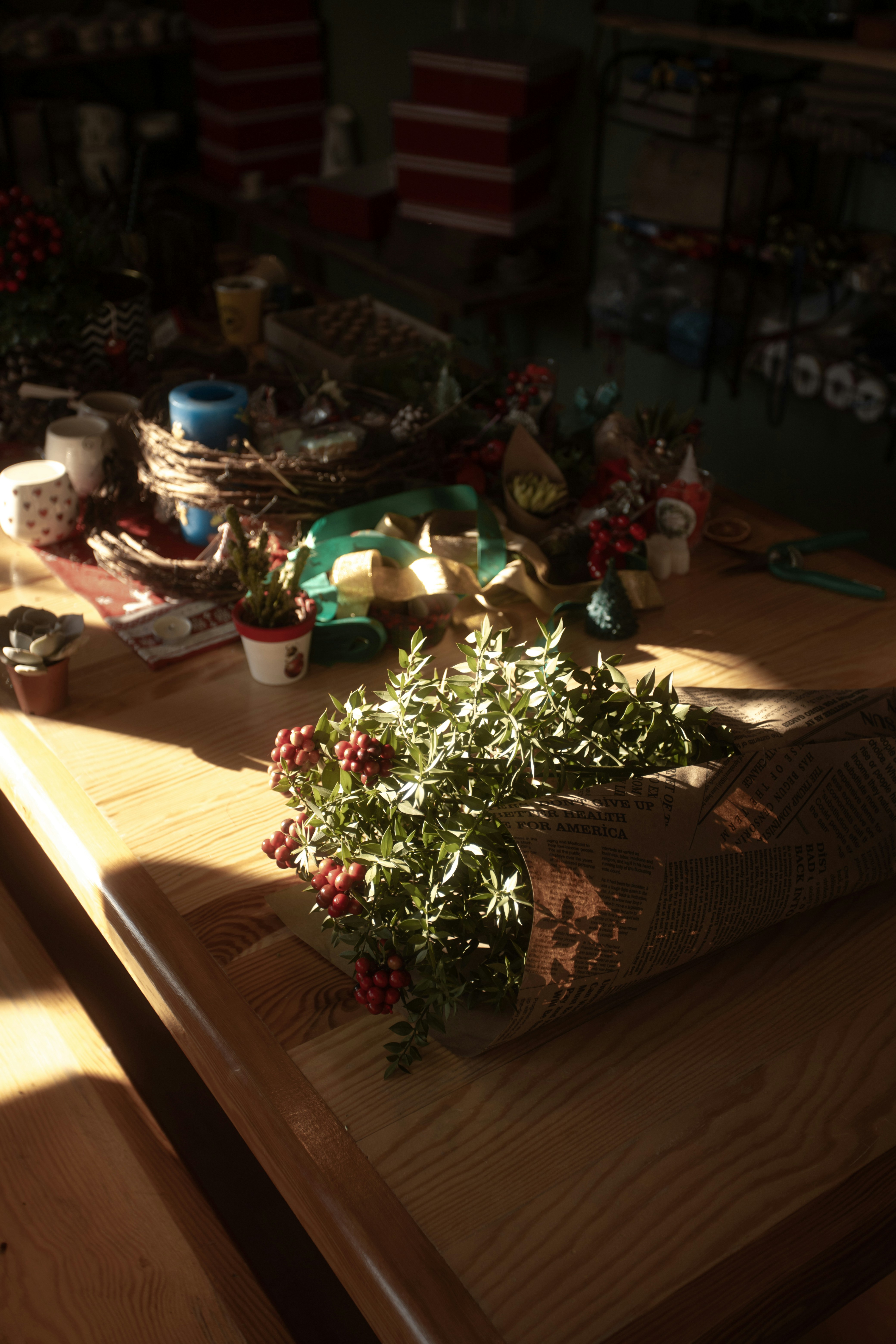
Introduction to DIY Furniture Decoration
In recent years, DIY furniture decoration has become a prominent trend within the realm of home design. This phenomenon occurs as individuals seek to personalize their living spaces, creating environments that truly reflect their taste and style. The growing popularity of DIY projects can be attributed to the increasing desire for unique and customized furniture pieces that cannot be found in traditional retail stores.
One of the primary benefits of engaging in DIY furniture decoration is the opportunity for self-expression. By embracing creativity, individuals can transform ordinary pieces into extraordinary works of art. Whether it involves repainting an old dresser, reupholstering a chair, or constructing furniture from scratch, the possibilities are vast. This hands-on approach allows one to imbue each piece with a personal touch, resulting in a home that feels customized and meaningful.
Additionally, the cost-effectiveness of DIY projects cannot be understated. Many people are turning to DIY as a budget-friendly alternative to purchasing new furniture. Rather than spending significant amounts of money on new items, individuals can repurpose existing furniture or source materials affordably. This practice not only saves money but also promotes sustainable living by reducing waste and encouraging the use of recycled and upcycled materials.
The satisfaction derived from successfully completing a DIY furniture project also plays a significant role in its appeal. The act of creating something with one’s own hands can boost confidence and instill a sense of accomplishment. As more people gravitate towards this innovative approach to home decor, the intersection of creativity, sustainability, and personal expression becomes increasingly evident, making DIY furniture decoration a popular choice in modern design.
Essential Tools and Materials for DIY Furniture Projects
Embarking on a DIY furniture decoration project requires not only creativity but also the right tools and materials to execute your vision effectively. To help you navigate this exciting venture, we have compiled a comprehensive list of essentials you will need.
At the foundation of any DIY project are basic tools, which include a sturdy set of paintbrushes, rollers, and trays for applying paint or finishes. Paintbrushes come in various sizes and materials, such as synthetic or natural bristles, allowing for precision in detail work or larger areas. Sandpaper is another critical item; its various grits enable you to prepare surfaces for painting and achieve a smooth finish on your furniture pieces. A staple in any DIY toolkit is a measuring tape and level to ensure that your decorations are not only beautiful but also correctly aligned.
For those looking to invest in more advanced tools, a power drill is indispensable. This versatile instrument not only helps in assembling furniture quickly but also facilitates the installation of hardware, such as knobs and hinges. Other helpful additions include a jigsaw for intricate cuts and a saw for larger wooden projects. Safety gear should not be overlooked; goggles and gloves are essential to protect yourself during work.
In terms of materials, the choice of paint is paramount. Water-based paints are often favored for their lower toxicity and easy clean-up, while oil-based alternatives provide a more durable finish. Additionally, consider different types of finishes such as stains, varnishes, and sealants that will protect your work and enhance its appearance. Lastly, embellishments like stencils, fabric, and decorative accessories can add a personal touch, elevating your DIY furniture project to a new level of artistry.
Choosing the Right Furniture to Decorate
When embarking on a DIY furniture decoration project, the first crucial step is selecting the right pieces of furniture. The condition of the furniture plays a significant role; items that are structurally sound but may show signs of wear and tear can be perfect candidates for transformation. Look for pieces that require minimal repairs, as this will streamline your project and allow you to focus on the creative aspects of decoration.
The material of the furniture is another vital consideration. Wooden furniture, for instance, offers a great canvas for various finishing techniques, such as painting, staining, or decoupaging. Metal pieces can lend themselves to modern makeovers, while upholstered items provide opportunities to refresh with new fabrics. Understanding the material not only informs you of the methods you can use but also guides your choice in terms of durability and maintenance.
Compatibility with the intended design theme is essential. Consider the existing décor and the overall aesthetic you wish to achieve. For a rustic look, vintage finds like shabby chic tables or weathered chairs can add character and charm. On the other hand, contemporary styles may benefit from sleek, minimalist designs that can be easily customized. When selecting furniture, envision how each piece will interact with others in the space, ensuring a cohesive look.
In addition to vintage options, new furniture pieces can also serve as excellent candidates for DIY projects. Many retailers offer affordable, unfinished items that can be tailored to fit personal tastes. Remember that each furniture selection presents a unique opportunity for creativity, so explore a variety of styles and materials. By thoughtfully choosing the right furniture, you set the stage for a successful and rewarding DIY transformation that breathes new life into your space.
Popular DIY Techniques for Furniture Decoration
Embarking on DIY furniture decoration can transform your living space, offering a personalized touch that reflects your style. Various techniques allow for a creative approach to furniture upcycling, making old items look new and fresh. Here, we explore popular DIY methods to enhance your furniture.
One of the most common techniques is painting. This method allows you to change the color, adding vibrancy or subtlety to your pieces. Chalk paint, for instance, offers a matte finish that can lend a vintage feel to furniture. For a more sophisticated look, consider spray painting metal chairs or tables. With proper preparation and techniques, you can achieve a smooth, even finish that resembles professional results.
Staining is another favored technique, particularly for wooden furniture. It enhances the wood grain and provides a rich hue without obscuring the natural beauty of the material. This method works well for tables, cabinets, and chairs, allowing you to achieve various shades from light oak to deep mahogany. Always remember to choose the right stain for the type of wood and to apply a finish to protect the surface.
Decoupage offers a unique artistic flair, utilizing paper cutouts adhered to furniture with glue. This technique is perfect for creating customized designs on items like dressers and side tables. It allows for endless creativity, as you can choose from patterns, images, or even fabric to enhance the look.
Upholstery transformation can dramatically change the appearance of furniture, particularly upholstered chairs and sofas. Replacing outdated fabrics with bold patterns or textures can instantly modernize a piece, breathing new life into your space. Basic sewing skills may be required, but many tutorials are available to guide beginners through the process.
Lastly, the distressing technique adds character to furniture, giving it a rustic flair. This approach involves sanding or using specialized tools to create a worn look, making new pieces appear vintage. Items like cabinets and shelves often benefit from this technique, as it lends a homey, lived-in appearance.
These popular DIY techniques for furniture decoration enable individuals to achieve customized and professional-looking results. By exploring these methods, you can effectively transform your space and express your individual style through creative furniture updates.
Step-by-Step DIY Furniture Decoration Projects
Embarking on DIY furniture decoration projects can be a rewarding experience, allowing you to personalize your living space while honing your creative skills. Below are two detailed projects tailored for varying levels of expertise: a simple chair painting project and a more complex sofa reupholstering task.
Project 1: Chair Painting For a quick update to an outdated chair, painting is an excellent option. You will need the following materials: a wooden chair, sandpaper, primer, acrylic paint, a paintbrush, and a top coat for protection. Begin by sanding down the chair to create a smooth surface. This ensures the primer adheres well. After sanding, clean the chair to remove any dust particles, then apply a coat of primer to prepare the wood for painting. Once the primer has dried, use a paintbrush to apply your chosen acrylic paint. Depending on the color, you may need two to three coats. Allow the paint to dry completely between applications. Finally, once the last coat is dry, seal your work with a protective top coat for durability. Time estimate: 3 to 5 hours.
Project 2: Sofa Reupholstering For those looking for a challenge, reupholstering a sofa can breathe new life into your furniture. Gather materials such as upholstery fabric, a staple gun, scissors, a screwdriver, foam padding (if needed), and batting. Start by removing the old upholstery with a screwdriver, then take time to repair any underlying damage to the frame. Once the frame is secure, cut foam padding to fit the cushions, ensuring comfort. Next, wrap the batting around the cushions and secure it with the staple gun. Lay your upholstery fabric over the sofa, allowing for excess on the edges, and staple it to the underside of the frame. Lastly, trim any excess fabric to achieve a clean finish. Time estimate: 6 to 8 hours.
These projects highlight the versatility of DIY furniture decoration, offering step-by-step guidance for transforming your space. Regardless of skill level, the gratification derived from personalizing furniture is substantial.
Sourcing Inspiration for DIY Projects
Finding inspiration for DIY furniture decoration is crucial for cultivating creativity and ensuring a successful project outcome. A variety of resources can provide ideas and spark innovation. Social media platforms, particularly Pinterest and Instagram, have emerged as excellent tools for showcasing design trends and DIY projects. On Pinterest, users can create and share boards filled with images that resonate with their aesthetic preferences, allowing for easy organization and referencing of ideas. Instagram, with its visually-driven structure, offers real-time insights into current styles and trends through hashtags, stories, and posts from a diverse range of creators.
In addition to social media, blogs dedicated to home decor and DIY projects can serve as a reliable source of inspiration. Many bloggers share step-by-step tutorials, project ideas, and personal experiences that can guide readers through their own DIY endeavors. These blogs often encompass various styles and themes, allowing readers to tap into different sources of creativity that align with their vision.
Magazines focused on home improvement and interior design also provide a wealth of inspiration for DIY furniture decoration. These publications often feature innovative designs, interviews with artists, and thematic showcases that highlight seasonal trends, making them valuable resources for anyone looking to refresh their space. Moreover, watching home decor shows can give viewers a firsthand look at how to transform spaces, along with tips and techniques that can be applied to personal projects.
To streamline the design process, creating a mood board can be particularly beneficial. By compiling images, color palettes, and materials, individuals can visually express their concepts and ideas, making it easier to conceptualize and execute their DIY projects. This organized approach not only enhances creativity but also clarifies the overall direction of the furniture decoration project.
Safety Tips for DIY Furniture Decoration
Engaging in DIY furniture decoration projects can be a rewarding experience, but safety should always be a top priority. Before starting any project, it is crucial to prepare adequately and ensure that you have the right protective gear. Wearing safety glasses, gloves, and a dust mask is essential to protect yourself from dust, fumes, and potential injuries. These basic safety accessories can significantly reduce the risks associated with cutting, sanding, or painting materials.
Another important aspect of safety is ensuring proper ventilation, particularly when working with paints, stains, or adhesives. These substances often emit fumes that can be harmful when inhaled. Always work in a well-ventilated space, and consider using fans or opening windows to facilitate air circulation. If the project involves using strong solvents, consider wearing a respirator designed to filter out harmful particles and fumes.
Safe handling of tools is equally crucial in the DIY process. Always read the manufacturer’s instructions before using any tool and ensure you understand its proper operation. Begin with basic hand tools before progressing to power tools. It is also critical to keep your workspace organized, which can prevent accidents caused by tripping over tools or materials. Additionally, never rush your project; taking your time can minimize the likelihood of injuries and errors.
Beginners often make common mistakes that can compromise their safety. For instance, neglecting to secure loose clothing or long hair can lead to accidents when operating equipment. It is also easy to overlook the importance of using the right tool for the job, which can lead to collisions or tool malfunctions. Being mindful of these safety measures can greatly enhance your DIY experience, ensuring that it is both enjoyable and accident-free.
Maintaining Your Beautifully Decorated Furniture
Once your DIY furniture decoration projects are completed, maintaining the beauty and integrity of these creations becomes paramount. Proper care not only preserves the aesthetics of your pieces but also extends their lifespan, allowing you to enjoy your handcrafted items for years. Here, we discuss essential practices for cleaning and maintaining your uniquely decorated furniture.
To begin with, regular cleaning is crucial for preserving the finishes on your furniture. Depending on the materials used in your DIY project, utilize a soft, damp cloth to wipe off dust and spills, ensuring that abrasive cleaners or rough materials are avoided to prevent scratches. For painted or varnished surfaces, gentle soap and water can suffice for most cleaning tasks. Always dry the furniture promptly to avoid moisture damage, particularly with wood finishes which can warp under excessive humidity.
Another important aspect is the touch-up of finishes. Over time, decorations may experience wear and tear; hence, having the right supplies for minor repairs is essential. Keep some paint or stain used in the original DIY project handy for quick touch-ups on scuffs or scratches. Consider applying a fresh layer of sealant to maintain the surface’s luster. For fabric parts, such as cushions or upholstered pieces, check the care labels for cleaning instructions and choose appropriate methods to avoid damaging the material.
Lastly, protective measures can significantly aid in retaining your beautifully decorated furniture. Use coasters for drinks, place mats for hot dishes, and avoid direct sunlight, which can fade colors over time. By following these best practices, you can protect and preserve your unique pieces while continuing to enjoy the aesthetic charm of your DIY furniture decorations.
Conclusion and Encouragement to Get Started
As we have explored throughout this blog post, the art of DIY furniture decoration offers a unique opportunity to personalize and transform your living space. Whether you are reimagining a vintage piece, applying a fresh coat of paint, or incorporating new fabrics, DIY projects enable you to infuse your style and creativity into your environment. We have discussed various techniques, tools, and materials that can be utilized to enhance your furniture, ranging from simple renovations to more elaborate designs.
It is essential to remember that embarking on your DIY furniture decoration journey does not require professional expertise. The beauty of DIY lies in the process itself. Every effort you make not only hones your skills but also allows for an exploration of your artistic potential. Embrace the trial and error aspect of this endeavor. Mistakes often lead to unexpected and delightful outcomes, enriching the overall experience. As you navigate through different projects, you will gain confidence in your abilities and discover your unique style.
Begin your adventure at your own pace. Start with smaller projects that inspire you, and gradually venture into more complex tasks as you gain confidence. The satisfaction that accompanies creating something with your own hands far outweighs the pursuit of perfection. Allow yourself to enjoy the journey, and celebrate each success, no matter how minor. Remember, the ultimate goal is to create a space that reflects who you are, showcasing your personal touch and style.
In conclusion, we encourage you to take that first step toward transforming your space through DIY furniture decoration. Let your imagination guide you, and enjoy the creative process. The results will surely bring you a sense of pride and accomplishment, making your home truly your own.