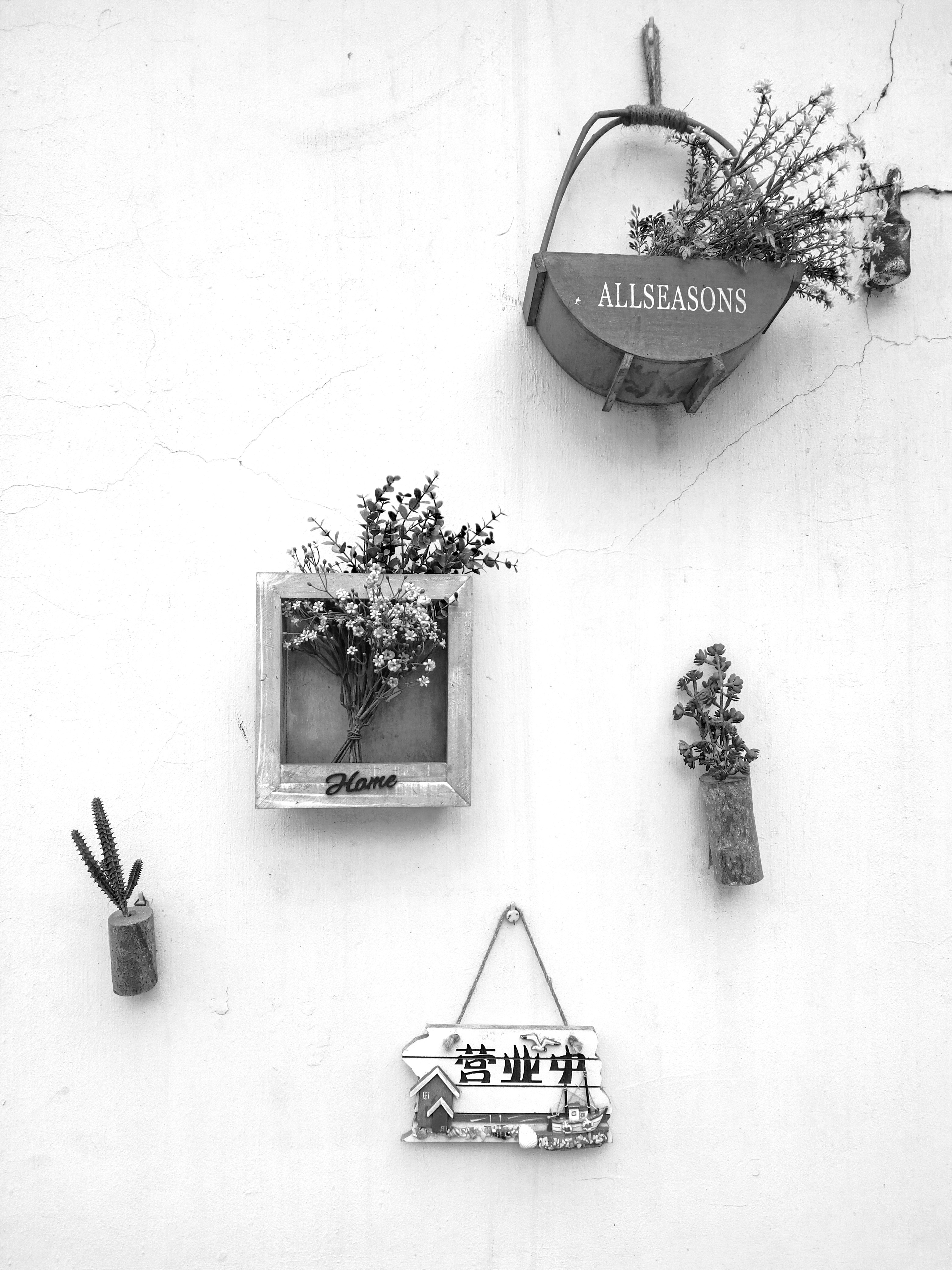
Introduction to DIY Home Décor
In recent years, the concept of DIY home decoration has surged in popularity among homeowners seeking unique, personalized spaces. DIY, which stands for “do it yourself,” allows individuals to take control of their home environments by crafting and creating decorations that reflect their personal tastes and styles. This approach not only provides a creative outlet but also fosters a deep sense of ownership and pride in one’s living space.
One significant advantage of engaging in DIY projects is the potential for substantial cost savings. Homeowners can often transform their spaces without the hefty price tag associated with professionally designed interiors. By utilizing readily available materials or repurposing items that may otherwise be discarded, individuals can achieve stunning results while adhering to a budget. This frugality does not imply a sacrifice of style; on the contrary, many DIY projects can exude a high-end aesthetic that rivals market-bought items.
Another vital aspect of DIY home décor is the opportunity for personalization. In a world increasingly focused on mass production, DIY projects provide a means to create one-of-a-kind items that reflect individual character and preferences. Whether it involves painting a new color scheme or crafting custom furniture pieces, homeowners can tailor their surroundings to fit their unique vision. This personalized touch not only enhances the enjoyment of the home but also delivers an emotional connection to each crafted piece.
Moreover, the satisfaction derived from completing a DIY project can be incredibly fulfilling. The process of transforming raw materials into functional and beautiful decor not only enhances skills but also fosters a sense of achievement. Consequently, the world of DIY home decoration stands out as an exciting and fulfilling avenue for those looking to enhance their living environments while adhering to a budget.
Understanding Your Style: Finding Inspiration
When it comes to transforming a living space, the first step is understanding your personal style. Various home decoration styles can guide your decisions, including minimalist, bohemian, industrial, and farmhouse aesthetics. Each of these styles possesses distinctive characteristics that appeal to different preferences. For instance, the minimalist style emphasizes simplicity and functionality, characterized by clean lines, neutral colors, and a clutter-free environment. On the other hand, bohemian decor offers a more eclectic approach, featuring vibrant colors, patterns, and a mix of cultures that create a warm and inviting atmosphere.
The industrial style often incorporates raw materials such as metal, wood, and brick to create a chic and urban feel, while farmhouse decor brings a cozy, rustic charm with its use of natural materials and vintage elements. By exploring these various styles, you can identify which resonates most with you and how it can influence your DIY home decoration projects.
In the age of social media, finding inspiration has become more accessible than ever. Platforms such as Pinterest and Instagram are treasure troves for home decor ideas. On Pinterest, you can curate boards that reflect your personal style by pinning images that catch your eye. Similarly, Instagram allows you to follow home decor influencers and hashtags that align with your aesthetic preferences. Additionally, home décor magazines provide valuable insights and professional tips that can spark creative ideas for your space.
To conclude, a thorough assessment of your tastes and preferences will help define the style you want to achieve in your home. Take the time to explore different aesthetics, gather inspiration from various sources, and ultimately create a space that reflects your individuality. This process not only aids in personal expression but also ensures that your DIY projects are fulfilling and aligned with your vision.
Budgeting for Your DIY Projects
Setting a realistic budget is a crucial first step in planning any DIY home decoration project. A well-thought-out budget enables you to allocate resources effectively, ensuring that you don’t overspend while achieving your desired results. Begin by defining the scope of your project. Consider the scale of the renovation—whether it’s a simple room refresh or a comprehensive makeover. An accurate evaluation of how much effort and material will be required is essential for estimating costs.
Next, identify the necessary materials and tools you’ll need for your DIY projects. Create a list that includes both major items, such as furniture or large decor pieces, and smaller supplies like paint, brushes, or decorative accents. Research the prices of these materials at local stores or online, and take note of potential alternatives that can save you money without compromising on quality. Consider visiting thrift shops or online marketplaces where you can find budget-friendly items to repurpose or upcycle.
Hidden costs are another important factor to address while budgeting for your DIY home decoration projects. These can range from unexpected repairs, such as fixing underlying issues in a wall, to costs associated with renting tools or hiring professional help in case of emergencies. To avoid any unpleasant surprises, factor in an additional percentage of your budget—typically around 10-15%—to cover these potential expenses.
Finally, establish your financial priorities and allocate funds accordingly. Identify the elements of your project that are most important to you and ensure these areas receive appropriate budget consideration. By adhering to this structured budgeting framework, you will not only gain better control over your spending but also enhance your overall DIY experience, transforming your space within your financial constraints.
Essential Tools and Supplies for DIY Decorating
Embarking on a DIY home decoration project requires a well-chosen assortment of tools and supplies to bring your creative vision to life. The essential toolkit for various DIY painting, crafting, and decorating projects often includes brushes, rollers, painter’s tape, measuring tools, a craft knife, and a sturdy cutting mat. For painting projects, high-quality brushes and rollers can significantly affect the finish of your work, while inexpensive alternatives may result in an unsatisfactory outcome. Investing in the right tools pays off, especially for long-term projects.
When considering supplies such as paints, fabrics, and adhesives, the quality is equally crucial. High-quality materials are more durable and deliver better results, which can elevate the property’s aesthetic appeal. You may want to explore budget-friendly materials that still meet satisfactory quality standards. For instance, consider using non-toxic paints or recycled fabrics, which often come at a lower cost without compromising the safety or quality of your decor.
To find the best deals on essential supplies, visit local hardware stores, home improvement centers, and even thrift shops. Many retailers offer discounts on seasonal items, which can be an ideal opportunity to stock up. Online marketplaces are also invaluable resources, frequently featuring sales or bulk purchase options that cater to DIY enthusiasts. Another creative way to save costs is by repurposing old items from your home. Refurbishing wooden furniture, converting glass jars into stylish storage solutions, or using fabric scraps for crafts not only minimizes waste but can also result in unique, personalized decor that reflects your style.
DIY Wall Art: Creating Impacting Centerpieces
Wall art has the potential to transform a simple room into a vibrant space, allowing you to express your personality and style. Creating your own DIY wall art is not only cost-effective, but also offers an avenue for creativity. Here are several techniques and ideas to help you achieve stunning results on a budget.
One popular method of creating customized wall art involves canvas painting. Begin by selecting a canvas of your preferred size and choose a color palette that complements your room. Basic acrylic paints can be found at affordable prices and can be mixed for a variety of shades. Consider experimenting with abstract patterns, geometric shapes, or even a simple color wash. Tools like sponges, brushes, or even your hands can be employed to create texture and depth, making your canvas unique.
Another exciting idea is to design a gallery wall. This concept allows for flexibility and creativity, as it can include a diverse mix of materials. You can combine framed prints, photographs, and even three-dimensional objects like mirrors or wooden plaques. Start by laying out the arrangements on the floor to determine a balanced look before committing to hanging them. This is an excellent way to showcase personal memories or art pieces made by family members.
Integrating natural elements into your wall art can also create a refreshing aesthetic. Consider using pressed flowers, leaves, or twigs, which can be easily gathered from your garden or local park. These items can be arranged in shadow boxes for a 3D effect or framed as a minimalist design. By utilizing organic materials, you can introduce texture and a connection to nature within your home decor.
Ultimately, DIY wall art is an opportunity to infuse your space with personality while remaining within budget. Embrace these techniques and let your creativity guide you in crafting impactful centerpieces that reflect your unique style.
Furniture Makeovers: Upcycling for Affordability
Upcycling old furniture offers a fantastic opportunity to refresh your home décor while staying within budget. By breathing new life into seasoned pieces, you not only save money but also contribute to sustainability by reducing waste. A myriad of techniques can be employed in this endeavor, making it a creative outlet for anyone looking to enhance their living space.
One popular method for upcycling furniture is painting. This technique allows you to transform the appearance of any piece to match your unique style. Whether you opt for a chic, modern aesthetic or a vintage-inspired look, a fresh coat of paint can radically change how a piece of furniture fits into your home. You can select bold colors to create a statement or soft pastels for a more subdued vibe. Additionally, specialized paint products like chalk paint can add texture and character, further enhancing the final result.
Another effective approach to furniture makeovers is reupholstering. This process involves replacing the fabric on a chair, couch, or ottoman, allowing you to choose patterns and materials that reflect your design preferences. Vintage fabrics can often be found at thrift stores or online marketplaces, providing endless options for personal expression. Moreover, this technique can be surprisingly simple, even for beginners, as numerous tutorials and guides are available online to help you navigate the process.
Distressing is yet another technique that can bring charm and a rustic feel to your furniture. By intentionally weathering the surfaces of a piece, you can achieve a distressed look that conveys both warmth and character. This method often involves sanding, applying stains, or using techniques like dry-brushing to enhance imperfections. The resulting piece often tells a story, making it not just a functional item but also a conversation starter.
Ultimately, searching for inexpensive secondhand furniture pieces opens a world of creative possibilities. By channeling your artistic energy into upcycling, you can create personal, stylish, and affordable décor that reflects your individuality.
Accessorizing on a Budget: Small Changes for Big Impact
When it comes to transforming a living space, accessories play a pivotal role in enhancing aesthetics and creating a welcoming atmosphere. The great news is that accessorizing on a budget is entirely achievable, and even small changes can yield significant results. By incorporating items such as cushions, rugs, and decorative pieces, one can effortlessly refresh a room’s appearance without overspending.
The first step in accessorizing on a budget is to consider the impact of cushions. Changing or adding cushion covers can instantly alter the ambiance of any seating area. Opt for vibrant colors or interesting patterns to create a focal point. Alternatively, opting for solid colors allows for easy coordination with existing decor. Thrift stores and online marketplaces often have a wide array of second-hand cushions that can be both budget-friendly and unique, making them perfect for budget-conscious decorators.
Rugs also serve as transformative accessories that can define spaces and inject warmth into a room. Instead of costly area rugs, consider visiting discount retailers or exploring local thrift shops to find affordable options that complement your existing decor. Additionally, smaller rugs can be layered for a chic look or used to delineate different areas in an open-plan space.
Lastly, decorative items—whether they be wall art, vases, or sculptures—can personalize your home and infuse character into any room. DIY projects are an excellent way to source custom decorative pieces. Creating artwork or upcycling items can add a personal touch while keeping costs low. By browsing local craft shops or online tutorials for inspiration, individuals can discover countless affordable ways to uplift their decor.
Remember, accessorizing doesn’t have to equate to high expenses; thoughtful selections and a bit of creativity can yield extraordinary results that enhance the overall aesthetic of your home.
Seasonal Decorations: Keeping Your Home Fresh Year-Round
Seasonal decorations are an excellent way to breathe new life into your home throughout the year. By incorporating seasonal themes, you can reflect the changing ambiance that each time of year brings, enhancing the atmosphere of your living space. DIY projects demonstrate creativity and allow individuals to personalize their decorations while keeping costs low.
For spring, consider crafting floral wreaths using artificial flowers or even real blooms for a fresher touch. These can be placed on doors or even used as centerpieces. During summer, bright-colored cushions and homemade fabric banners can enliven patios or outdoor areas. Autumn brings a bounty of inspiration through activities such as transforming mason jars into candle holders filled with acorns or using seasonal leaves to create wall art. Finally, winter can be celebrated by making DIY ornaments, which can adorn a tree or be hung in windows, filling the home with a cozy holiday spirit.
While creating these seasonal decorations, it’s vital to consider how to manage the storage and rotation of your décor. Keeping your home tidy and organized will ensure that your seasonal decorations do not clutter your space. Invest in clear storage bins that can be labeled based on the season. This not only facilitates easy access but also ensures that the decorations remain in pristine condition. Rotating your décor seasonally allows your home to feel vibrant and fresh, avoiding monotony throughout the year.
Incorporating these easy DIY projects into your home can be both fulfilling and economically sensible. By embracing the spirit of the seasons with thoughtful decorations and ensuring proper organization, you will create an inviting and dynamic atmosphere all year long.