Introduction to DIY Furniture Decoration
In recent years, the concept of DIY furniture decoration has gained significant popularity among homeowners and design enthusiasts alike. This trend emphasizes the creative potential of individuals to transform ordinary furniture into stunning pieces that reflect their personal style. Engaging in DIY projects not only offers the opportunity to save money but also allows individuals to tailor their living spaces in ways that store-bought items often cannot provide. By taking control of the design process, one can cultivate a unique atmosphere that speaks to their aesthetic preferences.
One of the primary benefits of DIY furniture decoration is its cost-effectiveness. With a few affordable materials and a bit of ingenuity, individuals can rejuvenate old furniture or create entirely new pieces without breaking the bank. This approach encourages resourcefulness and sustainability, as repurposing existing items reduces waste and contributes to a more environmentally conscious lifestyle. Furthermore, the satisfaction derived from successfully completing a DIY project can be immensely rewarding, fostering a sense of accomplishment that accompanies each transformation.
Personalization is another significant advantage of DIY furniture projects. Every individual has a distinct taste, and DIY projects allow for the incorporation of personal touches that truly encapsulate one’s style. From color schemes to finishes and decorative elements, the possibilities are nearly limitless, enabling homeowners to design spaces that resonate with their identity. This creative expression not only enhances the aesthetic appeal of living areas but also cultivates a deeper connection between individuals and their environments.
This blog post will explore a variety of inspiring DIY furniture decoration ideas aimed at elevating your living space. It will include practical tips and examples that cater to different skill levels, ensuring that everyone can engage in the joy of transforming their environment through DIY projects. As you embark on this exciting journey, prepare to unleash your creativity and redefine your space in truly unique ways.
Evaluating Your Budget for DIY Projects
When embarking on DIY furniture decoration projects, a thorough evaluation of your budget is essential to ensure a successful outcome. Understanding your financial limits will guide you in selecting feasible projects that align with your overall goals for transforming your space. Start by determining a realistic budget. This involves assessing your current financial resources and deciding how much you are willing to invest in your DIY endeavors. A clear budget helps prevent overspending and encourages more thoughtful decision-making throughout the project.
Next, consider the cost of materials. Research prices for items such as paint, fabric, wood, and hardware tailored to your specific decoration projects. It’s advisable to create a detailed list of needed supplies, which enables you to compare prices between different stores or online marketplaces. By doing so, you can identify budget-friendly alternatives that maintain quality without compromising your desired aesthetic. Additionally, incorporating recycled or upcycled materials can significantly reduce expenses while adding unique character to your furniture pieces.
Another key aspect of your budget evaluation should include the tools required for your DIY projects. Depending on the complexity of the work, you might need to invest in new tools or, alternatively, utilize items you already own. Renting tools is also an option worth considering for larger or less frequently used equipment, as this can help lower your initial expenditures. Furthermore, don’t overlook additional costs associated with your project, such as protective gear, transportation, or even hiring assistance for particularly challenging tasks.
Ultimately, prioritize your projects based on what is most affordable and has the potential for the greatest impact on your space. This strategic approach allows for a progressive transformation of your environment while maintaining a comfortable relationship with your budget.
Choosing Your Decoration Style
When embarking on a DIY furniture decoration project, selecting a decoration style that harmonizes with your existing decor is paramount. Each style possesses distinctive characteristics that contribute to the overall ambiance of your space. Understanding these styles can help you make informed decisions that reflect your personal preferences and resonate with the desired feel of your environment.
Modern decoration is characterized by its clean lines, minimalism, and functional design. It often features neutral color palettes, such as whites, blacks, and grays, with occasional bold accents. If your space has a contemporary feel, incorporating modern elements into your furniture decoration can enhance this sophistication. Consider using sleek finishes or geometric patterns that align with modern aesthetics, making the furniture a seamless part of the overall decor.
On the other hand, the rustic style emphasizes natural materials and earthy tones. This style is perfect for those looking to create a warm, inviting atmosphere. Wood, stone, and metal elements play key roles in rustic decoration. Adding reclaimed wood accents or distressed finishes to your furniture can evoke a charming, countryside appeal. This approach invites a sense of comfort and nostalgia, often attributed to traditional craftsmanship.
If you gravitate towards a more eclectic vibe, the bohemian style may resonate with you. Bohemian decor celebrates individuality and vibrant expressions through a mix of colors, patterns, and textures. Utilizing a variety of fabric choices, incorporating plants, and integrating global-inspired art can truly bring a boho flair to your furniture pieces. This style allows for unfettered expression, making it an excellent choice for those who wish to curate a unique ambiance.
Lastly, the industrial style marries rawness with elegance, often featuring exposed elements like brick, metal, and wood. It embodies a modern yet gritty charm that suits urban settings. For those looking to channel a more industrial feel in their furniture projects, consider incorporating metallic finishes or using dark wood tones. By exploring these various styles, you can select a decoration approach that enhances your space while reflecting your personality.
Selecting the Right Space for Your Projects
Choosing the right space for your DIY furniture projects is critical to ensuring a successful and enjoyable experience. The first consideration should be the availability of sufficient lighting. Natural light is preferable, as it helps to highlight the details of your project and reduces eye strain. Ideally, a well-lit room or outdoor area would serve best, allowing you to see colors accurately and work with precision.
Ventilation also plays a vital role in your workspace selection. Many DIY furniture projects require the use of paints, stains, or adhesives that may emit fumes harmful to health. Therefore, it’s important to choose a location that provides adequate airflow. If you are working indoors, consider opening windows or using fans. An outdoor area is also an excellent option when the weather permits, allowing for a fresh breeze and reducing indoor pollutants.
Accessibility is another factor to keep in mind when selecting your project space. Ensure that you have enough room to move freely around your work area without obstacles. This helps avoid accidents and enables you to gather tools and materials efficiently. Organizing your workspace can simplify the DIY process, so make sure to designate specific areas for tools, materials, and completed projects. Using storage bins or labeled shelves can assist in keeping everything systematically arranged.
Lastly, consider your comfort and safety in the DIY environment. Invest in a sturdy workbench and an ergonomic chair or stool, and ensure that you have protective gear such as gloves and goggles readily available. Creating a comfortable and safe workspace not only enhances productivity but also fosters a more enjoyable creative process. By thoughtfully selecting your project space, you set the foundations for a successful DIY furniture endeavor.
Essential Tools for DIY Furniture Decoration
Embarking on a DIY furniture decoration project requires the right tools and materials to ensure a smooth and successful outcome. Whether you are transforming an old table or giving a fresh look to a chair, having essential tools at your disposal is crucial. The first on the list is a high-quality paintbrush or foam brush, as it allows for smooth application of paint or finishes. Different sizes and shapes enable detailed work as well as broader strokes, ensuring versatility for various furniture pieces.
Another vital tool is sandpaper, which aids in surface preparation. It’s important to select sandpaper with different grits; a coarse grit is ideal for removing old finishes, while a finer grit will smooth out surfaces before painting. Additionally, a sanding block can help maintain even pressure, yielding a more uniform finish.
Different types of adhesives are essential for various projects. Wood glue is a reliable choice for structural repairs, while craft glue or a hot glue gun can be used for decorative elements. For those looking to attach fabric, consider using a fabric adhesive to ensure durability and a professional finish.
Safety gear cannot be overlooked in DIY projects. Safety goggles and a mask protect your eyes and lungs from dust particles and fumes, particularly when sanding or applying finishes. It’s advisable to invest in comfortable gloves as well, particularly when working with harsh chemicals or handling rough materials.
Many of these tools can be found at local hardware stores or online retailers. Consider exploring second-hand shops or community marketplaces for affordable options that do not compromise on quality. Ultimately, investing in these essential tools will enhance your DIY furniture decoration experience, allowing you to achieve professional-looking results with ease.
Creative Furniture Decoration Ideas
Transforming your furniture can be both a rewarding and creative endeavor, allowing you to breathe new life into older pieces or simply to make your home feel more personalized. One of the simplest ways to achieve a dramatic change is by upcycling old furniture using a fresh coat of paint. Select a paint that suits your decor style—whether it is a bold color to make a statement or a soft hue for a more serene ambiance. Start by cleaning the furniture, then sanding surfaces if necessary to ensure good paint adhesion. Apply a primer for a smooth finish, followed by the paint, and finish with a protective sealant to enhance durability.
In addition to painting, stenciling offers a creative avenue for furniture decoration. You can create intricate designs that give your pieces a unique character. Choose stencils that echo your home’s décor, and use spray paint or brushes to apply the patterns. For the best results, it is advisable to practice on a cardboard sheet first before applying them to your furniture. This process not only enhances the visual interest of your furniture but also allows for versatility in design.
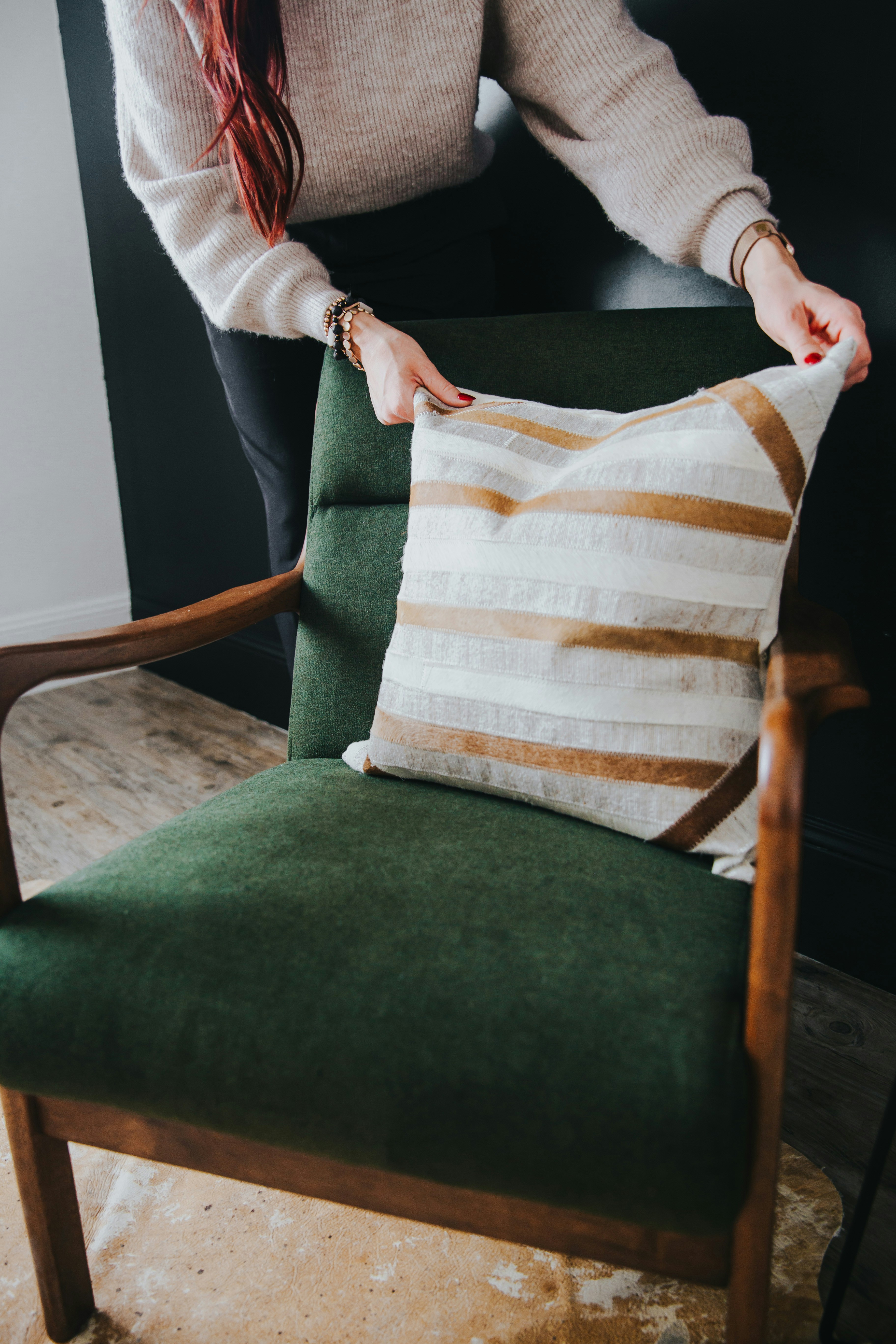
Another exciting method to consider is adding texture through fabric. Reupholstering chairs or sofas with colorful textiles can drastically change their appearance. Be sure to select durable fabrics that align with your furniture’s use. The process typically involves removing the old fabric, cutting the new fabric to size, and securing it in place with a staple gun. For a more subtle approach, you can simply use throw pillows or slipcovers to introduce color and texture to your space without the commitment of extensive renovation.
These creative DIY furniture decoration ideas can bring fresh energy into your living space, transforming the ordinary into the extraordinary. With straightforward techniques and a bit of imagination, you can curate an environment that truly reflects your personal style.
Understanding Cost-Effective Materials
When embarking on DIY furniture decoration projects, the choice of materials can significantly impact both the final aesthetic and budget. Opting for cost-effective materials not only enables creativity but also fosters sustainability through the reduction of waste. One of the best ways to source affordable materials is by exploring secondhand furniture. Thrift stores, garage sales, and online marketplaces such as Craigslist or Facebook Marketplace can yield unique items that can be transformed with a bit of ingenuity.
Reclaimed wood is another excellent option worth considering. Salvaged timber from old barns, fences, or pallets can lend a rustic charm to your projects while being budget-friendly. Additionally, reclaimed wood is often of higher quality than mass-produced alternatives, ensuring durability in your designs. Many local hardware stores or lumber yards offer reclaimed wood options, sometimes at a fraction of the price of new materials.
Low-cost art supplies are also crucial for anyone looking to personalize their DIY pieces. Acrylic paint, fabric scraps, and craft paper can be found at budget stores or online retailers. These supplies provide a versatile means to enhance the visual appeal of your furniture without incurring significant costs. Moreover, repurposing materials already on hand—such as using old fabric for upholstery or transforming glass jars into decorative accents—can further reduce expenses.
Finding budget-friendly sources frequently requires a bit of creativity and diligence. Local community groups often share tips or even organize exchanges for materials. Websites dedicated to DIY projects frequently provide insights into sourcing materials creatively and economically. Through careful research, you can discover a wealth of options that allow you to undertake impressive DIY furniture decoration projects without breaking the bank.
Showcasing Your DIY Creations
After investing time and effort into decorating your furniture through various DIY projects, it is essential to showcase your completed creations effectively. Highlighting these projects not only brings out the beauty of your work but also allows you to share your creative journey with others. There are several methods to display your DIY furniture, whether it be through social media, home displays, or informal gatherings.
Social media platforms such as Instagram, Pinterest, and Facebook offer excellent avenues for sharing your finished furniture design. By posting high-quality photographs, you can capture the essence of your DIY projects and reach a wider audience. Try to photograph your furniture in well-lit environments to enhance the visual appeal. Use natural lighting when possible and consider various angles to highlight intricate details of your work. Engaging captions that describe your creative process or the inspiration behind each piece can elevate the viewer’s interest, making your posts more relatable and informative.
In addition to online sharing, displaying your DIY creations in your home can enhance your living space while showcasing your talents. Consider dedicated corners or shelves in your rooms where your furniture can stand out as a centerpiece. Arranging your DIY pieces in a cohesive manner with complementary decor will not only enhance the aesthetic of your home but also inspire your guests. You can invite friends over for informal gatherings to display your furniture, allowing them to appreciate your craftsmanship firsthand and share their thoughts on your projects.
Overall, elevating the visibility of your DIY furniture creations plays a crucial role in not only enhancing their appreciation but also inspiring others to embark on their own decoration journeys. By effectively showcasing your work through various platforms, you connect with a community that values creativity and innovation.
Conclusion: Embrace Your DIY Journey
In the realm of furniture decoration, the do-it-yourself (DIY) approach offers more than just an opportunity for creativity; it provides a path to personal fulfillment and expression. As you navigate through your DIY journey, remember that each project is not merely about the end product, but rather the process of transforming your space and making it uniquely yours. The satisfaction derived from seeing an old piece of furniture revitalized through your own efforts is unparalleled.
As you continue to explore various DIY furniture decoration ideas, don’t hesitate to embrace experimentation. The beauty of this venture lies in the variety of techniques and designs available, ranging from upcycling and painting to textile applications. Each attempt offers a learning experience, allowing you to refine your skills and discover your style. By viewing obstacles as stepping stones rather than setbacks, you can cultivate a more enriching DIY experience that highlights both your personal style and resourcefulness.
Furthermore, consider engaging with a community of fellow DIY enthusiasts. Sharing your projects, successes, and even your challenges can foster connections and inspire others. Social media platforms and online forums provide valuable resources where individuals can exchange ideas and support one another in their DIY endeavors. By participating in such communities, you not only enhance your knowledge but also contribute to a collective celebration of creativity and innovation.
In conclusion, the DIY journey in furniture decoration is a rewarding venture. Embrace it with open arms and allow your creativity to flourish. Share your accomplishments and tips with others, contributing to the broader community of DIY enthusiasts. Every piece you transform adds not only value to your space but also to the ongoing conversation of inspired design. Remember, the joy of DIY lies in the journey itself, and the possibilities are endless.