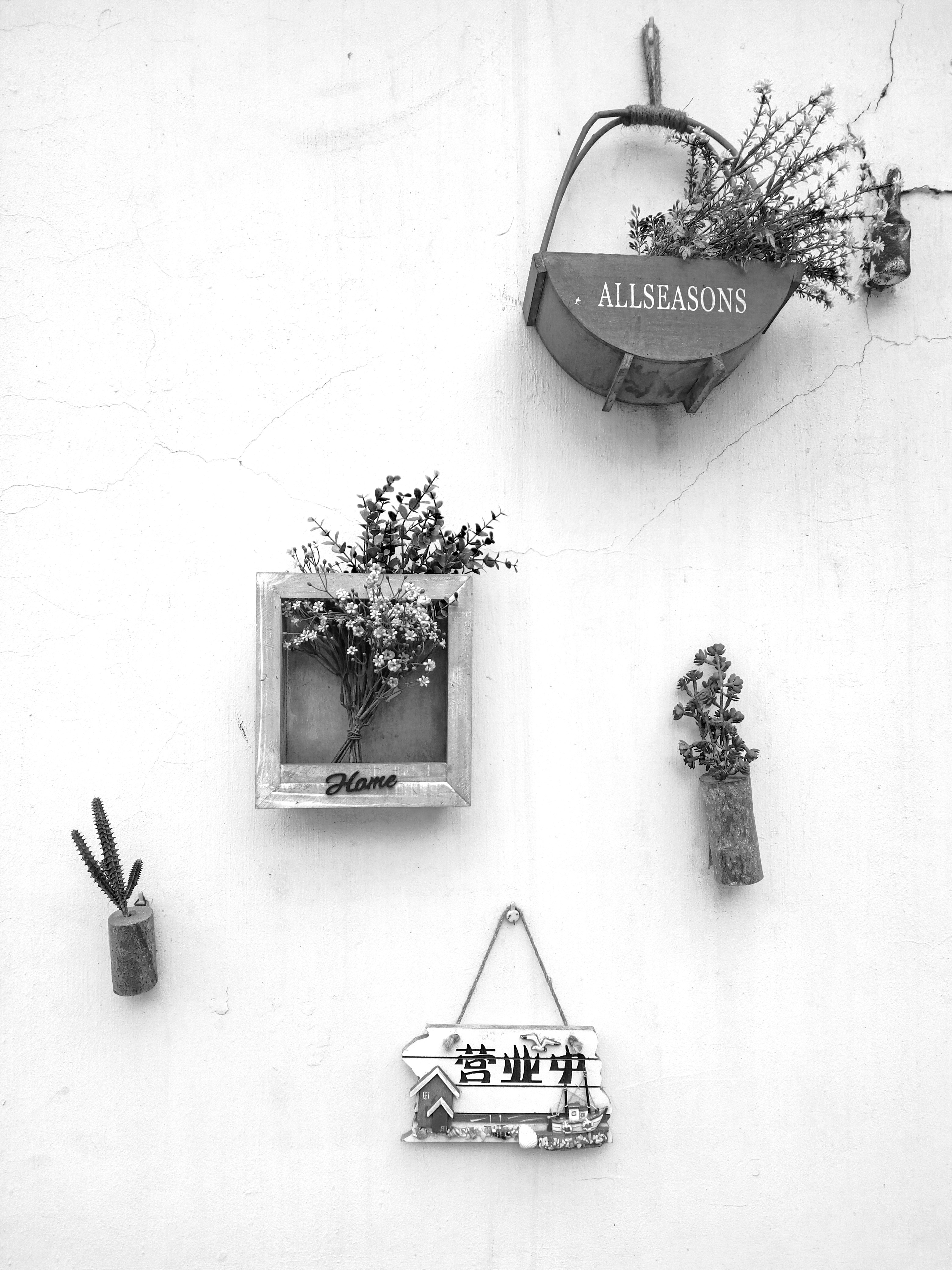
Introduction to DIY House Decoration
In the realm of home improvement, DIY (Do-It-Yourself) house decoration has emerged as a powerful and appealing option for homeowners. This style of decoration encourages individuals to take initiative in enhancing their living spaces, making it a popular choice among various demographics. The trend recognizes that homeowners often seek more than just functional spaces; they yearn for environments that reflect their personal tastes and lifestyles.
One of the most compelling benefits of DIY house decoration lies in its capacity for personal expression. Homeowners can infuse their unique style into their homes, opting for colors, patterns, and items that resonate with their individuality. Whether it involves repurposing old furniture, creating handmade decorations, or simply painting walls in a favorite hue, DIY projects allow for creative freedom that ready-made decor simply cannot offer. This approach fosters a sense of ownership, making each project a personal endeavor rather than just a task carried out for aesthetic purposes.
Additionally, DIY house decoration provides an economic advantage. As homeowners look to create beautiful and functionally relevant spaces, the cost can often become a significant concern. By conducting DIY projects, individuals can significantly reduce expenditures associated with hiring professional decorators and artisans. There is a vast array of resources available today, from online tutorials to community workshops, that cater to various skill levels and budgets. This accessibility encourages more people to explore DIY decoration, allowing them to transform their interiors without straining their finances.
Embracing DIY house decoration not only fosters creativity and self-expression but also promotes an engaging and fulfilling way to improve one’s living environment. Armed with tools and ideas, homeowners are empowered to undertake their own projects, crafting spaces that are not only aesthetically pleasing but also meaningful to them. As you journey into the world of DIY, you may find it both enjoyable and rewarding to cultivate a home that expresses who you are, all while respecting your budget.
Understanding Your Decorative Style
Identifying your personal decorative style is an essential step in creating a harmonious living environment that reflects your personality. Home décor styles vary widely, with each offering unique elements that contribute to overall ambiance. Recognizing these styles can aid you in selecting colors, patterns, and themes that resonate with your own tastes.
Among the most popular styles is the modern aesthetic, characterized by simplicity and clean lines. This style often utilizes a neutral color palette combined with bold accents to create visual interest. If you find yourself gravitating towards minimal clutter and functional decor, modern design may suit you best. Alternatively, the rustic style embraces warmth and nature. With an emphasis on raw materials, such as wood and stone, rustic décor often incorporates a cozy and inviting atmosphere, ideal for those who prefer traditional elements.
The bohemian style, on the other hand, allows for a free-spirited approach to decoration. This eclectic style mixes various colors, patterns, and textures, celebrating individuality and creativity. If you have an adventurous side and enjoy expressing yourself through different influences, a bohemian décor may speak to you. Lastly, the minimalist style promotes the idea of “less is more,” focusing on functionality and simplicity. It utilizes a restrained color scheme, emphasizing open spaces and essential furnishings that create a sense of serenity.
To determine which decorative style aligns with your preferences, consider the emotions and atmosphere each style evokes. Analyze your favorite colors and patterns, as well as the overall feel you would like to achieve in your space. By reflecting on these factors, you can make informed decisions that truly transform your home into a sanctuary of your own design.
Budgeting for Your DIY Projects
Establishing a budget is a crucial step in the DIY home decoration process. A well-defined budget not only helps to manage your finances but also sets the tone for your project, ensuring that you remain focused and pragmatic throughout. To begin, assess your overall financial situation and decide how much you are willing and able to allocate for your home decoration endeavors. This initial assessment will lay the groundwork for more detailed planning.
Next, consider itemizing your anticipated expenses. This includes materials, tools, and any additional resources you may need. For example, if you plan to repaint a room, factor in the cost of paint, brushes, and other supplies. While it can be tempting to skimp on these essentials in a bid to save money, opting for high-quality materials can often yield better results and reduce the likelihood of needing repairs in the future.
Another important aspect of budgeting is to explore cost-effective solutions. Shopping at discount stores, using coupons, or browsing online marketplaces can yield great materials and decor items at reduced prices. Additionally, consider repurposing or upcycling existing furniture instead of purchasing new items. Not only can this save you money, but it can also add a unique, personal touch to your space.
Finally, always leave room for unexpected expenses in your budget. It is common for DIY projects to incur costs that were not initially anticipated. Allocating about 10-15% of your budget for unforeseen expenses ensures that you remain on track even if you encounter surprises along the way. By meticulously planning your budget, you can create a beautiful and functional home while adhering to your financial constraints.
Choosing the Right Space to Decorate
When embarking on a home decoration project, the first critical step is to determine which space in your home you wish to enhance. The selection process is influenced by various factors, including the function of the space, its size, and the overall aesthetic you aim to achieve. Each area of a home serves a unique purpose, which can significantly guide your decorating choices.
Identifying the function of individual rooms is fundamental. For example, a living room often serves as a gathering area for family and friends, necessitating a design that fosters comfort and conversation. On the other hand, a bedroom’s primary focus is relaxation and tranquility, making it essential to choose décor that facilitates a serene environment. Understanding the purpose of each room will help tailor your decoration plans to maximize both usability and aesthetic appeal.
Room size is another crucial consideration. Smaller spaces may benefit from lighter colors, multifunctional furniture, and minimalistic décor to create an illusion of spaciousness. In contrast, larger areas can accommodate bolder colors, larger artwork, and even more substantial furniture pieces without appearing cluttered. Maximizing the impact of your decoration while respecting the scale of each room ensures a cohesive look throughout your home.
Lastly, think about how different areas connect with one another. An open-concept layout, for instance, calls for a cohesive theme that flows seamlessly from one area to the next. This can be achieved through consistent color schemes, flooring choices, and design motifs. Advertising uniformity across these spaces enhances the overall aesthetic and makes the entire home feel harmonious.
Ultimately, selecting the right space to decorate is the key to transforming your home effectively. By considering the function, size, and interconnectedness of each area, you can make informed decisions that will elevate the usability and beauty of your entire living environment.
Scenes and Themes: Creating Cohesive Spaces
Creating cohesive themes throughout your home is essential in achieving an inviting and harmonious environment. The process begins with the identification of a central aesthetic or theme that resonates with you. This may include deciding on a color palette, style, or specific decor elements that you wish to incorporate into each room. By selecting a consistent theme, you can ensure that decorations not only harmonize with each other but also flow seamlessly from one space to the next.
One effective method to create cohesion is through the strategic use of color. Choose a primary color and a couple of complementary shades that can be woven throughout your decor. This may involve painting walls, choosing fabrics, or selecting accent pieces. When these colors appear across various rooms—such as in upholstery, artwork, and decorative items—you unify your spaces visually. Additionally, consider utilizing similar materials or textures in each area. For instance, if you opt for rustic wooden furniture in the living room, consider echoing that theme with wooden accents in the dining area and kitchen.
Another important element in achieving a cohesive look is the balance of styles. It is not uncommon to face the challenge of blending different furniture or decor items that originate from various design styles. The solution lies in finding a common thread that aligns these pieces. For example, if your living room features modern furnishings, incorporate contemporary art and minimalistic decorations in adjoining areas. Using consistent lighting fixtures or decorative accents can also tie diverse elements together, reinforcing a sense of unity.
Ultimately, the key to creating cohesive scenes and themes within your home lies in thoughtful planning and a mindful selection of decor that harmonizes rather than competes for attention. By establishing a strong framework based on color, material, and style, you can transform your space into a beautifully coordinated sanctuary that reflects your unique taste.
Essential Tools for Your DIY Projects
Embarking on a DIY home decoration project can be a rewarding endeavor, but having the right tools and materials at your disposal is crucial for a successful outcome. A well-equipped toolkit serves as the foundation for any DIY enthusiast, regardless of budget or experience level.
At the core of a basic toolkit, there are several essential items that every DIY decorator should possess. A good hammer and a set of screwdrivers, including both flathead and Phillips, are fundamental tools that allow for efficient assembly and disassembly of furniture or fixtures. Additionally, a tape measure ensures that all dimensions are precise, preventing costly errors in your project.
Painting can significantly transform a space, making high-quality painting supplies vital for any DIY project. A sturdy paintbrush set and a roller with an extension pole can help you reach high ceilings without straining. Don’t forget painter’s tape; it allows you to create clean lines for a professional finish when painting walls or furniture. Primers and high-quality paints tailored to your specific surfaces will also enhance the durability and aesthetic of your completed work.
Furthermore, crafting materials can add a unique touch to your decorations. A hot glue gun, along with glue sticks, provides versatile solutions for attaching various materials, while a craft knife and scissors enable precision cutting. Consider adding decorative elements such as stencils, washi tape, or fabric swatches, which can be sourced from local craft stores or online retailers.
In conclusion, equipping yourself with these essential tools and materials will not only streamline your DIY projects but also enhance your overall creativity. By investing in a solid foundation of tools, you will be well-prepared to undertake a wide range of decorating endeavors, bringing your vision to life at any budget.
Creative DIY Decoration Ideas
Transforming a living space doesn’t always require a hefty budget; in fact, many creative DIY decoration ideas can help beautify your home while ensuring the process remains enjoyable and cost-effective. One of the simplest yet impactful projects involves creating personalized wall art. Gather some cheap canvas frames and use acrylic paints to create geometric patterns or abstract designs. This project not only adds a splash of color to your walls but also allows for a touch of personal expression, making your space truly unique.
Another accessible idea is to upcycle old furniture. A simple DIY furniture makeover can breathe new life into tired pieces. For instance, using chalk paint to refresh a worn-out chair or table can drastically change its appearance. Finish it off with a coat of sealant to enhance durability and ensure long-lasting results. This approach not only saves money but also contributes to sustainability by reducing waste.
If you’re looking for something interactive, consider creating a photo gallery wall. Collect your favorite photos and frame them in mismatched frames, which adds character and charm to your decor. Arrange these frames in a visually appealing way, either in a linear form or in a clustered pattern. This project allows for the inclusion of cherished memories while serving as a focal point in the room.
For those who wish to incorporate greenery, building a simple vertical garden can make a significant impact. Use wooden pallets or wall-mounted planters to create a living wall. This not only enhances aesthetics but also improves air quality. Select low-maintenance plants like succulents for easy care. These creative and budget-friendly DIY decoration ideas can transform your space, allowing you to personalize it according to your style and preference while keeping costs in check.
Incorporating Nature into Your Home Decor
Enhancing your living space with natural elements offers numerous aesthetic and health benefits. Incorporating nature into your home decor not only adds visual appeal but also improves indoor air quality and promotes a sense of well-being. Plants, for instance, are known to purify the air, making them an excellent choice for decorating various rooms in the house.
When considering how to integrate greenery into your design, it is essential to evaluate your space and select plants that thrive in that environment. For instance, light-loving plants like succulents and snake plants work well in bright locations, while ferns and peace lilies are suitable for lower-light areas. Arranging these plants in decorative pots adds a personal touch to your decor, allowing for creativity that can accommodate any budget.
Moreover, natural materials can be utilized effectively to complement your plant choices. Incorporate wood, stone, and bamboo elements in furniture, decorations, or wall art. Items such as wooden shelves or stone coasters not only serve functional purposes but also enhance the natural aesthetic of your home. Consider introducing an indoor garden or a vertical planter to maximize space while still enjoying the beauty of nature.
Additionally, integrating natural textiles such as cotton, linen, or wool can further accentuate your home’s organic feel. These materials not only contribute to comfort but also connect the indoor environment with the outdoors, offering a cohesive design element. By harmonizing nature-inspired decor with different aspects of your home, you foster a calming atmosphere conducive to relaxation and productivity.
In conclusion, incorporating nature into your home decor creates a refreshing and serene living space. By utilizing plants and natural materials, you can enhance both the aesthetic and health benefits of your home, regardless of the budget you may have.
Final Thoughts and Inspiration
As we reach the conclusion of our exploration into the world of DIY house decoration, it is essential to remember the transformative power that creativity holds. Each effort, no matter how small, contributes to the unique character of a home. As the esteemed designer, Nate Berkus, once said, “Your home should tell the story of who you are, and be a collection of what you love.” This reflects the essence of DIY projects, where each decision is a reflection of personal taste and style.
The freedom that DIY decoration offers allows individuals to express themselves and create spaces that resonate with their identity. Remember, transforming your home does not require a vast budget or professional expertise. Instead, it requires an open mind, enthusiasm, and willingness to learn. Embrace the journey of discovery throughout your DIY projects, as it can lead to unexpected and pleasing outcomes that align with your vision.
For those looking to dive into their DIY adventure, it is advantageous to seek inspiration from various resources. Online platforms, such as Pinterest and Instagram, provide extensive ideas, while local DIY workshops can offer hands-on experiences. Furthermore, engaging with online communities allows creators to share their progress, seek advice, and gain encouragement from others with similar interests. These platforms foster a sense of belonging among DIY enthusiasts and can enhance the overall experience of home transformation.
Ultimately, the journey of DIY house decoration is about more than just aesthetics; it’s about creating a space that feels like home. So gather your supplies, unleash your creativity, and embark on the thrilling adventure of decorating. Your vision awaits realization, and this endeavor can lead not only to beautiful spaces but also a profound sense of accomplishment.