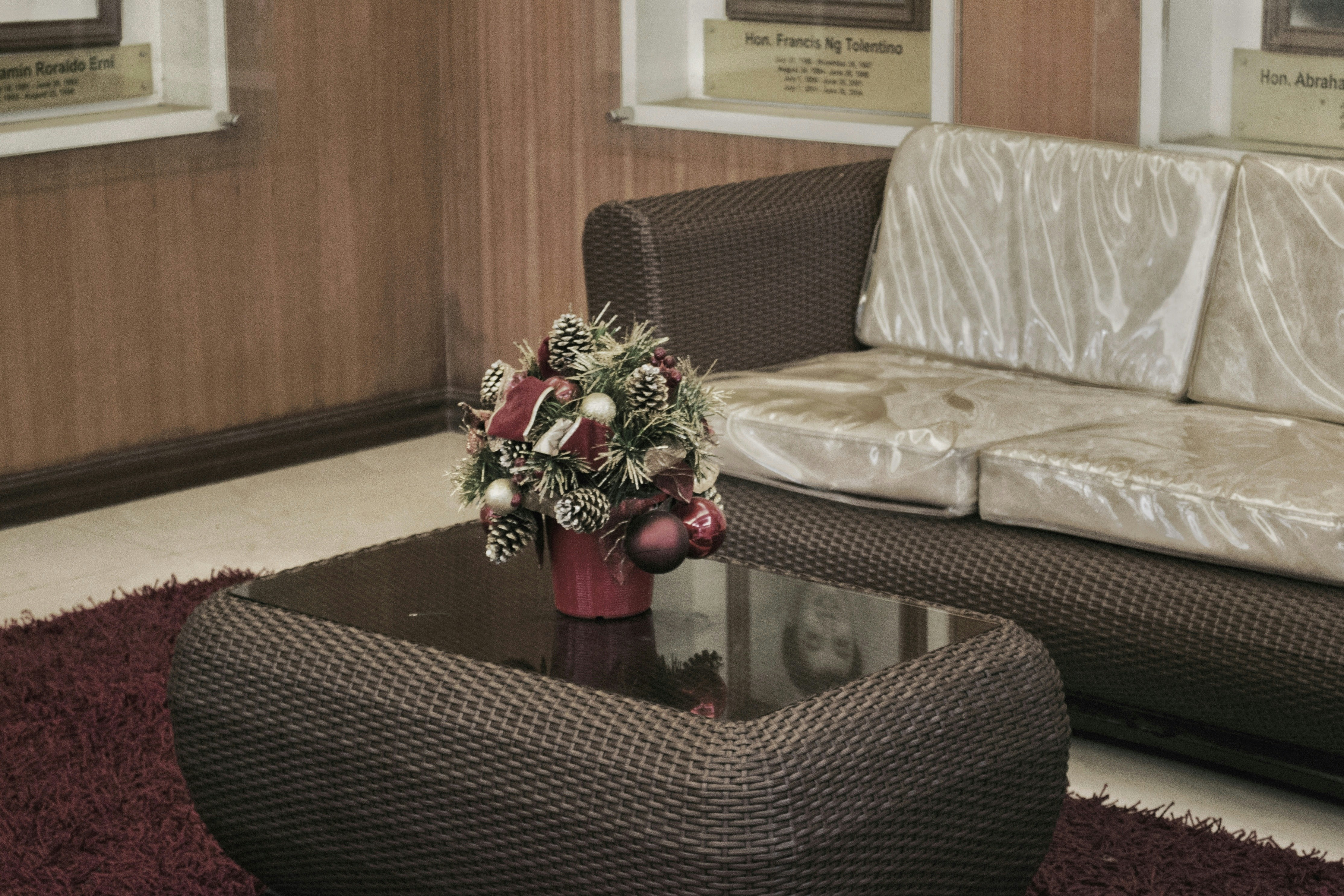
Introduction to DIY Furniture Decoration
The concept of DIY furniture decoration has gained significant traction among homeowners and renters alike, offering a creative outlet for personal expression and functional design. The growing popularity of DIY projects can be attributed to the desire for individuality in home décor, as well as the need to adapt spaces to one’s personal taste without incurring exorbitant costs. By engaging in DIY furniture decoration, individuals can transform their living environments into unique reflections of their personalities, making each piece of furniture a conversation starter and integral to their home’s narrative.
One of the primary benefits of undertaking DIY projects is the potential for significant cost savings. Purchasing new furniture can be prohibitively expensive, especially when attempting to furnish an entire home or apartment. Conversely, repurposing and decorating existing furniture items can lead to substantial savings, while also allowing individuals to create customized pieces that perfectly fit their space. Whether it is through painting, reupholstering, or adding decorative elements, the options are virtually limitless, enabling homeowners to curate a distinctive aesthetic.
Additionally, the joy of creating something from scratch enriches the DIY experience. Engaging in furniture decoration allows individuals to harness their creativity, encouraging experimentation with colors, textures, and styles. This process fosters a sense of accomplishment as each completed project enhances the overall ambiance of the space. Moreover, opting for DIY methods often aligns with sustainable practices, as it promotes the reuse of materials and reduces the demand for mass-produced furniture.
For those venturing into the realm of DIY blogging, it is essential to incorporate SEO strategies to maximize audience reach. By effectively integrating focus keywords related to DIY furniture decoration, content creators can drive traffic to their blogs while sharing inspirational ideas and practical tips. This not only fosters a connection with readers but also encourages a thriving community centered around the art of personalization.
Essential Tools and Supplies for DIY Projects
When embarking on DIY furniture decoration projects, having the right tools and supplies is vital to achieve the desired results. This section outlines a comprehensive list of essential items that will assist you in a variety of tasks, enhancing not only efficiency but also the quality of your work.
First and foremost, paint is crucial for transforming any piece of furniture. Choose high-quality paints suitable for the material you are working with—be it wood, metal, or fabric. Accompanying the paint, a selection of brushes and rollers in assorted sizes will enable precise application. For those projects requiring a smooth finish, consider using foam rollers or spray paint.
In preparation for painting, sandpaper should not be overlooked. It helps in smoothing the surface, ensuring better paint adhesion. A variety of grits will allow you to tackle both rough and fine surfaces effectively. Additional tools such as wood glue and screws are essential for assembling or repairing furniture, while a reliable screwdriver set will facilitate easy installation.
For decorative touches, stencils can enhance your projects by adding patterns or designs to surfaces. They are readily available at craft stores or can be easily made at home with cardboard or plastic sheets. A cutting tool, such as a utility knife or a pair of scissors, will assist in the creation of custom stencils.
Safety gear is equally important when undertaking any DIY activities. A well-fitted pair of safety goggles, a dust mask, and gloves should be used to protect yourself from paint splatters, dust, and sharp tools. Additionally, sourcing your materials on a budget is achievable; consider local thrift stores or project recycling centers where you can find supplies at reduced prices.
By equipping yourself with these essential tools and supplies, you will be well on your way to successfully engaging in various DIY furniture decoration projects.
Trending DIY Furniture Decoration Styles
In recent years, several DIY furniture decoration styles have gained popularity, appealing to a diverse range of tastes and preferences. Among the most trending styles are farmhouse chic, industrial, minimalist, and bohemian. Each of these styles offers unique characteristics that can enhance the overall aesthetic of your space.
Farmhouse chic is a comforting style that blends rustic charm with modern elements. This approach emphasizes wooden tones, vintage accessories, and soft color palettes that create a warm and inviting atmosphere. If you are drawn to this aesthetic, consider incorporating reclaimed wood furniture, distressed finishes, and vintage décor items to achieve that rustic yet refined look.
On the other hand, the industrial style has surged in popularity, characterized by raw materials and a raw, unfinished look. This style often features metal, concrete, and reclaimed wood, which together create a nonchalant yet sophisticated ambiance. To embrace industrial aesthetics, implement materials like exposed piping, metal chairs, and open shelving units designed from wood and steel.
For those who prefer a more streamlined approach, the minimalist style focuses on simplicity, functionality, and a monochromatic color scheme. Minimalist DIY furniture often emphasizes clean lines and uncluttered spaces, promoting a sense of tranquility. When adopting this style, invest in multi-functional furniture pieces and choose decorative items that align with the principles of minimalism.
Lastly, the bohemian style celebrates creativity and individuality, often showcasing an eclectic mix of patterns, textures, and colors. This style encourages an adventurous spirit, allowing you to blend various cultural elements into your DIY projects. When exploring bohemian designs, consider using vibrant textiles, layered rugs, and unique artwork to manifest a lively and personalized space.
Ultimately, choosing a DIY furniture decoration style that resonates with your personal taste is essential. It is also possible to mix and match elements from different styles, allowing for a more intricate and customized aesthetic that reflects your individuality. Tailoring your space with these trending DIY styles can transform your home into a haven that exudes character and charm.
Step-by-Step Guide to Upcycling Old Furniture
Upcycling old furniture is a rewarding endeavor that not only breathes new life into items often considered obsolete but also provides an opportunity for creative expression. By giving these pieces a stylish makeover, you can enhance your living space while minimizing waste. This guide will walk you through the process of transforming two common furniture items: an old dresser and wooden pallets.
To start with the old dresser project, first, select a dresser that’s sturdy and has good bones. Begin by removing any existing hardware, such as knobs or handles, and ensure to clean the surfaces thoroughly. Once cleaned, you can sand down any rough areas, which contributes to a smoother finish. After sanding, apply a primer if you’re planning to paint, as this helps the new color adhere better. Choose a color that complements your decor; a light pastel or bold hue can work wonders. Once the primer dries, proceed to paint the dresser, applying at least two coats for even coverage. Finally, once the paint is dry, replace the hardware with updated knobs or handles that accentuate the new look.
Next, let’s explore transforming wooden pallets into a stylish coffee table. Gather two or more pallets that are in good condition. Sand the pallets to smooth out any rough edges, then consider adding a wood stain or paint to enhance their visual appeal. After the stain or paint dries, stack the pallets to your desired height, and secure them together using brackets or screws for stability. To finish off, add wheels to the bottom for mobility or use protective pads to prevent floor scratches. With this rustic coffee table, you not only create a functional piece but also add a unique touch to your living area.
By following these steps, even novice DIY enthusiasts can successfully upcycle old furniture, transforming them into beautiful, functional pieces. This process fosters creativity and results in personalized decor that enriches your space.
Creative Furniture Decoration Techniques
Transforming your space can be as simple as redecorating your furniture through various creative techniques. Among the most popular methods are painting, decoupage, stenciling, and upholstery, each offering unique ways to enhance the aesthetics and character of your furnishings.
Painting is perhaps the most straightforward approach to breathe new life into old furniture. Selecting high-quality, durable paint designed for furniture is essential. For example, chalk paint provides a matte, vintage look, while glossy finishes can give a contemporary touch. A simple color change or a bold pattern can significantly influence the room’s ambiance. Moreover, using painter’s tape can help create sharp lines for geometric designs or borders, allowing for a professional finish.
Decoupage is another intriguing method that permits personal creativity—the art of gluing decorative paper or fabric onto surfaces. It can be a delightful way to incorporate memorabilia, artwork, or even fabric swatches that reflect your style. After adhering the chosen materials, a sealing layer is typically applied for durability, making decoupage a versatile option for drawer fronts or tabletops.
For those looking to add intricate designs without extensive free-hand skills, stenciling can be an excellent alternative. This technique involves using a pre-made pattern to apply paint, creating detailed designs effortlessly. Stencils can range from simple shapes to elaborate motifs and can be personalized to match your decor. Utilize them on chair backs or table surfaces to add an unexpected flair.
Lastly, upholstery is a transformative approach that can revitalize furniture, particularly seating. Reupholstering allows you to choose fabrics that resonate with your style while offering practical solutions for wear and tear. It is advisable to use fabric that accommodates the room’s theme and to learn basic upholstery techniques or consult professionals if needed.
By experimenting with these creative furniture decoration techniques, you can significantly enhance your living space and showcase your distinct taste. Each method offers its charm, allowing for personalized projects that elevate the overall aesthetic without extensive renovation.
Incorporating Natural Elements into Furniture Design
Bringing natural elements into furniture design not only enhances aesthetic appeal but also fosters a connection with the environment. One of the most effective ways to achieve this is through the use of wood, which provides warmth and character to any space. Reclaimed wood, in particular, is an excellent choice for DIY projects as it showcases unique textures and colors that tell a story. By utilizing reclaimed wood for shelves, tables, or accent pieces, you can achieve a rustic look while contributing to sustainability.
In addition to wood, stones and other natural materials can be integrated into your furniture decoration efforts. Stone accents—such as using slate as a tabletop or incorporating pebble designs into furniture legs—can create a captivating contrast against softer materials like wood. These elements not only add visual interest but also convey an earthy, grounded feel to your space. Furthermore, sourcing stones locally can add a personal touch while supporting regional artisans.
Plants are another vital component when incorporating natural elements into your furniture design. Vertical gardens or simple potted plants on shelving units can soften the hard lines typically found in furniture. By placing small planters on shelves or incorporating built-in spaces for greenery, you rejuvenate your decor, creating a living element that changes with the seasons. Vines, succulents, and tropical plants add texture and vitality, enhancing the overall ambiance.
Ultimately, the integration of wood, stone, and plants in furniture design ensures that each piece serves not only as a functional object but also as a statement of style that embraces the beauty of nature. This approach fosters a sense of tranquility and connection to the outdoors within your living space.
Seasonal DIY Furniture Ideas
Updating your furniture decor seasonally is a rewarding way to keep your living space feeling fresh and inviting throughout the year. Each season provides unique themes and colors that can easily be incorporated into your furniture pieces. By utilizing seasonal decor items, you can create a harmonious atmosphere that resonates with the time of year, enhancing not only your furniture but also the overall aesthetics of your home.
Starting with spring, consider light pastels and floral patterns that reflect the rejuvenation of nature. You can transform a wooden coffee table by painting it in soft mint or blush tones. Complement this with seasonal elements, such as vase-filled fresh flowers or decorative cushions featuring botanical designs. These subtle changes can instantly refresh your space and evoke a sense of renewal.
As summer approaches, embrace bright colors and vibrant prints. A simple way to enliven furniture is by re-upholstering old chairs with fabric that showcases tropical motifs or bold stripes. Accessories such as beach-inspired decorations or light, airy throws can further enhance the summery vibe. Additionally, incorporating natural elements like driftwood or seashells can add an organic touch to your interior decor.
When autumn arrives, rich shades of orange, red, and gold signify the changing season. A fun DIY project could involve repurposing old furniture—think of painting an accent chair in a warm burnt sienna and adding a cozy knitted throw. Seasonal decorations such as pumpkins or dried leaves can be arranged artfully on shelves to celebrate fall’s rustic charm.
Lastly, winter calls for a cozy atmosphere. Opt for deep, warm colors such as burgundy or forest green for a sofa transformation. Layering your furniture with plush pillows and soft blankets helps cultivate a warmer feel. Accentuate your decor with seasonal items like pinecones or elegant holiday ornaments, allowing your space to radiate comfort as you hunker down during the colder months.
By thoughtfully incorporating seasonal elements into your furniture projects, you can effortlessly create an evolving and inviting environment that reflects the beauty of each season.
Budget-Friendly DIY Furniture Hacks
Transforming your living space does not necessitate a hefty budget. With a bit of creativity and resourcefulness, you can embark on several budget-friendly DIY furniture decoration ideas. An excellent starting point is exploring thrift stores, garage sales, or online marketplaces where you can find unique furniture pieces at a fraction of the original cost. The beauty of thrifted items lies in their potential; with a little effort and imagination, they can be rejuvenated to fit your style.
Consider giving old furniture a facelift with paint or refinishing. A simple coat of paint can radically change a piece’s appearance while allowing you to customize colors that complement your existing décor. Opt for chalk paint for its matte finish and easy application, making it ideal for beginner DIY enthusiasts. Additionally, wood stains can enhance the natural characteristics of wooden furniture, adding a touch of elegance.
Repurposing household items is another innovative strategy for budget-friendly furniture decoration. For instance, consider transforming an old ladder into a stylish bookshelf or using wooden crates as trendy storage solutions. This not only saves money but also reduces waste, contributing to an eco-friendly lifestyle. Moreover, you can embellish pieces with decorative elements, such as stencils, washi tape, or fabric, to add personality and flair.
Another accessible option is to utilize peel-and-stick wallpaper or vinyl decals to breathe new life into plain furniture surfaces. These materials are affordable and easy to apply, allowing for quick updates that can align with seasonal trends or personal tastes. By incorporating these budget-friendly DIY hacks, you can effectively decorate your furniture without overspending, thus creating a stylish and inviting atmosphere in your space.
Conclusion and Call to Action
In exploring the transformative potential of DIY furniture decoration, it becomes evident that engaging in such projects offers an array of benefits. Not only does the act of creating personalized, stylized furniture pieces foster a strong sense of accomplishment, but it also allows individuals to imprint their unique aesthetic onto their living spaces. From repurposing old items to incorporating new materials and techniques, DIY furniture decoration invites creativity and innovation.
Furthermore, this journey into DIY doesn’t just end with the creation of beautiful furniture. It often serves as a stepping stone toward enriching one’s overall lifestyle. Engaging in these projects can strengthen community bonds as people share tips, discoveries, and successes. Viewing your surrounding space as a canvas allows for not just personal expression but also a continuous dialogue with fellow DIY enthusiasts.
As you ponder over the furniture projects outlined in this post, we encourage you to take action. Dive into your own DIY journey; share your experiences with us via comments or social media. Have you transformed a piece of furniture? We would love to hear your stories and see your creations! Additionally, consider subscribing for more engaging tips and ideas that will aid you in achieving your decor aspirations. Remember, the DIY community is expansive and supportive; every shared piece contributes to this vibrant tapestry.
Moreover, as you integrate these ideas into your home decor, be mindful of optimizing content for broader reach and engagement. In this digital age, implementing SEO practices not only enhances visibility but also fosters connections among like-minded individuals, keeping the DIY spirit alive and thriving. Collectively, let us inspire creativity and joy in our living spaces!