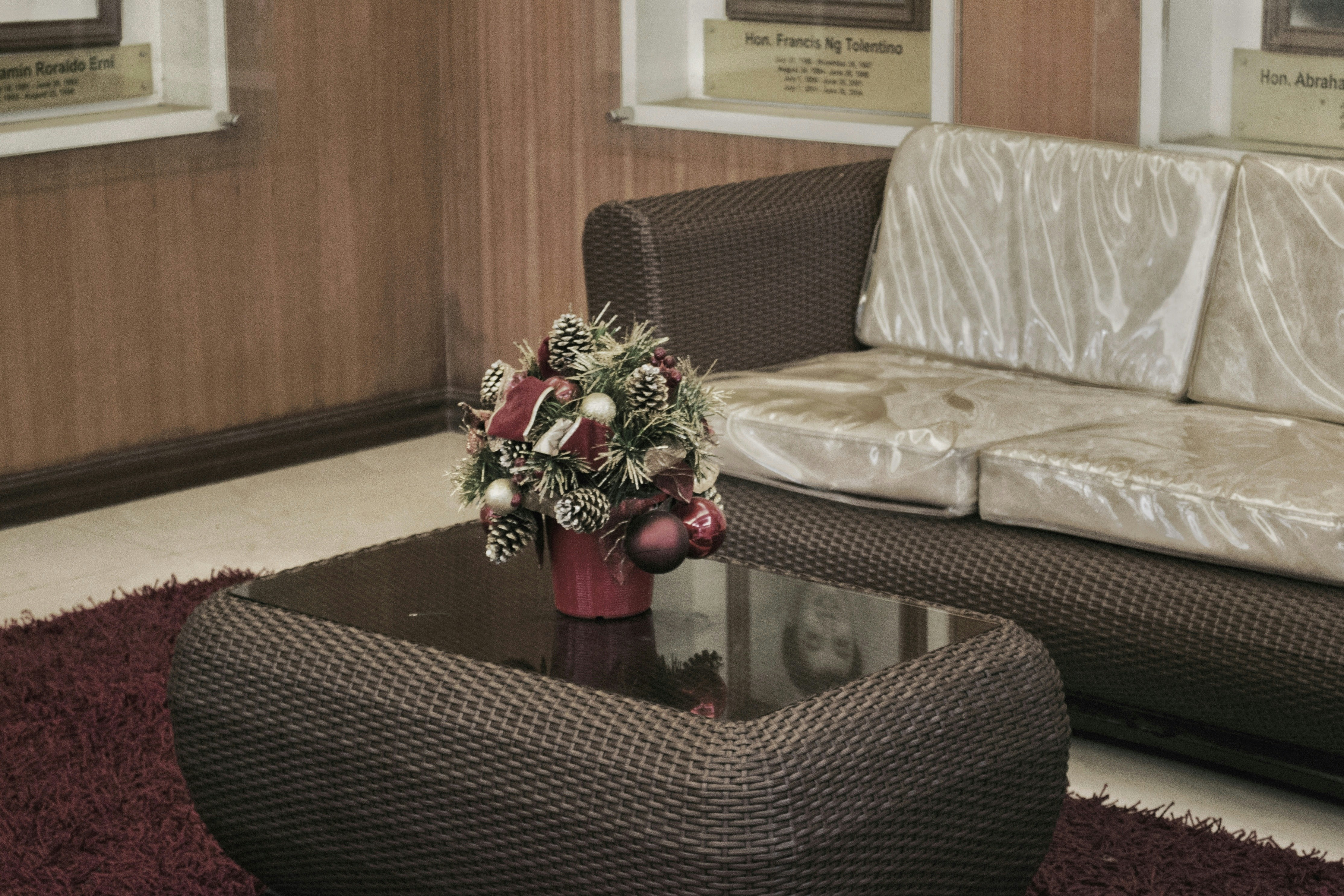
Introduction to DIY Furniture Decoration
In recent years, the concept of DIY furniture decoration has gained remarkable popularity among homeowners and interior design enthusiasts alike. This trend encourages individuals to engage creatively with their living spaces by personalizing furniture pieces, transforming ordinary items into unique statement pieces that reflect personal style and taste. As such, the appeal of DIY furniture decoration extends beyond mere aesthetic enhancement; it fosters a deeper connection to one’s environment while promoting sustainable practices.


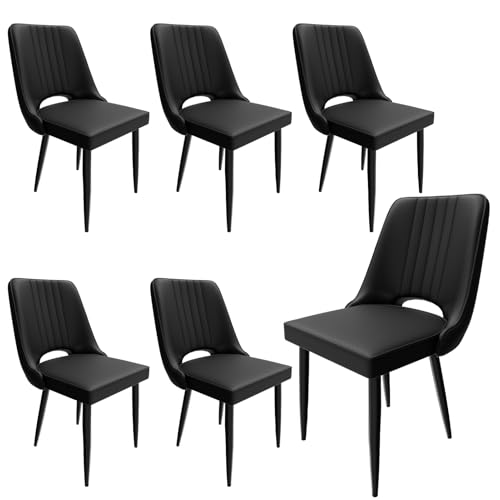
One significant benefit of engaging in DIY furniture decoration is cost savings. Purchasing new furniture can be an expensive endeavor, and many homeowners may find themselves constrained by budgetary limitations. Embracing the DIY approach allows individuals to repurpose existing furniture, minimizing waste and reducing overall expenditure. With a few simple tools and materials, individuals can breathe new life into outdated or unused pieces, garnering satisfaction from a job well done.
Moreover, DIY furniture decoration opens the door to a world of creativity and self-expression. The process encourages individuals to think outside of conventional design parameters and explore innovative ideas that may not be available in mass-produced items. From painting techniques to the use of fabric and texture, the possibilities are limitless. This venture not only hones artistic skills but also results in pieces that genuinely resonate with the owner’s personal narrative.
Furthermore, embracing a DIY philosophy contributes to sustainability. By revitalizing existing furniture rather than discarding it, individuals can reduce their carbon footprint and promote environmentally-friendly practices. This shift towards sustainability is increasingly relevant in today’s world, where mindful consumption is becoming a necessity.
In conclusion, the concept of DIY furniture decoration offers a multifaceted avenue for home improvement that is not only fulfilling but also beneficial on various levels. With savings, creativity, and sustainability at its core, it’s an ideal practice for anyone looking to transform their space.
Essential Tools and Materials for DIY Projects
Embarking on a DIY furniture decoration project can be both exciting and rewarding. However, having the appropriate tools and materials is essential for achieving the desired results. First and foremost, paint is a fundamental component of most DIY projects. Depending on the finish you aim for, you may choose from various types, including acrylic, chalk, or spray paint. Each type offers unique characteristics, allowing you to create looks ranging from rustic to modern.
Next, brushes and rollers are crucial for applying paint. A variety of brush sizes and shapes will enable you to reach different areas and create detailed designs. When selecting brushes, consider opting for high-quality options that ensure smooth application and even coverage. In situations where precision is necessary, consider using painter’s tape to protect edges and create sharp lines.
Another important tool for your DIY furniture decoration toolkit is sandpaper. Sandpaper is used to prepare surfaces, ensuring paint adheres well and providing a smooth finish. It is recommended to use different grits, starting with a coarser grit for initial sanding and progressing to a finer grit for a polished surface. Additionally, wood fillers can be beneficial for repairing imperfections in the furniture before painting.
Stencils are an excellent way to incorporate decorative elements into your furniture projects. They allow for consistency in design and can be easily created or purchased from craft stores. When it comes to upholstery, having a staple gun, fabric scissors, and high-quality fabrics will be vital for updates on upholstered furniture. Many stores offer affordable fabric options, allowing creativity to flourish without breaking the bank.
All these items can typically be sourced from local hardware stores, online retailers, or craft shops, ensuring that you can gather everything you need for your DIY journey. Being equipped with the right tools and materials will undoubtedly increase your chances of success in transforming your furniture decor.
Upcycling: Turning Old Furniture into New Treasures
Upcycling is an innovative and sustainable approach to home decoration that empowers individuals to breathe new life into old furniture pieces. Rather than discarding items that have outlived their original purpose, upcycling allows you to transform them into functional and aesthetically pleasing treasures. This creative endeavor not only reduces waste but also encourages resourcefulness in your home decorating projects.
One popular technique in the upcycling process is painting. A simple coat of paint can dramatically change the appearance of a worn-out piece of furniture. For instance, an old wooden chair can be updated with a bold color or a distressed finish to give it an antique look. Before painting, ensure the surface is clean and sanded to create a smooth base, and choose paint suited for furniture that can withstand daily wear.
Another effective method to refresh tired furnishings is re-staining. This technique can significantly enhance the natural beauty of wooden surfaces while adding a rich hue that complements your decor. Begin by stripping the old finish with a chemical remover or sandpaper, then apply a new stain in your desired shade. Finish with a coat of clear varnish to protect the wood and create a polished look.
Reupholstering is also a fantastic way to revamp furniture like couches, chairs, or cushions. Selecting vibrant or trendy fabric can completely change the look of a piece, making it a centerpiece in your living space. It is advisable to start by removing the old fabric carefully and using it as a template for cutting the new material. Staple the new upholstery neatly and secure it to ensure a professional finish.
Overall, upcycling is a fulfilling way to enhance your home while showcasing personal creativity. By turning old furniture into new treasures, you not only save money but also contribute positively to environmental sustainability. Engaging with these techniques opens up a world of possibilities for DIY enthusiasts eager to express their style while being resourceful.
Color and Paint Techniques for Furniture Decoration
Transforming furniture through various color and paint techniques can significantly enhance the aesthetics of any space. One popular option is chalk paint, known for its matte finish and ease of use. This type of paint adheres well to different surfaces without needing extensive preparation. A key advantage of chalk paint is its ability to create a vintage look, making it ideal for adding character to modern or rustic decor. However, the finish may require a protective topcoat to ensure durability.
An alternative technique is using spray paint, which provides a smooth and even coat. It is perfect for large projects where a quick application is desired. While spray paint can deliver professional-looking results, it is essential to work in a well-ventilated area and use protective gear, such as masks and gloves, to avoid inhaling fumes. This method is great for those who wish to achieve a smooth surface and vibrant color.
Another method worth considering is the use of stencils or tape to create designs on furniture. This approach allows for intricate patterns while maintaining the base color intact. With painter’s tape and a steady hand, one can achieve horizontal stripes, chevrons, or even floral designs that make a piece stand out. The meticulousness of this technique requires patience but the resulting effect can be striking.
Beyond the techniques, understanding color theory is vital when decorating furniture. Colors can evoke emotions and set the ambiance of a room. For instance, warm colors like reds and oranges can create a cozy atmosphere, while cool colors like blues and greens offer a calming effect. Therefore, it is crucial to consider the overall palette when selecting paints to ensure harmony within the intended space.
Textiles and Upholstery: Adding Comfort and Style
Reupholstering furniture is an excellent way to breathe new life into outdated pieces while imparting a personal touch that reflects your individual style. To begin the reupholstering process, it is essential to choose a fabric that complements the overall aesthetic of your space. When selecting textiles, consider not only the color and pattern but also the durability and texture. Fabrics such as cotton and linen are popular for their breathability, while synthetic blends offer added resilience and easier maintenance.
Once you have chosen your material, the next step is to prepare your furniture. Remove the existing upholstery by carefully detaching staples and tacks, ensuring that you pay attention to the underlying structure. It may be beneficial to take photographs during this disassembly stage, as they can serve as reference points when reapplying the new fabric. When attaching the new upholstery, ensure it is taut but not overstretched, maintaining a smooth appearance across surfaces. Tucking fabric neatly into corners and edges is crucial to achieving a professional finish.
In addition to reupholstering, incorporating cushions and throws can greatly enhance the comfort and style of your furniture. Decorative cushions in various shapes, sizes, and colors can create a dynamic look while providing support. Similarly, throws not only add an element of coziness but also introduce an opportunity to play with layers and textures. Mixing different textiles, such as knits and velvets, allows for a rich visual palette and contrasting comfort levels.
Ultimately, layering textiles strategically is important in design. By harmonizing colors, patterns, and textures, you can create a unified aesthetic that feels welcoming and stylish. Emphasizing these elements will not only transform your space but will also reflect your taste and personality, making your home a true sanctuary.
Accessorizing Furniture: The Final Touches
Accessorizing furniture is a crucial step in transforming a space into a cohesive and inviting environment. After investing time and effort into DIY furniture projects, selecting the right accessories can elevate the aesthetic appeal and functionality of each piece. Accessories such as throws, cushions, vases, and artwork offer an opportunity to express personal style while creating harmony within the design.
When choosing accessories, consider the color palette and overall theme of your space. Soft throw blankets can introduce warmth and texture, while cushions can enhance comfort and add visual interest. Opt for fabrics and patterns that complement your furniture’s design; for instance, if your DIY project features a vintage style, select cushions with classic prints or rich, muted tones. On the other hand, a modern piece may benefit from bold, geometric patterns that resonate with contemporary trends.
Artwork is another powerful accessory that can transform a room. It serves as a focal point, drawing the eye and providing a sense of character to your space. Select art pieces that resonate with your personality or reflect the ambiance you wish to create. Gallery walls or oversized art can help establish a narrative within a room, cohesively tying together various furniture elements.
Additionally, incorporating vases filled with fresh flowers or greenery introduces life and color into your decor. The arrangement of accessories is vital to creating a harmonious look; stagger height and scale to avoid a cluttered appearance. Curate displays that balance visual weight and ensure that each piece stands out. By thoughtfully accessorizing your furniture, you will not only enhance its beauty but also create warm and welcoming spaces that are reflective of your unique style.
The Role of Sustainability in DIY Furniture Decoration
In recent years, the significance of sustainability has increasingly permeated the realm of DIY furniture decoration. As individuals become more conscious of their environmental impact, the integration of eco-friendly practices in home decor projects has gained momentum. This trend not only enhances the aesthetic value of living spaces but also promotes responsible consumption. By embracing sustainable DIY methods, individuals can cultivate a personal style while contributing positively to the environment.
One of the cornerstones of sustainable furniture decoration is the use of eco-friendly materials. Opting for reclaimed wood, recycled metals, and natural fabrics can significantly reduce the carbon footprint associated with manufacturing and transporting new furniture. These materials not only provide a unique character to each piece but also ensure that fewer resources are extracted from the earth. Furthermore, sourcing materials locally fosters community engagement and supports regional economies, thereby enhancing the sustainable nature of the project.
Repurposing is another vital aspect of sustainable DIY projects. By transforming old or discarded furniture into something new, DIY enthusiasts can breathe new life into items that might otherwise contribute to landfill waste. This process not only showcases ingenuity and creativity but also illustrates the importance of reducing waste in the consumer culture. Instead of purchasing new, one can easily find inspiration to upcycle existing items, offering both a cost-effective solution and a way to personalize home decor.
Ultimately, embracing sustainability in DIY furniture decoration is not merely about aesthetic preferences; it embodies a fundamental shift towards responsible living. By prioritizing eco-friendly materials, repurposing, and conscious consumption, individuals can engage in meaningful projects that reflect their commitment to the environment, thus transforming their spaces while promoting sustainability.
DIY Furniture Decoration: Common Mistakes to Avoid
Embarking on a DIY furniture decoration project can be an exciting yet challenging endeavor. While the process can yield beautiful results, there are several common mistakes that can lead to unsatisfactory outcomes. Understanding these pitfalls is essential for achieving the desired effect in your space.
One prevalent issue arises from insufficient planning. Many DIY enthusiasts overlook the significance of creating a clear plan before commencing their projects. A thorough approach includes selecting the right materials, tools, and techniques that align with the desired aesthetic. Without a solid plan, projects can falter, leading to wasted time and resources.
Measurement mistakes often plague DIY projects, causing frustration and disappointment. It is essential to measure your furniture and the available space accurately before making any decisions. Every dimension should be noted, and it’s wise to double-check all measurements to avoid scale or proportion issues. Using a tape measure and sketching your layout can help visualize how the final piece will fit into your home.
Color choice is another critical factor that can greatly influence the final appearance of your furniture. A common error is selecting colors that do not complement the existing decor, creating a disjointed look. It is advisable to consider the surrounding colors and styles to ensure cohesion. Testing paint or fabric swatches in your home environment can provide insight into how they will interact with your space.
Lastly, rushing through your project can lead to mistakes that are often hard to fix later. Taking your time, paying attention to detail, and allowing for drying or curing times are crucial for achieving beautiful results. By sidestepping these common pitfalls in DIY furniture decoration, you will feel more confident and empowered to transform your home effectively.
Conclusion: Embracing Your DIY Journey
Embarking on a DIY furniture decoration journey offers an exceptional opportunity to express individuality and creativity within your home. Throughout this blog post, we discussed various techniques and ideas that allow you to transform ordinary furniture into stunning statement pieces. From upcycling old tables and chairs to adding personalized touches through painting and fabric selection, the possibilities are vast and fulfilling.
One of the key aspects of DIY projects is the storytelling element they bring into your space. Each piece of furniture can reflect personal history, style, and memories, serving not merely as functional items but also as conversation starters. The techniques mentioned, such as distressing wood or reupholstering, not only breathe new life into your furniture but also give you a chance to let your personality shine through. Remember, the process of creation is as important as the final result, providing immense satisfaction and pride in your handiwork.
As you venture into your DIY endeavors, it is essential to maintain an open mind and embrace experimentation. Home decoration is an ever-evolving art form, and your choices will expand as you learn what resonates with you. Don’t hesitate to take risks, whether it’s trying out bold colors or unconventional designs. Even if a project doesn’t turn out as planned, these experiences can serve as valuable lessons that contribute to your overall skill set.
In conclusion, the journey of DIY furniture decoration is not solely about the end result but about the creative process and the personal touch you bring to your home. Embrace this opportunity to step out of your comfort zone, cultivate your creativity, and cherish the stories that your transformed pieces will tell for years to come.