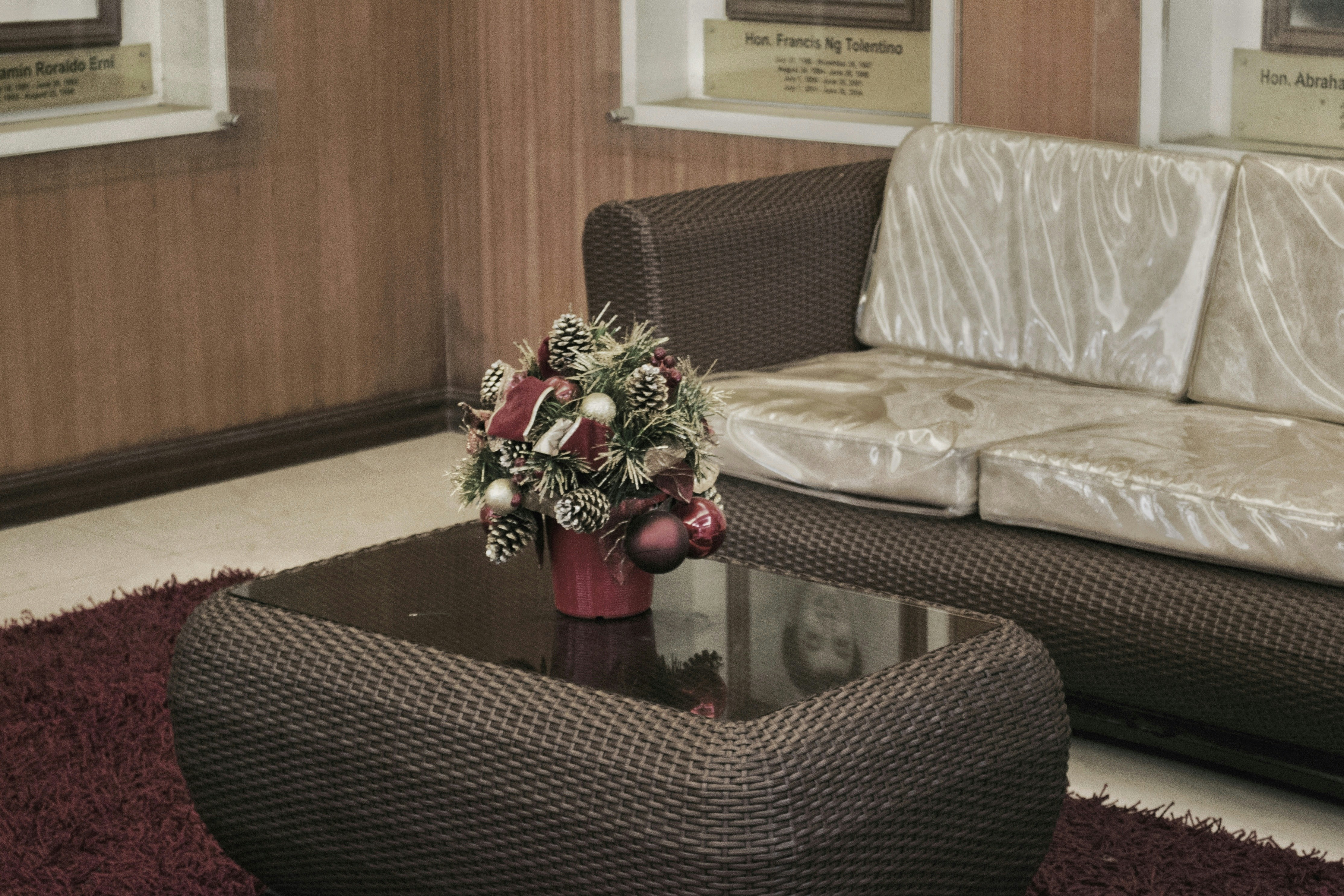
Introduction to DIY Furniture Decoration
The concept of DIY furniture decoration has gained significant traction among homeowners and interior designers alike. This approach not only allows individuals to infuse their personal style into their living spaces but also provides numerous benefits including cost-effectiveness, personalization, and sustainability. With the rising interest in home improvement projects, many are turning to do-it-yourself solutions to rejuvenate their environments, transforming ordinary furniture into chic and stylish statements that reflect their unique tastes.
One of the primary advantages of DIY furniture decoration lies in its affordability. Purchasing new, trendy furniture can be an expensive endeavor, often exceeding budget constraints. However, by utilizing existing pieces and applying creative upgrades, homeowners can achieve striking results without incurring hefty expenses. This method encourages resourcefulness and creativity, making it accessible to individuals of varying skill levels.
In addition to being economically beneficial, DIY furniture decoration offers a remarkable opportunity for personalization. Each individual’s style is distinctive, and by taking on these projects, one can create customizations that suit their aesthetic preferences. Whether it is through painting, reupholstering, or adding distinctive hardware, the scope for individual expression is limitless. This personal touch not only enhances the beauty of the furniture but also fosters a deeper connection to the items within a home.
Moreover, the sustainability aspect of DIY furniture decoration cannot be overlooked. With growing awareness around environmental issues, many are opting to repurpose older furniture instead of contributing to landfill waste. This conscious choice reduces carbon footprints and promotes a more sustainable lifestyle. In essence, this trend aligns with modern values that prioritize both style and responsible consumption.
As we explore further into the realm of DIY furniture decoration, it becomes evident that this creative endeavor is more than just a hobby; it is a movement towards enhancing our homes and aligning them with our personal narratives.
Choosing the Right Furniture for DIY Projects
When embarking on DIY furniture decoration projects, the selection of appropriate furniture pieces is paramount. The first factor to consider is the material of the furniture. Common materials include wood, metal, and upholstery, each offering unique characteristics that can guide your creative process. Wooden furniture is often favored for its versatility and durability, allowing for various paint and finish applications. Metal pieces, on the other hand, provide an industrial aesthetic and can be easily modified with paints or coatings. Upholstered furniture can be a rewarding project if you are willing to reupholster, giving you the chance to showcase vibrant patterns or textures that complement your home decor.
Additionally, the condition of the furniture plays a significant role in its selection. If the furniture is in good structural condition, it allows you to focus on the decorative aspects rather than extensive repairs. Inspect for any damages or issues that might require extra effort and resources. Assessing whether the piece can be sanded, painted, or refinished is crucial and should align with your DIY skills and tools.
The intended style or theme of your home decor should also inform your choices. Whether you lean towards a modern, rustic, or vintage aesthetic, selecting furniture that harmonizes with your vision will enhance the overall appeal of your space. To facilitate budget-friendly finds, consider exploring thrift stores and flea markets. These venues often house an array of unique options, making it possible to discover furniture with character while keeping costs low. By being patient and observant, you can uncover hidden gems that perfectly suit your DIY ambitions, ultimately helping you achieve a transformed living environment.
Essential Tools and Materials for DIY Furniture Projects
Embarking on DIY furniture decoration projects requires a solid foundation of essential tools and materials to achieve the desired results. Whether you are painting, reupholstering, or refinishing pieces, having the right supplies on hand can significantly enhance your experience and final outcome. Below is a comprehensive list of the necessary items you will need to successfully transform your furniture.
Firstly, painting is a common method of rejuvenation. You will need quality paint suitable for furniture, such as chalk paint or acrylic latex. Additionally, obtain a variety of brushes, including angled and flat options, and rollers for larger surfaces. For intricate designs, stencils can facilitate patterns, allowing a professional touch to your work. Sandpaper of varying grits is crucial for preparing surfaces before painting or applying new finishes, ensuring proper adhesion and a smooth final texture.
When it comes to upholstery, fabric choices play a vital role. Select durable, high-quality materials that complement your home’s decor. Accompany your selected fabric with tools such as a staple gun, upholstery scissors, and a heavy-duty sewing machine if sewing is involved. A measuring tape will also be essential to ensure precise fits when reupholstering cushions or chair seats.
Safety should always be a priority in any DIY project. Utilize gloves to protect your hands from paint and sharp objects, and consider a dust mask when sanding or working with chemicals to avoid inhalation. Adequate workspace organization is crucial, as it minimizes the risk of accidents and ensures you can work effectively. By cultivating a well-equipped workshop, you will improve not only your comfort but also your efficiency as you embark on your furniture transformation journey.
Popular DIY Furniture Decoration Techniques
DIY furniture decoration techniques offer a creative way to enhance and personalize your home decor. Each method provides a unique touch and can transform ordinary pieces into statement items. Among the most popular techniques are painting, staining, decoupage, reupholstering, and distressing.
Painting is perhaps the most commonly employed technique. It involves applying paint to the surface of furniture to change its color and finish. This can be done using brushes or spray paint, depending on the desired effect. A well-executed paint job can give old furniture a fresh look, while techniques such as color blocking can add modern flair. Additionally, using chalk paint has gained popularity due to its matte finish and ease of application, allowing for various styles from shabby chic to contemporary.
Staining, in contrast, involves the application of a pigment to highlight the natural grain of the wood. This method is particularly suitable for wooden furnishings as it enhances their beauty while providing a warmer, richer appearance. Stains come in various shades, allowing for easy customization to complement existing decor.
Decoupage is another fascinating technique where decorative paper or fabric is glued onto the furniture surface and then sealed with a clear coat. This approach can be used to create intricate designs and patterns, making it ideal for adding a playful or artistic touch to furniture.
Reupholstering involves replacing the fabric on upholstered pieces, such as sofas and chairs. This technique can dramatically alter the style of the item, giving you an opportunity to choose fabrics that better align with your overall decor theme. By selecting different textures and patterns, you can refresh the piece while maintaining its structural integrity.
Finally, distressing is a technique that creates an aged or worn appearance, often sought after for vintage or rustic decor styles. This can be achieved through techniques such as sanding or using special paints that mimic the look of wear and tear. Each of these popular DIY furniture decoration techniques allows individuals to express their creativity while transforming their living spaces.
Step-by-Step Guides for Simple Furniture Projects
Undertaking DIY furniture projects is an excellent way to enhance your living space while expressing personal creativity. Two beginner-friendly projects that can transform your home are creating a painted coffee table and reupholstering a chair. These step-by-step guides will help you through preparation, execution, and finishing touches, ensuring a successful outcome.
To begin with the painted coffee table, gather the necessary materials: sandpaper, primer, acrylic paint, a paintbrush, and a clear sealant. Start by disassembling any removable parts of the table. Next, sand the surface rigorously to eliminate old finishings and provide a better grip for the primer. Apply a coat of primer evenly across the entire surface and allow it to dry completely. Once dry, paint the table with your chosen acrylic hue. It’s advisable to apply multiple thin layers rather than one thick coat to achieve a smooth finish. After the final coat dries, apply a clear sealant to protect your work from wear and tear, ensuring it remains beautiful for years to come.
The next project, reupholstering a chair, requires fabric, a staple gun, scissors, and a screwdriver. First, disassemble the chair by removing the seat from its frame using the screwdriver. Carefully take off the existing upholstery, noting how it was originally attached. Measure the seat and cut the new fabric accordingly, allowing extra for folding over the edges. Position the fabric on the seat, ensuring a symmetrical look, and use the staple gun to secure it in place, pulling the fabric tight as you go. Finally, reattach the seat to the frame, making sure everything fits well and looks inviting in your living area. This project brings freshness and comfort to a piece that may have seen better days.
Following these guides will enable you to complete these projects with confidence, transforming your furniture, and consequently your space, into something uniquely yours.
Incorporating Personalized Touches in Your DIY Decor
Personalization in DIY home decor is a powerful way to transform an ordinary space into one that truly reflects your identity and experiences. By integrating personal touches into your furniture and decoration projects, you create a unique atmosphere that is distinctly yours. One of the most impactful methods to achieve this is by using family photographs. Consider creating a photo collage on a gallery wall or incorporating framed portraits directly into furniture items, such as a decorative coffee table adorned with family memories. This allows the furniture to serve not only a practical purpose but also to tell a story.
In addition to photography, personal artwork provides another avenue for customization. Whether you are an artist yourself, or you prefer the creations of family members or friends, showcasing your unique aesthetic is a fulfilling approach to DIY projects. You might choose to paint a mural as a statement piece on a wall or create abstract designs on the surface of tables and shelves. Such pieces can serve as conversation starters and instill a sense of pride through self-expression.
Customizable elements also play a significant role in personalizing furniture. For example, selecting colors that resonate with your personality or repurposing items that hold sentimental value can enrich the decor. Consider reupholstering a chair with fabric that reflects your taste or adding vibrant cushions infused with patterns and colors that uplift the space. The introduction of customized hardware, such as unique knobs and handles, on cabinets or drawers can also enhance the design while highlighting individual flavor.
By embracing personalization in your DIY decor efforts, you not only elevate your home’s aesthetic but also forge an emotional connection to your spaces. Engaging in these innovative ideas fosters a home environment that integrates both functionality and sentimentality, transforming furniture into cherished artifacts of your life.
Inspiring DIY Furniture Decoration Ideas from Influencers
The world of DIY furniture decoration is brimming with creativity, thanks in part to the contributions of many popular home decor influencers and bloggers. These individuals often share remarkable transformations that turn ordinary furniture into stunning focal points within the home. By exploring these inspiring projects, you can gather motivation and techniques to elevate your own living space.
A fantastic example comes from noted influencer Sarah from ‘Chic Home Updates,’ who successfully revived an old dresser with a chic paint job and new hardware. Her step-by-step guide outlines the entire process, showcasing before-and-after images that illustrate the stunning change. Followers have praised her ability to blend colors and patterns, providing a modern twist to a classic piece of furniture. You can view her detailed project here.
Another noteworthy project is by John from ‘The Upcycled Homestead.’ His innovative approach to refurbishing a vintage table highlights the importance of using sustainable materials. By incorporating reclaimed wood and eco-friendly stains, he not only enhances the aesthetics but also promotes environmentally responsible practices. His blog post includes valuable tips for selecting materials and tools that are both accessible and effective. To explore his remarkable transformation, check out his post here.
Moreover, Ashley from ‘Crafted Interiors’ offers unique ideas for fabric-covered furniture. By using vibrant upholstery or patterned contact paper, she has successfully created eye-catching pieces that infuse personality into any room. This easy-to-follow method showcases how even the simplest materials can result in a significant impact. Discover her creative insights through her post available here.
Through the experiences shared by these influencers, individuals seeking inspiration in DIY furniture decoration can find valuable techniques and unique perspectives that promote stylish and personalized home environments.
Maintaining and Caring for Your DIY Decorated Furniture
To ensure the longevity of your DIY decorated furniture, proper maintenance and care are essential. Each piece, whether painted, stained, or upholstered, requires specific attention to retain its visual appeal and functionality. Start by regularly dusting your furniture with a soft, lint-free cloth. This simple action prevents dust accumulation, which can cause scratches over time. For surfaces that are painted or have finishes, consider using a damp cloth for deeper cleaning, being careful not to overly saturate the material, as excess moisture can lead to damage.
Protecting the finish of your furniture is equally important. Consider applying a protective sealant, especially if you have used paint, to create a barrier against stains and scratches. If your furniture is made of wood, regularly polish it with a wood-safe product that enhances its natural sheen while offering a layer of protection. It is advisable to avoid using harsh chemicals that could degrade the finish and instead opt for gentle, natural cleaning solutions.
Wear and tear management is crucial for maintaining the integrity of your DIY furniture. For items that are used frequently, such as chairs or tables, place coasters or mats to avoid scratches and heat damage. If minor wear occurs, touch-up paint can effectively conceal small blemishes, ensuring that your furniture remains visually pleasing. Additionally, be mindful of seasonal care; changes in humidity and temperature can affect wood furniture, so consider using a humidifier or dehumidifier when necessary to maintain stable conditions.
In conclusion, with the right cleaning, protective measures, and attention to seasonal changes, your DIY decorated furniture can remain a cherished part of your home for many years. By incorporating these practices, you not only enhance the aesthetics of your space but also prolong the life of your carefully crafted pieces.
Conclusion and Encouragement to Start DIY Projects
As we have explored various DIY furniture decoration ideas throughout this post, it is evident that transforming your space can be an enjoyable and fulfilling experience. Engaging in these creative projects not only allows you to infuse your personal style into your home but also encourages resourcefulness and sustainability. Whether you are upcycling old furniture or crafting new pieces from inexpensive materials, the opportunities to express your individuality are limitless.
One of the significant advantages of DIY furniture decoration is the affordability it offers. With a little creativity and effort, you can enhance your living environment without straining your budget. The projects discussed herein serve as inspiration, showcasing how simple changes can lead to remarkable results. So, gather your supplies, tap into your imagination, and start experimenting with different designs, colors, and textures.
Moreover, the DIY community is thriving, comprising individuals who are passionate about sharing their creations and innovations. By embarking on your own DIY projects, you not only enrich your home but also have the opportunity to connect with like-minded enthusiasts. Consider documenting your journey through social media platforms or craft blogs, where you can showcase your achievements and learn from others. Sharing your project can spark inspiration for someone else, contributing to a cycle of creativity that benefits the entire community.
In essence, taking the first step towards a DIY project can lead to significant personal rewards and a transformed living space. Embrace the journey of learning and creativity that comes with it. Your home is a canvas waiting to be painted, and the possibilities are only limited by your imagination. So, why wait? Dive into the wonderful world of DIY furniture decoration and witness the remarkable difference it can make in your environment.