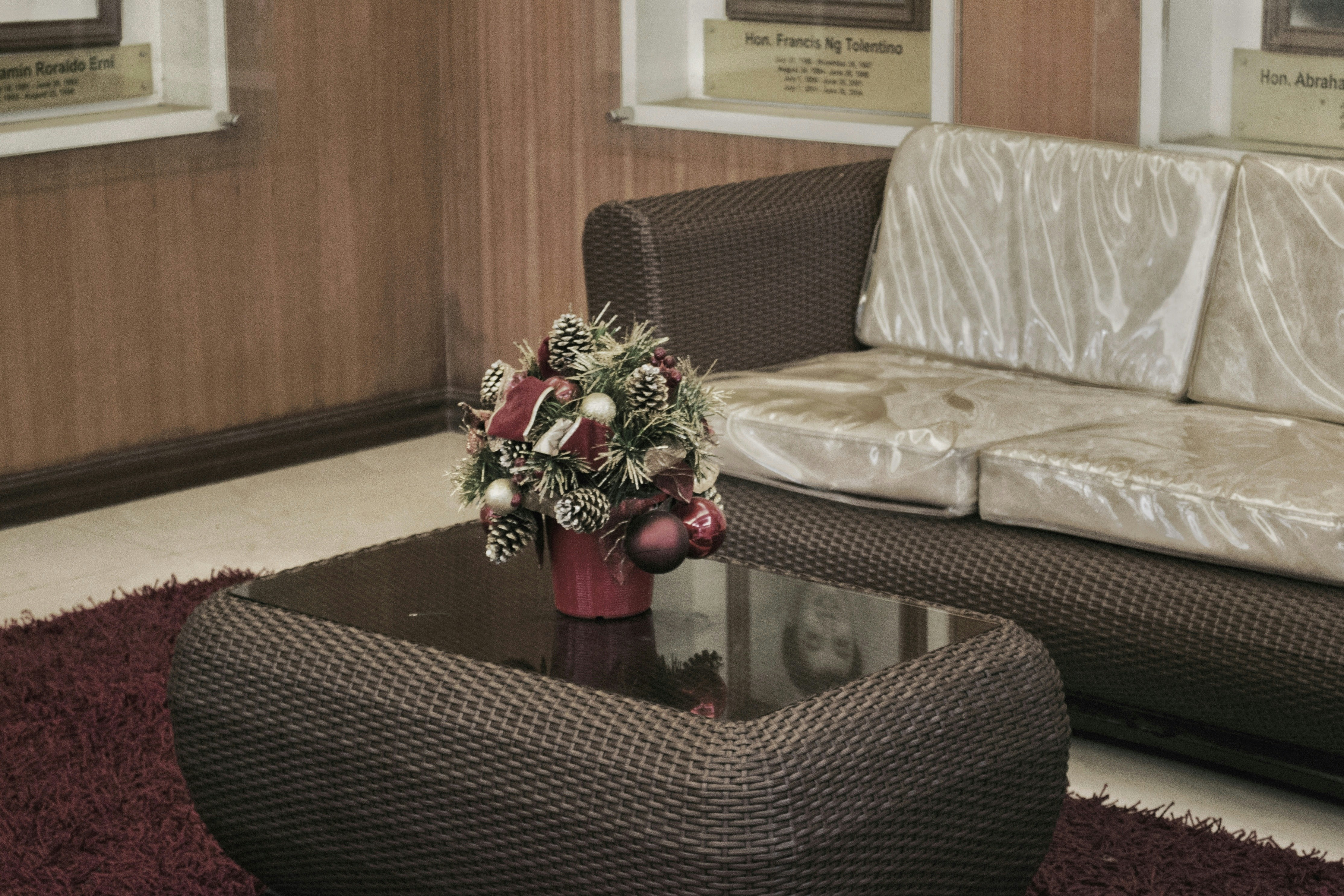
Introduction to DIY Furniture Decoration
The concept of DIY furniture decoration is becoming increasingly significant for homeowners looking to personalize their living spaces. This approach allows individuals to move beyond mass-produced items, facilitating a unique touch that reflects their personal style. One of the primary advantages of engaging in DIY projects is the cost-effectiveness they offer. By repurposing or upcycling existing furniture, homeowners can save a substantial amount of money while achieving a distinctly customized aesthetic.


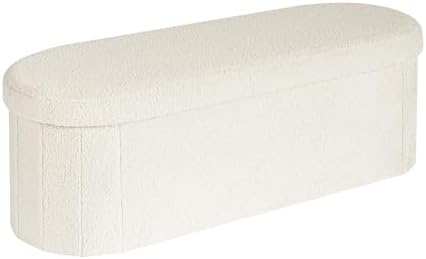
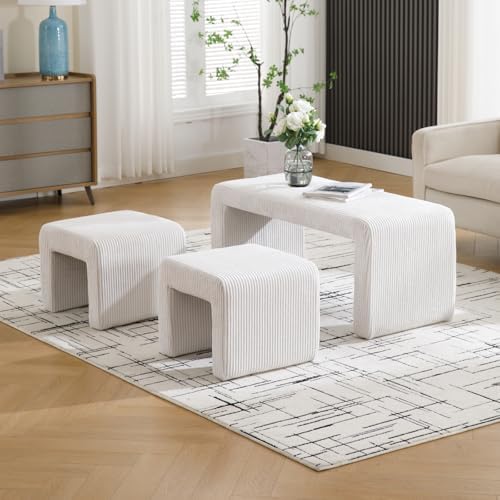
Moreover, DIY furniture decoration encourages creative expression. It allows individuals to explore their artistic side, experimenting with paints, fabrics, and shapes that resonate with their personal taste. This hands-on approach empowers people to engage directly with their living environments, instilling a sense of pride and satisfaction in the creation process. As individuals enact their vision, the end results often become cherished items that tell a story about their creator’s journey and personal preferences.
Additionally, the growing trend of sustainable living is closely tied to the practice of DIY furniture decoration. In an era where environmental consciousness is paramount, choosing to decorate through DIY methods contributes positively to this movement. By opting to refurbish old furniture or utilize reclaimed materials, individuals actively participate in reducing waste and promoting sustainability. This not only minimizes the environmental footprint associated with purchasing new items but also highlights the importance of valuing existing resources. As such, DIY furniture decoration not only facilitates personal expression but also aligns with contemporary philosophies about living more sustainably.
Benefits of DIY Furniture Decoration
Engaging in DIY furniture decoration offers a plethora of advantages that can significantly enhance not only your living space but also the personal satisfaction you derive from the creative process. One of the most compelling benefits is cost-effectiveness; undertaking furniture decoration projects typically involves lower expenses compared to purchasing new, ready-made items. By utilizing materials you already own or sourcing affordable components, you can achieve a fresh look without straining your budget.
Moreover, DIY furniture decoration presents a unique opportunity for personalization. With the ability to tailor your furniture to your specific style and needs, you can create pieces that truly reflect your personality. This customized approach allows you to incorporate colors, patterns, and designs that resonate with your aesthetic preferences, ensuring that each piece complements the overall vibe of your home seamlessly. Such personalization not only enhances the visual appeal but can also imbue your space with a sense of character.
Additionally, there is an inherent satisfaction that comes from creating something with your own hands. The process of transforming a simple piece of furniture into a work of art can be immensely rewarding. This sense of accomplishment can greatly enhance your well-being and self-esteem. Furthermore, engaging in DIY activities has therapeutic benefits, providing a productive outlet for stress relief and serving as a meaningful distraction from daily pressures. Immersing yourself in creativity allows for mental relaxation while fostering a sense of achievement.
Lastly, DIY projects can significantly enhance the overall aesthetic of your home. Thoughtfully decorated furniture not only contributes to a cohesive interior design but also increases the comfort and inviting nature of your surroundings. By investing time and energy into DIY furniture decoration, you are sure to cultivate a living space that reflects both functionality and a personal touch, enhancing your quality of life.
Essential Tools and Materials for DIY Projects
Embarking on a DIY furniture decoration project can be an exciting and fulfilling endeavor. However, to ensure a successful outcome, having the right tools and materials is paramount. This section outlines essential items categorized by skill level—basic, intermediate, and advanced—to cater to a range of DIY enthusiasts.
For those new to DIY, a basic toolkit should include items such as a tape measure, a utility knife, a hammer, and a screw driver set. These essential tools will assist in measuring, cutting, and assembling various furniture pieces. Additionally, a quality paintbrush and sandpaper will be invaluable for finishing touches on your projects. These items can typically be sourced from local hardware stores or even online marketplaces at affordable prices.
As skills progress to an intermediate level, additional tools become vital. A power drill, for example, is an indispensable tool for creating precise holes and making assembly quicker and more efficient. A jigsaw also opens up avenues for more intricate cutting, allowing personal flair in furniture design. For these intermediate projects, consider investing in a set of acrylic paints and wood varnish to enhance your creations. These supplies are available at craft stores and are often on sale, ensuring budget-friendly options.
Finally, for advanced DIYers, the toolbox expands to include more specialized tools. A table saw and chisels are excellent for furniture refinishing and detailed woodworking. Pneumatic nail guns can also speed up the construction process. To elevate your projects further, sourcing materials like reclaimed wood or high-quality upholstery fabric from thrift stores or online classifieds can provide unique components while maintaining an economical approach.
Incorporating these tools and materials is essential for any DIY furniture decoration project, transforming not only your space but also enhancing your creative skills.
Easy DIY Furniture Decoration Projects for Beginners
Embarking on a journey of DIY furniture decoration can be both fulfilling and enjoyable, especially for beginners keen to transform their living spaces. Here are some simple projects ideal for novices that require minimal tools and can significantly enhance the aesthetic appeal of your home.
One of the most accessible projects is painting old furniture. A fresh coat of paint can breathe new life into items that may otherwise be discarded. Start by selecting non-toxic furniture paint in a color that complements your existing decor. For this project, you will need sandpaper, a paintbrush or roller, painter’s tape, and a sealant to protect your finish. Preparation is key: clean the furniture, sand it down to remove any previous finishes, and apply a primer if necessary. Once dry, apply your chosen color in even strokes and finish with a protective sealant for longevity.
Another beginner-friendly project is reupholstering chairs. This technique allows you to customize old seats with fabric that reflects your style. For reupholstering, gather a staple gun, screwdriver, fabric of choice, and foam padding if needed. Begin by removing the old upholstery and padding, then cut your new fabric to size, allowing for an overlap. Reattach the padding and new fabric, securing it with the staple gun. This project not only refreshes your furniture but also boosts your confidence in undertaking similar tasks in the future.
Additionally, consider adding stenciled designs to plain furniture. This project allows for creative expression and can be accomplished with stencils, acrylic paint, a sponge, and painter’s tape. Simply secure the stencil to your furniture, dab paint onto it using the sponge, and carefully remove it to reveal your unique design. This technique is perfect for personalizing items while honing your DIY skills.
By starting with these straightforward projects, beginner decorators can gradually build their skills and confidence in DIY furniture decoration, leading to a more vibrant and personalized home environment.
Innovative Upcycling Ideas for Old Furniture
Upcycling old furniture is a sustainable and creative way to refresh your living space while reducing waste. This practice not only saves you money but also fosters individuality in your home décor. The concept of upcycling involves transforming discarded items into functional, stylish pieces, breathing new life into furniture that may otherwise be forgotten.
One popular example of upcycling is converting an old dresser into a chic TV stand. By removing unnecessary drawers or painting the surface in a trendy hue, you can create a unique focal point in your living room. This transformation allows for additional storage options, accommodating various media devices neatly and effectively. You can further personalize the piece by adding decorative knobs or using stencils for a patterned finish, showcasing your style.
Another creative approach is turning wooden crates into a modern bookshelf. These versatile pieces can be stacked or mounted on walls to create a custom storage solution tailored to your space. You can leave the crates in their natural state for a rustic look or paint them in bold colors for a more contemporary aesthetic. This project not only elevates your home’s functionality but also imbues your space with a sense of character and charm.
When selecting furniture for upcycling, consider pieces that have good structural integrity and a design that aligns with your desired outcome. Look for items at thrift stores, garage sales, or your own basement. Assess the materials and style of the furniture to ensure they will complement your home. Finally, do not shy away from the notion of experimentation; sometimes the best results come from bold ideas and unexpected transformations. Upcycling is not just about reusing materials; it is a celebration of creativity that allows you to express your style.
Seasonal DIY Projects to Refresh Your Decor
As the seasons change, so too does the opportunity to refresh and elevate your home decor through DIY furniture decoration projects. Each season brings with it a unique set of colors, textures, and themes that can be captured through simple modifications to your existing furniture. These seasonal DIY projects not only allow you to express creativity but also to create an inviting atmosphere that resonates with the time of year.
In spring, consider embracing the fresh, vibrant colors of blossoming flowers. A delightful DIY project could involve repainting a side table in pastel hues or adding floral patterns through decoupage techniques. Additionally, swapping out heavy fabric cushion covers for lighter, floral-patterned ones can instantly breathe new life into your living space. Decorating with potted plants can further enhance the seasonal vibe, bringing the outdoors in and refreshing the overall aesthetic.
Summer is an ideal time for outdoor-inspired decor. You might create a beach-themed setting using textured fabric with sandy colors for your chairs. A simple DIY project could entail painting a small coffee table in a bright ocean-like hue or adding beach-themed decals. Consider arranging a summer picnic theme by incorporating colorful throw blankets and outdoor-friendly tableware on your patio or deck. This not only elevates your outdoor area but also allows you to enjoy the warm weather in style.
As autumn arrives, warm tones take center stage. You can modify your dining table by adding a rustic runner made from burlap, complemented with pumpkins and seasonal foliage as centerpieces. Reupholstering chairs with rich amber or burgundy fabrics can evoke the cozy feeling associated with fall. Finally, adding some soft plaid or knitted throws can make a charming statement, ideally suited for cooler evenings.
Winter invites a more cozy aesthetic. To embrace the season, consider crafting DIY elements such as faux fur pillows or blankets to drape over your furniture for added warmth. Decorative elements like twinkling fairy lights can transform your space into a magical retreat, complementing a neutral or winter-themed color palette. By adapting your furniture and decor through DIY projects, your home can reflect the beauty of each changing season.
Incorporating Trends in DIY Furniture Decoration
In the ever-evolving world of home décor, staying abreast of current trends in furniture decoration is essential for creating a space that reflects both style and individuality. Among the most prominent movements today are minimalism, bohemian styles, and an increasing focus on sustainable, eco-friendly materials. Each of these trends offers unique opportunities for those seeking to enhance their home through DIY furniture projects.
Minimalism emphasizes simplicity and functionality, often characterized by clean lines, neutral color palettes, and the removal of excess clutter. To incorporate this trend into your DIY projects, consider selecting furniture pieces with streamlined designs. For instance, a simple wooden bench can be transformed by using a muted hue of paint or by applying a natural finish that highlights the wood’s grain. Consider also repurposing old furniture by removing any unnecessary embellishments to allow for a more spacious and serene environment.
In contrast, bohemian styles invite an eclectic mix of patterns, textures, and colors, aiming to create a warm and inviting atmosphere. To integrate this trend, explore the use of bold fabrics, layered textiles, and vibrant colors in your DIY furniture decorating. For instance, adding colorful seat cushions to a plain chair or opting for richly patterned throws can bring a boho flair to your living space without substantial financial investment.
Moreover, sustainability continues to rise in importance, urging homeowners to choose eco-friendly materials. This can involve sourcing reclaimed wood, utilizing non-toxic paints, or selecting sustainable fibers for upholstery. Searching for upcycled items at local thrift stores or even embarking on furniture flips can serve both the planet and your budget effectively, while ensuring that your furniture decoration remains stylish and modern.
Common Mistakes to Avoid in DIY Furniture Projects
Engaging in DIY furniture projects can be an enjoyable and rewarding experience. However, several common mistakes can hinder the process and compromise the final outcome. One prevalent issue is improper measurements. Many DIY enthusiasts underestimate the significance of accurate measurements, leading to pieces that do not fit well within their intended space. To avoid this pitfall, it is crucial to measure twice and cut once, ensuring that all dimensions are carefully documented and adhered to.
Another frequent mistake is neglecting to plan ahead. Rushing into a project without a solid plan can result in wasted materials, time, and effort. A comprehensive plan should include a design outline, a list of necessary materials, and an estimated timeline. Allocating time for thorough planning can streamline the DIY process and enhance the overall result.
The choice of materials is also a critical factor; using unsuitable or low-quality materials can affect both the durability and aesthetics of the final product. It is essential to select materials that are both appropriate for the intended use and that match the design vision. For example, softwoods may be suitable for light-duty furniture, but hardwoods are a better choice for long-lasting pieces. Additionally, when working with paint or finishes, it is advisable to conduct a small test on a hidden area to ensure compatibility and desired results.
Lastly, it is important not to overlook safety precautions. Failing to use protective gear, like gloves and goggles, can lead to injuries during the crafting process. By being mindful of these common mistakes and implementing practical solutions, DIY enthusiasts can achieve a satisfying and successful furniture project. With careful attention to detail and thoughtful planning, the journey of transforming your space will be a fruitful endeavor.
Sharing Your DIY Creations: The Power of Community
Sharing your DIY furniture decoration projects not only enhances your sense of accomplishment but also fosters a sense of community among fellow enthusiasts. Engaging with others through social media platforms, local community groups, or home improvement forums allows you to showcase your creativity while gaining valuable feedback and support. The collaborative nature of sharing your work often leads to inspiration; seeing others successfully implement their designs can ignite new ideas and encourage you to experiment with your own projects.
By documenting and sharing your DIY endeavors, you tap into a wealth of resources and knowledge provided by an expansive network of crafters and creators. Platforms like Instagram, Pinterest, and Facebook host vibrant communities where users can display their creations, offering a visual showcase that can reach a global audience. When fellow DIY enthusiasts interact with your posts, they can provide constructive feedback, recommend ideas, or share their own experiences, creating a dialogue that can enhance your skills and motivate further projects.
Moreover, sharing can lead to collaborative opportunities. You might discover others who are interested in partnering on a project or conducting joint workshops, bringing together diverse talents and perspectives. To effectively showcase your DIY creations, focus on high-quality images that highlight the details of your work. Use clear descriptions that explain your techniques and materials used, facilitating knowledge sharing with your audience. Additionally, tagging relevant communities and using appropriate hashtags can increase the visibility of your posts, attracting others who share your passion for home improvement and decor.
In conclusion, engaging with a community by sharing your DIY furniture decoration projects can be immensely rewarding. You not only contribute to a collective pool of knowledge and inspiration but also cultivate relationships that can enrich your creative journey.