Introduction to DIY Furniture Decoration
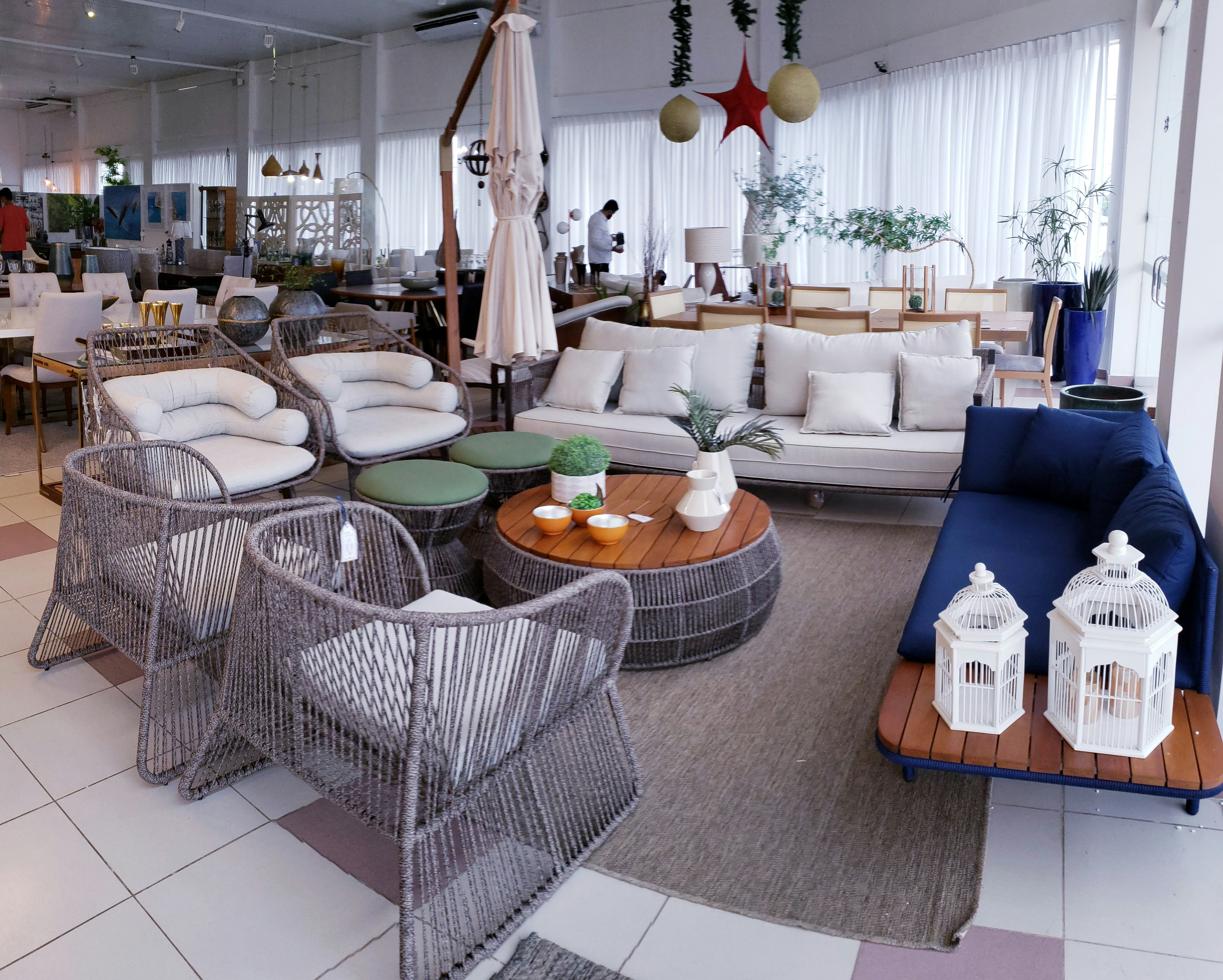
DIY furniture decoration is an innovative approach that allows homeowners to personalize their living environments while showcasing individual creativity. The concept revolves around transforming existing furniture pieces rather than purchasing new items, which can often be financially burdensome. Through various do-it-yourself techniques, such as painting, reupholstering, or adding decorative elements, individuals can craft unique furniture designs that cater to their specific tastes and style preferences.


One of the most significant advantages of DIY furniture decoration is its affordability. Instead of spending considerable amounts on new furniture, many people find that updating their current pieces can yield remarkable results at a fraction of the cost. This budget-friendly method encourages experimentation, as individuals can try out different styles, colors, and textures without committing to a hefty investment. With creativity as the only requirement, DIY projects offer an accessible means of enhancing home aesthetics.
Beyond the financial benefits, there is a profound sense of satisfaction derived from creating custom looks for one’s furniture. Engaging in DIY projects fosters a stronger connection to home furnishings, as individuals pour their time and effort into every detail. Completing a decor project can be incredibly fulfilling, evoking a sense of achievement that comes from seeing one’s vision materialize. The act of crafting personalized furniture not only beautifies living spaces but also builds confidence in one’s creative abilities.
In a world where mass-produced items often fill our homes, embracing the art of DIY furniture decoration stands out as an enriching alternative. Anyone can transform their space into a reflection of their personality by dedicating time and effort to these projects. As we explore various DIY furniture decoration ideas throughout this post, readers will find inspiration to embark on their creative journeys.
Choosing the Right DIY Project for Your Space
Embarking on a DIY furniture decoration project requires careful consideration of your space to ensure the outcome enhances both functionality and aesthetics. Start by assessing your rooms meticulously. Measure the dimensions of the area where you intend to introduce new furniture or alterations. Accurate measurements will prevent overcrowding and ensure that the final piece harmonizes with other existing elements within the room.
Next, reflect on your style preference. Consider the overall design theme of your space, as this will guide you in selecting a project that complements your home’s current decor. Whether your home embodies a modern minimalist style or a vintage charm, your DIY project should align with your vision. Gathering inspiration from various sources, such as interior design magazines, online platforms, or even visiting local furniture stores, can help crystallize your ideas.
It is also crucial to factor in your existing furniture pieces. Analyze how a new DIY item will interact with what you already have. A well-thought-out color scheme or texture relationship can create a cohesive look, while mismatched items can detract from your space’s beauty.
Moreover, self-assess your skill level and the materials you have at your disposal. Choose projects that are manageable and do not exceed your current capabilities. If you are a beginner, start with simpler tasks, such as repainting or refinishing, to build confidence before tackling more complex furniture creations. Utilizing available materials not only saves money but also fosters creativity. By ensuring that the DIY projects you select reflect both your skills and your creative vision, you can transform your space effectively and enjoyably.
Essential Tools and Materials for DIY Furniture Decoration
Engaging in DIY furniture decoration requires not only creativity but also the right set of tools and materials to achieve satisfactory results. Regardless of the nature of the project, having a well-equipped toolkit can enhance the overall experience and efficiency. Essential tools for furniture decoration typically include a variety of brushes, rollers, and sponges, ensuring that you can apply different painting techniques with ease. A quality selection of paints and stains is also paramount. Choose water-based or oil-based products depending on the desired finish and durability.
In addition to painting supplies, incorporating sandpaper into your toolkit is vital. Sanding surfaces smooth provides a solid foundation for painting or staining, thus preventing any imperfections from affecting the final look. When working on intricate designs or tight corners, a sanding sponge can be particularly useful. A good-quality drill and various drill bits are essential for assembling and disassembling furniture pieces, as well as creating holes for fixtures or handles.
A handsaw or jigsaw will enable you to make precise cuts, especially when customizing furniture designs to fit your specific needs. Safety gear, including face masks, goggles, and gloves, should not be overlooked. Protecting yourself during the DIY process is critical, especially when dealing with chemicals in paints and stains or when using power tools.
Furthermore, measure twice and cut once with a reliable measuring tape and square. These tools ensure accuracy, which greatly impacts the outcome of your projects. Overall, investing in the right tools and materials for DIY furniture decoration not only equips you for the task at hand but also ensures that your endeavor is safe and enjoyable.
Creative Painting Techniques for Furniture
Transforming furniture through painting can significantly enhance its visual appeal and prolong its lifespan. Among the myriad of creative painting techniques available, three popular methods include chalk painting, distressing, and spray painting. Each technique offers distinct aesthetics and can be tailored to various styles and preferences.
Chalk painting stands out due to its matte finish and ease of use. This technique works exceptionally well on wooden furniture, providing a classic, shabby-chic look. To begin, ensure the surface is clean and sanded lightly. Apply the chalk paint with a brush or roller, working in even strokes. For best results, two coats may be necessary, allowing sufficient drying time between applications. Once the final layer is dry, a wax or sealer can be applied to protect the finish and enhance the color.
Another popular method is distressing, which adds character and age to furniture. After painting, use a fine-grit sandpaper or a sanding block to gently rub the edges and corners where wear would naturally occur. This creates an authentic vintage look. A common strategy includes pairing a bright color with a darker undercoat so that the contrasting layer shows through the distressed areas. Be mindful to work gradually; less is often more in achieving a balanced distressed effect.
Lastly, spray painting offers a quick and smooth application for those looking for a uniform finish. It is ideal for metal and plastic furniture. Start by cleaning the surface thoroughly and using painter’s tape to protect areas that will not be painted. Shake the spray can well and apply it in thin, even layers from a distance of about 6-12 inches. Allow each layer to dry completely before applying the next, ensuring an even coating that minimizes drips.
By utilizing these creative painting techniques for furniture, individuals can elevate their home decor while also enjoying the process of customization. Each technique not only enhances the aesthetic appeal but also provides a sense of accomplishment as furniture is transformed into unique pieces of art.
Upcycling Old Furniture: A Sustainable Approach
Upcycling old furniture is an innovative and sustainable solution that promotes creativity while reducing waste. This practice involves transforming discarded items into new, functional pieces, allowing homeowners to breathe new life into their interiors without the need for purchasing brand-new furniture. One popular project idea is converting an old dresser into a TV stand. By removing the drawers and reinforcing the existing structure, one can create a stylish entertainment center that fits the modern aesthetic. Adding a fresh coat of paint or applying decorative wallpaper can further enhance the piece, ensuring it complements the surrounding decor.
Another exciting project involves using wooden pallets to craft a unique coffee table. Pallets can be easily sourced at local retailers, making them an accessible option for DIY enthusiasts. By stacking and securing pallets, one can create a rustic yet contemporary table that serves as a conversation starter in the living room. Finishing touches, like sanding and staining, add elegance, making it a perfect addition to any home. These projects exemplify how creativity can transform neglected furniture into useful items that reflect personal style.
Beyond aesthetics, upcycling furniture contributes to environmental sustainability. Each repurposed piece reduces the demand for new materials, which in turn lessens the carbon footprint associated with furniture production. Moreover, these projects promote a more mindful approach to consumption, encouraging individuals to cherish what they already own. By viewing furniture through the lens of potential rather than obsolescence, homeowners can foster a deeper connection to their living space.
In conclusion, upcycling old furniture not only enhances one’s living environment but also supports environmentally friendly practices. Engaging in these creative endeavors can result in unique pieces that tell a story, making any home feel more personalized and inviting.
Accessorizing Your DIY Projects: Adding the Finishing Touches
Accessorizing your DIY projects plays a crucial role in transforming a simple piece of furniture into a standout element within your home. The right decorative accents can elevate the overall aesthetic, ensuring that your creations are more than functional—they become central focal points of your space. When selecting accessories, consider elements such as knobs, handles, stencils, and fabric accents that can harmonize with your existing decor while showcasing your personal style.
Knobs and handles are essential components that can drastically change the appearance of furniture. Using unique or vintage knobs on drawers or cabinets can add character and charm. Alternatively, modern geometric handles can contribute a sleek, contemporary feel. The key is to choose hardware that complements the design of your furniture while reflecting your individual taste.
Stencils provide another layer of decorative opportunity, allowing you to personalize your projects with patterns or motifs. Whether you opt for intricate designs or simple shapes, carefully applying stencils can create a visually appealing effect on tables, chairs, or storage units. When choosing stencils, consider how they coordinate with other elements in your room; for instance, a botanical stencil may echo the colors and themes of potted plants nearby.
Fabric accents are also effective in tying together your DIY furniture with the surrounding decor. Adding cushions, slipcovers, or even fabric panels can infuse warmth and texture into your pieces. When selecting fabrics, pay attention to color schemes and patterns that resonate with the room’s ambiance. Mixing and matching these elements can create a cohesive look while ensuring that each DIY project retains its distinct character.
By thoughtfully accessorizing your finished DIY projects, you can accentuate their uniqueness and relevance to your home’s atmosphere. The strategic use of knobs, stencils, and fabrics can truly transform your furniture into captivating focal points that enrich your living space.
Incorporating Trends in DIY Furniture Decoration
In recent years, the world of furniture decoration has seen an array of trends that cater to diverse aesthetics and preferences. One of the most prominent trends is the minimalist design, characterized by clean lines, neutral color palettes, and uncluttered spaces. This approach emphasizes functionality while allowing the beauty of simplicity to shine through. When incorporating minimalist trends into DIY furniture projects, consider using natural wood finishes or sleek metal accents. These materials can elevate a piece while ensuring it remains both stylish and practical.
Another popular style is the bohemian aesthetic, which celebrates artistic expression and individuality. Bohemian designs often feature vibrant colors, eclectic patterns, and an array of textures. To adapt this trend creatively in your DIY projects, mix and match fabrics, introduce layers with throws and cushions, and utilize mismatched furniture pieces. Hand-painted or upcycled items with intricate designs are excellent ways to inject your personality into the space while following the bohemian trend.
The rustic farmhouse look has gained traction for its warm, inviting atmosphere and charm. This style typically integrates distressed wood, repurposed materials, and vintage elements. To achieve this in your DIY furniture decoration, consider using reclaimed wood for shelving or tables. Adding elements such as metal brackets or barn-inspired features can enhance authenticity. Incorporating vintage decor items can also create a cohesive rustic environment.
While these trends provide a foundation, it is crucial to adapt them to reflect your unique taste. Mixing elements from different styles can lead to a personalized approach that resonates with your lifestyle. Embrace creativity, and remember that incorporating current trends should be a reflection of who you are, enhancing both your space and your personal expression.
Showcasing Your DIY Furniture Decor: Ideas for Sharing
After investing time and effort into your DIY furniture decorate projects, it is essential to share your accomplishments and inspire others in the process. One of the most effective platforms for showcasing your finished projects is social media. Platforms such as Instagram, Pinterest, and Facebook provide an excellent opportunity to connect with like-minded individuals and receive feedback. By using relevant hashtags and participating in DIY or home decor communities, you can enhance your visibility and inspire fellow DIY enthusiasts.
In addition to social media, consider starting your own blog to document your DIY journey. Blogging allows you to share not only photographs of your finished projects but also detailed step-by-step tutorials or before-and-after comparisons. This can help others replicate your ideas and motivate them to embark on their own DIY adventures. Engaging with your audience through comments and social sharing can create a vibrant community around your DIY furniture decoration ideas.
When capturing your finished pieces, photography plays a crucial role in showcasing your work effectively. Natural lighting is your best friend; aim to take photos in well-lit environments to highlight the colors and textures of your furniture. Use various angles to provide different perspectives and enhance the appeal of your projects. Additionally, consider cleaning up the background of your images to ensure the focus remains on the DIY furniture piece.
Writing engaging descriptions is equally important. Offer insights into the inspiration behind your project, the materials used, and any challenges you faced during the process. By sharing personal anecdotes, you can create a connection with your audience and encourage others to share their own DIY experiences. Remember, the goal is to inspire and motivate fellow crafters, fostering a sense of community among home decor enthusiasts eager to transform their spaces.
Conclusion and Future DIY Inspirations
Embracing the journey of DIY furniture decoration presents an opportunity for individuals to unleash their creativity and transform their spaces in meaningful ways. Engaging in such projects not only allows for personal expression but also promotes sustainability by repurposing existing furniture and materials. This practice encourages a deeper connection to one’s living environment, fostering an appreciation for the items that populate our homes.
The personalization aspect of DIY projects is particularly enriching. Each piece that is altered or created reflects the homeowner’s unique style, turning choices into stories. Home décor becomes a narrative of experiences, preferences, and aspirations when crafted by hand, distinguishing a space from mass-produced alternatives. Furthermore, the skills acquired through such endeavors pave the way for future furniture decorations, equipping individuals with the confidence to tackle increasingly complex projects.
As you conclude your journey through these initial ideas, remember that the world of DIY furniture decoration is limitless. Consider exploring various avenues—such as customizing thrifted pieces, experimenting with different painting techniques, or even incorporating mixed media into your designs. Online platforms offer a plethora of tutorials and inspirations for those eager to delve deeper into this rewarding practice. Engaging with fellow DIY enthusiasts, attending workshops, or visiting home décor expos can also serve as sources of motivation and innovation.
In recognizing the benefits of creativity, sustainability, and personalization, you affirm that your home is not merely a static space but a canvas that can be continually reimagined. May your future DIY furnishings inspire you to embark on new projects, enriching both your living environment and your life through the art of decoration.