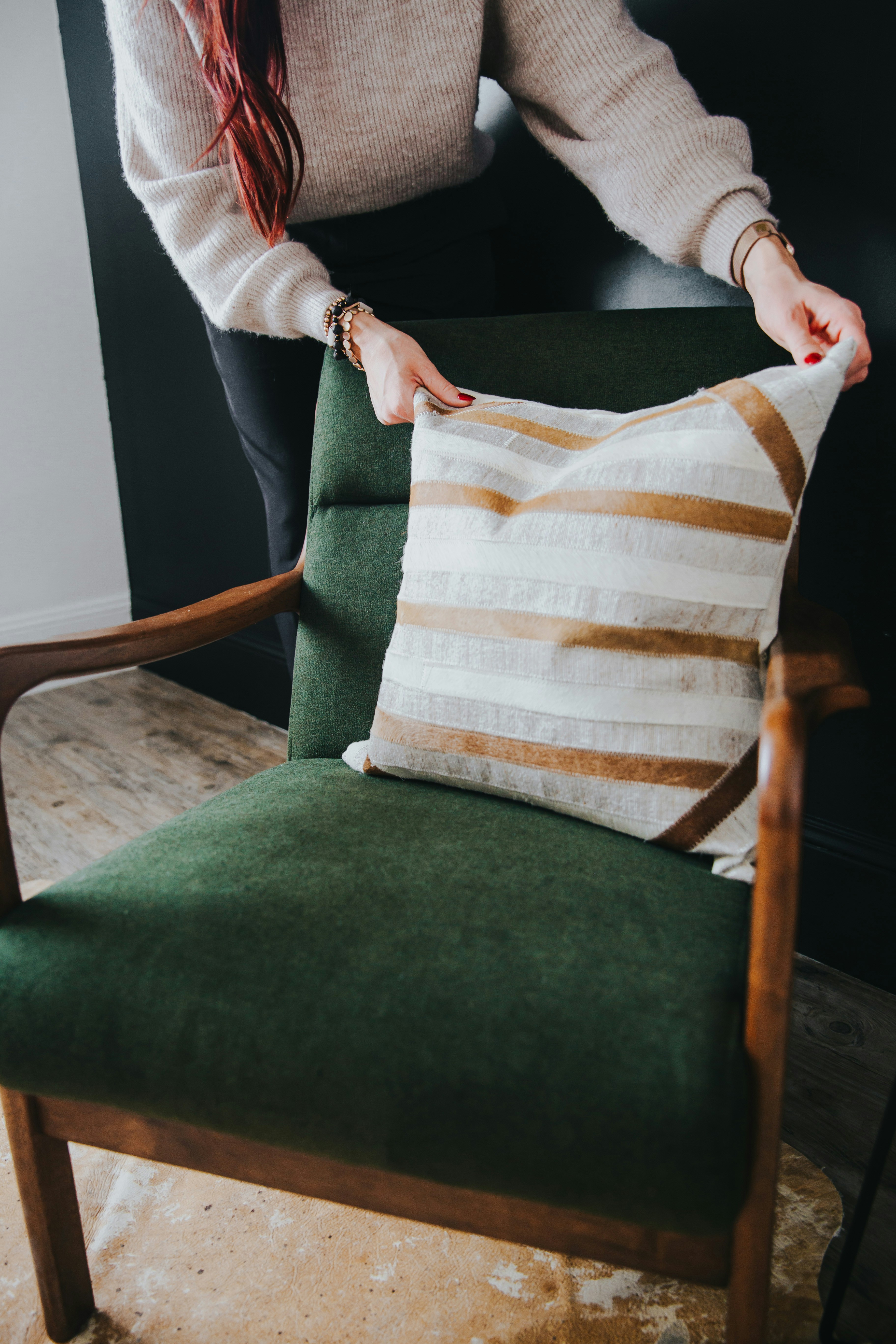
Introduction to DIY Furniture Decoration
DIY furniture decoration has gained immense popularity as a means to transform living spaces while offering a unique touch of personalization. This creative endeavor empowers individuals to craft their furniture according to their own aesthetic preferences, resulting in a stunning home environment that reflects one’s personality. By engaging in DIY projects, homeowners can not only rejuvenate their spaces but also infuse them with character and charm that mass-produced items often lack.


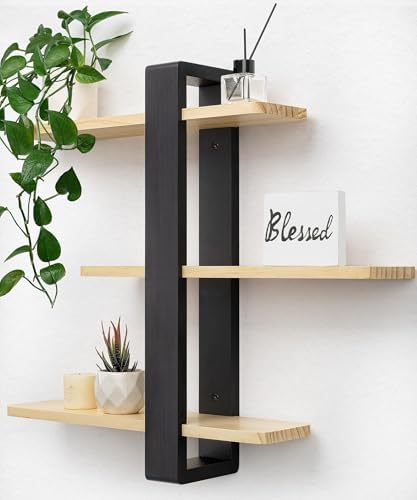
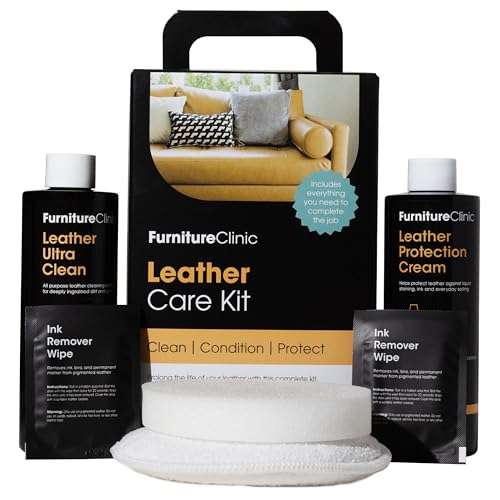
One of the most significant benefits of undertaking DIY furniture decoration is cost-effectiveness. Customized furniture typically comes at a premium price, which can be a substantial barrier for many. However, by opting for do-it-yourself methods, homeowners can use budget-friendly materials and tools to create stunning pieces without breaking the bank. This affordability does not translate to a lack of quality; rather, it encourages innovation and resourcefulness, allowing individuals to build stylish furniture that fits seamlessly into their existing décor.
Moreover, DIY furniture decoration serves as an excellent avenue for creative expression. Individuals can explore various styles, colors, and textures, ensuring that each piece resonates with their personal tastes. This opportunity not only makes the process enjoyable but also allows people to showcase their talents and creativity. Whether it’s a rustic coffee table, a mid-century modern bookshelf, or a chic upholstered chair, the possibilities are endless when one embraces the art of furniture DIY. Additionally, these projects can be undertaken solo or as engaging activities with family and friends, further enhancing the overall experience.
As we delve deeper into the world of DIY furniture decoration, it becomes clear that the furniture within our homes plays a central role in aesthetics and functionality. This blog post aims to inspire readers by highlighting innovative ideas and techniques that can elevate any space, transforming it into a stunning and inviting haven.
Choosing the Right Furniture for DIY Projects
When embarking on DIY furniture decoration projects, selecting the right pieces is crucial for achieving a stunning effect in your home. The first step is to assess your existing furniture. Take a close look at your current pieces to determine which items can be creatively transformed. This may include outdated chairs, tables, or cabinets that, with the right touches, could breathe new life into your space. Identify items that have a solid structure; pieces with good bones can serve as an excellent foundation for your decorative endeavors.
Understanding the materials used in your furniture is another key aspect to consider. Some materials, such as wood and metal, lend themselves well to customization. Wood can be easily sanded, painted, or stained, allowing for a multitude of design possibilities. Metal, on the other hand, can be painted or treated to achieve various finishes, further enhancing its aesthetic appeal. Choosing furniture made from these materials will offer greater flexibility in altering the look of your pieces.
Additionally, consider the overall style and color scheme of your home before diving into any DIY project. Whether your space leans towards a modern, rustic, or eclectic vibe, the furniture you choose should complement the surrounding décor. Take into account the color palette of your existing furnishings as well. Selecting furniture in a compatible color can create a cohesive look, while contrasting colors can offer a bold statement, depending on your vision. By thoughtfully evaluating these factors, you can ensure that the furniture selected for your DIY projects aligns harmoniously with your home’s aesthetic, creating a stunning transformation that enhances the overall ambiance.
Essential Tools and Materials for DIY Furniture Decoration
Engaging in DIY furniture decoration can be a rewarding opportunity for personal creativity, but it requires a set of essential tools and materials to ensure successful outcomes. First and foremost, the right paint is crucial. A high-quality paint, tailored for furniture, not only enhances the aesthetic of your pieces but also provides durability. When selecting paint, consider chalk paint or acrylics, which are popular for their ease of use and finish. Additionally, having a variety of brushes on hand—including foam brushes, angled brushes, and small detail brushes—will allow for precision work and finesse, especially in intricate designs.
Alongside paint and brushes, a versatile set of tools should be included in your arsenal. A good sanding block is indispensable for preparing surfaces, while a paint roller can expedite larger projects. Moreover, a utility knife is essential for precise cuts when working with materials like contact paper or fabric. A measuring tape is also a must-have, ensuring that your dimensions remain accurate throughout the decoration process.
Specialized items such as stencils can add unique designs to your furniture, enabling you to customize pieces with patterns or lettering. When working on upholstery projects, having staple guns, batting, and upholstery fabric will make reupholstering chairs or cushions more manageable. Additionally, contact paper serves as an excellent option for those looking to refresh surfaces without the commitment of paint. Lastly, don’t forget safety gear; goggles, masks, and gloves are vital in protecting yourself from dust and chemicals.
By equipping yourself with these essential tools and materials, you will be fully prepared to embark on creative DIY furniture projects, transforming your space effectively and efficiently.
Popular DIY Furniture Decoration Techniques
DIY furniture decoration offers a plethora of creative possibilities to enhance the aesthetics of your living space. Among the various popular techniques, upcycling stands out as an eco-friendly option that transforms old, unused furniture into stylish, functional pieces. By giving new life to these items, you not only reduce waste but also create unique furnishings that reflect your personal style. For example, an old wooden dresser can be sanded down and painted, turning it into a stunning statement piece.
Another widely embraced method is painting, which allows for significant changes in color and texture. Whether you opt for a bold hue or a subtle pastel, paint can revitalize any piece of furniture. When selecting paint, consider the surface material; chalk paint and spray paint are particularly effective on wood and metal surfaces, while fabric-friendly options are preferable for upholstered items.
Decoupage is also a popular technique that involves adhering paper cutouts or fabric onto furniture to create intriguing designs. This method is versatile and can easily be adapted to any style, making it suitable for everything from coffee tables to cabinets. It allows for the incorporation of personal themes or patterns that resonate with your decor.
Reupholstering is an effective way to refresh upholstered furniture. It involves removing the old fabric and replacing it with new material, which can significantly alter the look and feel of a chair or sofa. Consider using fabrics that complement your home’s color scheme while providing durability.
Lastly, stenciling offers a simple yet impactful way to add patterns or designs to furniture. This technique works well on surfaces like tabletops and cabinets. Choose stencils that align with your style, whether modern or vintage, to achieve the desired effect. Utilizing these techniques can help create a stunning home environment that reflects individuality through your furniture choices.
Step-by-Step DIY Furniture Project Ideas
Transforming your home through DIY furniture projects is both rewarding and cost-effective. Engaging in these activities not only revitalizes old furniture pieces but also allows for unique personalization to fit your decor style. Below are several detailed project ideas that can help you create stunning elements for your living space.
One popular project is to convert an old dresser into a chic storage unit. Begin by removing the old hardware and giving the dresser a thorough cleaning. Next, sand down the surfaces to ensure optimal paint adhesion. Choose a color palette that aligns with your home’s aesthetic, and apply a primer before painting the entire dresser. After the paint dries, you can reattach the hardware or replace it with more modern options for an updated look.
Another creative idea is crafting a unique coffee table using paint and stencils. Start with a basic wooden coffee table. After sanding and priming the surface, choose a bold paint color that complements your room. Once the base coat is dry, use stencils to create intricate patterns or designs, adding personal flair to the piece. Seal the table with a clear coat to maintain durability and protect it from wear.
Lastly, updating dining chairs with new fabrics can dramatically change the feel of your dining area. Start by removing the existing upholstery from the chairs. Choose a fabric that suits your style and cut it to size, ensuring that you have enough material to wrap around the chair cushions. Secure the new fabric using a staple gun, pulling it tight for a smooth finish. This simple update lends a fresh, inviting look to your dining space.
Implementing these DIY furniture projects can significantly enhance your home’s ambiance, providing not just practicality but also reflection of your creativity.
Incorporating DIY Projects into Your Home Decor Theme
Integrating DIY projects into your existing home decor can significantly enhance the aesthetic appeal of your space. To achieve a harmonious look, it is essential to focus on color matching. Start by analyzing your current color palette. Consider the dominant colors present in your home, including furniture, walls, and accessories. When creating your DIY furniture, opt for shades that complement these hues or introduce an accent color that ties the space together. For instance, if your decor features neutral tones, a vibrant piece can serve as a captivating focal point, drawing the eye and energizing the room.
Thematic cohesion is another critical aspect when incorporating DIY furniture pieces. Identify the overall theme of your home, whether it’s rustic, modern, or eclectic. Ensure that your DIY projects reflect this theme; for example, reclaimed wood furniture works beautifully in a rustic setting, while sleek, minimalist designs align perfectly with contemporary decor. Utilizing similar materials and styles will help create a seamless blend between your handmade items and pre-existing elements, elevating your home’s aesthetic and significance.
Showcasing your DIY creations as focal points can also add character to your home. Position these pieces in areas that naturally attract attention, like a living room, a hallway, or near lighting sources. Additionally, consider surrounding them with decor items that complement their design while ensuring they do not overpower the space. Balance is crucial; an eye-catching DIY table may be enhanced by subtle decorative accents like vases, books, or family photographs. When strategically placed, these pieces can create an inviting atmosphere, encouraging guests to admire your craftsmanship.
By focusing on color matching, thematic cohesion, and effective placement, you can successfully incorporate your DIY projects into your home decor, achieving a stunning visual appeal that showcases your personal style.
Maintaining and Caring for DIY Decorated Furniture
Once you have invested time and effort into creating your DIY decorated furniture, it is essential to maintain it properly to ensure longevity and best appearance. Maintenance starts with understanding the materials used in your projects. Different materials may require specific cleaning techniques and protection methods. For example, painted surfaces likely need gentle cleaning solutions, while stained wood may require oils or waxes to restore sheen.
To clean your DIY furniture, always start with a soft, dry cloth to dust surfaces. For more stubborn stains, a damp cloth with a mild detergent will suffice. Avoid harsh chemicals that may strip paint or finish. When dealing with fabric upholstery, vacuum regularly to remove dirt and debris, and treat stains promptly with appropriate cleaning solutions.
Protecting surfaces from wear and tear is crucial. Utilize coasters, placemats, or table covers to prevent scratches and heat damage. For wooden surfaces, apply a protective finish, such as polyurethane or varnish, to create a barrier against moisture and stains. Additionally, consider placing felt pads under objects like vases or lamps to avoid scratches on the furniture itself.
In the event of minor damages such as scratches or chips, it is beneficial to know simple repair techniques. For instance, wood scratches can often be concealed with a walnut or a suitable wood filler. For painted surfaces, touch-ups with a matching paint can restore the original look. Regular maintenance and prompt repairs will enhance the appearance of your DIY furniture and help preserve the unique character that your creative efforts have established.
In conclusion, proper care and maintenance of your DIY decorated furniture are vital to ensure it remains a stunning feature of your home. Through appropriate cleaning techniques, protective measures, and prompt repairs, you can maintain the beauty and functionality of your creations for years to come.
Inspiration from DIY Furniture Decoration Communities
Engaging with DIY furniture decoration communities offers a wealth of inspiration and encouragement for individuals looking to transform their living spaces. The digital age has fostered the emergence of various platforms where enthusiasts can connect, share ideas, and inspire one another. Social media sites, such as Instagram and Pinterest, have become significant resources for finding creative DIY projects, showcasing innovative furniture decoration techniques, and understanding current trends. By following established DIY influencers or tapping into trending hashtags, individuals can easily access a trove of ideas that can spark their creativity.
Moreover, interactive online platforms, such as Facebook groups and dedicated forums, facilitate discussions among like-minded individuals. Here, DIY enthusiasts can seek feedback on their projects, ask for advice, and share completed works. These communities often host “before and after” posts that can serve as powerful motivation to embark on personal projects. This sharing of experiences not only fosters a sense of camaraderie but also encourages participants to push their own boundaries and explore different styles of furniture decoration.
Additionally, participating in local workshops and classes can greatly enhance one’s skills in DIY furniture decoration. These hands-on settings provide invaluable opportunities for learning from experienced artisans while also meeting others who share a passion for this creative pursuit. Local craft fairs and community centers may frequently host events that allow individuals to experiment with various techniques, from painting techniques to upcycling old furniture pieces. Such experiences enhance practical skills, build confidence, and deepen the sense of community, making the process of DIY furniture decoration not only rewarding but also enriching.
In conclusion, immersing oneself in DIY furniture decoration communities—both online and locally—can significantly elevate one’s creative journey. The exchange of ideas and collaboration within these networks encourages more personalized and thoughtful approaches to transforming one’s space.
Conclusion: Embrace Your Creativity with DIY Furniture Decoration
The journey through DIY furniture decoration offers an exciting opportunity to not only enhance your living space but also to express your unique personality and creativity. Throughout this blog post, we have explored various ideas and techniques that empower homeowners to transform ordinary furniture into extraordinary pieces. From upcycling old items to adding personal touches through paint and fabric, every project presents a canvas for individual expression. Each method discussed highlights the versatility and potential of furniture customization, allowing you to reflect your style while improving your home’s aesthetic appeal.
Embracing DIY furniture decoration also enables you to create functional, yet visually appealing items that serve both practical and decorative purposes. This creative endeavor fosters a sense of accomplishment and connection to your space as you invest time and effort in personalizing your furniture. Whether you choose to paint a vintage dresser, recover an old chair, or craft unique shelving units, the possibilities are virtually limitless. Engaging in these projects not only revitalizes your home but can also be a great source of joy and relaxation.
As you embark on your own DIY journey, we encourage you to document and share your experiences. Engaging with a community of DIY enthusiasts can provide inspiration and encouragement. Each project, regardless of its scale, is an opportunity to learn and grow in your crafting abilities. Remember, the most significant aspect of DIY furniture decoration is that it allows for personal expression – there are no limits to what you can achieve. So gather your supplies, unleash your creativity, and take on the rewarding challenge of making your furniture truly yours!