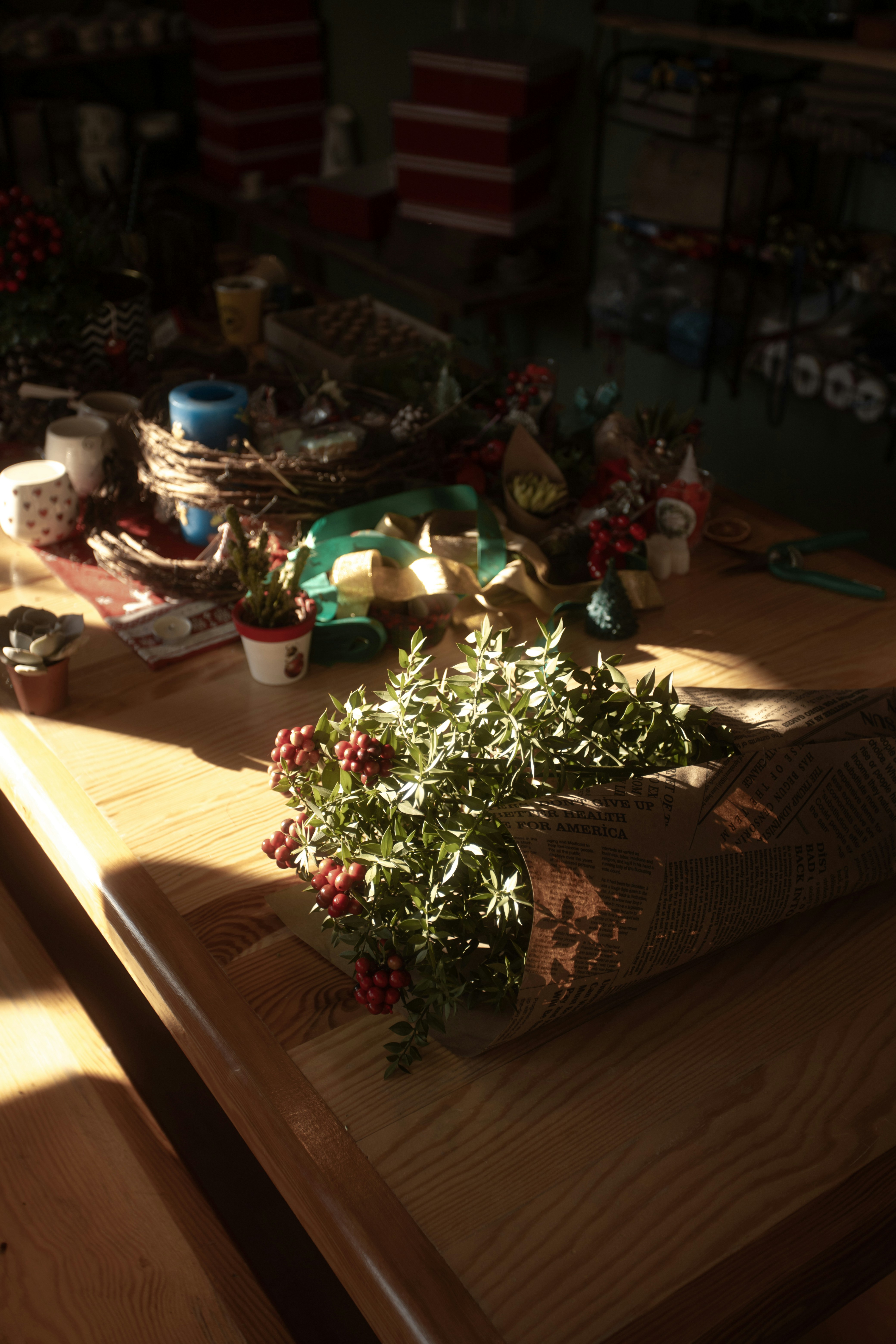
Introduction to DIY Furniture Decoration
DIY furniture decoration has emerged as a favored trend among homeowners and enthusiasts, as it empowers individuals to personalize their living spaces while enhancing their creativity. This practice involves the transformation of existing furniture pieces through various methods, including painting, reupholstering, and embellishing, allowing for a distinct touch tailored to one’s taste. The growing popularity of DIY furniture decoration can be attributed to several factors, including cost-effectiveness, self-expression, and the joy derived from crafting something unique.
One of the most significant advantages of engaging in DIY projects is the potential for substantial cost savings. By opting to decorate existing furniture rather than purchasing new items, individuals can allocate their budgets more efficiently. Moreover, the available resources for DIY tasks, such as online tutorials, blogs, and videos, provide ample guidance, making the process accessible to people with varying skill levels. As a result, many find themselves reinvigorated by the challenge of upgrading their furniture without incurring exorbitant expenses.
The act of personalizing furniture also serves as a powerful avenue for creative expression. Each project presents an opportunity to showcase individual style, whether through the choice of color schemes, textures, or techniques employed. This process can be incredibly fulfilling, as it allows for the creation of pieces that reflect one’s personality and preferences, resulting in a more harmonious living environment.
Additionally, sharing DIY projects on social media platforms and personal blogs plays a crucial role in fostering a community around furniture decoration. Such platforms not only inspire others to embark on their own projects but also facilitate the exchange of ideas and techniques. This collaborative spirit enhances the overall DIY experience and encourages individuals to innovate and attempt new designs. Overall, DIY furniture decoration stands as a testament to the creativity and resourcefulness of individuals seeking to transform their living spaces.
Getting Started: Tools and Materials You Need
Embarking on a DIY furniture decoration project requires a selection of essential tools and materials that will enable you to effectively bring your vision to life. The first step is to gather basic tools, as they form the foundation for any project. A set of paintbrushes in various sizes will be crucial for applying paint or varnish. Each brush serves a specific purpose, such as details, broad strokes, or hard-to-reach areas. Sandpaper is another vital tool; it prepares surfaces for painting or staining by creating a smooth finish, which is essential for achieving professional-looking results.
Glue is also indispensable when it comes to securing components together, especially in projects involving wood or fabric. Depending on your specific needs, various types of glue, such as wood glue or fabric adhesive, may be required. Additionally, a staple gun is useful for recovering upholstered furniture, allowing you to attach new fabrics securely. For a variety of finishing touches, spray paint can offer an even coat, transforming your furniture into a striking focal point with minimal effort.
When selecting materials, it is important to consider the intended use of the furniture. For fabric projects, choose durable materials that can withstand wear and tear, such as canvas or upholstery fabric. If you plan to refresh wooden furniture, make sure to select high-quality wood stain or paint that complements your decor style. Decorative elements like decals can substantially enhance your design and allow for personalization, so choose these carefully to align with your overall vision. By combining the right tools and materials, you pave the way for a successful and satisfying DIY furniture decoration experience.
Choosing the Right Furniture for Your Projects
When embarking on a DIY furniture decoration project, selecting the right pieces is crucial. The ideal furniture should not only be functional but also lend itself well to creative enhancements. Some of the best types of furniture for DIY projects include chairs, tables, and cabinets. These items often provide ample surface areas and structural integrity, making them more suitable for personalization.
Chairs, for instance, can be updated with fresh upholstery or painted in vibrant colors, giving them a new life while maintaining their original character. Tables can be used as a canvas for intricate designs or repurposed into unique statement pieces. Meanwhile, cabinets allow for immense customization, from repainting to adding decorative hardware, which can drastically alter their appearance and functionality.
For those considering second-hand furniture, it is essential to assess their condition carefully. Look for pieces that have sturdy frames, minimal structural damage, and surfaces that can be easily refinished. Minor scratches or dents can often be repaired, and these imperfections can add charm to the final product. Pay attention to materials; solid wood items tend to be more durable and can withstand extensive alterations, while particleboard may not hold up well to intensive DIY efforts.
Visualizing potential transformations is another critical aspect of choosing the right furniture for decoration projects. Utilize resources such as mood boards or design software to conceptualize the style and color scheme of your intended project. This approach allows you to map out your ideas before implementation, ensuring a cohesive final result. By carefully selecting furniture pieces and being mindful of their condition and potential, your DIY ventures can flourish into beautiful, personalized projects that enhance your living space.
Exploring Creative DIY Techniques
Transforming furniture into unique pieces that reflect personal style can be an enriching experience, and several creative DIY techniques can help accomplish this. Among the most popular methods are painting, staining, decoupage, and upholstery. Each of these techniques provides distinct advantages and results, enabling individuals to achieve their desired aesthetic, whether vintage, modern, or eclectic.
Painting is perhaps the most straightforward method and allows for a broad spectrum of colors and finishes. It can instantly refresh a tired piece of furniture, altering its mood and appearance. For instance, a simple coat of chalk paint can evoke a rustic farmhouse vibe, while high-gloss paint can lend a contemporary feel. Additionally, stenciling or freehand designs onto furniture enhances individual creativity and can become a focal point within a room.
Staining offers an alternative for those who appreciate the natural beauty of wood. By enhancing the grain, staining can elevate the look of furniture without obscuring its material characteristics. It is essential to choose a suitable stain that complements the surrounding decor. Applied correctly, this technique adds depth and richness to any wooden piece, such as a dining table or a bookshelf.
Decoupage adds an artistic flair through the application of paper cutouts or decorative elements. This technique can transform ordinary furniture into stunning works of art. For example, using fabric scraps or wallpaper samples can personalize a chest of drawers or a side table, making these pieces truly one-of-a-kind.
Lastly, upholstery enables individuals to breathe new life into outdated furniture. Changing the fabric on a chair or couch can dramatically impact a room’s ambiance. Experimenting with different textures, patterns, and colors can result in a sophisticated or playful design that reflects the owner’s taste.
Ultimately, engaging in these DIY techniques not only enhances furniture but also offers an opportunity for self-expression. Finding a personal style through experimentation encourages creativity and can lead to remarkable transformations.
Step-by-Step Guide to a DIY Project
Embarking on a DIY furniture decoration project can be both rewarding and enjoyable. As a practical example, we will focus on upcycling a small wooden table, a project that is not only simple but also enhances your living space. Before you begin, ensure you allocate sufficient time for completion to avoid rush and stress.
Preparation: Start by choosing a suitable workspace that is well-ventilated and free of clutter. Protect the work surface with a drop cloth or newspaper to catch any spills or drips. Prior to starting, gather all necessary materials, which include sandpaper, primer, paint, a paintbrush, and a clear sealant to protect the finish. Additionally, wear gloves and a mask for safety during the sanding and painting processes.
Instructions: Begin by cleaning the table thoroughly to remove dust and grease. Next, use sandpaper to smooth the surface, ensuring you are removing any old paint or varnish. Once the surface is prepped, apply a coat of primer to enhance paint adhesion. After the primer dries, choose your desired paint color and apply at least two coats, allowing adequate drying time between applications. For best results, use a quality paintbrush to achieve an even finish.
Once the final coat of paint is dry, apply a clear sealant to protect the table from wear and tear. This final step not only enhances durability but also gives your upcycled piece a polished look. Allow the sealant to cure completely before using the table.
Pro Tips: For added flair, consider stenciling or adding decorative knobs to personalize your upcycled table further. Also, experimenting with different paint finishes, such as matte or gloss, can enhance the overall aesthetic. Upcycling furniture not only transforms your space but also promotes sustainability, making it a fulfilling endeavor.
Showcasing Your Work: How to Share Your DIY Projects
Sharing your completed DIY furniture decoration projects online can significantly enhance your creative reach and inspire others. An effective showcase begins with selecting the right platform for your audience. Social media channels like Instagram and Pinterest are ideal for visually appealing projects, while personal blogs offer a more extensive narrative space. Each platform has its unique attributes, so it is essential to tailor your presentation accordingly.
When it comes to photography, high-quality images are crucial. Utilize natural lighting and maintain a clean backdrop to highlight your DIY creations. Capture various angles and include close-ups of intricate details and unique finishes. Not only should the final piece be prominently displayed, but including process shots can illustrate the transformation and provide valuable insights to your audience. This storytelling aspect engages viewers and allows them to appreciate the effort and skill involved in your DIY projects.
Writing engaging captions is another significant component of sharing your work. Be descriptive yet concise, allowing your audience to connect emotionally to your projects. Consider detailing the inspiration behind each piece, the materials used, and the techniques applied. Such information not only enriches the viewer’s experience but also establishes your expertise and passion in furniture decoration.
Hashtags are a powerful tool for increasing visibility. Utilize a mix of popular and niche hashtags related to DIY furniture decoration, which can help you reach a broader audience. Research trending hashtags in your area of interest and incorporate them thoughtfully into your posts to enhance discoverability.
In summary, showcasing your DIY projects effectively through high-quality imagery, engaging captions, and strategic hashtag use can amplify your creative presence online, encouraging others to embark on their own DIY journeys.
Building a Community: Connecting with Other DIY Enthusiasts
Engaging with other DIY enthusiasts can significantly enhance your furniture decoration projects. The rise of online platforms has made it easier than ever for individuals with a shared passion for DIY to connect, collaborate, and inspire one another. Joining online communities, forums, and social media groups dedicated to DIY furniture decoration offers a multitude of benefits that can contribute to personal growth and skill enhancement.
One of the primary advantages of being part of such communities is the opportunity for collaboration. When you interact with fellow DIYers, you can exchange ideas, share techniques, and explore innovative approaches to furniture decoration. Collaboration often leads to the discovery of unique methods that may have otherwise remained unexplored. By pooling resources and skills, members can create more impressive and intricate projects, improving the overall quality of their DIY endeavors.
Moreover, receiving feedback from other enthusiasts can be invaluable. Constructive criticism allows individuals to refine their techniques and enhance their craftsmanship. Participating in discussions, posting your projects for review, and asking for guidance can help uncover blind spots in your work, leading to growth and improvement in your DIY skills.
Support is another great benefit of connecting with other DIY enthusiasts. The journey of transforming furniture can sometimes be daunting, and having a community to lean on can make all the difference. Whether you encounter challenges or experience setbacks, sharing your journey with others who understand the process fosters encouragement and motivation. This support system can help keep you engaged and inspired, even during difficult stages of your DIY projects.
In summary, connecting with other DIY enthusiasts through online communities, forums, and social media groups can greatly enhance your furniture decoration experience. The opportunity to collaborate, receive feedback, and find support creates a rich environment for growth, making every project not just an individual endeavor but a communal celebration of creativity and craftsmanship.
Inspiration: Real-Life DIY Furniture Projects
The world of DIY furniture decoration is vast and filled with innovative projects that demonstrate the beauty of personal creativity. Many individuals and creators take on the challenge of transforming their spaces through hands-on furniture projects that reflect their unique style and vision. This section highlights a selection of inspiring DIY furniture creations, showcasing the incredible results that can be achieved with a little imagination and effort.
One standout project is the upcycle of an old wooden dresser into a modern masterpiece. With a fresh coat of paint and new hardware, the creator managed to breathe new life into the piece, making it both functional and aesthetically pleasing. This project’s before-and-after visuals serve as a testament to the potential that lies within refurbished furniture. You can explore the detailed process and materials used by visiting the original source here.
Another inspiring example is the transformation of simple pallets into a sophisticated coffee table. Utilizing reclaimed wood not only highlights environmental awareness but also allows for endless customization options. The creator shared their step-by-step guide, showing how with some sanding and stain, a basic pallet can become a chic focal point for any living room. For a complete guide on this project, check the link here.
Moreover, a collection of vintage chairs was converted into a vibrant seating area by altering colors and upholstery choices. The creator’s journey of selecting fabrics and coordinating colors is detailed in their blog, showcasing how personal taste can result in a cohesive design approach. For further exploration of this colorful project, follow this link here.
These projects exemplify the diverse styles and techniques available in DIY furniture decoration. They serve as powerful reminders that with creativity, anyone can transform their space into a personalized haven. The stories behind each project highlight the journey of creation and the fantastic outcomes that can emerge from a DIY initiative.
Conclusion: The Joy of DIY Furniture Decoration
Engaging in DIY furniture decoration does not merely serve the purpose of beautifying one’s living space; it cultivates a profound personal connection between the individual and their environment. As one immerses themselves in the creative process, the act of decorating becomes a reflection of personal style and tastes, showcasing unique qualities that store-bought furniture often lacks. This opportunity to express oneself through decor fosters a sense of pride and accomplishment that is both fulfilling and rewarding.
Moreover, DIY projects empower individuals by allowing them to reclaim their spaces. Through materials and techniques that resonate with their personal aesthetics, anyone can transform ordinary furniture into extraordinary pieces that tell their story. Whether it’s painting an old table to revive its charm or reupholstering a chair to match one’s color palette, each project symbolizes the builder’s vision and desire for a customized environment. This personalization enhances the livability of a space while creating an enjoyable backdrop for everyday life.
The process of DIY furniture decoration also encourages creativity and innovation. As individuals experiment with various styles and techniques, they develop a unique approach to design that combines traditional concepts with modern ideas. The result is a home that not only reflects the owner’s personality but also evolves with their changing tastes over time. This adaptability further reinforces the joy of the journey, as every project contributes to an individualized narrative entwined with memories and experiences, solidifying the emotional connection to the space.
In conclusion, embarking on DIY furniture decoration is a gratifying journey that enhances both the aesthetic appeal of a home and the satisfaction of personal expression. By undertaking these projects, one can truly transform their space into a reflection of who they are, ultimately encouraging others to join in and explore their own creative potential.