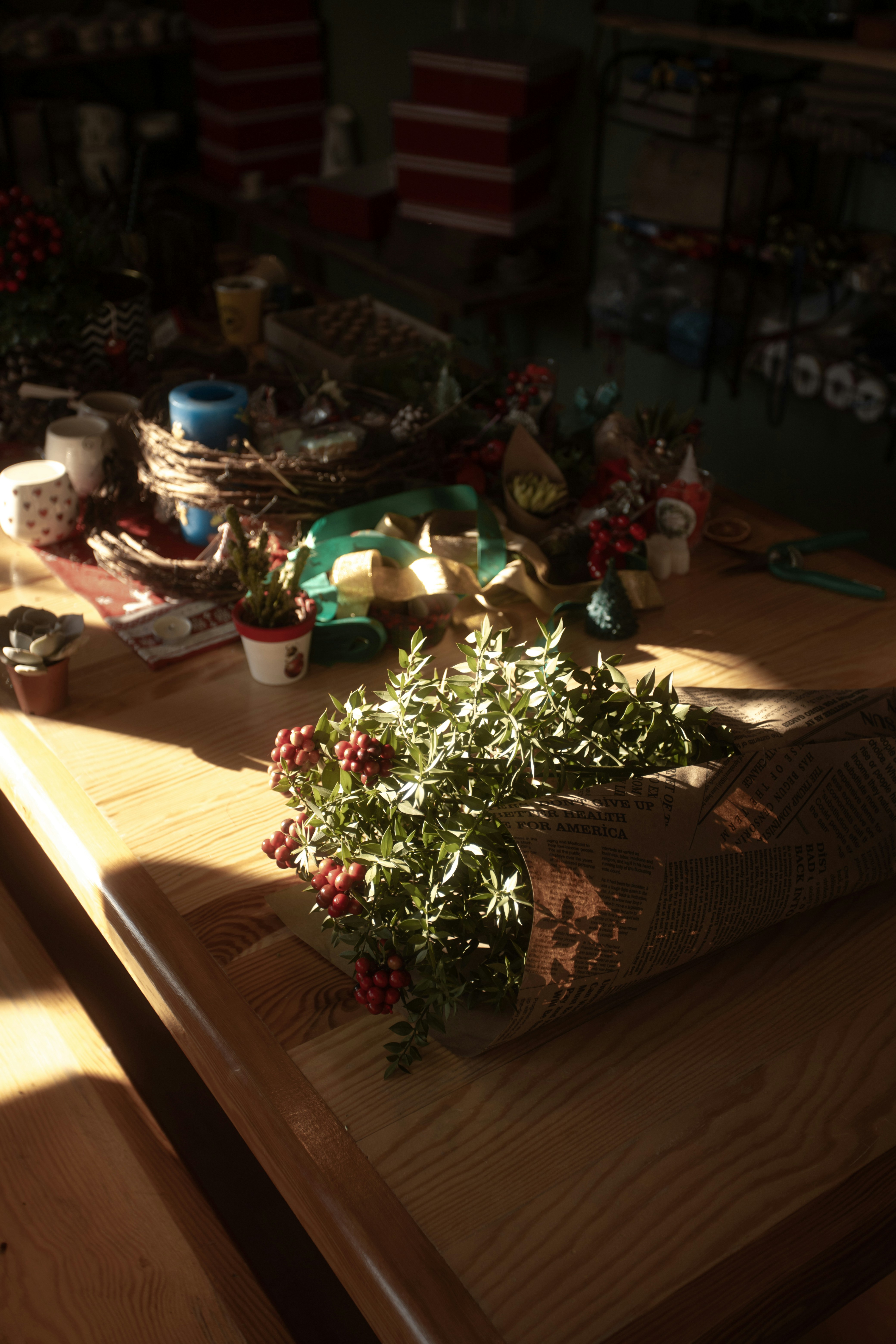
Introduction to DIY Furniture Decoration
In recent years, DIY furniture decoration has captured the attention of homeowners and design enthusiasts alike, becoming a popular trend in the realm of home improvement. This rising interest can be attributed to several factors, including the desire for personalized living spaces, the potential for significant cost savings, and the opportunity to express creativity through hands-on projects. Engaging in DIY furniture decoration allows individuals to transform their homes in a unique way that reflects their personal style, making it an appealing option for many.
One of the primary advantages of undertaking DIY projects is the financial benefit. Purchasing new furniture can be prohibitively expensive, especially for those seeking custom or high-quality pieces. By choosing to decorate existing furniture, individuals can save a considerable amount of money while still achieving a revitalized look. Moreover, DIY projects often require minimal investment in terms of materials and tools, which can further enhance the cost-effectiveness of this approach.
In addition to financial savings, DIY furniture decoration fosters creativity and innovation. Homeowners can experiment with various techniques, such as painting, reupholstering, or distressing, to reimagine their beloved pieces. This hands-on process not only allows for customization but also encourages individuals to envision their spaces through a fresh lens. The satisfaction derived from completing a project and seeing the final results instills a profound sense of accomplishment that often surpasses the joy of acquiring new items.
Furthermore, engaging in DIY projects aligns well with eco-friendly practices. By updating and repurposing old furniture, homeowners can reduce waste, minimizing their environmental footprint. This mindful approach not only enhances living spaces but also contributes to sustainable living, making DIY furniture decoration a thoughtful choice for those looking to enhance their homes while being kind to the planet.
Essential Tools and Materials for DIY Projects
Embarking on a DIY furniture decoration project requires not only creativity but also a range of essential tools and materials. Understanding what you need before you start can make the process more efficient and enjoyable. Below is a comprehensive list of items that every DIY enthusiast should consider.
First and foremost, basic woodworking tools are fundamental. A reliable saw, such as a circular saw or miter saw, is essential for cutting wood pieces to the desired size. A power drill is also indispensable, as it is used for making holes and driving screws into materials. For precise crafting, a measuring tape and square will help ensure accuracy in your dimensions. Sandpaper or an electric sander can smooth out rough edges and prepare surfaces for finishing, which is crucial for achieving a professional look.
Painting supplies constitute another critical category. High-quality paint brushes and rollers are vital for applying paint evenly, while painter’s tape assists in creating clean lines and preventing smudges. If you plan on using spray paint, a spray can handle will improve control and coverage. Don’t forget to invest in protective gear such as gloves and masks to ensure safety while painting.
In addition to these tools, specialized items may be necessary depending on your specific project. For upholstery work, a staple gun is essential for securing fabric, along with upholstery foam and fabric of your choice. If your project involves refinishing wooden furniture, consider wood stains, varnishes, and brushes for a professional finish. Tack cloths are also important for eliminating dust particles before the final coat is applied.
Ultimately, having a well-equipped toolbox and the right materials at your disposal will pave the way for successful DIY furniture decoration. By familiarizing yourself with these essential tools and their purposes, you can streamline your efforts and achieve remarkable results in your creative endeavors.
Finding Inspiration: Where to Look for Ideas
When embarking on DIY furniture decoration projects, the first step is often about seeking inspiration. There are numerous sources where individuals can draw creative ideas to enhance their spaces. One popular resource is home improvement television shows, which often feature engaging transformations and practical tips. Programs dedicated to home makeovers present innovative concepts while showcasing the potential of various styles and techniques.
Additionally, the internet offers a wealth of information through interior design websites that curate extensive galleries and articles. These online platforms often highlight must-have trends and provide guidance on color schemes, materials, and furniture arrangements. Visiting such websites can spark creativity and present options that align with personal tastes.
Social media platforms, particularly Pinterest and Instagram, have become vital in the quest for inspiration. Pinterest, with its user-generated boards, allows individuals to save and organize their favorite ideas conveniently. Users can explore countless DIY projects, from minor decorative changes to substantial renovations, thus offering an expansive pool of concepts to draw from. Similarly, Instagram provides a visual feast for those seeking inspiration, showcasing influencers and designers who continuously curate innovative furniture styling. Following industry leaders and engaging with their content can also facilitate the discovery of fresh ideas.
Moreover, tapping into DIY-specific communities and blogs can be extremely beneficial. These sources provide relatable experiences, practical advice, and a sense of community. Engaging with such platforms fosters interaction and encourages the exchange of ideas, ultimately enabling individuals to adapt various concepts to fit their unique styles and spaces. By synthesizing inspiration from these diverse resources, one can develop a personalized approach that reflects both individual creativity and functional design.
Planning Your DIY Project: Steps to Follow
Embarking on a DIY furniture decoration project requires careful planning to ensure successful execution and satisfaction upon completion. The first step in this process is to assess the furniture pieces you intend to decorate. Examine their current condition, design, and suitability for the intended aesthetic. This evaluation will help you identify any repairs that might be necessary before proceeding with decoration. Consider the functionality of each piece and how its new look will impact its usability.
Once you have assessed your furniture, the next crucial step is to set a budget. Determine how much you are willing to spend on materials such as paint, stains, hardware, and other decorative elements. Including a contingency fund within your budget is advisable, as unforeseen expenses can arise during the project. This proactive financial planning will help you avoid frustrations related to overspending or incomplete projects due to budget constraints.
Creating a timeline is another essential component of effective project planning. Outline the estimated amount of time needed to complete each phase of your furniture decoration. This may include preparation work, actual application of decorative elements, and drying or curing time. Allocating specific days for each task will provide structure and accountability, helping you stay on track throughout the project.
Lastly, outline the necessary steps for the execution of your plan. This can include gathering tools and supplies, setting up a designated workspace, and scheduling time for the completion of each task. By having a clear roadmap, you will navigate the project more easily, mitigating potential roadblocks. A well-structured plan not only enhances your efficiency but also promotes enjoyment, transforming what could be a daunting undertaking into a rewarding experience.
Techniques for DIY Furniture Decoration
DIY furniture decoration presents a wonderful opportunity to revitalize older pieces or customize new acquisitions, allowing for a personal touch in any interior space. This section outlines several effective techniques to enhance your furniture creatively.
One of the most popular methods is painting. Begin by selecting a high-quality primer suited for your furniture material, be it wood, metal, or plastic. After priming, choose your desired paint—a chalk, latex, or spray paint works best depending on the finish you seek. Apply multiple thin layers, allowing proper drying time between coats to achieve a smooth and professional look. Additionally, consider using stencils or painter’s tape to create unique patterns or designs that reflect your individual style.
Staining is another excellent technique, especially for wooden furniture. It allows the grain of the wood to show through while adding richness to its color. Prepare the surface by sanding it lightly and wiping it clean. Apply the stain with a brush or rag, following the wood grain, and allow it to sit for several minutes to absorb before wiping off the excess. For added protection, finish with a clear sealant.
Decoupage is a versatile technique that involves adhering decorative paper or fabric to furniture surfaces. Cut out chosen designs and use decoupage glue or Mod Podge to affix them onto the furniture. Finish with additional layers of glue to seal and protect the surface, ensuring durability. This method allows for a wide range of creative expressions.
Reupholstering is ideal for updating upholstered pieces, allowing for new fabric that matches current décor. Carefully remove the old fabric, replace any worn cushioning, and staple the new material tightly across the surface for a refreshed appearance. Lastly, distressing involves creating an aged or vintage look through techniques like sanding or using specialized paints. This can give new furniture character and an inviting charm.
These techniques can be used in isolation or combined to achieve unique outcomes. Embrace experimentation; the key to successful DIY furniture decoration lies in your creativity and willingness to try different approaches.
Safety Tips for DIY Projects
Engaging in DIY furniture decoration can be an enjoyable and rewarding experience. However, prioritizing safety is crucial to ensure a positive outcome. One of the fundamental safety precautions to consider is wearing appropriate protective eyewear. Safety glasses or goggles serve as a barrier against dust, debris, and potential flying objects that may cause eye injuries during various stages of a project.
Additionally, working in a well-ventilated area is essential when handling certain materials and chemicals, especially paints, adhesives, or stains that may emit harmful fumes. Proper ventilation helps to minimize the concentration of these substances in the air, significantly reducing health risks associated with prolonged exposure. It is advisable to open windows, use fans, or, if available, work outside to ensure adequate airflow.
Safe handling practices for tools and materials are equally important. Always read the instructions provided with tools and equipment before use, making sure to operate them familiarizing yourself with their functions. Keeping tools in good condition and storing them safely when not in use can prevent accidents. It is also essential to use tools as intended; for example, avoiding makeshift uses that could lead to injury.
In case of mishaps, having a well-stocked first aid kit nearby is recommended. This kit should contain essential items such as bandages, antiseptic wipes, and gauze to address minor injuries promptly. Knowing basic first aid techniques can also be invaluable in the event of an injury. Furthermore, it is prudent to have a plan in place for emergency situations, including knowing the location of the nearest medical facility and having contacts readily available.
By following these safety tips, you can minimize risks and ensure that your DIY furniture decoration projects are both enjoyable and safe.
Showcasing Your Finished Projects: Photography Tips
Once you have completed your DIY furniture decoration, capturing the beauty of your work through photography is an essential step in sharing your creativity. Effective photography can highlight the details and craftsmanship of your projects, making them more appealing to your audience. Below are some practical tips to help you take beautiful photos that showcase your finished furniture decor.
Lighting plays a crucial role in photography. Natural light is often the best choice for illuminating your projects, as it offers a soft and even light that brings out the true colors of your furniture. Aim to photograph your completed pieces during the golden hours, shortly after sunrise or before sunset, when the light is warm and flattering. If natural light is limited, you can use diffused artificial lights to avoid harsh shadows, providing a clear view of your work.
Styling your project is vital for an attractive presentation. Consider the arrangement of surrounding elements, such as fabrics, plants, or decorative items, that complement your furniture. A clutter-free space will benefit the focus on your decoration. Use props that harmonize well with the aesthetics of your finished piece, creating a cohesive scene. Whether you choose a minimalist approach or a more vibrant setup, ensure that the surroundings enhance rather than distract from your furniture.
The background is equally important in making your projects stand out. A plain or softly textured backdrop can often be the best choice, as it doesn’t compete for attention. Neutral walls, wooden surfaces, or even outdoor settings can provide context without overwhelming your design. Experiment with various angles and compositions, using different focal lengths to draw attention to your decorative details.
After capturing the essence of your finished projects, consider sharing your photos on social media platforms and DIY communities. Utilize appropriate hashtags to increase visibility and connect with other DIY enthusiasts. Engage with your audience by encouraging feedback and interaction. Photography is a powerful tool not only for celebrating your achievements but also for inspiring others in their DIY journeys.
Maintaining Your DIY Furniture
Proper maintenance is essential to ensure the longevity and visual appeal of your DIY furniture. Taking the time to care for your pieces can make a significant difference in their durability and functionality. Here are several key practices to help you maintain your newly decorated furniture effectively.
First and foremost, regular cleaning is imperative. Use a soft, damp cloth to wipe down surfaces, removing dust and grime that can accumulate over time. For furniture with painted or varnished finishes, it is advisable to use cleaning solutions that are gentle and designed specifically for such surfaces. Avoid abrasive materials, as they can scratch and damage the finish, leading to a diminished appearance and increased wear.
Secondly, consider protecting your furniture from the elements. Excessive sunlight, humidity, and temperature fluctuations can adversely affect the integrity of your DIY creations. Using coasters and placemats can prevent water rings and heat damage, while fabric or leather protectants can guard against stains and wear. If your furniture is placed near windows, consider using sheer curtains to filter sunlight, which will help maintain the finish and color integrity.
Also, addressing minor wear and tear promptly can prevent more significant issues. If you notice scratches or dents, use touch-up paint or a wood filler to mend these imperfections as soon as possible. Regularly inspect joints and hardware to ensure they are secure. Tightening screws or adding reinforcements can prevent further damage, preserving the sturdiness of your furniture.
By following these maintenance guidelines, you can enhance the longevity of your DIY furniture, ensuring that it continues to look its best and serve its purpose effectively over time. This diligence not only honors the effort you put into your projects but also maximizes the enjoyment of your beautifully decorated space.
Conclusion: Embracing Your Creativity
As we conclude this comprehensive guide on DIY furniture decoration, it’s essential to recognize the multifaceted benefits that this practice offers. Engaging in DIY projects not only allows for a personalized touch in your home decor but also serves as an inspiring outlet for creativity. The process of transforming furniture can elevate a simple living space into an extraordinary environment that reflects individual taste and preferences. Whether you’re refinishing an old dresser, repainting a chair, or creating unique artworks to adorn your walls, every project presents a valuable opportunity for expression.
Pursuing DIY furniture decoration cultivates a sense of accomplishment. Each completed project, no matter how small, serves as a testament to your creativity and resourcefulness. By embracing your unique style, you can curate a space that truly feels like home, tailored to your distinctive lifestyle and aesthetic. Moreover, the DIY journey encourages experimentation—allowing for trial and error between design or color choices enhances both your skills and confidence in home decorating.
We invite you to explore countless possibilities within the realm of DIY furniture decoration. Joining the thriving community of fellow DIY enthusiasts not only provides support but also fosters inspiration. As you embark on your creative journey, don’t hesitate to share your projects and experiences with others. By doing so, you enrich the community and may even motivate someone else to unleash their creativity. Remember, each piece of furniture tells a story, and with your personal touch, it can narrate a beautiful tale of individuality and artistry. Celebrate your creativity and continue to explore the endless potential that DIY home decor has to offer.