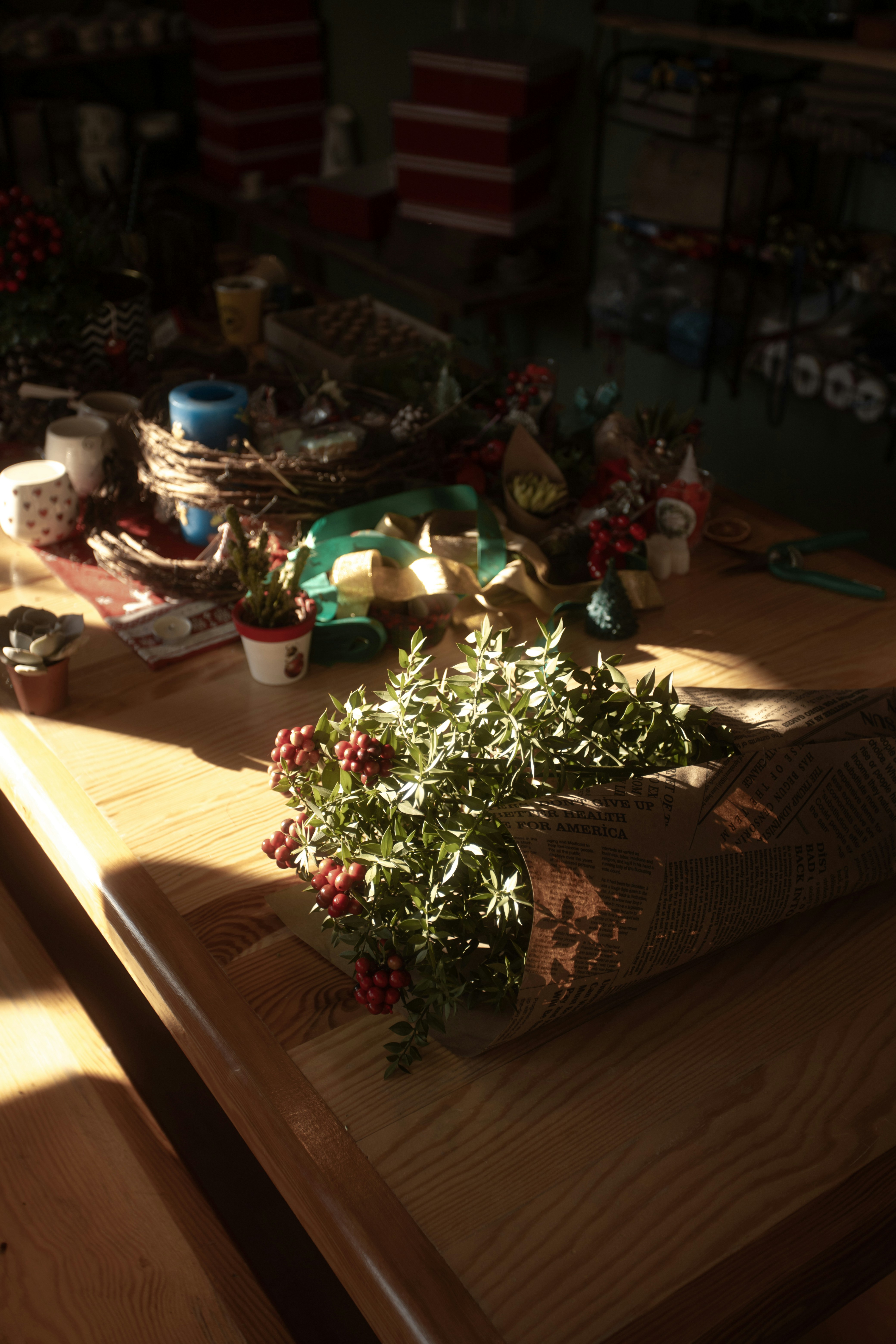
Introduction to DIY Furniture Decoration
DIY furniture decoration has emerged as a significant trend in recent years, appealing to homeowners and design enthusiasts alike. This innovative approach allows individuals to take control of their living spaces by personalizing furniture pieces, thus enhancing both functionality and aesthetic appeal. As the popularity of DIY projects continues to rise, more people are recognizing the advantages of transforming furniture as an opportunity for creative expression.
One of the primary benefits of DIY furniture decoration is its ability to inject a unique character into a home. Rather than relying solely on mass-produced items, homeowners can utilize old or thrifted furniture, reimagining these pieces to fit their individual style. This process of personalization not only creates a cohesive look throughout the home but also allows for adaptations that reflect personal taste and preferences, resulting in a space that truly feels like one’s own.
Additionally, engaging in DIY projects fosters creativity, encouraging individuals to experiment with various techniques, colors, and materials. The hands-on experience of decorating furniture can be deeply fulfilling, serving as a means of self-expression and artistic exploration. Furthermore, this practice often leads to sustainable living practices by promoting the reuse of existing furniture rather than contributing to the ever-increasing waste associated with new purchases. In this way, transforming old pieces into striking new creations can be seen as an environmentally friendly approach to home decor.
Overall, the combination of aesthetic improvement, creative engagement, and sustainable practices establishes DIY furniture decoration as an appealing option for those looking to enhance their living environments. Embracing this trend encourages individuals to rethink their approach to furnishing their homes, turning simple pieces into personalized works of art.
Essential Tools and Materials for DIY Projects
Engaging in DIY furniture decoration requires a well-thought-out collection of tools and materials. While the specific needs may vary based on the project, certain items are fundamental to virtually any undertaking. At the most basic level, paint and brushes are indispensable. Selecting the right type of paint, whether acrylic, chalk, or latex, enhances the durability and aesthetics of furniture pieces. Likewise, quality brushes aid in achieving a smooth finish, minimizing streaks and ensuring even application.
Sandpaper is another critical material, used primarily for smoothing surfaces before painting or staining. It comes in varying grits, from coarse to fine, allowing for tailored finishing. Additionally, adhesives such as wood glue, strong enough to bond furniture parts, are essential for constructing or repairing items. When it comes to assembling furniture, having a reliable staple gun can facilitate the attachment of fabric or securing components quickly and effectively.
Moving on to tools, a good saw is fundamental for any woodwork. Depending on the projects, one may require a hand saw or a power saw for precise cuts. A drill also becomes invaluable, whether for creating holes or driving screws into various materials. For beginners, investing in a multi-tool featuring a variety of functions can save both space and budget while providing versatility.
For budget-conscious DIY enthusiasts, discount home improvement stores and online marketplaces like Craigslist can offer affordable solutions for sourcing materials. Thrift stores and garage sales may also yield unique additives to projects, giving furniture a one-of-a-kind flair. Staying organized and stocking up on essential tools and supplies is crucial for ensuring seamless progression and success in any DIY endeavor.
Choosing the Right Style for Your Furniture
Selecting the ideal style for your furniture decoration is paramount in creating a cohesive and inviting environment. Various decorating styles cater to different tastes and preferences, including rustic, modern, vintage, and bohemian. Each style offers distinct characteristics that influence the overall aesthetic of your space.
Rustic decor is characterized by its use of natural materials, weathered finishes, and a warm, inviting color palette. This style often incorporates wooden elements and handmade items that reflect a connection to nature. If your preference leans toward a cozy, organic feel, consider opting for furniture that embodies these rustic qualities.
In contrast, modern decor features sleek lines, minimalism, and contemporary designs that prioritize functionality. Color schemes in modern spaces are typically neutral, punctuated by bold accents. When contemplating modern furniture decoration, focus on pieces that emphasize simplicity and practicality while ensuring they complement your existing decor.
For those who appreciate nostalgia, vintage style presents an array of furniture options from various eras. Vintage pieces often exhibit unique patterns, textures, and colors that tell a story. When integrating vintage furniture into your home, be mindful of how these pieces harmonize with other decor elements to create a distinctive yet cohesive look.
Lastly, bohemian style is defined by its eclectic mix of colors, patterns, and artistic expressions. Bohemian furniture often incorporates travel-inspired decor and handmade crafts, offering an opportunity for self-expression. To successfully achieve a bohemian aesthetic, consider layering different textures and colors, ensuring the overall design is both inviting and visually stimulating.
Ultimately, harmonizing your furniture decoration with existing home decor requires a thoughtful approach. Identify the style that resonates with you and seek to incorporate elements that reflect your personal taste while complementing the overall design of your space.
Step-by-Step DIY Furniture Projects
Embarking on DIY furniture projects allows for endless creativity and personalization of your living space. This section will guide you through several popular DIY techniques, including painting, reupholstering, and distressing. Each project is designed to be accessible to various skill levels while offering the opportunity to unleash your creative flair.
One of the most straightforward DIY furniture projects involves painting. Begin by selecting a quality paint suitable for the furniture material, be it wood, metal, or laminated surfaces. After ensuring the furniture piece is clean and sanded to enhance adhesion, apply a primer if necessary. It is advisable to use a brush for detailed areas and a roller for larger surfaces. For a classic look, consider applying chalk paint, which provides a matte finish and can be distressed for added character. After letting the paint dry completely, seal the surface with a clear furniture wax or polycrylic finish to protect your work.
Reupholstering is another effective way to rejuvenate furniture and can be done on chairs, sofas, or benches. Start by removing the old fabric and cushioning, taking care to note how the pieces were assembled. Choose a durable fabric that complements your space; popular options include cotton, linen, or polyester blends. Cut the new fabric, allowing extra material to wrap around the edges for stapling. Secure the edges tightly with a staple gun, replacing cushioning as needed to ensure comfort. Completing the reupholstering process gives new life to a vintage piece.
Lastly, distressing techniques add a rustic charm to furniture. This involves intentionally scuffing, sanding, or repainting sections of the furniture to create a weathered look. A combination of water and paint can achieve a wash effect, enhancing the texture. After distressing, seal the piece as you would with painting to preserve your unique style.
Taking on these DIY furniture projects not only enhances your space but also presents the satisfaction of crafting something truly unique to your personality. Each project allows for flexibility, and experimenting with different methods can lead to stunning results.
Tips for Upcycling Old Furniture
Upcycling old furniture is a rewarding endeavor that not only revitalizes your space but also supports sustainable living by reducing waste. The first step in this process is to assess the condition of the furniture piece you intend to upcycle. Begin by examining any structural damage, such as wobbly legs or broken joints, which may require repairs before you can proceed with aesthetic modifications. If the piece is sturdy, you can focus on enhancing its appearance.
Choosing the right project is crucial to ensure you invest your time and resources effectively. Consider your skill level and the tools available to you. For beginners, simpler projects, such as repainting or reupholstering a chair, can be rewarding. More experienced DIY enthusiasts may wish to attempt more complex transformations, such as converting an old dresser into a stylish TV stand or a door into a rustic table. It’s also helpful to gather inspiration from books, online galleries, or social media platforms dedicated to furniture decoration.
Incorporating new techniques can significantly enhance the outcome of your upcycling efforts. Techniques such as decoupage, stenciling, or applying a fresh coat of paint can transform a piece into a customized work of art. Mixing materials, like using metal accents with wood or incorporating fabric into your designs, can modernize an old furniture piece while adding visual interest. Additionally, using sustainable paint and finishes ensures that your project aligns with eco-friendly practices. By clearly defining your project goals and staying creative, upcycling can lead to unique pieces that reflect your personal style while contributing to a more sustainable lifestyle.
Incorporating DIY Decor into Your Living Space
Integrating DIY furniture pieces into your living space allows for a unique expression of personal style while enhancing the overall aesthetic. The key to achieving a harmonious look lies in thoughtful layout and color coordination. Start by considering the layout of your room. The arrangement of furniture should not only facilitate movement but also encourage conversation and interaction. For instance, placing a handcrafted coffee table at the center of a seating area can create a focal point that draws attention. On the other hand, ensuring that larger DIY pieces are positioned strategically against walls can provide balance and avoid overwhelming the space.
Color coordination is equally crucial when incorporating DIY decor. It is advisable to select a color palette that resonates with your overall design theme. For example, if your DIY furniture features a rustic finish, consider complementing it with soft, neutral tones in your walls and textiles to create a warm and inviting ambiance. Accent pieces, such as cushions or rugs, can introduce pops of color that align with the hues of your DIY creations, creating a cohesive design. Furthermore, incorporating different textures alongside your handmade pieces can provide depth and dimension to your space.
Mixing DIY decor with store-bought items can also yield a well-rounded aesthetic. For instance, positioning a handmade bench next to a contemporary store-bought armchair can create an interesting contrast that showcases both styles effectively. Alternatively, consider using DIY elements as accents—such as decorative shelves or wall art—while maintaining larger purchased furniture to establish a foundation for your design. This combination not only highlights the individuality of your DIY projects but also ensures that your living space remains functional and stylish.
Maintenance and Care for DIY Decorated Furniture
Maintaining and caring for DIY decorated furniture is crucial to ensure its longevity and aesthetic appeal. The first step in this process involves regular cleaning, which helps prevent dust accumulation and stains. For wood surfaces, using a soft, damp cloth can effectively remove dust. It is advisable to avoid abrasive materials that can scratch or ruin the finish. For painted or varnished surfaces, a gentle cleaner specifically formulated for furniture can preserve the integrity of the paint while also providing a clean finish.
When it comes to upholstered furniture, preventing wear and tear is a priority. Regular vacuuming can help eliminate dust and debris that can wear down the fabric. In the event of spills, immediate action is vital. Blot the stain gently with a clean cloth rather than rubbing, as rubbing can spread the stain and damage the fabric. It is recommended to use a fabric-safe cleaner for tougher stains, but always test in an inconspicuous area first to ensure no discoloration occurs.
Additionally, protecting your DIY furniture from direct sunlight can significantly reduce fading and deterioration. Utilizing curtains or UV-blocking window films can help mitigate sun exposure that may adversely affect colors over time. If the furniture is placed in high-traffic areas, using coasters, placemats, or protective pads can help minimize scratches and dents.
Finally, periodic inspections are vital. Look for signs of wear, such as cracks, chips, or loose joints, and address these issues promptly to prevent further damage. Applying a fresh coat of sealant to painted surfaces every few years will enhance protection against the elements. In conclusion, by following these maintenance tips, you can effectively prolong the life of your DIY decorated furniture, ensuring it remains both functional and visually appealing for years to come.
Inspiration From DIY Communities and Resources
In the realm of DIY furniture decoration, inspiration can be found in various forms across numerous platforms. Engaging with online resources and communities not only fosters creativity but also connects individuals with shared interests. Websites such as Pinterest serve as a prevalent hub for DIY enthusiasts, offering a plethora of ideas ranging from upcycling old furniture to crafting entirely new pieces. Users can create their own boards, collect images, and post their projects, enabling a cycle of inspiration that greatly benefits the DIY community.
Social media platforms like Instagram and Facebook also play a significant role in this movement. On Instagram, dedicated hashtags such as #DIYFurniture and #FurnitureMakeover allow users to explore countless creative projects at their fingertips. Additionally, various DIY groups on Facebook serve as forums for sharing ideas, seeking advice, and showcasing completed projects. Participants can ask questions, share experiences, and provide feedback, helping to cultivate a robust support network for those on similar creative journeys.
Video-based platforms like YouTube provide another rich source of inspiration. Numerous content creators specialize in DIY furniture decoration, offering step-by-step tutorials that illustrate various techniques. This visual approach can be particularly beneficial for DIYers seeking to grasp new skills or concepts. Following these creators can lead to discovering innovative ideas and practical advice that enhance one’s ability to transform spaces through furniture decoration.
Furthermore, engaging with local DIY clubs or workshops can offer in-person guidance and camaraderie. Often, these groups organize events that enable participants to learn new techniques and share materials, fostering a collaborative spirit. With these myriad resources available, DIY enthusiasts are encouraged to explore, connect, and thrive in their creative endeavors, ensuring that every project reflects their unique vision.
Conclusion and Final Thoughts
In today’s world, where personal expression and sustainability are increasingly prioritized, DIY furniture decoration offers a uniquely rewarding avenue for both creativity and functionality. By utilizing the skills and tips discussed throughout this guide, you can transform ordinary pieces into remarkable statements that mirror your individual style. Whether you are repurposing thrifted finds or enhancing your existing furniture, this process allows you to breathe new life into your living space.
We have explored a variety of techniques, from painting and upholstery to distressing and decoupage, each aimed at helping you elevate your home decor. Embracing DIY furniture decoration not only encourages resourcefulness but also fosters a sense of accomplishment as you witness your creations come to life. The tools and supplies needed are often minimal, making this approach both accessible and budget-friendly. Moreover, the skills you gain through practice can be applied to countless future projects, further extending the value of your DIY journey.
As you embark on your own DIY furniture decoration adventures, remember that this journey is personal. Each project can reflect your narrative and aesthetics, fostering a welcoming environment that resonates with warmth and individuality. We encourage you to share your successes and challenges with others who may be considering similar projects. Connecting with a community of DIY enthusiasts can provide inspiration, support, and even valuable feedback to refine your techniques.
Ultimately, the process of DIY furniture decoration is about more than just creating beautiful pieces—it’s about crafting a space that feels uniquely yours. So gather your supplies, ignite your creativity, and start this fulfilling journey today!