Budgeting for Your DIY Projects
Creating a budget for your DIY decoration projects is a crucial first step that can set the tone for the entire endeavor. By establishing a clear budget, you can effectively manage your expenses while ensuring that you stay true to your creative vision. One of the essential aspects of budgeting is accurately estimating costs. Begin by listing all potential projects you are considering and research the average costs associated with materials and tools needed for each. Utilize online resources, local home improvement stores, and even forums for insights into pricing.
Next, focus on choosing affordable materials that align with your vision. Many craft suppliers and home improvement stores offer a wide range of options at various price points. Consider repurposed or second-hand items, which can often be found at thrift stores or online marketplaces. Additionally, when considering seasonal sales or promotional discounts can also provide significant savings on materials. Remember, high quality does not always equate to high prices, so explore all available avenues.
Prioritization is another vital component in the budgeting process. Assess which projects are essential and which can be deferred for later. By categorizing DIY ideas based on urgency and significance, you can allocate your budget more efficiently. Additionally, set aside a small contingency fund within your budget to accommodate unforeseen expenses that may arise during the project. To assist in your budgeting journey, consider using a simple budgeting template. This tool can help you track expenses, compare costs, and visualize the financial aspects of your projects, making the entire process manageable and streamlined.
Choosing Your Decoration Style
Transforming your home begins with a clear understanding of your personal decoration style. There are various styles you can choose from, each with its own unique characteristics and appeal. Notable styles include modern, rustic, minimalist, and eclectic, among others. Taking the time to identify the style that resonates with you is crucial for creating a harmonious and inviting atmosphere in your living space.
The modern style is characterized by clean lines, a neutral color palette, and functional furniture. It often utilizes materials such as metal, glass, and wood, creating an elegant yet straightforward environment. If you gravitate toward sleek designs and enjoy an uncluttered look, modern decor may be the perfect fit for you.
On the other hand, rustic decoration embraces warmth and comfort through the use of natural materials and earthy tones. Exposed beams, reclaimed wood, and handcrafted items are common in this style, giving a sense of coziness and connection to nature. If you appreciate a homey feel and enjoy elements that tell a story, consider incorporating rustic elements into your design.
The minimalist style focuses on reducing excess decoration to highlight simplicity. It utilizes a limited color scheme and prioritizes the essentials while eliminating clutter. This approach can help create a tranquil space that promotes mindfulness and relaxation. If you prefer understated elegance, the minimalist approach may appeal to you.
Lastly, the eclectic style allows for a vibrant mix of colors, patterns, and textures. This approach lets you express your creativity and personality through various design elements, making it ideal for those who love to collect unique pieces. By recognizing your preferences and harmonizing these elements with your space, you can curate a home that reflects your individuality and enhances your quality of life.
Evaluating Your Space for DIY Projects
Before embarking on any DIY decoration project, it is essential to evaluate the various spaces within your home to identify potential areas for enhancement. A systematic approach will not only maximize the impact of your efforts but also ensure that your budget is effectively utilized. Start by assessing the size of the rooms, as accurate measurements are crucial in determining what furniture or decorative items will fit seamlessly within a given area. Utilize a measuring tape to capture dimensions, keeping in mind the height, width, and depth of all aspects, including windows and doorways.
Understanding the traffic flow in each room is also vital. Observe how inhabitants and visitors naturally move through the space. This insight can inform where to place furniture and other decorative elements to prevent overcrowding and ensure that pathways remain unobstructed. Ideally, a well-assessed space will provide comfort and functionality while allowing for an aesthetically pleasing arrangement.
Furthermore, consider the existing color schemes, lighting, and architectural features of each room. Evaluating these components can highlight areas in need of upgrading, such as choosing paint colors that complement existing furnishings or maximizing natural light with appropriate window treatments. Envisioning the room’s purpose and determining key functionalities will allow you to prioritize specific DIY projects that align with your vision and budgetary constraints.
Additionally, take note of any underutilized spaces, such as corners or nooks that may benefit from creative solutions. Perhaps a small bookshelf or decorative plant can enhance the visual appeal while serving a practical purpose. By carefully inspecting your home with these factors in mind, you will be well-equipped to undertake low-cost DIY decoration projects that elevate the design and ambiance of every room.
Creative DIY Decoration Ideas
Transforming your home with creative DIY decoration ideas doesn’t have to break the bank. Engaging in do-it-yourself projects can not only enhance the aesthetic of your living space but also provide a sense of accomplishment. Below are several cost-effective decoration ideas that you can implement with minimal investment.
One popular DIY project is creating personalized wall art. Gather some canvas boards, a few acrylic paints, and paintbrushes. Begin by selecting an inspiring color palette. Apply the base colors to the canvas, allowing each layer to dry before adding additional designs. You may consider abstract patterns, geometric shapes, or even nature-inspired motifs. This project is not only economical but also adds a unique personal touch to your decor.
Another effective strategy for home decoration is refurbishing old furniture. For instance, a worn-out wooden chair can be revitalized with a fresh coat of paint and new upholstery. Start by sanding down the chair to remove the old finish. Next, use a primer to ensure that the paint adheres well, followed by a vibrant color of your choice. Once the paint dries, replace the upholstery with a stylish fabric. This transformation can breathe new life into the furniture and enhance your interior aesthetic.
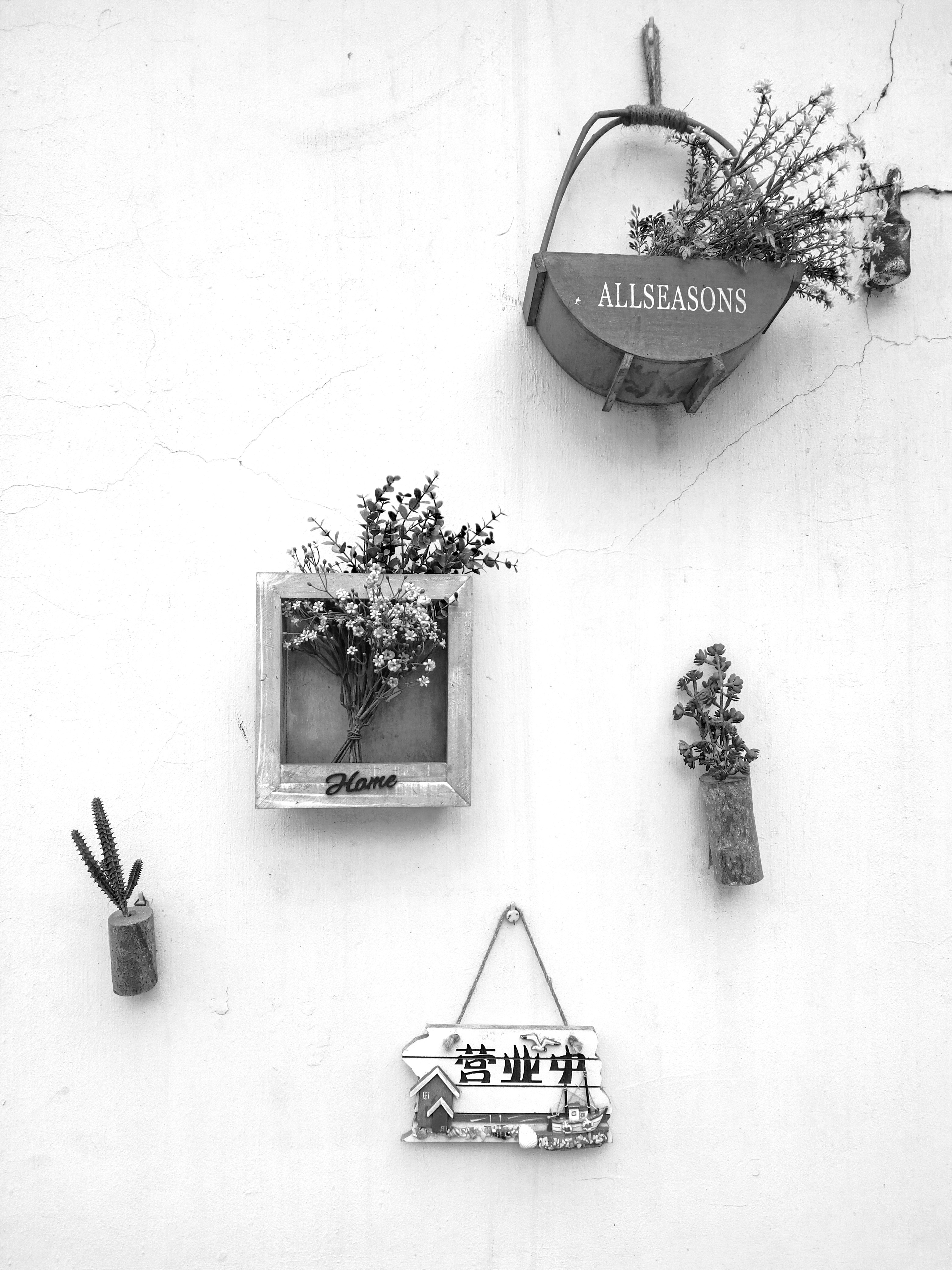
Accessorizing with plants can also significantly elevate your space. Incorporate small potted plants on window sills, or create a vertical garden in a corner of your room. To save costs, propagate plants from cuttings or choose low-maintenance varieties such as succulents and snake plants. Adding greenery not only beautifies the home but also improves air quality and brings a sense of tranquility.
Finally, consider updating your lighting fixtures. DIY options such as string lights in unique arrangements or upcycling mason jars into pendant lights can create a warm and inviting atmosphere in your home. These simple yet effective changes can dramatically alter the ambiance of your living spaces.
Essential Tools for DIY Decoration
When embarking on a DIY decoration project, having the right tools can greatly influence the outcome. Identifying essential tools will not only streamline the process but also enhance the quality of your work. Fundamental tools such as hammers, paintbrushes, and measuring tapes should be prioritized, as they play crucial roles in various tasks.
A hammer is indispensable for any DIY enthusiast, whether for hanging pictures or assembling furniture. Opt for a well-balanced hammer that feels comfortable in your hand. It is recommended to use this tool with precision to avoid damaging surfaces. Additionally, a variety of nails or hooks can complement your hammer, allowing for different applications suited to various materials.
Paintbrushes are another vital component of home decoration. Depending on the project, you may need different sizes and types of brushes, such as synthetic bristles for water-based paints or natural bristles for oil-based paints. Moreover, using a quality brush will result in smoother finishes. Consider investing in a few different styles, which may include angular brushes for detailed work and wide brushes for larger surfaces.
Measuring tapes are essential for ensuring accuracy in your projects. Accurate measurements prevent miscalculations that can lead to wasted materials and effort. Use a measuring tape to carefully plan the dimensions of furniture placement or wall adornments. Additionally, a level is beneficial for ensuring pictures and shelves are perfectly straight, adding professionalism to your efforts.
Other useful tools might include utility knives, screwdrivers, and craft scissors. Each tool has its specific purpose, and mastering their use can greatly enhance the quality of your DIY projects. Remember to prioritize safety; using safety goggles and gloves when appropriate can protect you from accidents. With these essential tools on hand, you will be well-equipped to tackle any DIY decoration project effectively.
Real-Life Scenes and Inspirations
Transforming a home through DIY decoration not only enhances its aesthetic appeal but also creates a personalized atmosphere that reflects the homeowner’s taste and style. Many individuals have successfully undertaken DIY projects, resulting in remarkable transformations that inspire others to consider similar endeavors. For instance, one homeowner documented their journey of revamping a small living space, demonstrating how strategic use of color and furniture arrangements can make a significant difference. Before implementing their vision, the room was cluttered and lacked character, but after the DIY makeover, it became a bright and inviting space, showcasing their unique design preferences.
Before-and-after photos play a crucial role in showcasing these dramatic changes. They serve as motivating tools for those contemplating DIY projects. A living room that once bore a dull, monochromatic color palette transformed into a vibrant sanctuary filled with bold hues and eclectic decor elements illustrates the profound impact of creative solutions. Such transformations help potential DIY enthusiasts visualize the possibilities within their own homes.
Moreover, influencer testimonials add another layer of credibility and motivation to DIY projects. Influencers who have successfully undertaken home decoration projects often share their trials, errors, and ultimate successes, providing insights and practical tips. By personalizing their space on a budget, these influencers inspire followers to embrace their creativity and embark on their own DIY journeys. Stories from diverse homes—from urban apartments to countryside cottages—demonstrate how unique decorating scenes can emerge, highlighting both the versatility of DIY decoration and the sense of community it fosters.
Incorporating real-life stories and transformations into the DIY narrative encourages individuals to envision their potential. It shows that, with creativity and resourcefulness, anyone can bring about substantial changes to their living environments, making DIY decoration not only accessible but also rewarding.
Sourcing Affordable Materials
Embarking on a DIY decoration project often begins with sourcing materials that are both affordable and suitable for your creative vision. The journey to finding these materials can be simplified through a variety of channels, each offering unique opportunities to achieve budget-friendly results.
One of the most rewarding approaches is upcycling. This practice involves repurposing materials or items that you already own, or sourcing them from friends and family. Furniture, jars, and fabrics that may seem outdated can be transformed into stunning decorative pieces with a little creativity and effort. Not only does upcycling save money, but it also promotes sustainability by minimizing waste.
Thrift shops are another treasure trove for affordable materials. These stores often carry a wide range of items, from furniture and home decor to textiles and wall art. With a keen eye for potential, one can discover unique pieces at a fraction of their original cost. Regular visits to local thrift shops can yield new finds, and it is advisable to stay open to unconventional materials that can be reimagined into decorative items.
Furthermore, online marketplaces such as Facebook Marketplace, Craigslist, or Freecycle can provide access to various materials without the hefty price tag. These platforms often feature listings from individuals looking to declutter their homes, offering an invaluable chance to acquire materials for DIY projects for little or no cost. Being proactive and quick to respond to listings may lead to the best deals.
Lastly, local discount stores and warehouse sales can be excellent sources for buying new materials at reduced prices. Many of these stores offer a range of items, including crafting supplies, paints, and decorative accessories, that can be instrumental in executing your DIY décor ideas. Negotiating prices or requesting discounts can further enhance budgeting efforts.
Final Tips and Conclusion
Embarking on DIY decoration projects can be both exhilarating and challenging. To ensure your home transformation remains enjoyable and budget-friendly, it is essential to keep a few vital tips in mind. First, always plan your project thoroughly. This involves preparing a detailed list of materials and tools required, along with a realistic budget estimation. Taking the time to plan helps you avoid impulse purchases that can quickly diminish your budget and derail your efforts.
Another critical aspect is to stay organized throughout the project. Create a dedicated workspace that is free from distractions, allowing you to focus on your tasks efficiently. Having all your materials readily accessible can also help facilitate a smoother workflow. Additionally, bear in mind that patience is key in any DIY venture. Rushing through steps in an attempt to finish quickly may lead to mistakes that could require costly adjustments or rework.
Safety should never be underestimated in DIY projects. Ensure you have the necessary safety equipment, such as goggles or gloves, and follow proper guidelines when handling tools and materials. Furthermore, do not hesitate to seek help if you encounter difficulties, be it from online resources, DIY communities, or friends who might have expertise. Collaborating with others can lead to innovative ideas, refining your skills and potentially enhancing the outcome of your project.
In conclusion, embracing the DIY spirit can dramatically enhance your living space while also providing a sense of accomplishment. By incorporating these final tips and keeping the budget in check, you can successfully personalize your home decor. Remember, what matters most is that your space reflects your personality and creativity, so take joy in the process and celebrate your achievements, no matter how big or small.