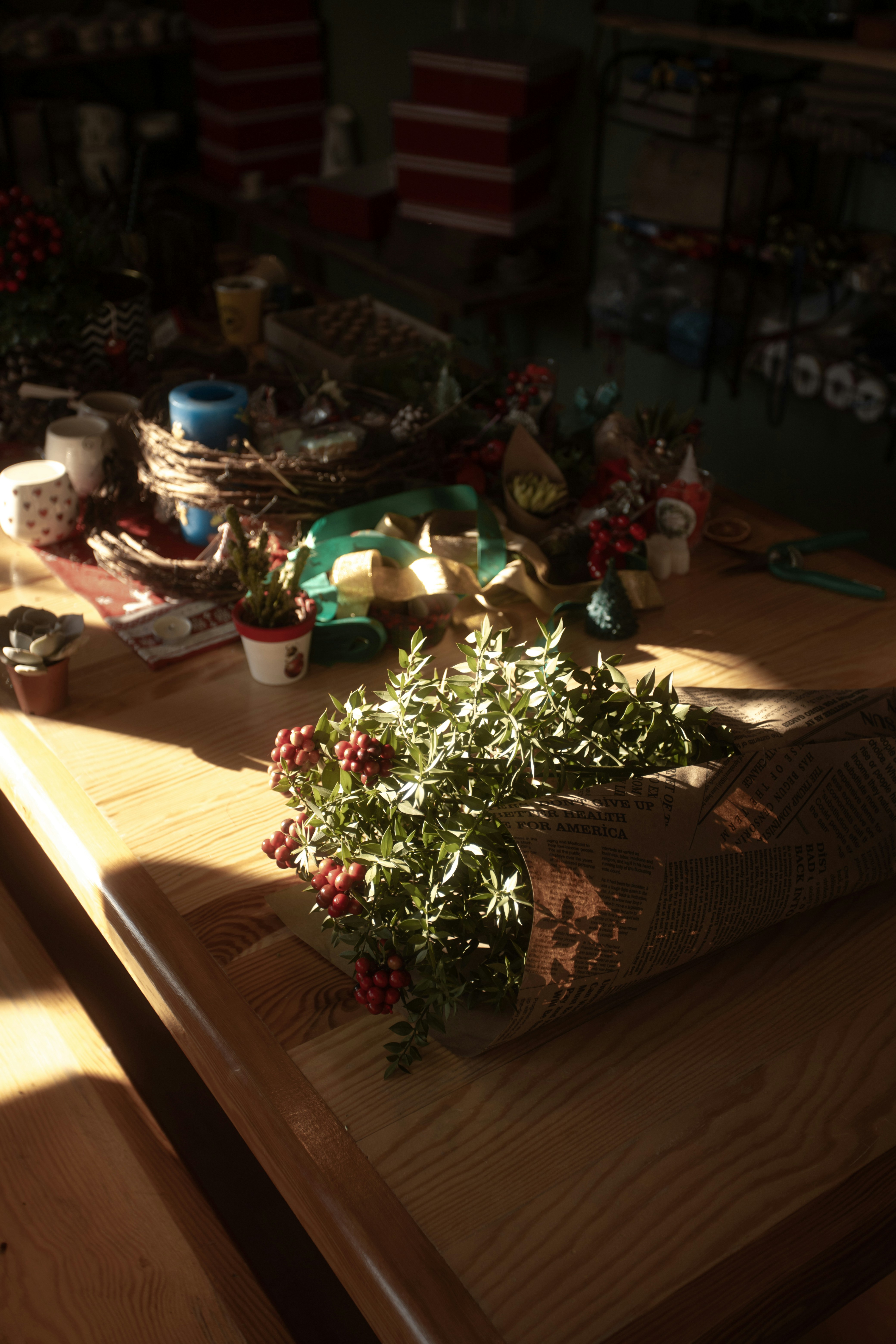
Introduction to DIY Furniture Decoration
Do-It-Yourself (DIY) furniture decoration has emerged as a significant trend among homeowners in Europe, reflecting a growing desire for personalization and creativity in interior design. This approach allows individuals to create unique pieces that resonate with their personal aesthetics while catering to the specific needs of their living spaces. The increasing availability of online resources, tutorials, and community forums has made it easier than ever for enthusiasts to embark on their own DIY projects.
One of the primary advantages of DIY furniture decoration is the opportunity for cost savings. Many people opt for DIY projects as a budget-friendly alternative to purchasing ready-made furniture. By upcycling or repurposing existing items, homeowners can achieve a fresh look without incurring the substantial expenses typically associated with new furniture purchases. This approach not only ensures financial savings but also promotes sustainability by reducing waste and prolonging the lifecycle of materials.
Moreover, DIY projects facilitate the expression of creativity and individual style, which can often be stifled in a market saturated with mass-produced furniture. Homeowners are increasingly seeking ways to infuse personal touches into their environments, and DIY furniture decoration offers an effective outlet for this. Whether it’s a rustic coffee table or a vibrant shelving unit, the range of possibilities is endless. As more individuals share their experiences and results online, a community of DIY enthusiasts is burgeoning, encouraging even more people to take on their own projects.
This blog post will delve into the world of DIY furniture decoration, highlighting not only the practical advantages but also the inspirational aspects of sharing creative endeavors within the European market. By exploring various projects and experiences, readers will gain insight into the enriching journey of transforming their own living spaces through DIY initiatives.
The Rise of DIY Culture in Europe
In recent years, the DIY culture has seen a notable resurgence across Europe. Historically, the roots of this movement can be traced back to periods of economic hardship, specifically during economic downturns when individuals sought to maximize their resources. In response to the financial crisis, many Europeans turned to crafting and home improvement as a cost-effective means to enhance their living spaces. This practical approach to home decoration not only alleviated financial burdens but also fostered a sense of community as families and friends collaborated on projects.
Furthermore, there has been a significant shift towards sustainability that has fueled the growth of DIY initiatives. With increasing awareness surrounding environmental issues, many individuals are opting to repurpose or upcycle existing materials rather than purchasing new products. This sustainable mindset encourages creativity and innovation, leading to a more personalized and environmentally friendly approach to home decoration. Statistics indicate that a large percentage of Europeans now regard DIY projects as a viable alternative to conventional shopping, with reports showing that over 70% of individuals engage in some form of DIY activity in their homes.
Another pivotal factor contributing to the rise of DIY culture in Europe is the impact of social media. Platforms like Pinterest, Instagram, and YouTube have become essential resources for DIY enthusiasts, providing endless ideas, tutorials, and inspiration. This connectivity allows individuals to share their projects, thereby fostering a dynamic community that promotes collective learning and creativity. As a result, the DIY culture has evolved into a prominent lifestyle choice, empowering individuals to take ownership of their home decoration endeavors and embrace a hands-on approach.
Overall, the convergence of economic influences, sustainability concerns, and social media innovation has created a fertile ground for the DIY movement in Europe. This cultural shift reflects an evolving mindset towards home decoration, where individuals not only seek to beautify their spaces but also contribute positively to their communities and the environment.
Essential Tools and Materials for DIY Projects
Embarking on DIY furniture decoration projects requires a well-equipped toolkit and appropriate materials. A foundational understanding of essential tools will enhance your ability to effectively execute various projects, ensuring a satisfactory outcome. First, hand tools such as a tape measure, level, and utility knife are indispensable for precise measurements and cuts. Power tools like a drill and a sander can significantly expedite the renovation process, making them a worthwhile investment for both novice and seasoned DIY enthusiasts.
When it comes to affordability and accessibility, consider sourcing tools from local hardware stores or borrowing from friends and family. Many community workshops also offer rental services or tool-sharing programs, enabling budget-friendly access to high-quality equipment without the long-term financial commitment.
As for materials, wood remains a popular choice for DIY furniture due to its versatility and durability. Plywood, medium-density fiberboard (MDF), and reclaimed wood are commendable options worth exploring. These materials allow for creativity while being relatively easy to work with and affordable. Additionally, opting for eco-friendly alternatives, such as sustainably sourced wood and low-VOC paints, aligns with the current sustainability trend in the European market. Online marketplaces specializing in eco-conscious products can be great sources for such materials.
Moreover, don’t overlook fastening materials like screws, nails, and brackets, which are crucial for merging different components of your projects. As you gather your tools and materials, focus on those that are adaptive for various uses, thus maximizing value. By fostering a resourceful approach in sourcing your DIY necessities, you contribute not only to your personal projects but also to a broader movement towards sustainability and conscientious consumption.
Popular DIY Projects for Furniture Decoration
Transforming your living space can be an exciting and rewarding experience, particularly when engaging in DIY furniture decoration projects. Several popular and accessible projects can enhance your home decor while allowing you to express your personal style. Among these, upcycling old furniture stands out as a sustainable and cost-effective option. You can breathe new life into outdated pieces by using sandpaper, paint, and a little creativity. For this project, expect to allocate a weekend for prep and painting, with a budget of approximately €50-€100, depending on the materials used.
Another engaging DIY project is the creation of custom shelves. With just a few wooden boards, brackets, and a drill, you can craft unique shelving solutions tailored to your space. This project typically requires about 3-5 hours of time and can be completed for around €30-€70, making it an ideal weekend endeavor. Shelves not only serve a practical purpose but can also act as a decorative statement.
For those interested in painting techniques, consider exploring the art of distressing furniture. This method involves applying paint and then lightly sanding areas to create a vintage look. The materials needed for this project include chalk paint, a paintbrush, and sandpaper. You can complete a piece in about 2-4 hours, with a budget of €20-€50, depending on the size and detail of the furniture you are working on.
Reupholstering chairs using fabric is another fantastic DIY project, allowing you to customize seating to match your decor. Simply gather materials like a staple gun, fabric, and foam padding. This project can take between 3 to 6 hours depending on the complexity, with costs ranging from €40 to €150, based on the quality of fabric selected. Engaging with these DIY projects not only nurtures creativity but also fosters a sense of accomplishment in transforming your environment.
Sharing Your DIY Projects Online: Best Practices
In the digital age, sharing your DIY furniture decoration projects online has become an essential aspect of the creative process. Not only does it allow you to showcase your craftsmanship, but it also fosters community among DIY enthusiasts across Europe. When sharing your projects, consider both the platform and the audience to maximize engagement and inspire others.
Photography plays a critical role in presenting your work. High-quality images can significantly enhance the appeal of your DIY projects. Use natural lighting to capture the textures and details of your furniture. A clutter-free background ensures that the focus remains on your creation. Consider taking photos at different angles to showcase various aspects and functionalities of the piece. Additionally, including a before-and-after comparison can effectively highlight the transformation achieved through your efforts.
Storytelling is another crucial element in sharing your DIY journey. Provide context for your projects by detailing the inspiration behind them, the materials used, and any challenges you faced during the process. This narrative not only humanizes your work but also resonates with others who may have embarked on similar projects. Engage your audience by asking questions and encouraging them to share their own experiences in the comments section.
Utilize social media platforms effectively by joining relevant groups and communities focused on DIY projects. Platforms such as Instagram, Facebook, and Pinterest can amplify your reach and connect you with like-minded individuals. Employ the use of appropriate hashtags that resonate with the European DIY market to improve discoverability. Collaborate with other DIY enthusiasts to share insights and promote each other’s work, fostering a sense of camaraderie.
Finally, consistency is key. Regularly update your followers with new projects, tips, and techniques to maintain engagement. By sharing your DIY furniture decoration projects thoughtfully and consistently, you can contribute to a vibrant community, inspiring others along the journey.
The Role of Online Communities in DIY Culture
The proliferation of the internet has significantly transformed the landscape of DIY furniture decoration, with online communities emerging as pivotal hubs for enthusiasts worldwide. Various platforms, including forums, social media channels, and specialized websites, have created an accessible environment for individuals to share their craftsmanship and innovative ideas. One of the most popular platforms for DIY enthusiasts is Pinterest, where users curate boards filled with inspirations and practical step-by-step guides for furniture projects. Similarly, Instagram boasts a vibrant community centered around DIY culture, where hashtags related to furniture decoration enable users to discover and connect with like-minded creators.
Online forums also play a crucial role in the DIY community by facilitating discussions that cover a wide array of topics. These platforms allow members to share experiences, ask questions, and offer advice on projects ranging from simple upcycling to complex furniture builds. A notable example is Reddit, where subreddits dedicated to DIY often showcase member creations, providing a space for feedback and encouragement. The collaborative nature of these forums nurtures a supportive atmosphere, empowering individuals to embark on their DIY journeys confidently.
Furthermore, specialized websites focused on DIY culture are valuable resources, offering articles, materials lists, and even tutorials that enhance the learning experience. Websites like Instructables and DIYnetwork not only provide instructional content but also foster communities where users can exchange ideas and showcase their work. This exchange of ideas is essential for enabling creativity and innovation in DIY furniture decoration. The encouragement found in these online communities often leads to more intricate projects and techniques being explored, ultimately enriching the overall DIY experience.
Through these diverse platforms, the DIY culture flourishes, encouraging collaboration, support, and the endless sharing of ideas among furniture decoration enthusiasts. The role of online communities is indispensable in nurturing creativity and enhancing skill development, making DIY projects not only achievable but also enjoyable.
Sustainability in DIY Furniture Decoration
The significance of sustainability within the DIY furniture decoration culture cannot be overstated. As consumers become increasingly aware of environmental issues, the demand for eco-friendly practices has risen, notably influencing furniture design. DIY furniture projects present an excellent opportunity for individuals to engage in sustainable practices, thereby reducing their ecological footprint while expressing creativity.
One of the primary methods to incorporate sustainability into DIY furniture decoration is through the use of recycled materials. Salvaging wood from old furniture or sourcing materials from thrift stores not only minimizes waste but also adds a unique character to each project. By repurposing existing items, DIY enthusiasts can create stunning and functional pieces without contributing to the demand for new resources. This approach not only extends the lifespan of materials but also aids in conserving forests and reducing deforestation.
Furthermore, selecting environmentally safe paints and finishes is crucial for promoting sustainability in DIY projects. Traditional paints often contain harmful volatile organic compounds (VOCs) that can pose risks to both human health and the environment. By opting for eco-friendly, low-VOC, or natural paint alternatives, DIY decorators can significantly improve indoor air quality while maintaining a commitment to environmental responsibility. Many modern brands offer non-toxic and biodegradable options, making it easier than ever to decorate sustainably.
In addition to benefiting individual projects, a concerted effort towards sustainable DIY furniture decoration has the potential to impact the broader furniture industry. As more people embrace eco-friendly practices, the demand for sustainable products increases, thereby encouraging manufacturers to adopt greener production methods. This cycle fosters a culture that prioritizes sustainability and waste reduction, aligning with global efforts to promote a more sustainable lifestyle.
Challenges and Solutions in DIY Projects
Engaging in DIY furniture decoration can be an exciting endeavor, yet it is not without its challenges. One of the predominant obstacles faced by novice decorators is a lack of experience. Many individuals may be unsure of where to begin, which tools to use, or how to execute their creative vision. To confront this hurdle, beginners are encouraged to research basic techniques through online tutorials, videos, and instructional manuals tailored specifically to their projects. Joining community forums or workshops can also provide valuable insights and boosts confidence through shared experiences.
Time constraints present another significant challenge for many DIY enthusiasts, particularly those balancing work and personal commitments. The perception that DIY projects require extensive time investment can deter individuals from starting. To address this concern, it is advisable to break projects down into manageable tasks, focusing on one step at a time. Creating a clear timeline or schedule can help allocate specific periods for each phase of the project, making it more feasible to integrate DIY furniture decoration into one’s lifestyle.
Access to materials can also pose a challenge, especially for those living in areas with limited supply options. DIY decorators can combat this issue by exploring various avenues for sourcing materials. Many online platforms and local stores offer alternatives that may be more accessible or affordable. Additionally, recycling and repurposing existing furniture can not only save money but also contribute to a more sustainable approach to decoration. Utilizing pallet wood, reclaimed materials, or thrift store finds can yield unique results while lessening dependence on newly purchased items.
By addressing these challenges proactively, aspiring DIY decorators can create more enjoyable and fulfilling experiences, ultimately transforming their homes with personalized touches that reflect their unique style.
Conclusion: Embracing the DIY Lifestyle
Engaging in DIY furniture decoration offers numerous benefits that extend beyond mere aesthetics. It serves as an outlet for personal expression, where individuals can customize their living spaces in ways that reflect their unique tastes and personalities. Through the process of creating and decorating furniture, homeowners are empowered to make meaningful changes in their environment, promoting a sense of ownership and satisfaction. This self-satisfaction often translates to a home that is not only visually appealing but also inherently personal.
Furthermore, the DIY lifestyle promotes sustainability, encouraging individuals to repurpose and upcycle old furniture rather than contributing to waste. This practice resonates particularly well within the European market, where sustainability is increasingly prioritized. By engaging in DIY furniture decoration, individuals contribute to a culture of environmental responsibility, supporting local economies and reducing the carbon footprint associated with mass production.
Additionally, the shared experience of DIY projects fosters a sense of community among enthusiasts. As individuals embark on their own furniture decoration journeys, they are invited to share their successes, challenges, and tips with others. This creates a vibrant network where ideas flourish, collaborations arise, and learning becomes collective. European communities are rich in creativity, and embracing the DIY lifestyle strengthens these bonds while promoting cultural exchange.
As you reflect on your own journey toward DIY furniture decoration, consider how you can contribute to this growing cultural trend. Whether through online platforms, local workshops, or social media, sharing your experiences and projects enhances the interconnectedness of the DIY community. By embracing this lifestyle, you join a larger movement that not only transforms personal living spaces but also nurtures a creative and supportive environment. Through collective efforts, the DIY community can flourish, making home improvement a shared and rewarding journey.