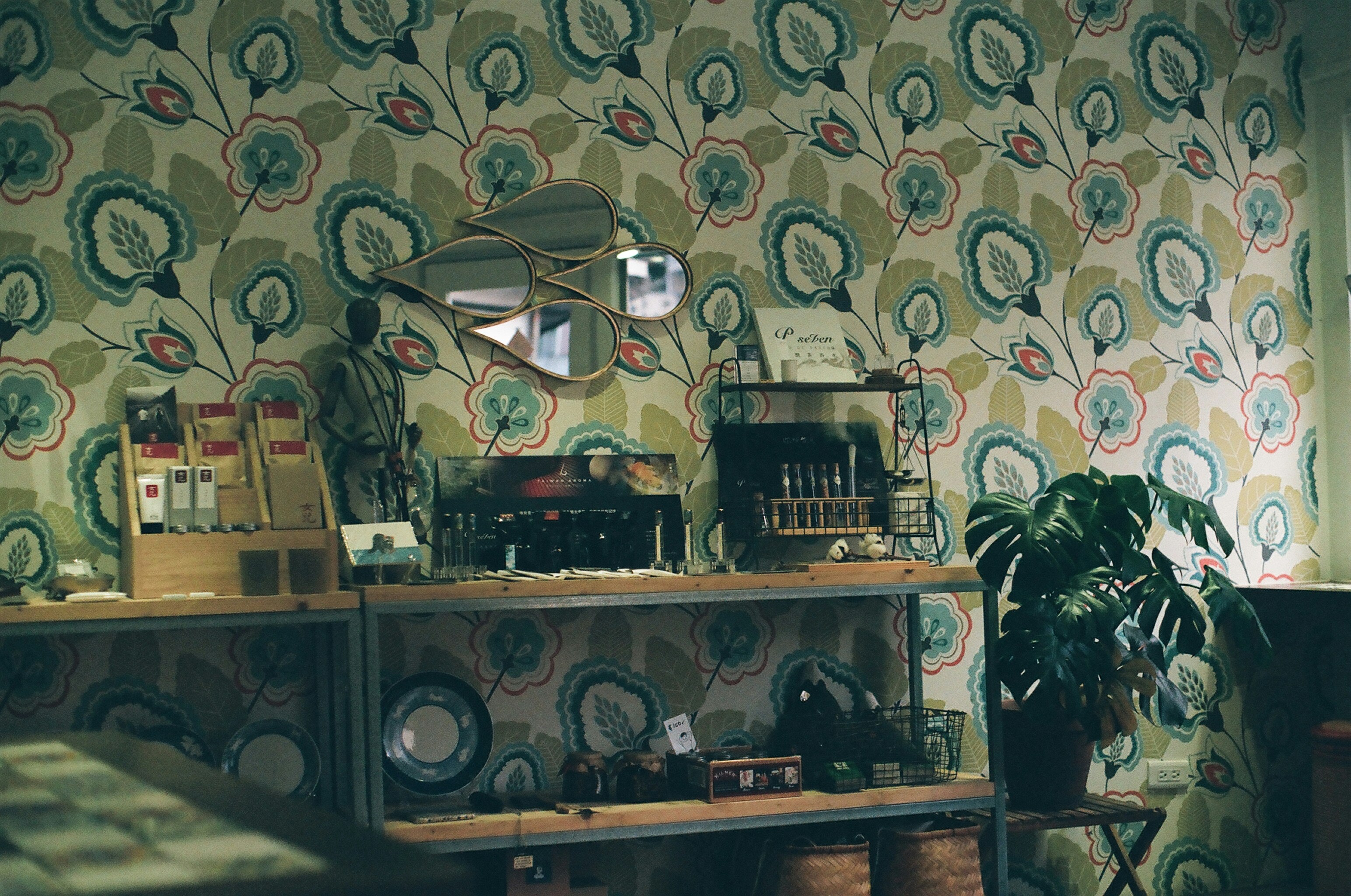
Introduction: The Beauty of DIY Home Decoration
In recent years, the trend of DIY (Do It Yourself) home decoration has gained significant popularity among homeowners and renters alike. This approach allows individuals to personalize their living spaces while adhering to a budget. DIY home decoration not only presents an economical solution but also fosters creativity, enabling people to express their unique style and functionality preferences. As more individuals opt for budget-friendly DIY projects over traditional home improvement services, they discover that decorating their homes can be a rewarding, hands-on experience.
Embracing the DIY spirit can transform a mundane interior into a vibrant, inviting space filled with character and charm. The beauty of DIY home decoration lies in its flexibility; homeowners can select from numerous styles—from rustic to modern, minimalist to eclectic—ensuring their environment truly reflects their personality. Furthermore, engaging in DIY tasks encourages bonding among family members, fostering collaborative creativity across generations.
The economic advantages of DIY home decoration cannot be overstated. By sourcing materials at budget-friendly prices and utilizing pre-existing resources, individuals significantly reduce the overall costs commonly associated with home renovations. This affordability extends beyond mere materials; it encompasses the satisfaction derived from crafting and customizing one’s home. In a world where mass-produced furnishings dominate the market, DIY initiatives cultivate a sense of ownership and pride in one’s living space.
As we delve into various DIY decoration ideas throughout this blog post, you will discover a treasure trove of options designed to elevate your home without imposing financial strain. Prepare to embark on a creative journey filled with possibilities that not only enhance your home’s aesthetic but also enrich your personal experience of living in a space you love.
Assessing Your Space: Understanding Your Home’s Aesthetic
Before embarking on any DIY decoration projects, it is crucial to have a clear understanding of your home’s existing decor style. This evaluation helps in identifying areas that could benefit from a refresh and guides your decision-making process as you create a cohesive aesthetic. Start by walking through each room and observing the style, color schemes, and furniture arrangements. Take note of what you like and dislike in each space to pinpoint the elements that resonate with your taste.
One effective method to analyze your space is to create a mood board. This visual tool allows you to collect and organize different design inspirations, including colors, textures, and furniture styles that appeal to you. These can be gathered from magazines, online platforms, or photographs of interiors that catch your eye. By compiling this visual representation, you can begin to identify themes and categories that align with the aesthetic you wish to achieve.
Consider exploring various decor styles, such as modern, rustic, or bohemian, each of which has its unique characteristics. Modern designs often emphasize minimalism and clean lines, while rustic styles tend to incorporate natural materials and earthy tones. On the other hand, bohemian aesthetics embrace a more eclectic mix of colors and patterns. Identifying these styles can help you blend various elements into a cohesive theme for your home.
Furthermore, assess how each room is utilized. Spaces that are cluttered or lack function may require significant changes. By recognizing these aspects, you can prioritize which areas to focus on first. Ultimately, understanding your existing decor and the mood you want to create will greatly enhance the success of your DIY decoration projects.
Budgeting for Your DIY Projects: Cost Considerations
Establishing a budget for your DIY decoration projects is a crucial step to ensure that you can achieve the desired aesthetic without overspending. The first step in this process is to determine your overall spending limit. Assess your financial situation and decide how much you can feasibly allocate for home improvement initiatives. Setting a specific budget cap will help you make informed choices and avoid expensive pitfalls.
Once you have established a maximum budget, the next step is to conduct thorough research on the costs associated with materials and tools you will need for your projects. Prices for supplies can vary significantly depending on factors such as quality and brand. Online retailers, local hardware stores, and discount shops can be great places to source affordable materials. Moreover, it may also be beneficial to look into bulk purchases if your project requires substantial quantities of a particular item.
In addition to researching material costs, look for innovative ways to save money on your DIY endeavors. One effective strategy is to repurpose items you already own, which can not only cut costs but also add a unique touch to your decor. Items like old picture frames, furniture, or fabrics can be transformed with a bit of creativity. Furthermore, consider exploring community resources, such as freecycle groups or local swap events, where you may find suitable materials at no cost.
To assist with planning, sample budgets for various projects can provide a helpful framework. For instance, a simple room makeover might involve allocating $200 for paint, $100 for décor items, and $50 for tools. Understanding potential expenses in advance will give you a clearer picture, making the budgeting process more manageable and your DIY projects more fulfilling.
Upcycling Old Furniture: Sustainable and Stylish Solutions
Upcycling old furniture is an art that not only breathes new life into worn items but also promotes sustainability in the home décor sector. This practice involves creatively transforming existing furniture pieces into stylish and functional items, thus reducing waste while achieving stunning results. The appeal of upcycled furniture lies in its unique character, which cannot be replicated through store-bought items.
One popular method of upcycling is painting old furniture. A fresh coat of paint can transform a drab piece into a vibrant statement. For instance, an outdated wooden chair can be revitalized with bold colors or a distressed finish, which has a rustic charm. The cost of a good-quality paint can range from $20 to $50, making it an affordable yet impactful option for home decoration. Furthermore, techniques such as stenciling or decoupage can add personalization to each piece, ensuring that it reflects individual style.
Reupholstering is another effective approach to upcycling. By replacing old upholstery with contemporary fabrics, you can update old couches or chairs to align with modern interior trends. The estimated cost for reupholstering a chair typically starts around $100, depending on the fabric and complexity of the job. This not only gives old furniture a second chance but also allows for customization in color and texture.
Lastly, adding new hardware can entirely change the look and feel of a piece. Swapping out old knobs or handles with unique ones can breathe new life into cabinets and dressers, enhancing their aesthetic appeal while maintaining their functionality. This project involves minimal investment, often under $50, yet yields significant visual impact.
Upcycling, as a method, exemplifies how sustainable practices can seamlessly integrate into stylish home decoration, creating unique interior spaces while minimizing one’s environmental footprint.
Wall Décor Ideas: Transforming Blank Spaces
Blank walls can often feel dull and uninviting, but they also present a unique opportunity for creativity and expression. With a little imagination and some budget-friendly options, it is possible to transform these empty spaces into stunning focal points in your home. One of the most popular ways to achieve this is through DIY wall art. This approach allows you to create personalized pieces using materials that resonate with your style. Simple projects such as canvas painting, fabric wall hangings, or even upcycled wood frames can result in beautiful additions to your décor.
Framed photos are another excellent option for decorating blank walls. Collect meaningful family memories and artwork, then arrange them in a gallery-style composition. This not only adds a personal touch but also gives the illusion of depth. When selecting frames, consider using a mix of materials and finishes to create visual interest. You can often find affordable options at thrift stores or online marketplaces, allowing you to maintain a budget while still curating a cohesive look.
For those who prefer a more adventurous approach, wall stenciling can add intricate designs without the expense of paint jobs or wallpaper. Utilizing stencils allows for flexibility in design, from geometric patterns to floral motifs. While the cost of stencils is relatively low, the impact they create is significant. Preparation is essential to ensure clean lines, so patience along with some DIY skills will yield beautiful results.
Lastly, removable wallpaper is an innovative alternative that allows for quick changes without the commitment of traditional wallpaper. With countless designs available, this versatile option can dramatically change a room’s aesthetic. Installation is straightforward, and when trends shift, it can be easily peeled away. Each of these wall décor ideas provides exciting ways to elevate the look of any room, ensuring that your blank spaces are anything but bare.
Crafting Unique Lighting Fixtures: Brighten Your Home with Personal Flair
Lighting is a crucial element in home decoration, and custom lighting fixtures can bring both functionality and aesthetic appeal to any space. Crafting unique lighting options allows homeowners to express their personal style while enhancing the ambiance of a room. From pendant lights to decorative lampshades, the DIY approach not only saves money but also invites creativity into home decor.
One of the most popular DIY lighting projects is creating pendant lights. For this project, you will need a simple light kit, a socket, electrical cord, and a shade or vessel to serve as the pendant’s body. Vintage-style lampshades, glass jars, or even woven baskets can work magnificently. Start by designing your fixture with suitable materials based on your home’s theme. By adjusting the length of the cord, you can create varied heights that add depth and interest.
Additionally, decorative lampshades can transform existing lamps into statement pieces. Fabric scraps, paint, or even repurposed materials can give a fresh look. To achieve this, carefully remove the old shade and wrap it with your chosen material, securing it with glue or wire. Be mindful of illumination—light diffusion is essential, so select translucent fabrics to ensure the light shines through attractively.
Another enchanting option is fairy light installations. These can easily be crafted by wrapping fairy lights in glass jars, hanging them in clusters, or placing them along shelves. This not only serves as a whimsical touch but also creates a warm atmosphere in the evenings. To source materials for these projects, local craft stores, online retailers, or even second-hand shops can provide affordable options.
Overall, crafting unique lighting fixtures can be an enjoyable DIY project that enhances your home decor without breaking the bank. These projects can be tailored to fit your personal style while ensuring that the lighting needs of your home are met effectively.
Outdoor Décor: Enhancing Curb Appeal with DIY Projects
Enhancing the curb appeal of your home can be an enjoyable and satisfying endeavor, particularly when approached through do-it-yourself (DIY) projects. With a bit of creativity and resourcefulness, you can significantly uplift your outdoor spaces without straining your budget. Several outdoor décor projects allow homeowners to showcase their personal style while also increasing the aesthetic appeal of their property.
One of the fundamental aspects of DIY outdoor decoration is the creation of planters. Building your own planters from reclaimed wood or inexpensive materials can result in captivating focal points for your garden or porch. Customize your planters with unique designs, colors, or finishes to suit your home’s character. For optimal results, consider planting vibrant flowers or lush greenery that aligns with the overall theme of your landscape.
Creating garden art is another excellent way to express creativity while enhancing outdoor décor. Items such as painted rocks, whimsical sculptures, or striking garden stakes can add charm and personality to your space. Engaging in projects like these not only serves as a delightful pastime but also provides opportunities to involve family members, fostering a sense of community in home improvement efforts.
Designing inviting seating areas is critical to maximizing the functionality of your outdoor space. You can repurpose old furniture or construct your own benches from wood to provide comfortable spots for relaxation. Accentuate these seating areas with outdoor cushions and blankets that withstand the elements, ensuring they remain inviting throughout the seasons. Utilize outdoor-friendly materials that are not only sturdy but also contribute to the overall aesthetic of your home.
By employing these cost-effective strategies, you can transform your outdoor areas into inviting retreats that are both functional and visually appealing. The combination of thoughtful planters, unique garden art, and comfortable seating creates an atmosphere that welcomes guests while boosting the overall curb appeal of your home.
Accessories and Textiles: Adding Comfort and Style
In the realm of home decoration, accessories and textiles are instrumental in infusing warmth, color, and texture into any space. These elements allow homeowners the flexibility to express their personal style while adhering to a budget, making them essential in the DIY decoration process. Cushions, throws, and table runners are prime examples of items that can transform the ambiance of a room with minimal financial investment.
Cushions can be an affordable yet impactful decorative solution. By selecting fabrics that complement your existing color palette, you can create a cohesive look throughout the space. For those interested in sewing, crafting your own cushion covers is a rewarding project that enables you to tailor size, shape, and design according to your preferences. Consider using various patterns and textures to add interest, and don’t shy away from mixing prints to create a playful atmosphere.
Throws are another excellent way of enhancing comfort and style. A well-placed throw can instantly elevate a seating area, making it more inviting. Selecting cozy materials, such as fleece or knitted fabrics, can reinforce the warm ambiance of your home. DIY throw blankets are achievable even for beginners; simple patterns like rectangle or square shapes can be stitched together quickly. Additionally, adding fringe or tassels will not only enhance the visual appeal but also give a more finished look to your project.
Table runners serve both functional and aesthetic purposes in home decorating. They can help define a dining space while adding layers of interest to your table setting. Choose fabrics that echo the theme of your home, whether it’s rustic, contemporary, or eclectic. A simple sewing technique can quickly turn a length of fabric into a stunning table runner. Experimenting with colors and patterns can create dramatic focal points in your dining area, making gatherings even more delightful.
Ultimately, the strategic selection of accessories and textiles can significantly enrich the overall décor of your home. By focusing on color, texture, and pattern, you can achieve a stylish interior without exceeding your budget, enhancing both comfort and aesthetic appeal.
Staying Inspired: Resources and Community for DIY Enthusiasts
Engaging in DIY decoration projects can be an immensely rewarding experience, and staying inspired is crucial to maintaining creativity. Fortunately, there is an abundance of resources and communities available to DIY enthusiasts, where one can find continuous support and stimulation. Various online platforms play a pivotal role in this regard. Websites such as Pinterest and Instagram offer visual inspiration through a plethora of images showcasing innovative DIY projects and decoration ideas. Users can easily search for specific styles or themes, allowing for tailored outcomes in their home transformations.
Numerous DIY blogs and websites are dedicated to providing tutorials, tips, and project ideas, making them valuable resources for both novice and seasoned decorators. Platforms like DIY Network and Apartment Therapy not only offer step-by-step instructions but also feature community forums where users can share their own projects and seek advice on challenges faced during the DIY process. Engaging with these blogs can cultivate a deeper understanding of techniques and materials, enhancing one’s skills over time.
Additionally, social media groups specifically dedicated to DIY decoration are another excellent avenue for connection. These platforms enable enthusiasts to exchange ideas, showcase completed projects, and offer constructive feedback. Local workshops and classes present another opportunity for DIY enthusiasts to learn hands-on skills and meet like-minded individuals who share an interest in home decoration. These in-person experiences can often foster long-lasting friendships and collaborative efforts in future projects.
In conclusion, the value of community and resource sharing within the DIY decoration sphere cannot be overstated. By actively participating in these platforms and events, individuals can find support that not only fuels their creativity but also enhances their overall DIY journey. Embracing the spirit of collaboration ultimately leads to greater inspiration and enriched experiences in home decoration.
Conclusion: Your DIY Journey Awaits
As we conclude this exploration of do-it-yourself (DIY) decoration ideas, it’s clear that transforming your home on a budget is not only feasible but can also be an enjoyable and rewarding process. Each suggestion presented—be it creating your own wall art, refreshing old furniture with paint, or repurposing items around your home—highlights the limitless possibilities that DIY projects offer. These projects not only foster your creativity but also allow for a personal touch that store-bought items often lack.
It is essential to keep in mind that starting small is a viable approach. Whether you choose to embark on a simple project or tackle something more ambitious, the key is to embrace the journey. DIY decoration enables you to explore your unique style while enhancing your living space within a reasonable budget. As you experiment with different ideas, you may discover new skills and interests that further fuel your enthusiasm for home improvement.
Moreover, consider involving family and friends in these DIY endeavors. Collaborating with others can enhance the experience, making it not just a task but a shared adventure. Invite them to participate in your projects, and you will find that the memories created in the process can be as valuable as the finished product.
We encourage you to dive into your own DIY projects and unleash your creativity. Don’t hesitate to share your successes and experiences with our community, as your journey might inspire others to redefine their homes. Start today, and enjoy the enriching experience of decorating your space in a way that reflects who you are.