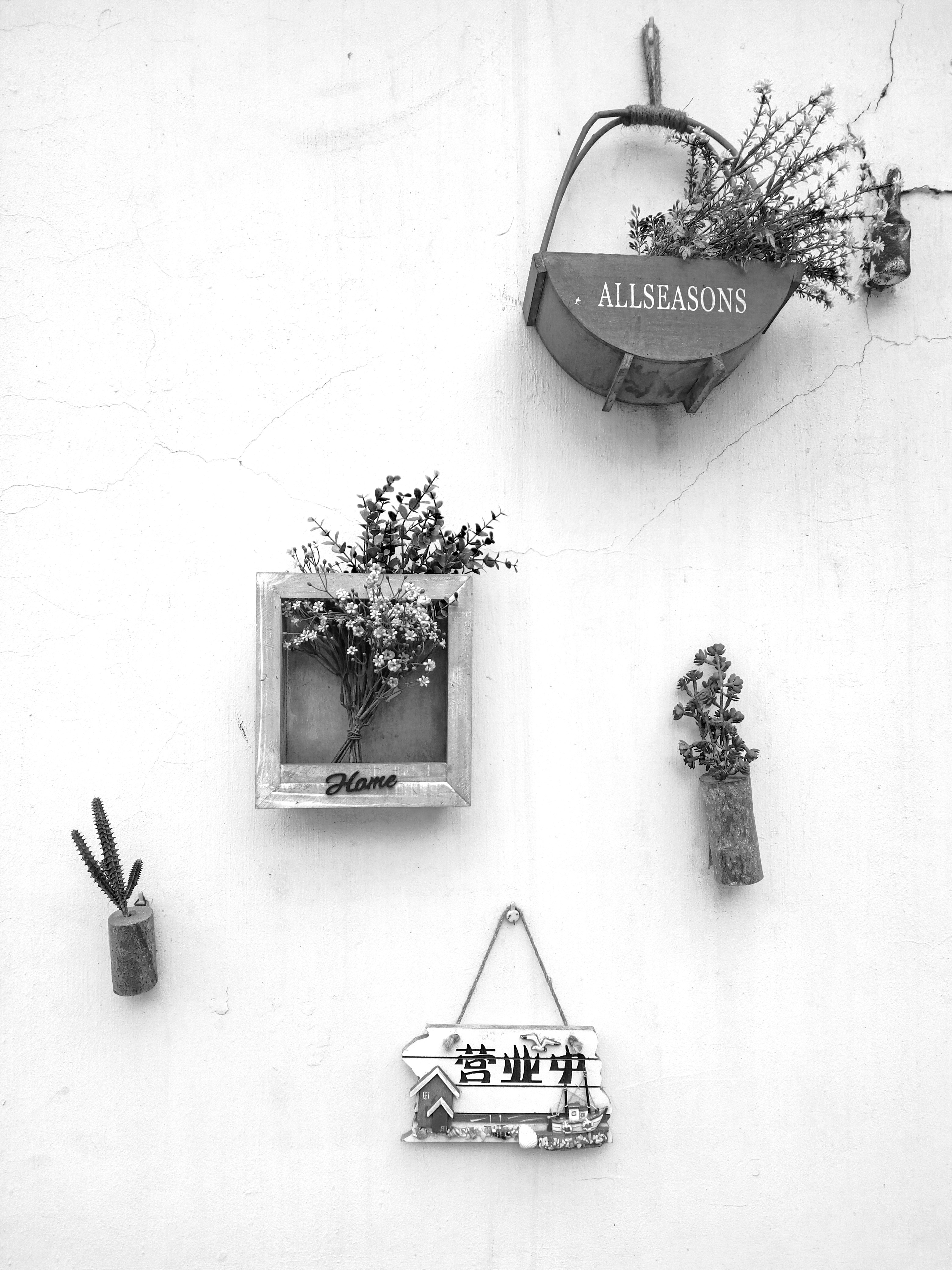
Introduction to DIY Home Decoration
Home decoration plays a pivotal role in shaping the overall ambiance and aesthetic of a living space. In recent years, the concept of DIY (Do It Yourself) home decoration has gained significant momentum, as individuals and families increasingly seek to infuse their personal style into their surroundings without incurring substantial expenses. This trend is driven by the desire for unique, tailored decor solutions that reflect individual tastes and preferences.
The advantages of DIY home decoration are manifold. Firstly, it offers cost-effectiveness, allowing individuals to create stunning decor without the need for extravagant budgets. By utilizing affordable materials and repurposing items already available at home, people can achieve remarkable transformations that enhance the visual appeal of their spaces. Secondly, DIY projects foster creativity, empowering individuals to explore their artistic inclinations while experimenting with various design techniques. Each project presents an opportunity for self-expression, leading to an enriched and personalized environment.
Moreover, engaging in DIY home decoration provides an enjoyable and fulfilling experience. It can serve as a therapeutic outlet, allowing individuals to channel their energy into something constructive. For families, DIY projects encourage collaboration and teamwork, resulting in memorable moments shared during the creative process. Additionally, the growing accessibility of online resources, including tutorials and inspiration boards, has made it easier for anyone to embark on their DIY journey.
In conclusion, the rise of DIY home decoration reflects a broader cultural shift towards sustainability and resourcefulness in our living spaces. By embracing this approach, individuals not only save money but also cultivate a home that resonates with their identity and personal story.
Setting a Budget for Your DIY Projects
Budgeting for DIY decoration projects is a crucial step that can significantly influence the outcome and satisfaction of your endeavors. It begins with assessing the scope of your project; consider what you would like to achieve and the extent of the changes you plan to make. This preliminary assessment allows you to narrow down the materials and tools you will need. By outlining a clear project scope, you can prevent overspending while keeping the creative possibilities open.
Next, estimate the material costs thoroughly. Take the time to research prices online or visit local home improvement stores to gather a range of potential costs for the items you’ll need. Consider alternative options, such as purchasing second-hand supplies or using recycled materials, which can help you stick to a budget while still achieving a unique look. A well-defined list of materials will also assist you in making informed purchasing decisions.
Allocating funds for tools and supplies is another essential consideration. Many DIY enthusiasts overlook the costs associated with tools necessary for their projects. Determining which tools you already own and which you need to purchase or rent can play a critical role in your budgeting process. If you anticipate ongoing DIY projects, investing in quality tools may be beneficial in the long run.
As you establish your budget, it is vital to include a contingency fund for unexpected expenses. DIY projects can often lead to additional costs that may arise from unforeseen complications. By planning for these possibilities, you can ensure that your creativity is not hindered by financial constraints. Striking a balance between adhering to your budget and allowing for creative flexibility is essential for a successful DIY decoration experience.
Choosing a Decoration Style: Finding Inspiration
When it comes to transforming your home through DIY decoration, the first step is to choose a style that resonates with your personality and complements your living environment. The myriad of decorating styles available can be overwhelming; however, by identifying one that aligns with your aesthetic preferences, you can create a cohesive and inviting space. Popular styles such as Bohemian, Minimalist, Rustic, Industrial, and Modern, each bring their unique flair and charm, making it essential to explore what appeals to you.
Bohemian style, for example, embraces an eclectic mix of colors, patterns, and textures, appealing to those who love artisanal touches and global influences. On the other hand, Minimalist decoration focuses on simplicity and functionality, showcasing clean lines and uncluttered spaces that promote a serene atmosphere. Rustic style often incorporates natural elements, such as wood and stone, to create a warm, welcoming home environment, while Industrial style plays with raw materials and urban aesthetics, perfect for those who appreciate a contemporary edge.
Finding inspiration for your chosen style can be as simple as turning to various resources available both online and offline. Pinterest, for instance, is an excellent platform to discover countless ideas and visuals representing different decoration styles. Home design magazines and blogs often feature curated content that highlights trending themes and timeless designs. Additionally, visiting local home decor stores can provide tangible experiences with materials and furnishings, helping you to envision how they might fit into your own spaces.
As you gather inspiration, make note of elements that resonate with you and consider how they could be integrated into your home. Creating a mood board with images and color palettes can be a valuable exercise, solidifying your vision and guiding your DIY decoration endeavors.
Top DIY Decoration Ideas for Every Room
Transforming your home through creative DIY decoration projects can be both fulfilling and budget-friendly. Each room in your home presents unique opportunities for personalization and style enhancement. Below are some innovative DIY ideas tailored to make the most out of your living spaces.
In the living room, consider upcycling old furniture. A vintage coffee table can be transformed with some paint and new hardware, giving it a fresh look without the hefty price tag. Additionally, wall art made from personal photographs or even abstract paintings can add a personal touch. Create a gallery wall by framing various art pieces or pictures of friends and family, which fosters a warm and inviting atmosphere.
The bedroom offers an excellent canvas for handmade textiles. Crafting your own throw pillows or a bedspread can infuse character and comfort, reflecting your personal taste. Choose fabrics that complement the existing color scheme and consider incorporating textures that enhance the tactile experience of the room. Another idea is to create a unique headboard using reclaimed wood or fabric, which serves both as a focal point and a functional element.
When it comes to the kitchen, think about decorating with functional items. Magnetic spice jars mounted on a wall can not only save space but also serve as an eye-catching display. In addition, consider making your own dish towels or pot holders; you can easily customize them with fabric paint or embroidery, adding a unique flair. Lastly, don’t overlook the potential of green plants; indoor herb gardens can thrive on windowsills while elevating the aesthetic appeal of your kitchen.
In the bathroom, small DIY projects can make a significant impact. Create your own bath mat by sewing together soft fabric scraps or even using a rubber mat as the base and adhering pebbles for a spa-like feel. Furthermore, upcycling glass jars as storage for toiletries can enhance organization while contributing to a cohesive look. By integrating these accessible DIY decoration ideas, you can personalize each room, making your home both functional and aesthetically pleasing.
Affordable Materials and Where to Find Them
When embarking on DIY decoration projects, one crucial aspect that can significantly impact your budget is the choice of materials. Fortunately, there are numerous affordable options available that not only reduce costs but can also lend a unique charm to your home. Beginning your search at local thrift stores is a commendable strategy. These establishments often have a diverse selection of second-hand items, from furniture that can be upcycled to decorative pieces that simply require a little cleaning or customization. These resources not only save you money but also promote sustainable practices by extending the life of items that might otherwise go to waste.
In addition to thrift shops, garage sales are treasure troves for budget-conscious DIY enthusiasts. Many people hold sales to declutter their homes, providing an opportunity to find hidden gems at remarkably low prices. Items such as old picture frames, fabrics, and even tools can often be acquired for mere dollars. If exploring your local neighborhood is not feasible, consider online marketplaces like Facebook Marketplace, Craigslist, or even dedicated apps like OfferUp. These platforms frequently list various home goods and supplies at competitive prices, simplifying the process of finding the materials you need for your projects.
Furthermore, don’t overlook the potential of repurposing materials you already own. Common household items, such as glass jars, wooden crates, or even leftover paint, can be transformed into beautiful decorations with a little imagination. Craft stores also offer budget-friendly supplies, often featuring sales or discount coupons. By combining creativity with resourcefulness, you can source affordable materials that will make your DIY decoration projects both unique and economical. Overall, sourcing materials wisely is key to achieving your desired aesthetic without overextending your budget.
Step-by-Step Guides to Popular DIY Projects
Embarking on a DIY project can be both exciting and rewarding. To ensure a successful outcome, it is essential to follow a structured approach that includes organization, preparation of necessary tools, and adherence to safety measures. Here, we will outline effective steps for a few popular DIY decoration ideas that are budget-friendly and easy to execute.
Before beginning any DIY project, it is crucial to choose a specific idea and outline all materials required. For instance, if you opt for creating a decorative wall shelf, gather wood planks, brackets, screws, a drill, and sandpaper. Organizing your workspace will also enhance efficiency; enlist your tools conveniently nearby and clear out any clutter.
Once you have your materials ready, the first step is to measure the wall to determine the ideal height and position for the shelves. Use a level to mark straight lines where the brackets will be installed, ensuring a balanced look. After marking, it’s time to drill holes for the screws that will hold your brackets securely in place. Remember to wear protective eyewear during this phase to prevent any accidents.
Following the installation of the brackets, prepare the wooden shelf by sanding it down to achieve a smooth finish. You may choose to stain or paint the wood to match the aesthetic of your room. Once the finish has dried, place the shelf onto the installed brackets. This simple project can transform a bland wall into a stunning display area while also providing practical storage.
Safety is paramount, especially when using tools. Always consult the instructions for each tool, avoid loose clothing or accessories, and keep a first-aid kit handy. By adhering to these organization and safety guidelines, you will not only take on your DIY decoration ideas with confidence but also achieve professional results in your home improvement endeavors.
Incorporating Personal Touches: Customization Tips
Customization plays a crucial role in transforming your home into a reflection of your personal style and experiences. One effective way to add personal touches to DIY projects is through the selection of colors. By choosing hues that resonate with your memories or evoke a particular mood, you can create spaces that feel truly yours. For instance, if a certain shade reminds you of summers spent at a family cottage, integrating this color into your home decor can bring those cherished memories closer to your everyday life.
Moreover, patterns can serve as a powerful means of expressing individuality. Consider utilizing textile patterns that reflect your culture or family heritage. Whether it’s through cushions, curtains, or wall art, fabrics adorned with meaningful designs can evoke a sense of nostalgia and belonging. This consideration of personal stories when selecting patterns not only enhances the aesthetics of your space but also adds depth and context.
Additionally, materials can significantly influence the character of your DIY projects. Opting for reclaimed wood, vintage finds, or handcrafted items showcases not just a commitment to sustainability but also introduces unique elements that tell a story. These materials often carry their own history, making them perfect for a personalized touch. Incorporating family heirlooms or local artisan pieces can further enhance this aspect, imbuing your decor with emotional significance.
In summary, personalization in DIY decoration goes beyond mere aesthetics; it is about creating a space that mirrors who you are. Through thoughtful choices in color, pattern, and materials, you can ensure that each element in your home resonates with your identity, creating a warm and inviting atmosphere that invites stories and memories to flourish.
Maintaining Your DIY Decorations: Tips for Longevity
To ensure the longevity of your DIY decorations, regular maintenance and care are essential. Whether you’ve crafted wall art, homemade vases, or upcycled furniture, the following tips can help keep your creations looking vibrant and new for years to come.
Firstly, cleaning your DIY decorations should be done with care. For fabric items, such as cushions or wall hangings, it is recommended to follow the care instructions provided at the time of crafting. If you used paint or other materials that may attract dust, a gentle brush or a soft cloth will help remove dust without damaging the surface. For harder surfaces like wood or metal, a damp cloth with a mild detergent can be effective. Avoid harsh chemicals, as they can degrade the materials used in your projects.
Secondly, consider the environment where your decorations are placed. Items displayed in sunny locations can fade over time, so rotating them or using UV-protective sprays can help maintain their color. Additionally, keeping decorations away from high humidity areas can prevent mold and mildew buildup, particularly for paper crafts and textiles.
For any structural integrity concerns, having a repair kit handy can greatly prolong the life of your DIY decorations. For instance, wood glue or super glue can be used for quick fixes on wooden crafts. For wire or metal decorations, ensure that you periodically check for wear and tear and reinforce weak joints as necessary. Also, a bit of creativity can go a long way; if an item gets damaged, consider giving it a new look through upcycling or repurposing.
By following these maintenance tips, you not only preserve the aesthetic beauty of your DIY decorations but also allow them to be a cherished part of your home for many years to come.
Final Thoughts: Embracing the DIY Spirit in Home Decoration
As we reflect on the myriad benefits of DIY home decoration, it becomes increasingly clear that engaging in these creative projects not only enhances the aesthetics of your living space but also promotes a sense of personal fulfillment. The heart of DIY decoration lies in the opportunity for self-expression and the ability to create a home that genuinely resonates with one’s personality. By employing resourcefulness and creativity, homeowners can transform their environments without succumbing to extravagant expenses.
Embracing the DIY spirit allows individuals to explore their artistic inclinations, whether through painting, crafting furniture, or upcycling objects previously deemed useless. This hands-on approach cultivates a deeper connection to the home, as each décor item often carries a story or memory associated with its creation. Furthermore, these endeavors often foster a learning experience, equipping individuals with new skills that can be applied to future projects, thereby enhancing their overall confidence in home decoration.
Moreover, the DIY process encourages sustainable practices by promoting the use of repurposed materials and reducing waste. This conscious decision not only beautifies the living space but also contributes to a greener environment. Engaging with DIY projects encourages a shift in mindset; it prioritizes ingenuity over consumerism and encourages individuals to appreciate the value of handmade items. Each creation, whether small or significant, signifies an investment in time and creativity that mass-produced décor cannot replicate.
In embracing the DIY home decoration journey, readers are encouraged to tap into their innate creativity and allow it to flourish. The satisfaction derived from crafting unique pieces that enhance one’s surroundings serves as a potent reminder that home decoration can indeed be a deeply personal and rewarding experience. With every brushstroke or hammer tap, you are not only decorating your home but also imprinting it with your identity and passion.