Introduction to DIY Furniture Decoration
DIY furniture decoration has emerged as a popular trend among homeowners seeking to personalize their living spaces without incurring substantial financial costs. This approach enables individuals to enhance their existing furniture and create unique pieces that reflect their personal tastes and styles. At its core, DIY furniture decoration involves a series of do-it-yourself projects aimed at transforming ordinary items into extraordinary features within a home.




One of the primary benefits of engaging in DIY furniture decoration is the potential for significant cost savings. Rather than purchasing new, often expensive, furniture items, individuals can repurpose or upcycle what they already own. This not only helps conserve financial resources but also promotes sustainability by reducing waste. Repurposing furniture can involve anything from a fresh coat of paint to more intricate alterations, such as reupholstering seats or incorporating additional features like shelving. The possibilities are vast, and the results can be immensely satisfying.
Moreover, DIY projects encourage creativity and self-expression. As homeowners take charge of their design choices, they can tailor their furniture to meet their specific aesthetic preferences and functional needs. This aspect of customization often leads to a greater sense of ownership and pride in one’s living environment. With the advent of readily available online tutorials, social media inspiration, and access to various materials, anyone with a willingness to explore their creativity can embark on a DIY furniture decoration journey.
As more individuals seek to create a home that truly embodies their personality, the popularity of DIY furniture decoration is likely to continue its ascent. It opens up a world of opportunities for innovation and individuality within the realm of home design, making it a captivating area for both novice and seasoned decorators alike.
Essential Tools and Materials for DIY Projects
Embarking on a DIY furniture decoration journey requires the right tools and materials to achieve desirable results. One of the primary materials you will need is paint. Whether you choose chalk paint for a matte finish or spray paint for an even coat, selecting a color that complements your home’s decor is crucial. Alongside paint, brushes of varying sizes will be needed for application. A high-quality paintbrush can make a significant difference in achieving a smooth finish, while foam rollers are perfect for larger surfaces.
Sandpaper is another essential material. It allows you to prepare surfaces for painting or staining by smoothing out imperfections. An assortment of grits—from coarse to fine—enables you to tackle different surfaces effectively. Adhesives also play a vital role in DIY furniture projects. Wood glue is ideal for joining pieces securely, while a strong glue gun can be utilized for attaching decorations or hardware.
Furthermore, various types of finishes can greatly enhance the appearance of your furniture. A clear sealant provides protection against scratches and moisture, ensuring longevity for your projects. For a touch of shine, consider using varnish or polyurethane. These finishes not only protect but also enrich the color of the material beneath.
When sourcing materials, it’s beneficial to explore local home improvement stores or craft shops, which often provide budget-friendly options. Online marketplaces may also offer discounts and deals on both tools and materials, making it easier for beginners to gather necessary supplies without overspending. With these essential tools and materials, you will be well-equipped to turn your DIY furniture decoration ideas into reality, laying a solid foundation for your creative endeavors.
Popular DIY Furniture Decoration Ideas
DIY furniture decoration is an engaging and satisfying way to enhance the aesthetics of your home while allowing personal expression. Whether you’re looking to refurbish old chairs, create custom shelves, or upcycle existing furniture, various projects can cater to different skill levels and styles.
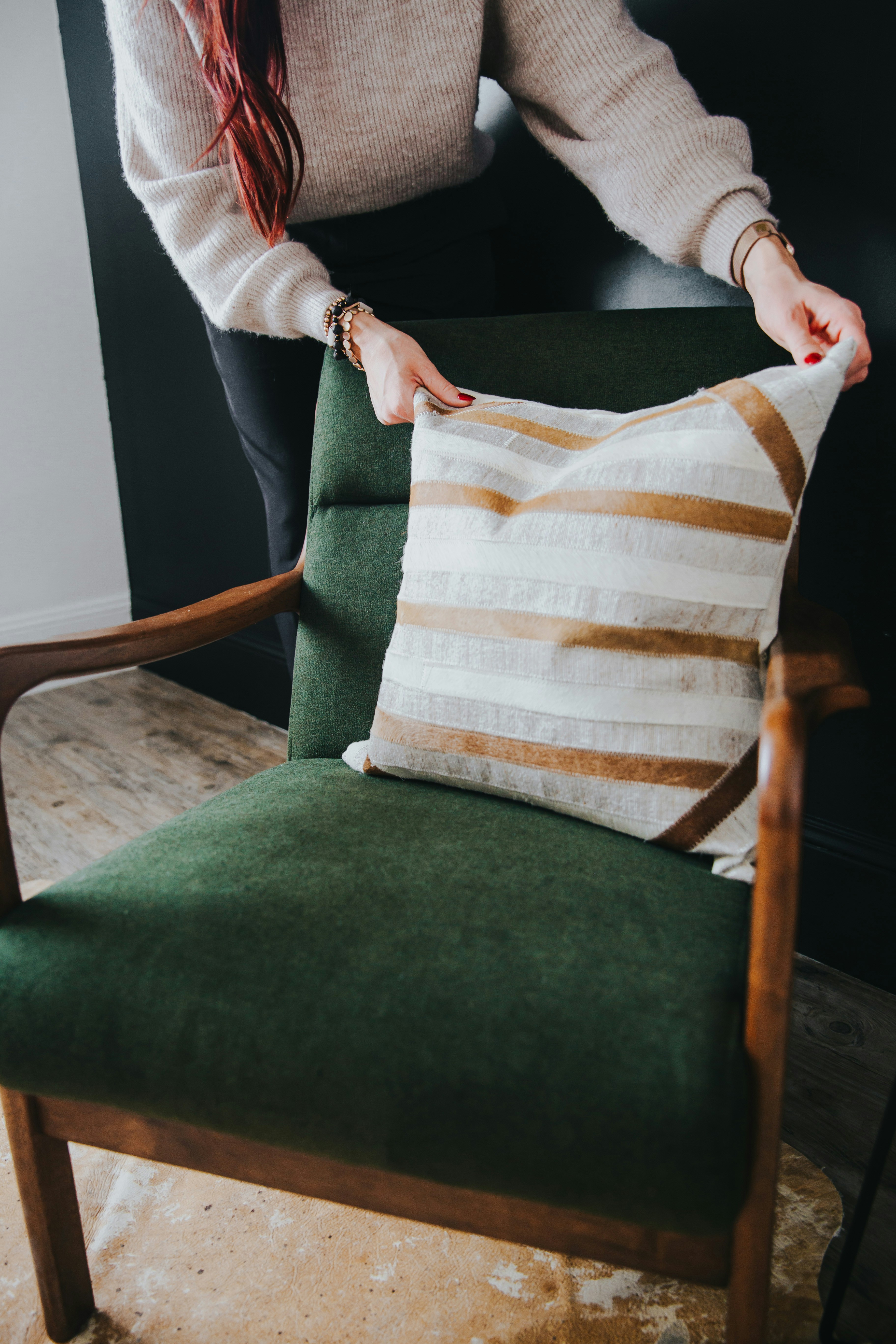
One of the most popular DIY projects is refurbishing old chairs. This process can breathe new life into worn-out furniture and can be done in several ways. Start by removing old upholstery, then sand down the surface to eliminate imperfections. Applying a fresh coat of paint or stain can dramatically change the look. For added flair, consider reupholstering the chair with vibrant fabric. This can not only update the chair’s design but also make it a focal point in your room.
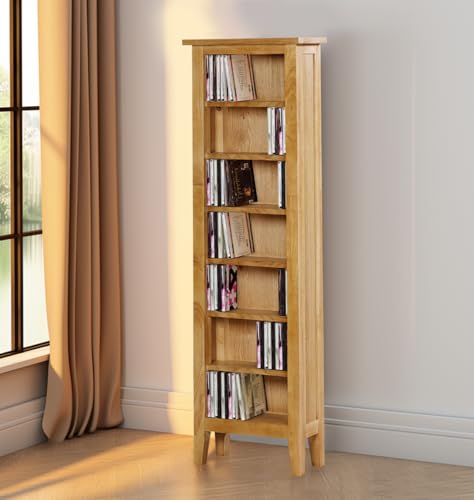
Creating custom shelves is another inventive idea that allows for both functionality and style. Begin by selecting suitable wood and determining the shelf layout that best fits your space. With the right tools, you can easily cut the wood and assemble the shelves to your specifications. This project can be enhanced with decorative brackets or unique supports, which can serve as a statement piece in your home.
Upcycling furniture is an excellent method to turn thrift shop discoveries into cherished home decor items. Transform an old dresser into a chic media console or repurpose nightstands into trendy benches. Consider using decoupage techniques or stencils to personalize the surfaces, making each piece unique. This creativity will not only enhance the furniture but also showcase your individual style.
Engaging in these DIY furniture decoration projects allows homeowners to redesign their living spaces affordably while fostering creativity. The key is to experiment with different materials and techniques, and to enjoy the process of transformation.
Step-by-Step Guide to a Simple DIY Project
Undertaking a DIY furniture decoration project can be a rewarding experience, transforming an ordinary piece into a stunning focal point. For this guide, we will focus on a simple yet effective DIY project: painting a dresser. This process is detailed in several manageable steps to ensure clarity and success.
First, gather all necessary materials. You will need sandpaper, a suitable primer, high-quality paint, a paintbrush, and a sealant. Proper preparation is key to achieving a professional finish. Start by removing any hardware like knobs or handles and emptying the dresser drawers. Next, clean the surfaces thoroughly to remove dust and grime.
Once the dresser is clean, it’s time to smooth out imperfections. Sand the surface lightly using fine-grit sandpaper, which aids paint adhesion and ensures a smooth finish. After sanding, wipe down the dresser with a damp cloth to eliminate any dust created during this process. Allow it to dry completely before proceeding.
The next step involves applying a primer specifically designed for furniture. This will help the paint adhere better and enhance the final look. Use a brush or a roller to cover the entire surface evenly, ensuring no areas are missed. Allow the primer to dry as per the manufacturer’s instructions.
Now, you may begin painting your dresser. Choose a color that complements your home décor and apply the paint in thin, even coats. It is advisable to tackle this in stages, applying multiple layers as needed, allowing each one to dry fully before adding the next. This will prevent drips and uneven texture.
Once the final coat of paint has dried, apply a suitable sealant to protect your newly painted dresser from wear and tear. Reattach the hardware and place your dresser back in its designated spot. With these steps, your DIY furniture project is complete, showcasing your creativity and adding a refreshed look to your home.
Tips for Choosing the Right Color Scheme and Materials
Choosing the right color scheme and materials for DIY furniture decoration is crucial in achieving a cohesive and inviting home environment. Understanding the basics of color theory can significantly aid in making informed choices. Start by familiarizing yourself with the color wheel, which comprises primary, secondary, and tertiary colors. Complementary colors, which are opposite each other on the wheel, create striking contrasts, while analogous colors, located next to each other, promote harmony. Utilizing these principles will help you create visually appealing combinations that resonate with your existing decor.
To visualize potential color schemes, consider utilizing digital tools or mobile applications that allow you to upload images of your space and play with different palettes. This practice provides a clearer perspective on how various colors interact within your home. Additionally, you may want to develop a mood board that combines samples of colors, materials, and textures that inspire your design vision. This hands-on approach not only fosters creativity but also aids in ensuring your choices align with your overall aesthetic.
When selecting materials for your furniture decoration, it is essential to consider factors such as durability, maintenance, and texture. Fabrics like cotton or linen are often favored for their breathability and ease of cleaning, while synthetic materials may offer enhanced durability but could lack the same visual warmth. Paint finishes also play a vital role; matte finishes lend a contemporary sophistication, whereas glossy finishes can accentuate colors and add depth. Ultimately, aim for materials and finishes that reflect your personal style while ensuring they are practical for your specific use cases.
Incorporating Trends into Your DIY Projects
When embarking on DIY furniture decoration, staying abreast of current trends can significantly enhance the aesthetic appeal of your projects. Minimalism continues to dominate the design landscape, characterized by clean lines and a clutter-free approach. Adopting a minimalist style in your DIY endeavors could involve selecting furniture items that emphasize functionality while maintaining an understated elegance. Consider using neutral hues or simple textures to create a harmonious environment that exudes tranquility.
In contrast, vintage styles have seen a resurgence, appealing to those who appreciate the charm of bygone eras. Incorporating vintage elements into your DIY projects might involve sourcing second-hand furniture pieces and transforming them with a fresh coat of paint or varnish. Distressed finishes, unique hardware, and retro patterns can breathe new life into these items, making them focal points within modern homes. Additionally, combining vintage decor with contemporary accessories can create a striking juxtaposition, adding character to your space.
Bold patterns also present a vibrant trend worth exploring. Whether through the use of statement wallpaper, vibrant upholstery, or eclectic throw pillows, bold patterns can infuse personality into your furniture. When embarking on a DIY project that integrates these patterns, aim for balance. For instance, if you opt for a brightly patterned chair, consider grounding it with solid colors in other furnishings to prevent visual chaos.
It is essential to remember that while trends can guide your DIY furniture projects, personal flair remains paramount. Customizing pieces to reflect your unique style can enrich your home’s atmosphere. Whether you lean towards minimalist, vintage, or bold trend inspirations, infusing your personality into the projects will ensure your space remains tailored to your tastes.
Safety Precautions for DIY Furniture Projects
Engaging in DIY furniture decoration can bring creativity and personalization to your home, but it is imperative to prioritize safety throughout the process. Proper safety measures are crucial when working with materials like paints, varnishes, and tools, as they can pose health risks and lead to injuries if not handled appropriately.
One of the primary safety considerations is ensuring proper ventilation when using paints or varnishes. Many of these substances emit fumes that can be harmful if inhaled for prolonged periods. It is advisable to work in a well-ventilated area or, if possible, outdoors. If working indoors, you should open windows and use fans to enhance airflow, thus reducing the concentration of fumes and ensuring a safer ambiance.
In addition to ventilation, the use of protective equipment is essential. Items such as safety goggles, gloves, and masks can shield you from splashes, dust, and harmful vapors. Wearing a mask particularly helps in filtering toxic particles in the air, thus safeguarding your respiratory health. It’s also wise to wear appropriate clothing that covers your skin to prevent irritation or injury.
Furthermore, handling tools safely is critical to avoid accidents. Familiarize yourself with each tool’s operation before you begin. Always follow the manufacturer’s instructions and use the necessary safety features, such as blade guards on saws. Storing tools properly when not in use and ensuring they are in good condition can prevent unexpected injuries.
Implementing these safety precautions will not only enhance your DIY experience but also minimize risks associated with furniture decoration projects. Taking the time to protect yourself and your surroundings lays the foundation for a successful and enjoyable endeavor in transforming your home.
Eco-Friendly DIY Furniture Decoration Options
When considering furniture decoration, adopting eco-friendly practices can significantly enhance the sustainability of home decor projects. Eco-friendly materials and paints play a crucial role in this transformation, allowing homeowners to create beautiful spaces while minimizing environmental impact. Natural materials, such as reclaimed wood, bamboo, and cork, are excellent choices for DIY furniture projects. These materials are not only renewable but also add a unique aesthetic to the furniture, often showcasing their distinctive textures and colors. Utilizing these sustainable materials helps reduce waste and lowers the carbon footprint associated with production.
Upcycling and recycling old furniture are essential aspects of eco-friendly DIY furniture decoration. Instead of discarding unwanted pieces, consider refurbishing them to breathe new life into the items. For instance, an outdated wooden chair can be transformed with a fresh coat of non-toxic paint or new upholstery made from organic fabrics. These practices not only prevent furniture from ending up in landfills but also promote creativity and individuality in home decor. Furthermore, engaging in these activities can foster a sense of accomplishment as DIY enthusiasts see tangible results from their efforts.
To further enhance sustainability in home decor, individuals can incorporate ideas such as using natural finishes, including oils and waxes derived from plant sources, which are often free from harmful chemicals found in conventional finishes. Additionally, sourcing paints labeled as low-VOC or zero-VOC can significantly reduce indoor air pollution, contributing to a healthier living environment. With thoughtful consideration and innovative approaches, eco-friendly DIY furniture decoration not only serves to improve homes aesthetically but also aligns with a broader commitment to environmental stewardship. Ultimately, embracing these sustainable practices allows DIYers to express their creativity while respecting the planet.
Sharing Your DIY Creations and Getting Inspired
Engaging with a community is an integral part of the DIY experience, particularly when it involves the creative endeavor of furniture decoration. By sharing your completed projects on social media, you not only showcase your hard work but also connect with like-minded individuals who share a passion for crafting and home improvement. Platforms such as Instagram, Pinterest, and Facebook are excellent for highlighting your furniture creations. Using relevant hashtags like #DIYFurniture, #HomeDecor, and #UpcycledFurniture can increase the visibility of your posts, allowing you to reach a larger audience.
In addition, consider joining local community boards or groups dedicated to DIY enthusiasts. Websites like Meetup or forums like Reddit provide spaces for individuals to share their projects and exchange tips. Engaging in discussions about techniques and styles can foster motivation and spark new ideas for your own work. Seeing others’ successful transformations can be both inspiring and informative as you continue your journey in DIY furniture decoration.
Furthermore, online platforms such as Etsy or craft-focused blogs often feature DIY projects, tutorials, and tips. These resources serve as excellent sources of inspiration, providing detailed guidance on various techniques from painting and upholstery to more advanced woodworking skills. The vast array of ideas, ranging from traditional to modern styles, reflects the endless possibilities in transforming ordinary furniture into unique statement pieces.
Ultimately, sharing your creations and learning from others can elevate your DIY experience. By connecting with fellow enthusiasts and celebrating each other’s successes, you contribute to a vibrant community that values creativity and craftsmanship. As you explore the wealth of resources available and engage with peers, your skills and confidence in DIY furniture decoration will undoubtedly grow.