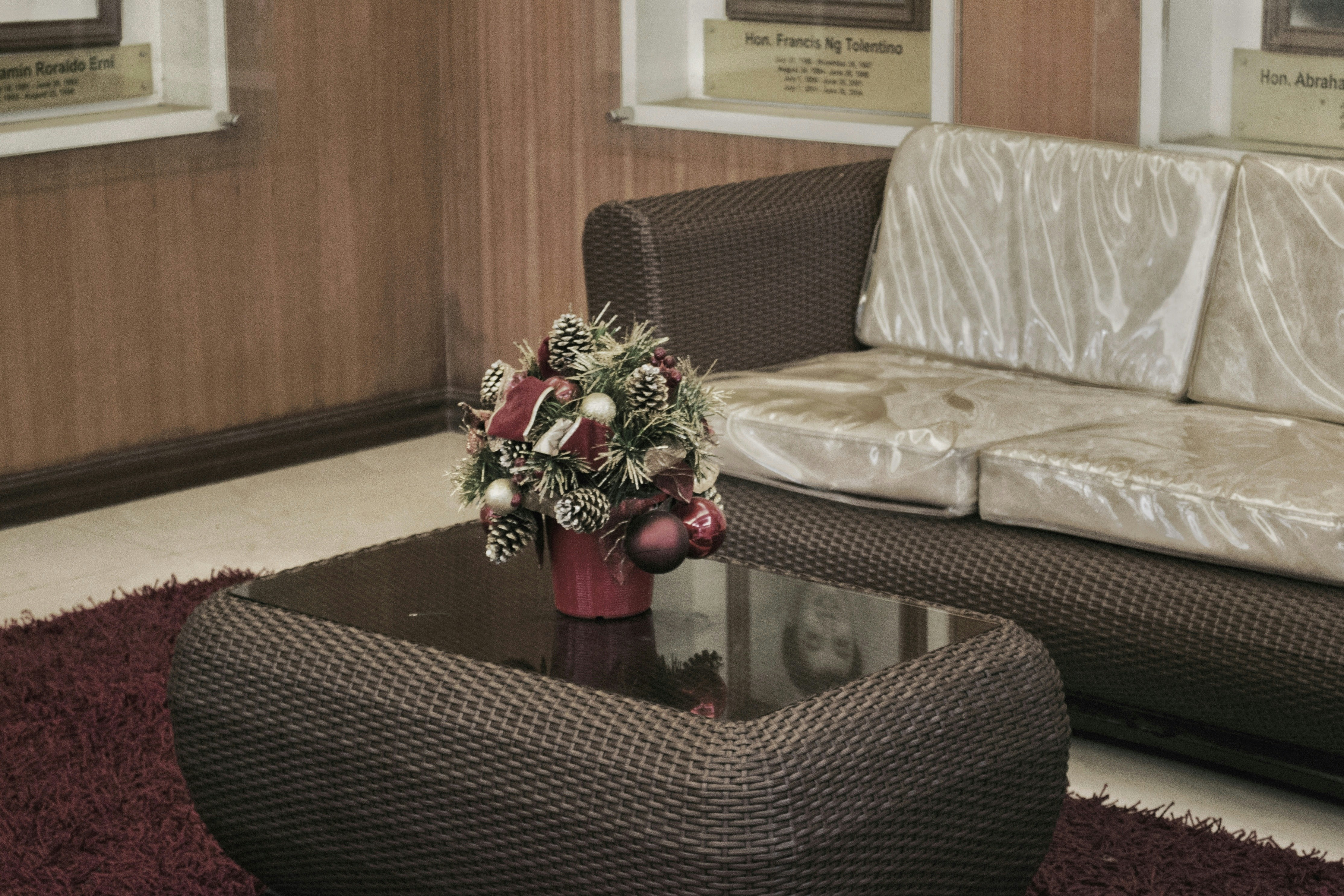
Introduction to DIY Furniture Decoration
DIY furniture decoration refers to the practice of customizing and embellishing furniture pieces to better reflect personal tastes and styles. Over recent years, this approach has gained significant traction among homeowners, driven by a desire for unique living spaces that encapsulate individual character. The rising popularity of DIY projects in furniture decoration can largely be attributed to the increasing availability of resources and materials, along with the influence of social media platforms that showcase innovative crafting ideas.
One of the most compelling aspects of DIY furniture decoration is the empowerment it provides to individuals. By engaging in the creative process, homeowners can transform ordinary furniture into extraordinary pieces that resonate with their aesthetic preferences. This personal involvement not only enhances a living space but also fosters a sense of pride and accomplishment upon completion. Transforming an outdated chair or dresser into a stunning centerpiece can be immensely gratifying and encourages a deeper connection to the home.
Another advantage of undertaking DIY projects is the financial benefit they offer. Often, the cost associated with purchasing ready-made, designer furniture can be quite prohibitive. DIY furniture decoration allows individuals to optimize their budget, using thrifted items or inexpensive materials, while still achieving results that rival expensive alternatives. Furthermore, this approach contributes to sustainability by promoting the repurposing of existing items and reducing waste.
Ultimately, engaging in DIY furniture decoration is both a creative outlet and a practical solution for those looking to revitalize their home environments. By fostering creativity and enhancing affordability, these projects enable individuals to curate spaces that are not only inviting but also distinctly theirs. This guide will delve deeper into various techniques and ideas, allowing you to embark on your own DIY journey effectively.
Choosing the Right Furniture for DIY Projects
When embarking on a DIY furniture decoration project, the selection of the right furniture pieces is paramount to achieving your desired aesthetic and functionality. Understanding your specific needs and preferences will greatly enhance the chances of a successful transformation. Begin by considering the type of furniture you require; this could range from tables, chairs, cabinets, to decorative pieces. Identify how each piece will fit into your overall interior design scheme and function within your space.
The material of the furniture is another crucial consideration. Wood, metal, and plastic are common materials used in various types of furniture, each offering unique characteristics. For instance, wooden furniture is often favored for its durability and versatility in applying various finishes, such as paint, stain, or varnish. Metal pieces can provide an industrial flair and are typically easy to customize with paint or decals. Plastic furniture is lightweight and great for those looking for simple, colorful options. Assessing the material will also help you determine how much effort and resources you will need for your DIY project.
Additionally, pay attention to the condition of the furniture you choose. Visualize how the piece could be transformed and ensure it is structurally sound. Look for items that may require only cosmetic changes, as large repairs can be time-consuming and challenging. Thrift stores, yard sales, and online marketplaces often have affordable second-hand furniture options that can serve as perfect candidates for DIY projects. It is wise to check the functionality and aesthetics before purchasing these pieces. By focusing on the right type, material, and condition, you will set a strong foundation for your DIY furniture transformation.
Essential Tools and Materials for DIY Furniture Decoration
Embarking on a DIY furniture decoration project requires a solid foundation of tools and materials. As you prepare to transform your home through various creative endeavors, it is vital to ensure that you have an extensive toolkit at your disposal. Essential tools for DIY furniture projects include a variety of hand tools, power tools, and safety equipment. Basic hand tools such as screwdrivers (flathead and Phillips), hammers, and retractable utility knives are indispensable for assembling or disassembling furniture pieces.
Moreover, measuring tools like tape measures and levels allow for precision, ensuring all cuts and installations are accurately executed. Power tools, including a cordless drill, sander, and jigsaw, can significantly speed up the process, making cutting, drilling, and surface preparation much more efficient. Safety gear, including gloves, goggles, and masks, is paramount as they protect you during the potentially hazardous phases of your project.
In addition to tools, the materials you choose are crucial for achieving a polished final look. The selection of wood types, paint, and finishes will depend on the specific project and desired aesthetic. When painting furniture, it is essential to select the appropriate paint type: latex paints for easy cleanup, oil-based paints for durability, and chalk paints for a matte finish. Besides paint, having various brushes, rollers, and painter’s tape on hand will allow for smooth application and clean lines.
Furthermore, embellishments like stencils, decals, and fabric can further personalize your furniture. Consider adding hardware, including knobs and handles, that enhance both functionality and style. By gathering these essential tools and materials, you will be well-equipped to undertake various DIY furniture decoration projects, turning your vision into reality.
Popular DIY Techniques for Furniture Decoration
DIY furniture decoration has become a preferred choice for many homeowners seeking to add a personal touch to their interiors. Several popular techniques stand out in this domain, each offering unique benefits while also posing certain challenges. Understanding these methods can enhance your furniture’s aesthetic while ensuring a satisfying creative process.
One popular technique is painting, which can transform old and worn furniture into something fresh and vibrant. Choosing the right type of paint, such as chalk paint or acrylic, can significantly impact the final result. Begin by preparing the surface through sanding and cleaning. Apply a base coat to ensure good adherence, followed by multiple layers of paint, allowing drying time in between. The advantage of painting furniture lies in its ability to customize colors and finishes, but be cautious of drips and uneven coats for a professional look.
Staining is another favored method, particularly effective in highlighting wood grain and enhancing natural textures. This technique involves applying a wood stain to enhance the inherent beauty of the wood. Prep work is crucial here; sanding ensures a smooth surface that better absorbs the stain. Use a cloth or brush to apply the stain evenly. The main advantage of staining lies in its ability to maintain the wood’s appearance while adding depth. However, achieving an even tone can be challenging for beginners.
Upcycling, or repurposing old furniture, is increasingly popular as it promotes sustainable practices. This technique allows individuals to creatively revive discarded items, such as transforming a wooden crate into a stylish side table. The primary advantage of upcycling is environmental consciousness, but it may require some innovation and skill to achieve a pleasing result.
Lastly, decoupage is a technique that involves adhering decorative paper to furniture surfaces. This method allows for significant personalization of any item. After preparing the surface, apply a decoupage medium, then add paper pieces and seal them with additional layers of the medium for durability. The outcome can be stunning, but it may require a steady hand and patience to avoid bubbles and ensure smooth application.
Design Inspirations and Trends in Furniture Decoration
Furniture decoration is an essential aspect of interior design that offers extensive opportunities for creativity and personalization. Currently, several trends and styles dominate the furniture decoration landscape, each providing unique options for transforming your home. One noteworthy trend is minimalism, characterized by simplicity and functionality. The minimalist style emphasizes clean lines, open spaces, and a restrained color palette, making it ideal for fostering a calm and organized environment. By using fewer but high-quality pieces of furniture, you can achieve an elegant and uncluttered look that resonates with contemporary living.
In stark contrast, the bohemian style embraces a more eclectic and vibrant approach. This trend is perfect for those looking to infuse their space with warmth and character. Incorporating a variety of textures, colors, and patterns can create a cozy atmosphere reminiscent of global influences. Consider mixing vintage finds with contemporary pieces, and utilizing various fabrics and decorative accents to celebrate individuality and artistic expression in your DIY projects.
The rustic style is gaining popularity for its charm and connection to nature. This earthy aesthetic emphasizes natural materials, such as wood and stone, often showcasing imperfections that add character to each piece of furniture. Integrating rustic elements, like reclaimed wood tables or handwoven textiles, can bring a sense of warmth and nostalgia to your home. For a harmonious balance, you might pair these with modern accessories.
Lastly, the modern style encompasses a broad range of design influences that combine functionality with aesthetic appeal. Focus on sleek furnishings with bold geometric shapes and a monochromatic color scheme. Incorporate innovative materials, such as metal and glass, to create striking contrasts. By merging these contemporary elements into your DIY furniture projects, you can create spaces that are both functional and visually stunning, reflecting current design trends while maintaining your personal touch.
Step-by-Step DIY Furniture Decoration Projects
Transforming your home through DIY furniture decoration can be rewarding and fulfilling. This section outlines several projects that vary in skill levels and styles, providing detailed instructions and necessary materials for each undertaking. Whether you are a beginner or an experienced DIY enthusiast, you’ll find something suitable for your taste and capabilities.
Project 1: Upcycled Wooden Pallet Coffee Table
*Estimated Time: 4-6 hours*
*Materials Needed: Wooden pallets, sandpaper, wood stain or paint, wood screws, and a clear sealant.*
*Tools Required: Screwdriver, sander, paintbrush, and a measuring tape.*
To begin, select sturdy pallets and sand them to achieve a smooth finish, removing any splinters. Next, assemble the pallets to form the tabletop and legs. Secure them with wood screws for durability. Once the structure is stable, apply a wood stain or paint of your choice to enhance the aesthetic appeal. After the paint has dried, finish with a clear sealant to protect the surface and give it a polished look.
Project 2: Fabric-Covered Dining Chair
*Estimated Time: 2-3 hours*
*Materials Needed: Dining chairs, upholstery fabric, foam padding, staple gun, and scissors.*
*Tools Required: Screwdriver, measuring tape, and a staple gun.*
Start by removing the seat from the chair frame. Cut foam padding to fit the seat and layer it with your chosen fabric, ensuring there is enough material to fold over the edges. Secure the fabric underneath using a staple gun, pulling it tight to avoid wrinkles. Reattach the seat to the frame, and your revitalized dining chair is ready to use.
Project 3: Decorative Shelves
*Estimated Time: 1-2 hours*
*Materials Needed: Wooden boards, brackets, paint, and screws.*
*Tools Required: Drill, level, and measuring tape.*
Choose the desired length and width for your shelves. Paint them in a color that complements your decor. After the paint dries, mount the brackets on the wall, using a level to ensure they are straight. Attach the shelves securely to the brackets, and utilize them to showcase books or decorative items, contributing style and organization to your space.
These DIY furniture decoration projects not only enhance your home’s aesthetics but also allow you to express your creativity. Whether you prefer rustic charm, modern minimalism, or vibrant patterns, each project can be tailored to match your unique style.
Safety Tips for DIY Furniture Decoration
When undertaking DIY furniture decoration projects, safety should always be a top priority. Proper planning and preparation are essential for creating a safe working environment. Ensuring adequate ventilation is particularly important, especially when using paints, stains, or adhesives that may contain harmful fumes. Open windows and doors, or consider using exhaust fans to improve airflow. This practice will help reduce potential inhalation of toxic substances and create a more pleasant workspace.
Another vital aspect of safety in DIY furniture decoration is the use of protective gear. Wearing appropriate safety equipment, such as goggles, gloves, and masks, can significantly reduce the risk of injuries. Protective goggles will shield your eyes from dust and flying debris, while gloves can prevent skin irritations from chemicals or sharp tools. A mask is advisable when sanding or working with materials that produce fine particles, ensuring that you are not exposed to harmful dust.
Additionally, handling tools responsibly is crucial for maintaining a safe DIY environment. Before starting any project, familiarize yourself with the tools you will be using. This includes power tools, hand tools, and any equipment that requires careful maneuvering. Always follow the manufacturer’s instructions regarding tool usage, and ensure that tools are in good condition, free of any wear or damage. Keeping a clean work area is also essential; clutter can lead to accidents such as trips and falls, hindering not only your progress but also your safety.
Incorporating these safety tips into your DIY furniture decoration projects will help ensure a positive and secure crafting experience. By prioritizing safety, you can focus on expressing your creativity without the worry of potential hazards. When you combine a commitment to safety with your desire for beautiful furnishings, your DIY journey can be both enjoyable and productive.
Sharing Your DIY Projects and Inspiring Others
Sharing completed DIY projects can be immensely rewarding, both for the creator and the community at large. Engaging with others who share similar interests not only fosters creativity but also enhances learning opportunities. By showcasing your work, you can inspire fellow DIY enthusiasts and perhaps motivate them to embark on their own transformation journeys.
There are numerous platforms where one can share DIY furniture decoration projects. Social media sites such as Instagram, Pinterest, and Facebook are ideal for reaching a wide audience. These platforms allow you to post images and short videos of your projects, along with captions that detail your journey. Using relevant hashtags can increase the visibility of your work, enabling others to discover your projects and learn from them. Additionally, many social media platforms offer dedicated groups where individuals can share their experiences and receive encouragement from like-minded creators.
DIY blogs serve as another excellent venue for sharing projects. Writing blog posts detailing your process not only documents your efforts but also provides an avenue for in-depth discussion. Detailing the materials used, challenges encountered, and the ultimate successes can inspire others and provide practical advice. Engaging with readers through comments can also lead to valuable feedback and the opportunity to exchange ideas.
Online forums, such as Reddit or specialized DIY communities, can also be effective platforms for showcasing your work. These spaces encourage open discussion, allowing for direct interaction with other DIY fans. When presenting your projects, remember to document each stage clearly, demonstrating the process and the final outcome. High-quality images and thoughtful narratives will make your work more relatable and inspiring. Ultimately, by sharing your DIY projects, you not only celebrate your creativity but contribute to a larger community focused on innovation and personal expression.
Conclusion: Embrace Your Creativity with DIY Furniture Decoration
As we conclude this guide, it is essential to reiterate the value of embracing your creativity through DIY furniture decoration. Engaging in this hands-on process allows you to personalize your home in a way that reflects your unique style and personality. The experience of transforming ordinary pieces of furniture into customized works of art not only enhances the aesthetic appeal of your living space but also serves as an opportunity for self-expression.
With DIY furniture decoration, you have the freedom to experiment with various design elements, whether it be exploring different color schemes, textures, or materials. Each project is a chance to discover what resonates with you, and the results can lead to stunning transformations that invigorate your home environment. Beyond merely a creative outlet, these personalized spaces can significantly contribute to your overall well-being, allowing you to create an atmosphere that feels truly yours.
Moreover, the DIY community offers a supportive network for those who embark on this journey. Sharing your results and experiences with others can foster connections and inspire further creativity. By participating in forums or social media groups, you can learn from fellow enthusiasts, exchange ideas, and gain valuable feedback on your projects. It’s a wonderful reminder that you are not alone in this creative endeavor; many individuals are eager to support and celebrate each other’s achievements.
So, we encourage you to pick up your tools and start your journey into the world of DIY furniture decoration. Embrace the joy that comes from your creativity, and allow your living space to become a reflection of your distinctive taste and vision. Happy decorating!