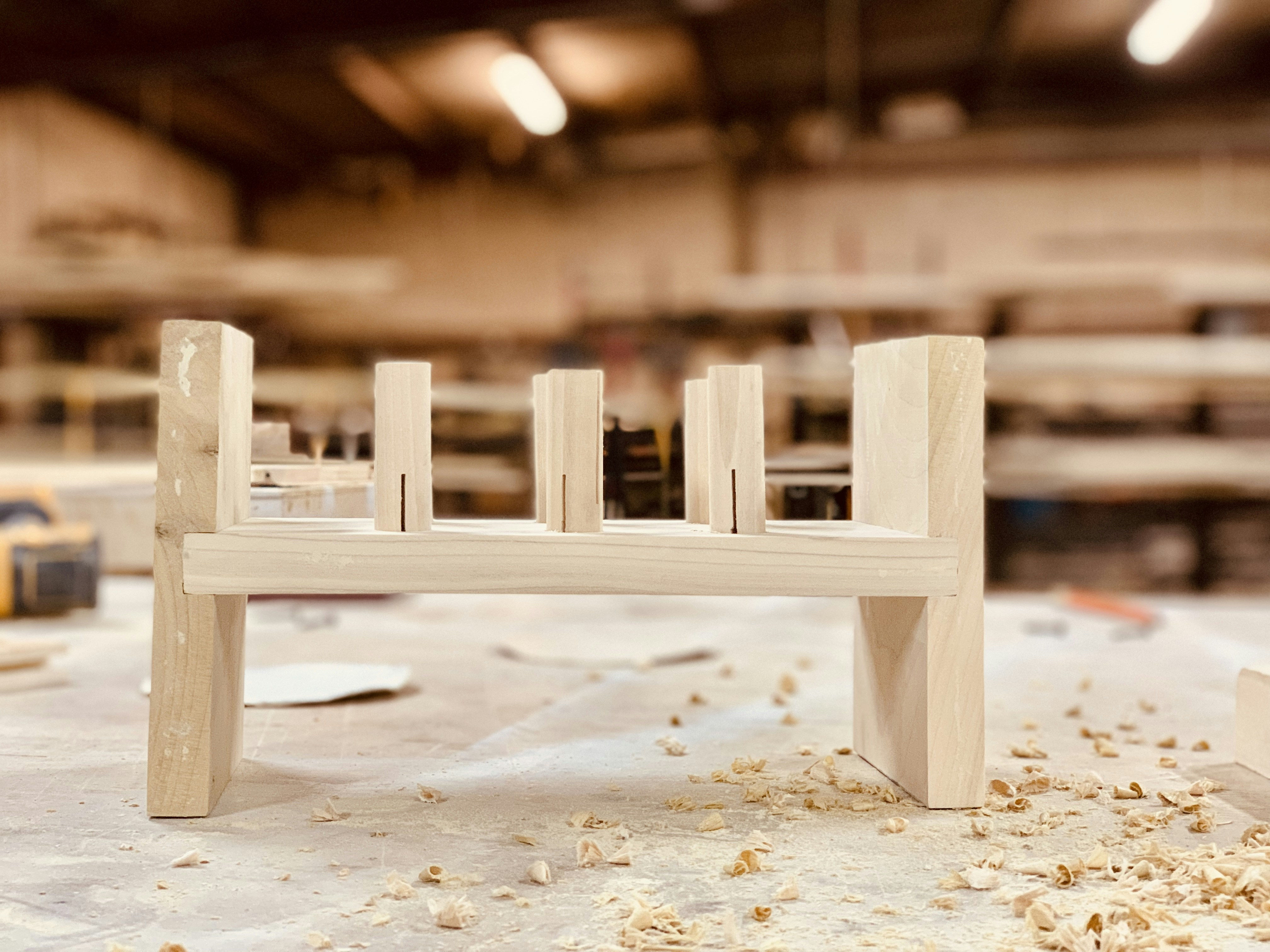
Introduction to DIY Furniture on Amazon
The concept of DIY furniture has gained significant traction in recent years, particularly within the US market. This trend has been largely facilitated by the accessibility and convenience offered by online platforms, notably Amazon. DIY furniture refers to products that require assembly by the consumer, allowing for a hands-on approach to furnishing one’s home. The appeal of DIY furniture lies in its affordability, customization options, and the satisfaction derived from self-assembly.
Affordability is a primary factor driving consumers towards purchasing DIY furniture. Unlike fully assembled pieces, DIY options are typically less expensive, allowing individuals to furnish their living spaces without overspending. This cost-effective approach makes quality furniture accessible to a wider audience. Furthermore, buyers can often find competitive prices on DIY options, especially on platforms like Amazon, where discounts and promotions are commonly available.
Customization is another appealing aspect of DIY furniture. Many consumers prefer the ability to personalize their home decor based on individual style and preference. DIY solutions often come in various designs, colors, and configurations, enabling users to create a unique setup that reflects their taste. This flexibility is particularly advantageous in smaller living spaces where maximizing utility while maintaining aesthetic appeal is essential.
In addition to financial and aesthetic considerations, the joy of hands-on assembly cannot be overlooked. Assembling furniture can be a rewarding experience, allowing consumers to engage creatively with their purchases. Many find the process of putting together furniture pieces to be fulfilling, as it fosters a sense of ownership and accomplishment. This engagement transforms the act of furnishing a home into a project, enhancing the emotional connection to the furniture itself.
As the market for DIY furniture continues to grow, the consumer demand for versatile, affordable solutions remains strong. Amazon’s vast selection of DIY furniture products caters to this demand, making it a key player in shaping trends in home furnishings. This introduction sets the stage for a deeper exploration of the various DIY furniture options available on Amazon and the benefits they bring to consumers.
Top Benefits of Choosing DIY Furniture
DIY furniture has gained significant popularity in recent years, particularly among homeowners seeking both style and affordability. One of the foremost advantages of selecting DIY furniture is the cost savings it offers compared to pre-assembled pieces. Flat-pack furniture often comes at a more accessible price point, allowing consumers to stretch their budgets further while still achieving a stylish and functional aesthetic.
Another notable benefit is the personalization that DIY furniture allows. By opting for these products, individuals can customize their pieces to suit their specific tastes and needs. This flexibility enables homeowners to choose materials, colors, and designs that resonate with their unique decor styles. Consequently, DIY furniture can seamlessly blend into existing interiors, enhancing the overall look of living spaces.
Moreover, engaging in DIY projects fosters a sense of involvement in home decor. As individuals assemble their furniture, they often develop a deeper appreciation for their living spaces. This engagement not only cultivates creativity but also transforms the act of furnishing a home into a rewarding experience. Homeowners take pride in their handiwork, which can lead to a greater emotional connection to their furnishings.
Additionally, opting for flat-pack furnishings contributes positively to the environment. Many DIY furniture products are designed with sustainability in mind, utilizing eco-friendly materials and production methods. By choosing these options, individuals can minimize their carbon footprint, making a responsible choice that aligns with contemporary environmental values.
In conclusion, the choice of DIY furniture presents various benefits, including cost efficiency, customization opportunities, enhanced engagement in home decor, and environmental considerations. These advantages make DIY options an appealing choice for shoppers looking to furnish their homes thoughtfully and affordably.
Popular Categories of DIY Furniture Products
The landscape of DIY furniture on Amazon encompasses a diverse array of categories, catering to various consumer needs and preferences. Among the most popular options are shelving units, desks, chairs, and beds, each presenting unique styles, materials, and price ranges.
Shelving units are a practical choice for homeowners and renters alike, offering versatility in design. From minimalist styles made with metal and wood combinations to elaborate systems that incorporate colorful shelving, there is something to suit every aesthetic. Pricing for these units varies significantly, with options available for those on a budget, as well as premium selections for upscale interiors.
Desks represent another vital category in the DIY furniture market. With the rise of remote work, the demand for functional yet stylish desks has surged. Customers can find options ranging from compact writing desks ideal for small spaces, to larger executive desks that make a statement. Materials play a crucial role here, with choices including solid wood, laminated surfaces, and contemporary metal designs. Price points also reflect this diversity, catering to various consumer segments.
Chairs are essential for both comfort and style in any living or working space. The range is extensive, including dining chairs, office chairs, and accent chairs, which can transform a space with their design. Materials such as fabric, leather, and wood create different looks and feel, appealing to a broad consumer base. Budget-friendly options sit alongside more luxurious alternatives, ensuring that consumers can find a suitable chair regardless of their financial constraints.
Lastly, DIY beds showcase an impressive array of styles, from platform beds to headboard designs. These products often allow for customization with different finishes and fabrics. The pricing of DIY beds can also vary significantly, accommodating various budgets while offering options that can fit different room aesthetics.
Essential Tools for DIY Furniture Assembly
Assembling DIY furniture can be a manageable task with the right set of tools. To guarantee a successful and efficient assembly process, it is crucial to equip yourself with a selection of essential tools. Basic tools like screwdrivers, hammers, and measuring tapes cannot be overlooked, as they play a significant role in ensuring not only accuracy but also safety during the assembly process.
First, a set of screwdrivers, including both Phillips and flathead types, is vital for driving screws into various materials. The correct screwdriver will prevent damage to your furniture pieces while providing a firmer grip on the screws. A hammer is another indispensable tool, especially for assembling flat-pack furniture where dowels or pegs require gentle tapping to secure pieces together without causing splits or cracks.
A reliable measuring tape is indispensable in DIY furniture assembly. Accurate measurements are crucial to prevent mistakes while aligning sections of the furniture. Additionally, having a square tool on hand can help ensure right angles, which is essential for constructing sturdy and balanced furniture items. A level tool can also be useful to verify that items are properly aligned, avoiding any potential wobbling in the final product.
Furthermore, using safety equipment is essential during assembly. Always consider wearing safety glasses to protect your eyes from dust and debris, especially when working with power tools or hammering. A pair of gloves can also be beneficial in safeguarding your hands from sharp edges and injuries. Finally, investing in a comprehensive toolkit that includes all these essential tools, along with some extras such as pliers and a utility knife, will enhance your DIY experience. This preparation can significantly ease the assembly process and ensure your furniture is constructed safely and effectively.
Top-Selling DIY Furniture Products on Amazon
In the ever-growing world of DIY furniture, Amazon stands out as a premier marketplace, offering a wide variety of options that cater to different tastes and budgets. This section will explore some of the top-selling DIY furniture products available on Amazon, designed to meet a variety of consumer needs. By focusing on features, price ranges, and user reviews, readers can make informed purchasing decisions.
One exemplary product is the Amish Made Rustic Wood Coffee Table, renowned for its exceptional craftsmanship. Priced around $200, this coffee table offers a charming blend of durability and rustic aesthetics, making it a favored choice among those seeking to enhance their living space. User reviews often highlight its sturdy build and ease of assembly, contributing to its popularity on Amazon.
Another standout is the Furinno 11192EX Compact Storage Shelf. Retailing for approximately $50, this shelf strikes a balance between functionality and affordability. Users appreciate the versatility it provides for organizing books or decorative items. Furthermore, the assembly process is straightforward, beneficial for DIY enthusiasts looking for hassle-free options.
The Sauder Edge Water Collection Desk also garners significant attention. With a price point around $150, this desk combines style with practicality, featuring a modern finish and ample storage options. Reviewers frequently mention its ease of assembly and suitability for both home offices and study areas, making it a popular choice for those working from home.
To summarize, the diversity of DIY furniture products on Amazon allows consumers to find pieces that align with their aesthetic preferences and functional requirements. Each of these top-selling items is well-reviewed, reflecting a combination of quality, affordability, and user-friendly assembly that resonates with shoppers across the US market.
DIY Furniture Assembly Tips and Tricks
Assembling DIY furniture can be a rewarding experience, but it often comes with its set of challenges. To ensure a smooth and efficient assembly process, there are several tips and tricks that can significantly enhance your experience. First and foremost, it is essential to thoroughly read the assembly instructions provided with the furniture. Many manufacturers will include details that are crucial for successful assembly, and overlooking any part can lead to confusion later on.
Before you begin, take the time to organize all the components of your DIY furniture. Lay out the pieces on a flat surface, ensuring that you have easy access to tools, screws, and any other required materials. This organized approach allows you to visually confirm that you have all necessary parts and avoid the frustration of searching for missing items during the assembly process. Additionally, sorting pieces by type and size can significantly reduce the time spent identifying similar components as you progress with the build.
It’s also important to identify common pitfalls that can derail your DIY assembly efforts. One common mistake is rushing through the process—or trying to skip steps that might seem unnecessary. Each step in the assembly instructions is designed to guide you toward a structurally sound end product, so patience is paramount. Moreover, using the right tools can make a significant difference in assembly quality. Ensure you have all needed tools on hand, including a screwdriver, hammer, and level. The right tools not only help prevent damage to the furniture but also ensure that everything fits together properly.
Lastly, don’t hesitate to seek help if you’re struggling with any aspect of the assembly. Sometimes a second pair of hands or a fresh perspective can be invaluable. By following these tips, the process of assembling your DIY furniture will be far more manageable and enjoyable.
Personalizing Your DIY Furniture: Creative Ideas
Once your DIY furniture is assembled, personalizing it becomes a vital step to ensure that it reflects your individual style and complements your living space. One of the most effective ways to achieve this is through painting. Choosing vibrant colors or applying unique patterns can transform a plain piece into an eye-catching statement. Consider using chalk paint for a matte finish or spray paint for a sleek look. Stencils and painter’s tape can further enhance your creative designs, making them both fun and approachable.
Another avenue for personalization is by adding hardware. Swapping out standard knobs and handles for artisanal options can give your furniture an upscale feel. Look for unique, vintage, or handmade pieces that resonate with your aesthetic. These can serve as conversation starters and elevate the overall look of your DIY project.
Moreover, incorporating DIY decor techniques can significantly enhance the character of your furniture. For instance, decoupage can transform surfaces by adding layered images or textures using paper or fabric, while reupholstering a chair’s seat can introduce new colors and patterns. Additionally, techniques such as distressing or glazing can create a vintage look that adds depth and interest to your furniture pieces.
For those who appreciate sustainability, upcycling existing pieces is an innovative way to personalize your DIY furniture. Consider giving an old item a new life by refinishing, repurposing, or integrating it into your new project. This could mean using reclaimed wood to build a rustic table or converting an old dresser into a chic TV stand. Each of these methods not only fosters creativity but also contributes to eco-friendly practices in furniture design.
Sustainability and Eco-Friendly Choices in DIY Furniture
The growing awareness regarding environmental issues has significantly influenced consumer behavior, particularly in the realm of furniture. DIY furniture presents an opportunity not only to personalize living spaces but also to make eco-conscious choices. Selecting sustainable products is paramount when considering the environmental implications of furniture production and disposal.
Many traditional furniture options are crafted from unsustainable materials, which often involve extensive resource use and contribute to deforestation and waste. In contrast, DIY furniture frequently utilizes reclaimed wood, recycled materials, and sustainably sourced supplies, which can significantly reduce the ecological footprint of each item. For instance, using recycled pallets or upcycled materials can breathe new life into discarded items, effectively minimizing landfill contributions.
Additionally, eco-friendly finishes and adhesives are now widely available, allowing DIY enthusiasts to complete their projects without the harmful chemicals often found in conventional furniture finishes. By choosing water-based stains or non-toxic glues, one can enhance indoor air quality while still achieving beautiful results. This not only benefits personal health but also contributes to a more sustainable home environment.
Moreover, engaging in DIY furniture projects encourages a culture of creativity and resourcefulness, fostering a greener lifestyle. By investing time in making one’s own furniture, individuals become more mindful of their consumption habits. Rather than frequently purchasing new pieces, they can prioritize durability and quality in their designs. This mindset can lead to a significant reduction in waste generation, as consumers opt for timeless and versatile designs that can adapt to changing needs.
Ultimately, embracing sustainability in DIY furniture creation not only benefits the environment but also enhances personal satisfaction and pride in producing unique, eco-friendly pieces. By making informed choices that prioritize sustainable practices, consumers can contribute to a circular economy and promote a healthier planet for future generations.
Conclusion: Embracing the DIY Furniture Movement
As we conclude our exploration of Amazon DIY furniture products, it is clear that this movement offers a unique blend of creativity, affordability, and customization for homeowners across the United States. The rise of do-it-yourself furniture solutions has empowered individuals to take control of their living spaces in ways that traditional retail options often do not allow. With numerous choices available on Amazon, consumers can easily find pieces that suit their distinct tastes and needs, all while sticking to budget constraints.
A key benefit of choosing DIY furniture from Amazon is the ability to personalize each item. This level of customization not only enhances aesthetic appeal but also fosters a sense of ownership over one’s environment. By selecting designs, colors, and materials that resonate personally, individuals can curate spaces that reflect their unique personalities and lifestyles. Furthermore, many DIY furniture options come with user-friendly assembly instructions, making them accessible to even the most novice DIYers.
Cost-effectiveness is another significant advantage of embracing the DIY furniture trend. Compared to fully assembled alternatives, DIY products generally present a more affordable option, enabling shoppers to furnish their homes without incurring substantial costs. This aspect is particularly appealing for millennials and younger generations who prioritize value and affordability when making purchasing decisions. Additionally, engaging in DIY projects can also bring about a sense of accomplishment, as individuals witness the transformation of raw materials into functional and stylish furniture pieces.
In light of these factors, it is evident that the DIY furniture movement, particularly through platforms like Amazon, is more than just a trend—it represents a shift towards creativity and personal expression in home decor. By embracing this movement, consumers can not only furnish their spaces more economically but also engage in a fulfilling and creative process that enriches their living environments.