Introduction to DIY Furniture Decoration
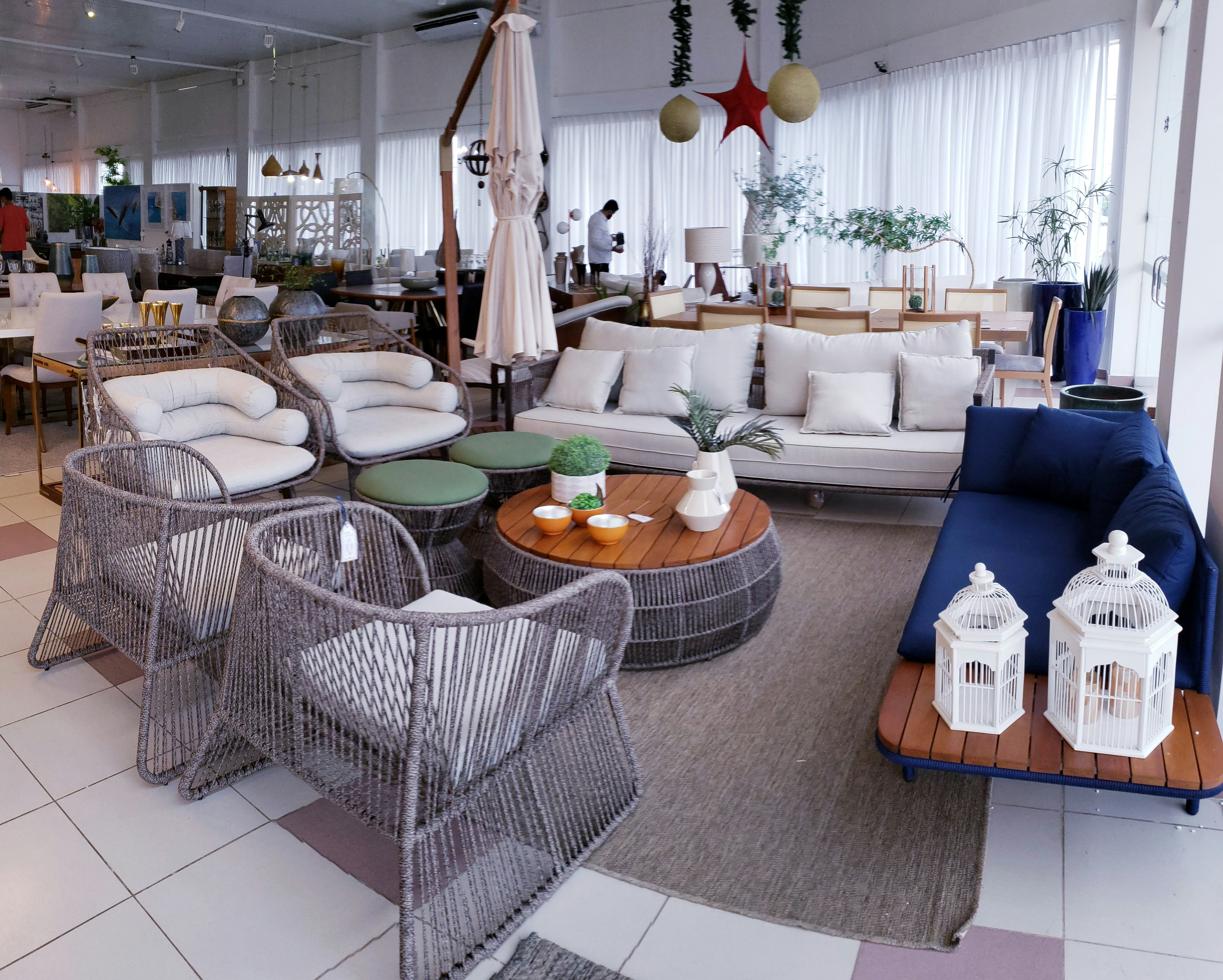
In recent years, DIY furniture decoration has gained remarkable popularity among homeowners and interior design enthusiasts alike. This burgeoning trend not only offers an avenue for personal expression but also contributes to cost-effectiveness and environmental sustainability. Many individuals are now looking to revamp their living spaces by engaging in creative projects that allow them to personalize their furniture without incurring high costs.


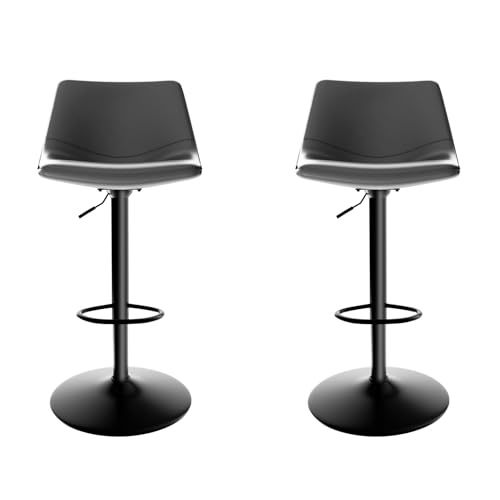
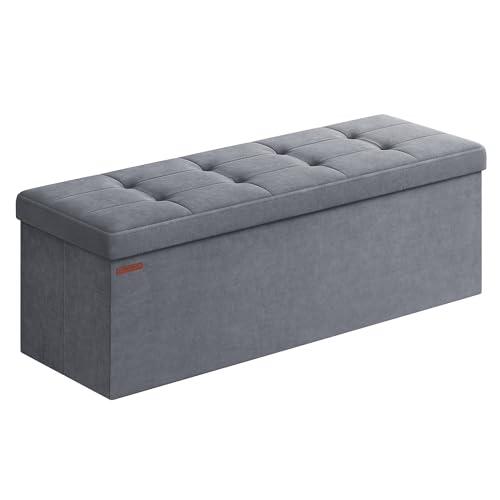
One of the primary benefits of DIY furniture decoration is the ability for individuals to showcase their unique style and preferences. When you create or modify furniture pieces, you have full control over the design elements such as color, materials, and textures. This makes it possible to transform ordinary items into stunning focal points that mirror one’s personal aesthetic. By integrating DIY techniques into home decor, you can create truly one-of-a-kind furnishings that stand out in a crowded marketplace.
Moreover, engaging in DIY projects promotes a sense of accomplishment and pride as individuals successfully repurpose or redecorate their furniture. Many find joy in the creative process, discovering new skills along the way. Furthermore, by undertaking these projects, people contribute to environmental sustainability by reducing waste. Instead of discarding old or unwanted furniture, they can transform it into something functional and beautiful, hence extending its lifespan and minimizing the carbon footprint associated with manufacturing new items.
As the allure of DIY furniture decoration continues to grow, it encourages people to explore their creative sides, engage with sustainable practices, and cultivate a home environment that reflects their values and personalities. This guide will delve into various techniques and ideas that inspire readers to embark on their own DIY furniture decoration journey.
Essential Tools and Materials for DIY Projects
Embarking on DIY furniture decoration requires a well-stocked toolkit and a selection of essential materials. Understanding what is needed for your projects can set the foundation for a successful venture. The first prerequisite is a quality work surface, preferably a sturdy table or workbench where you can comfortably carry out tasks.
A set of basic hand tools is indispensable. This typically includes a hammer, screwdrivers, pliers, and a utility knife. Additionally, a measuring tape and a square are crucial for ensuring accurate dimensions and straight cuts. When measuring and cutting, precision is key to achieving a professional finish. For projects that involve assembly, wood glue and a power drill or a screwdriver set can facilitate the process.
Paint is another pivotal component in furniture decoration. Choose types specifically designed for the material you will be working on, such as latex paint for wood or chalk paint for a matte finish. Accompanying your paint, a selection of brushes and foam rollers will help achieve varied textures and finishes. Don’t forget to include sandpaper, which is essential for preparing surfaces and achieving a smooth finish.
To further enhance your project, fabric can play a significant role, especially when reupholstering chairs or adding cushions. Selecting the right type of fabric depends on your style preference and the intended use of the furniture. Varnish and sealants are also vital for protecting your finished pieces, especially if they will be subjected to heavy use.
All these items are readily available at local hardware stores or online retailers. When choosing materials, always prioritize quality to ensure durability and a polished result. Equipped with these essential tools and materials, you are well on your way to revamping your space through DIY furniture decoration.
Choosing the Right Furniture for Your DIY Project
When embarking on a DIY furniture decoration project, the first and perhaps most crucial step is selecting the right pieces of furniture to upcycle or redecorate. The condition of the furniture is paramount; one must assess whether the piece is structurally sound and worth the investment of time and resources. Thoroughly inspect the item for any damages such as scratches, loose joints, or water damage. Furniture that is still functional, even with some imperfections, can be transformed into stunning focal points in your home.
Equally important is the compatibility of the furniture piece with your desired style. You should consider the aesthetic of your space to ensure that the newly decorated item will seamlessly blend in. For instance, a vintage wooden chair can be revitalized with a modern paint job or new upholstery to fit a contemporary interior. Conversely, a sleek, contemporary table may benefit from rustic accents that lend character and warmth.
Additionally, it is wise to consider the potential for restoration when selecting furniture for your DIY ventures. Pieces such as chairs, tables, and cabinets often offer ample opportunities for creative enhancements. For example, an ordinary wooden cabinet can be turned into a statement piece with careful sanding and the application of a bold color or unique hardware. Similarly, a set of old dining chairs can be transformed by simply changing the fabric or staining the wood to a more appealing hue.
In conclusion, selecting the right furniture for your DIY project is a transformative step that directly affects the outcome of your efforts. By assessing the condition, ensuring style compatibility, and recognizing the potential for restoration, you can choose pieces that align with your vision while maximizing their utility and appeal in your space.
Popular DIY Techniques for Furniture Decoration
DIY furniture decoration is an engaging and satisfying way to breathe new life into your living space. There are several popular techniques that individuals can utilize to transform their furniture into stunning focal points. Each technique offers a way to express creativity while significantly enhancing the aesthetic appeal of domestic items.
One of the most prevalent methods is painting. This approach allows for a complete color overhaul, which can dramatically change the look of any piece. To undertake this, you will need high-quality paint, brushes or rollers, sandpaper, and a primer. Visual inspiration can be drawn from various online sources that showcase contrasting colors and themes, making your furniture a true statement piece.
Staining is another fantastic option that can accentuate the natural beauty of wood grains. It involves applying a specific type of stain to highlight the texture and color of the material beneath. For staining, you will need wood stain, brushes, rags, and a protective finishing coat. The results often yield a sophisticated and rich appearance that maintains the integrity of the wood.
Decoupage is an intriguing technique that involves adhering decorative paper or fabric to furniture surfaces. This artful method can result in unique designs and is a great way to repurpose old materials. Essential supplies include mod podge, brushes, scissors, and chosen decorative materials. Practicing different patterns can offer endless possibilities.
Upholstery can refresh chairs, couches, or cushions by changing the fabric covering. For novice DIYers, essential tools such as fabric, a staple gun, scissors, and foam padding will be needed. It is essential to consider various textures and colors to match existing decor.
Lastly, the distressing technique creates a vintage or rustic look. This often involves sanding down surfaces to give an aged appearance. Tools needed include sandpaper and a paintbrush. This technique is particularly popular for achieving a cozy, lived-in feel.
Each of these popular DIY techniques presents a unique way to rejuvenate furniture, creating personalized items that can enhance your home decor. By experimenting with these methods, individuals can discover appealing styles that resonate with their personal aesthetic.
Incorporating Color and Patterns Effectively
When it comes to DIY furniture decoration, the selection of color and patterns plays a pivotal role in defining the overall aesthetic of your space. Understanding color theory is essential in making informed choices that enhance the visual appeal of your furniture. The color wheel is a foundational tool that categorizes colors into primary, secondary, and tertiary groups. Familiarizing yourself with complementary colors—those located directly opposite each other on the color wheel—can result in striking contrasts that invigorate your decor. For instance, a bold blue paired with a warm orange can create an eye-catching visual dynamic in a living room setting.
Beyond complementary colors, it’s beneficial to consider analogous colors, which are adjacent on the color wheel, for a more harmonious effect. A combination of green, blue, and yellow can bring a sense of calm and serenity, making it suitable for bedrooms or relaxation areas. Additionally, utilizing neutral colors as a base can provide stability, allowing you to incorporate vibrant accents through furniture pieces, accessories, or textiles.
Patterns further enrich the visual texture of your furniture decoration. Incorporating designs such as stenciling or fabric prints can dramatically alter the appearance of a piece. For example, using a geometric stenciling technique on a plain dresser can turn an everyday item into a statement piece. When applying patterns, it is advisable to limit them to one or two designs within a single space to avoid overwhelming the viewer. Combining a bold pattern with a subtle one often strikes the ideal balance, creating a cohesive and engaging environment.
In conclusion, thoughtfully incorporating colors and patterns into your furniture decoration can greatly enhance the overall aesthetic of your space. By understanding color theory and applying it effectively, you can make informed decisions that reflect your personal style while maintaining visual harmony.
DIY Furniture Decoration Ideas for Every Room
When considering DIY furniture decoration, it’s essential to tailor your projects to the specific needs of each room in your home. By focusing on a few key pieces, you can significantly enhance the aesthetic appeal and functionality of your living space.
In the living room, a common piece to revamp is the coffee table. An easy project involves using chalk paint to change its color and finish, providing an entirely new look. For a more advanced project, consider adding a reclaimed wood top to an outdated table, giving it a rustic charm while promoting sustainability. Additionally, you can create custom coasters using resin to complement the revamped coffee table.
In the bedroom, the headboard is an excellent candidate for a DIY transformation. A simple technique is to upholster an existing headboard with fabric that matches your décor. For a more challenging project, consider constructing a pallet headboard, which adds a trendy element to the space. Furthermore, DIY nightstands can also be created from crates, allowing for both creativity and practicality.
For the kitchen, think about refreshing your dining chairs. An easy task includes reupholstering chair cushions, providing a fun pop of color. If you’re seeking a greater challenge, repainting or stenciling the chairs can create a cohesive theme throughout the kitchen. Additionally, creating a kitchen island from an old cabinet is a rewarding project that enhances storage and counter space.
In the home office, desk organization can be easily improved through DIY projects. Consider painting and updating an old desk with new hardware for a fresh look. If you want to tackle a complex project, constructing floating shelves can not only provide additional storage but also contribute to an organized and stylish office space.
By exploring these DIY furniture decoration ideas tailored to your homes, you can effectively enhance your living environment, infusing it with your unique aesthetic and functionality preferences.
Styling Your Newly Decorated Furniture
After completing your DIY furniture decoration project, the next crucial step is to style your newly adorned pieces to ensure they harmoniously integrate within your living space. This involves more than just placing items on the furniture; it requires a careful consideration of arrangement, accessory usage, and functionality to enhance the overall aesthetics of the room.
Start by evaluating the color palette and design theme of your newly decorated furniture. It is essential to select complementary decor that enhances the visual appeal without overwhelming the space. For instance, if your furniture showcases a neutral tone with rustic finishes, consider incorporating accents such as woven baskets, textured throw pillows, or subtle metallic elements that add interest while maintaining cohesion with the furniture’s style.
Arranging accessories thoughtfully can modify the perception of space, guiding the eye throughout the room. Utilize varying heights and shapes in your decor. Group items in odd numbers, as this creates a more natural and visually pleasing arrangement. For instance, a carefully curated vignette on a side table featuring a mix of decorative books, a stylish candle holder, and a small potted plant can draw attention and create focal points that invite conversation.
Moreover, functionality should remain at the forefront of your styling efforts. When selecting accessories, consider their usefulness in addition to their aesthetic value. Ensure that your arrangements do not obstruct the utility of surfaces; for example, leaving ample space on a coffee table for drinks or snacks fosters a welcoming environment. By striking a balance between function and decoration, you can create a space that is not only visually appealing but also practical and inviting for everyday use.
Taking the time to thoughtfully style your newly decorated furniture will significantly elevate the overall ambiance of your living space, allowing your DIY efforts to shine while creating a harmonious and inviting environment.
Sustainability and Upcycling in Furniture Decoration
In recent years, sustainability has become a vital topic, permeating various aspects of our lives, including interior design. One effective strategy for promoting sustainability in furniture decoration is through upcycling, which involves transforming old or discarded furniture into functional and stylish pieces. This practice not only reduces waste but also minimizes the demand for new resources, which in turn helps protect the environment.
Upcycling old furniture is an environmentally friendly alternative to purchasing new items, as it diverts waste from landfills and reduces the carbon footprint associated with manufacturing new products. The furniture industry often relies heavily on resources such as wood, metal, and plastic, which contribute to deforestation, pollution, and other ecological issues. By reimagining existing furniture, individuals can play a significant role in promoting responsible consumerism. This approach encourages creativity and innovation, making it possible to create unique pieces that reflect personal style without compromising environmental values.
Furthermore, the DIY aspect of furniture decoration allows individuals to engage with their surroundings on a deeper level. By investing time and effort into upcycling furniture, they foster a sense of connection to their living spaces, enhancing overall satisfaction. The process of transforming an outdated piece into something functional and aesthetically pleasing not only provides joy and fulfillment but also supports a sustainable lifestyle.
In addition to the individual benefits, upcycling furniture contributes to a broader cultural shift toward sustainability. As more consumers become aware of the importance of eco-friendly practices, the demand for new, environmentally responsible options in home decor grows. This trend encourages manufacturers to implement sustainable practices, ultimately benefiting the planet while meeting consumers’ evolving preferences.
Conclusion: Finding Your Unique Style through DIY
Embarking on the journey of DIY furniture decoration offers a remarkable opportunity for self-expression and creativity. As we have explored throughout this blog post, transforming your living spaces does not simply involve changing aesthetics but rather telling your personal story. Each piece of furniture that you choose to decorate or revamp becomes a canvas for your unique style. Whether you prefer a vintage charm with reclaimed wood or a modern flair with sleek lines and vibrant colors, the possibilities are limitless.
Your home is a reflection of your identity, and through DIY projects, you can curate an environment that resonates with your tastes and lifestyle. This process encourages individuals to make thoughtful choices about the materials and designs they incorporate, allowing them to create a space that feels authentically theirs. Moreover, engaging in DIY furniture decoration not only saves money but also allows for a sense of accomplishment as you witness your vision materialize.
Importantly, the DIY journey is as significant as the end result. Each project undertaken offers insights into your preferences and crafting skills, encouraging growth in both creativity and confidence. Whether you are starting with a simple upcycling project or planning a comprehensive home transformation, the goal is to enjoy the process and embrace the outcomes, no matter the imperfections.
As you embark on your own DIY furniture decoration projects, remember to keep an open mind. Explore different styles, experiment with various techniques, and, most importantly, do not hesitate to infuse your personality into each piece. By doing so, you will not only enhance your home aesthetically but also create a space that genuinely reflects who you are. Take the first step on this exciting journey and let your creativity shine through, turning your house into a home that tells your unique story.