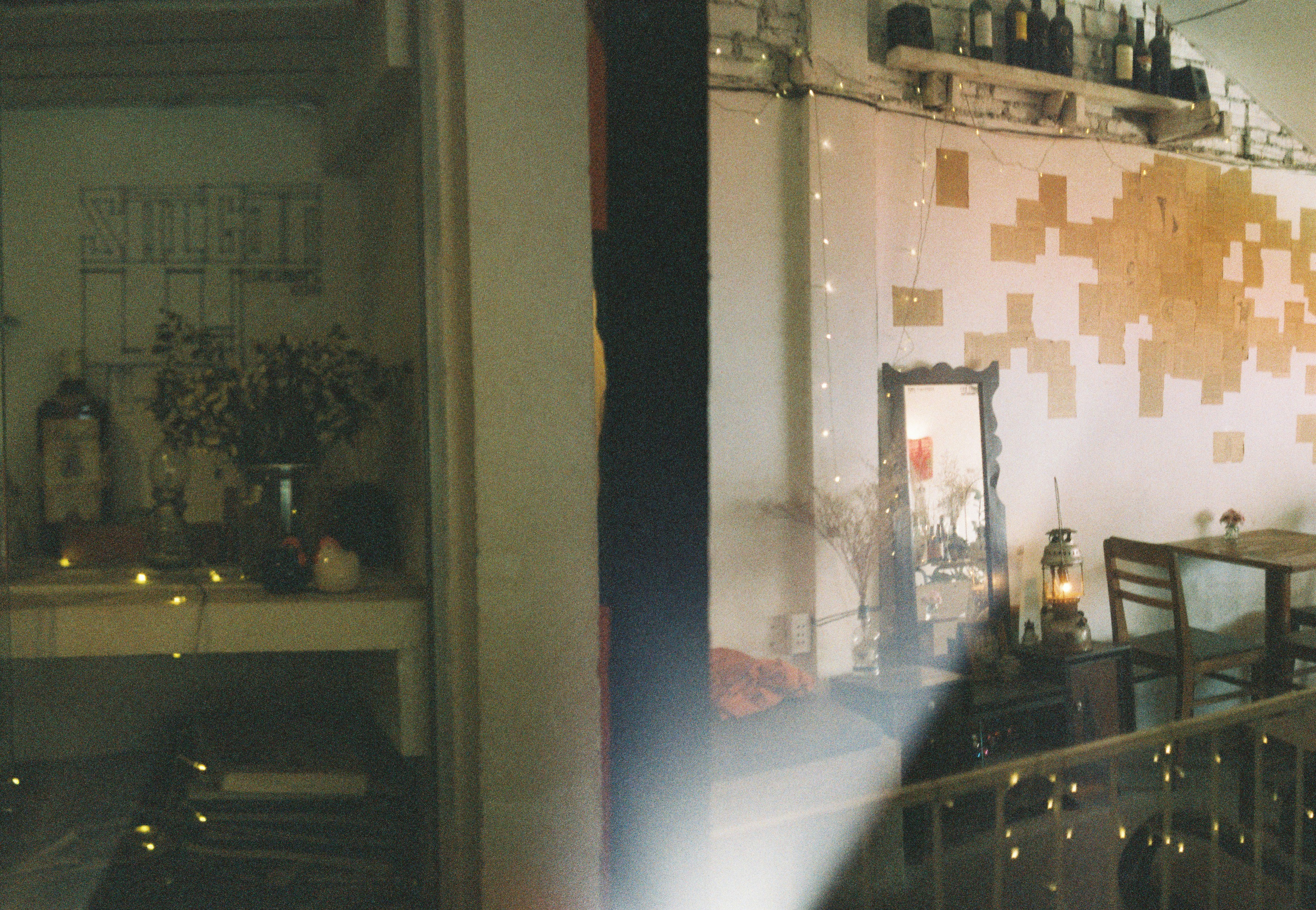
Introduction to DIY Interior Decoration
In recent years, DIY interior decoration has surged in popularity, capturing the interest of homeowners eager to infuse their personal style into their living spaces. This movement not only allows individuals to personalize their homes but also offers a practical approach to decorating that can save money. The concept of DIY—Do It Yourself—encourages creativity and innovation, enabling homeowners to design and create unique pieces that reflect their tastes and preferences.
One of the key benefits of DIY decorating is the element of cost-effectiveness. Hiring professional decorators can be prohibitively expensive, while engaging in DIY projects allows individuals to create stunning interiors on a budget. By utilizing readily available materials and repurposing existing items, homeowners can achieve a high-end look without incurring significant financial costs. This approach not only makes interior decorating more accessible but also encourages individuals to think outside the box and innovate.
Furthermore, DIY interior decoration fosters personal satisfaction. The process of conceptualizing and creating decor can be incredibly fulfilling, providing a sense of accomplishment as one transforms a space. Engaging in DIY projects allows individuals to hone their skills, whether it be painting, crafting, or woodworking, which can be both enjoyable and empowering. This hands-on involvement also ensures that every piece has a story, promoting a deeper connection between the homeowner and their environment.
Additionally, the DIY trend promotes sustainability by encouraging the use of recycled materials and reducing waste. In this light, DIY interior decoration not only enhances the aesthetics of a home but also contributes positively to the planet. With its myriad benefits, DIY decorating serves as an effective means for individuals to express themselves while creating inviting and personalized living spaces.
Planning Your DIY Project
Before embarking on a DIY interior decoration project, meticulous planning is crucial to ensure a successful outcome. A well-thought-out plan not only sets the tone for the project but also helps in effectively managing resources, including time and budget. The first step in your planning phase should involve assessing the space you intend to transform. Take note of the size, layout, and existing elements in the room, as these factors will significantly influence your design choices.
Identifying the style you wish to achieve is another essential aspect of your DIY planning process. Are you leaning towards a modern aesthetic, or perhaps a more rustic feel? Collecting inspiration can also help you visualize your desired outcome. Websites like Pinterest or interior design magazines can provide a wealth of ideas for your project. By clearly defining your vision, you will streamline the decision-making process and keep your project focused.
Budgeting is a key component in the planning stage. Determine how much you are willing to spend on your DIY interior decoration project, factoring in costs for materials, tools, and potential labor if needed. Creating a budget helps to avoid overspending and allows for a more organized approach to shopping. Additionally, compiling a list of necessary tools and materials tailored to your project will prevent last-minute runs to the store, saving time and energy.
Finally, consider the timeline for your project. Setting a realistic timeframe will help maintain motivation and ensure that the project progresses smoothly. Ultimately, the effort you put into planning your DIY interior decoration project will pay off in achieving a beautiful, cohesive space that reflects your personal style.
Choosing a Color Palette
The selection of a color palette is a fundamental aspect of interior decoration, as colors can significantly influence mood, ambiance, and overall perception of space. Understanding color theory, which includes concepts such as the color wheel, complementary colors, and warm versus cool tones, is essential for achieving harmony and balance within a room. Each color possesses unique emotional characteristics; for instance, blue often evokes tranquility, while yellow can stimulate feelings of happiness and energy.
When choosing a color palette for your home, consider beginning with a dominant color that resonates with your personal style or the atmosphere you wish to create. This primary color can then be complemented by a secondary color, which serves to enhance the overall aesthetic without overwhelming the space. Additionally, incorporating neutral tones can anchor the color scheme and provide a visual break from bolder colors. Neutrals such as whites, grays, and beiges can also impart a sense of sophistication and timelessness, making them an excellent choice for larger areas.
Moreover, selecting wall paints and accent pieces involves considering factors such as natural light, room size, and existing furnishings. For instance, lighter colors can make a small room feel more spacious, while darker shades can add depth and coziness. Additionally, incorporating decor elements such as cushions, artwork, and rugs in complementary colors can create cohesion throughout the space. It is advisable to test paint samples in different lighting conditions, as colors may appear different throughout the day.
Ultimately, the successful selection of a color palette requires thoughtful consideration and experimentation. Embrace the creative process, and do not hesitate to revisit your choices until you find the perfect combination that transforms your home into a harmonious sanctuary.
Upcycling Furniture for a Unique Look
Upcycling has emerged as a trendy and sustainable practice in interior decoration, transforming old furniture into unique statements for the home. This creative process not only breathes new life into worn-out pieces but also adds character and charm to any space. The beauty of upcycling lies in its versatility; it can involve various techniques such as painting, reupholstering, or reconfiguring furniture. Here are some popular ideas to inspire your upcycling journey.
One of the simplest methods is painting, which can drastically alter the appearance of a piece. With a fresh coat of paint, an old wooden chair can become a vibrant focal point in a room. Consider using chalk paint for a matte finish or spray paint for a sleek, modern look. Be sure to prepare the furniture by sanding and priming it to ensure better adhesion and longevity. Techniques like distressing or using stencils can add a personal touch and elevate the piece even further.
Reupholstering is another effective technique that can completely transform upholstered furniture. By selecting new fabric that complements your interior style, you can revamp an outdated sofa or armchair. Consider using bold patterns or textures to make the piece stand out. Moreover, adding decorative elements such as piping or tufting can enhance its appeal, making it a stunning addition to your decor.
Reconfiguring furniture is an innovative way to maximize space while creating unique items. For instance, repurposing a wooden ladder as a bookshelf or converting an old door into a dining table can add originality to your home. Such projects not only recycle furniture but also turn them into functional art pieces.
By embracing upcycling, homeowners can enjoy stylish, personalized furniture that resonates with their aesthetic, all while contributing to sustainability. With numerous methods and endless possibilities, anyone can embark on a rewarding upcycling adventure.
Creating Wall Art on a Budget
Transforming the walls of your home with artistic expression doesn’t have to be costly. DIY wall art projects can be engaging and fulfilling, allowing individuals to infuse their personal style into their living spaces while remaining within a budget. One of the simplest ways to start is through canvas painting. Whether you are a novice or an experienced artist, canvas can be acquired inexpensively from craft stores or even repurposed old ones. Using different painting techniques, such as sponging or watercolor, can yield stunning effects that will enhance the aesthetics of any room.
Additionally, consider creating a unique photo display. This could be achieved by arranging personal photographs in varying sizes within a gallery-style layout. Frames can be bought at thrift stores for a fraction of the retail price, or alternatively, you can create a rustic feel by using washi tape or string to hang photos. Another intriguing method involves fabric wall hangings. By utilizing old textiles or remnants, you can design something colorful and textured. A simple piece of dowel and some twine can serve as the base for your fabric, forming a chic tapestry that showcases your creativity.
Moreover, decorative tapestries offer an opportunity for artistic expression without substantial investment. You can either buy printed fabric or create your own designs using paint or dye, allowing for a personalized touch. Sourcing materials can be done through sales at local craft stores, online marketplaces, or DIY community exchanges, where individuals share surplus supplies. Embracing your creativity with these projects not only enhances your home’s decor but also instills a sense of satisfaction in creating art tailored to your taste and budget.
Incorporating Plants into Your Decor
Biophilic design emphasizes the intrinsic connection between nature and human beings, showcasing the positive benefits that plants can have on interior spaces. Incorporating plants into your home not only enhances aesthetic appeal but also improves air quality and promotes well-being. Different plants thrive under varying light conditions, making it essential to choose the right ones for each room. Low-light areas can benefit from snake plants and pothos, while spaces with ample sunlight are ideal for succulents and fiddle leaf figs.
When displaying plants, creativity is key. Consider vertical gardens for smaller spaces; they allow you to maximize greenery without occupying valuable floor area. Hanging planters can add dimension and interest to walls, while tiered plant stands create a natural focal point in living rooms and entryways. Additionally, use decorative pots that complement your interior décor to elevate the overall appearance. For minimalistic styles, opt for sleek, monochrome pots, whereas vibrant, patterned options can enhance eclectic themes.
Caring for houseplants involves understanding their specific needs, such as light, water, and humidity preferences. Maintaining a routine of watering and inspecting plants for pests contributes significantly to their health. Furthermore, adding humidity trays or grouping plants can create a microenvironment that fosters growth, particularly for tropical varieties. Regularly rotating plants allows them to receive balanced light from different angles, promoting even growth and vitality. By integrating plants into your décor thoughtfully, you can create inviting and rejuvenating spaces that reflect nature’s beauty in your everyday life.
DIY Lighting Solutions to Enhance Ambiance
Lighting is an essential aspect of interior design that significantly influences the overall ambiance of a space. By employing DIY lighting solutions, homeowners can enhance the mood of any room while expressing their personal style. One popular project is creating personalized lamps. Using materials such as mason jars, fabric, or even recycled bottles, individuals can fashion unique lamp bases that reflect their aesthetic. Pairing these custom bases with appropriate shades allows you to control the light diffusion, contributing to a cozy or vibrant atmosphere as needed.
String lights are another versatile DIY option that can transform a room with minimal effort. Available in various styles and lengths, these lights can be draped across walls, wound around furniture, or hung from ceilings to create an ethereal effect. Experimenting with colored bulbs or incorporating them into existing decor can amplify the charm and warmth of a space. Additionally, integrating dimmer switches for these lights gives you control over the brightness, further enhancing the ambiance at different times of the day.
Candle holders also serve as excellent DIY projects for those looking to infuse their home with a warm glow. Sculpting holders from materials such as wood, clay, or metal allows for endless creativity and customization. When finished, these holders can accentuate coffee tables, shelves, and dining spaces, accompanied by scented candles that add to the sensory experience. Layering these lighting solutions creates a dynamic illumination that caters to various activities in the home, from relaxing evenings to lively gatherings. Through these simple DIY lighting projects, one can significantly transform the mood and overall aesthetic of their living space.
Accessorizing Your Space
Accessorizing plays a critical role in enhancing the decor of any room, offering opportunities to reflect personal style and taste. Thoughtfully chosen accessories can transform a mundane environment into an inviting space that resonates with comfort and personality. When selecting decor items, it is essential to consider both functionality and aesthetics to create a balanced atmosphere.
One of the simplest ways to elevate a room’s ambiance is through the use of throw pillows and blankets. These items not only add texture and color but also provide warmth and comfort. Opt for a mix of patterns and colors that complement the existing furniture while allowing for versatility. DIY options are abundant in this category; for instance, you can create unique pillow covers with fabric remnants or repurpose old blankets into stylish throws. This approach not only saves money but also adds a personal touch to the space.
Vases are another excellent accessory that serves as both functional and decorative elements. They can house fresh flowers or greenery, bringing life to your interiors. Consider creating a few DIY vases using jars or recycled bottles, adorned with paint or twine to match your home’s color palette. Moreover, wall decals, which have gained popularity due to their easy application and removal, offer an innovative way to enliven a room. These can vary from inspirational quotes to intricate designs, allowing one to personalize walls without the commitment of paint.
Incorporating these accessories thoughtfully can greatly enhance the overall aesthetic of your home. The key is to select items that resonate personally while maintaining coherence within the existing decor. By engaging in low-cost DIY projects, you not only save money but also imbue your space with meaningful decor that is unique to your style.
Maintaining Your DIY Decor
Maintaining the aesthetic appeal and functionality of your DIY decorations is vital for ensuring that your home continues to reflect your personal style. Regular upkeep can help to extend the lifespan of these projects and keep them looking vibrant and inviting. One of the most important aspects of maintenance is cleaning. Dust and grime can accumulate on surfaces, dulling the appearance of your carefully crafted pieces. To effectively clean your DIY decor, employ a gentle approach that involves using soft cloths and appropriate cleaning solutions. For wooden items, a mixture of mild soap and water can work wonders, while glass or ceramic decorations may benefit from specialized cleaners to restore their shine.
In addition to cleaning, it is important to refresh your DIY projects periodically. The passage of time may necessitate touch-ups or even complete makeovers for certain decorations. Consider applying a fresh coat of paint to items that have faded or are showing signs of wear. This is an excellent way to breathe new life into your home without the need for expensive new purchases. Moreover, you can incorporate seasonal updates, such as altering color schemes or introducing different decorative elements to reflect the changing seasons. This can be as simple as updating cushion covers, swapping out decorative accents, or rearranging furniture to create a new look.
Engaging in these maintenance activities not only keeps your space looking fresh but also fosters an ongoing relationship with your home’s decor. Regularly assessing the condition of your DIY creations encourages you to appreciate their craftsmanship and provides opportunities for creative expression. By dedicating time to care for your interior decorations, you ensure that your home remains a true reflection of your evolving tastes and an inviting sanctuary for you and your guests.