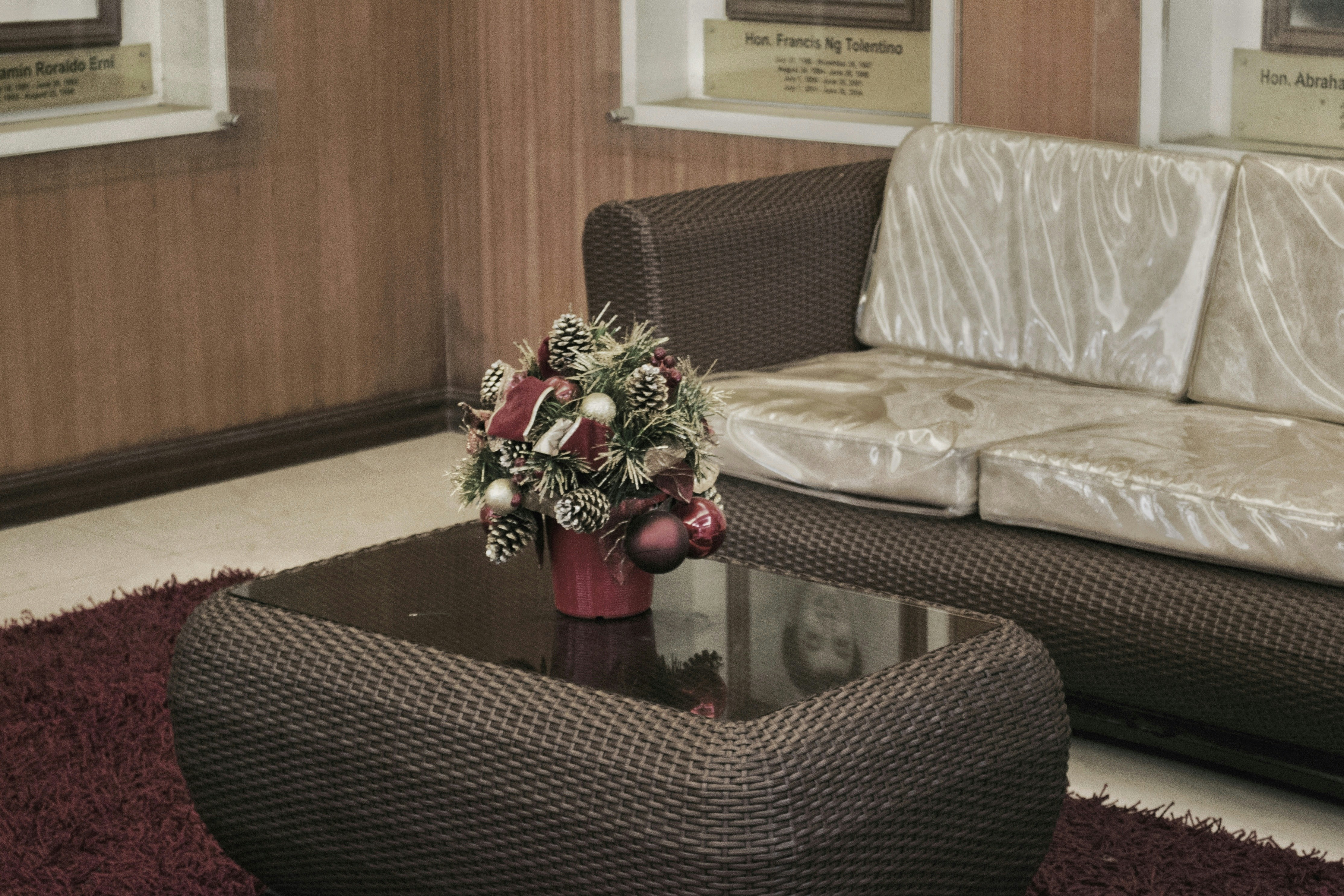
Introduction to DIY Furniture Decoration
DIY furniture decoration has emerged as a significant trend in the realm of home decor, allowing individuals to express their unique style and creativity. This practice revolves around the concept of “do-it-yourself,” encouraging homeowners to take matters into their own hands, thus fostering a deeper connection with their living spaces. As society increasingly leans towards personalization in home decor, DIY furniture projects have gained momentum, enabling people to customize their furniture to reflect their personal tastes and preferences.
One of the primary advantages of engaging in DIY furniture decoration is the opportunity for creativity. Rather than settling for mass-produced items that may lack individuality, individuals can design and build pieces that resonate with their unique vision. Crafting personalized furniture not only enhances the aesthetics of a space but also imbues it with a sense of character and warmth that often cannot be replicated by store-bought alternatives. Moreover, these creative projects can be enjoyable, offering a satisfying break from the routine while boosting one’s sense of accomplishment.
Additionally, DIY furniture decoration promotes sustainability through the practice of upcycling. Many individuals choose to breathe new life into aging or discarded furniture rather than contributing to landfill waste. This eco-friendly approach not only minimizes environmental impact but also presents an opportunity to create unique pieces, often at a fraction of the cost of new, designer furniture. By embarking on these projects, homeowners can not only enhance their interiors but also partake in the growing movement of environmental stewardship, reinforcing the notion that creativity and sustainability can coexist harmoniously.
Essential Tools and Materials for Your DIY Projects
Engaging in DIY furniture decoration requires a blend of creativity and the right tools and materials. Before embarking on your project, it is crucial to gather a comprehensive list of these essentials to ensure a smooth and enjoyable experience. The following are the basic items every DIY enthusiast should have on hand.
First, paints and finishes are fundamental to transforming the appearance of your furniture. Depending on the desired look, you may opt for acrylic, chalk, or oil-based paints. Make sure to select non-toxic options for a safe crafting environment. Alongside the paints, a variety of brushes – including flat, round, and foam brushes – will aid in achieving precision and different textures.
Preparation is key, and sanding tools play a significant role in achieving a smooth surface. An electric sander will save time and effort, while hand sandpaper is ideal for smaller or intricate areas. Additionally, for optimal adhesion of paints and finishes, quality primer and sealant should be included in your toolkit.
In terms of adhesives, consider wood glue, which is excellent for furniture repairs, and hot glue guns for quick fixes or embellishments. For decorative elements such as knobs, stencils, and embellishments, visiting local craft stores or browsing online marketplaces can yield unique finds at budget-friendly prices.
Lastly, protective gear such as gloves, masks, and goggles is essential for maintaining safety during the application process. For those new to DIY projects, taking an inventory of these tools and materials can help in establishing a well-equipped workspace. By ensuring that you have the right resources at your disposal, you can confidently dive into your furniture decoration initiatives with an empowered and creative spirit.
Inspiring DIY Furniture Decoration Ideas
Embarking on a DIY furniture decoration project can be an exciting way to breathe new life into your living space, allowing for a personalization that store-bought options often lack. One inspiring approach is to utilize a rustic aesthetic, characterized by natural materials and earthy tones. For instance, repurposing old wooden pallets to create a coffee table not only saves money but infuses the space with a warm, inviting charm. Simply sand the pallets for a smooth finish, then stack them creatively, sealing the final piece with a weather-resistant varnish to showcase its rustic beauty.
Alternatively, if a more modern aesthetic suits your taste, consider the sleek lines and minimalism of contemporary furniture. A simple yet impactful DIY project could involve painting an outdated dresser or side table in a matte black or a crisp white. Adding geometric patterns or metallic accents through stencils can further enhance the modern feel, providing a chic statement piece that effortlessly elevates your decor. This process not only revitalizes the furniture but also encourages a creative exploration of color and design.
For those drawn to the bohemian style, layering various textures and vibrant colors can lead to stunning transformations. An old ladder can serve as a unique bookshelf when painted a bright hue and adorned with eclectic art pieces, plants, or colorful textiles. This concept offers endless possibilities, allowing you to mix and match decor elements that reflect your individual taste. The key is to approach each DIY furniture decoration project as an opportunity to explore your creativity and develop a personalized approach to transforming your space.
Step-by-Step Guide to a Simple DIY Project
Undertaking a DIY furniture project can be an enriching experience, allowing you to unleash your creativity while transforming a space. In this guide, we will walk you through the simple process of revitalizing an old wooden chair, providing you with step-by-step instructions to ensure a successful outcome.
Firstly, assess the condition of your chair. Look for any structural issues such as loose joints, scratches, or worn-out upholstery. Once you’ve evaluated your chair, gather your materials: sandpaper, wood stain or paint, a paintbrush, a drop cloth, and optional upholstery material if you plan to reupholster the seat.
Begin by preparing your workspace. Lay down a drop cloth to protect your flooring from dust and spills. If the chair is painted or stained, especially if it is an older piece, consider wearing a mask to avoid inhaling any harmful particles when sanding. Start with sanding the chair using medium-grit sandpaper to remove old paint or to smooth out the surface. Pay careful attention to areas with visible damage, ensuring a smooth base for your finish.
After sanding, clean the chair thoroughly to remove any dust. Choose between applying a stain or paint according to your desired aesthetic. If you opt for wood stain, dip your brush into the stain and apply it in the direction of the wood grain. If painting, apply a primer first before adding your selected color. Allow adequate drying time between coats to achieve a professional finish.
If you need to reupholster the seat, carefully remove the old fabric and padding, and cut new fabric to size. Secure the new upholstery with a staple gun, ensuring it is taut and even. Once everything is assembled and dry, your charming, revitalized chair will be ready to showcase in your space. Following this step-by-step guide facilitates a successful DIY project while ensuring satisfaction with your creation.
Tips for Choosing the Right Color Schemes
Selecting the right color schemes for your DIY furniture projects is crucial to achieving a harmonious and inviting atmosphere in your living space. Understanding basic color theory can significantly enhance your decision-making process. The color wheel is an essential tool that categorizes colors into primary, secondary, and tertiary shades. Primary colors—red, blue, and yellow—cannot be created by mixing other colors, while secondary colors—green, orange, and purple—are produced by combining primary ones. Tertiary colors arise from mixing primary and secondary hues, allowing for an expansive range of shades for your DIY creations.
When selecting colors that complement each other, consider the concepts of analogous and complementary color schemes. Analogous colors, which are located next to each other on the color wheel, create a cohesive and serene environment. In contrast, complementary colors, or those opposite each other, can provide dynamic contrast and excitement. For example, pairing blue with orange results in a striking visual effect that can energize a space.
The psychological effects of colors should also be taken into account while choosing your DIY furniture decoration palette. Different colors induce various emotions; for instance, blue commonly evokes tranquillity and calmness, making it an excellent choice for bedrooms or study areas. Similarly, warmer hues like reds and yellows are often associated with energy and warmth, making them suitable for social spaces like living rooms. By considering the intended ambiance and function of each room in your home, you can select color schemes that not only enhance your furniture but also foster a sense of well-being.
In conclusion, mastering the principles of color theory, understanding the relationships between colors, and being mindful of their psychological impacts will help you create a visually appealing and emotionally resonant space that reflects your personal style.
Upcycling Furniture: The Eco-Friendly Approach
Upcycling furniture is a transformative process that allows individuals to breathe new life into old or discarded pieces, turning them into functional and aesthetically pleasing items. This practice goes beyond simple recycling, as it enhances the original material’s value through creativity and skill. In essence, upcycling furniture is not just about repurposing; it is about reimagining, redefining, and reinvigorating materials to suit one’s personal style and preferences. By engaging in upcycling, individuals can significantly reduce the waste associated with traditional furniture disposal.
From an environmental perspective, the benefits of upcycling furniture are profound. The act of reducing waste contributes to the decreasing demand for new materials, which often involves extensive resource consumption and labor. This sustainable approach promotes a circular economy, where products are used to their fullest potential before being discarded. By choosing to upcycle furniture, you are participating in environmental conservation by minimizing landfill contributions, reducing carbon footprints, and conserving natural resources. Additionally, this eco-friendly practice helps to diminish the reliance on mass-produced items, which often lack individuality and personal touch.
Moreover, upcycling furniture can be a financially savvy decision. Instead of investing in expensive new pieces, individuals can creatively transform items that may already exist in their homes. This not only helps in savings but also ensures that the final product is unique and tailored to one’s personal taste. Whether it’s refinishing an old cabinet, reupholstering a worn-out chair, or converting a vintage dresser into a chic bathroom vanity, the possibilities are endless. With the right vision and materials, upcycled furniture can dramatically enhance interior spaces, reflecting creativity, sustainability, and a commitment to a more eco-friendly lifestyle.
Incorporating Accessories for a Complete Look
When it comes to DIY furniture decoration, accessories play a crucial role in enhancing the overall aesthetic of your space. By incorporating thoughtfully chosen items such as cushions, throws, and decorative elements, you can effectively transform your furniture into stunning focal points that complement your existing décor.
Cushions are an excellent way to add comfort and color to your DIY furniture. When selecting cushions, consider a mix of patterns and textures to create visual interest. For example, pairing a solid-colored cushion with one that features a bold print can add depth to your seating area. Additionally, the sizing and arrangement of cushions can dramatically change the ambiance of a room. A well-placed group of cushions can invite relaxation while also serving as a design statement.
Throws are another versatile accessory that can enhance your DIY projects. These soft fabrics can add warmth and dimension, particularly in seating and bedding arrangements. Opt for throws in colors or patterns that resonate with your overall design theme, and drape them casually over furniture for an effortless yet stylish touch. Not only do throws provide aesthetic appeal, but they also offer functional benefits, keeping you cozy during colder months.
Lastly, decorative items such as vases, artwork, and sculptures can further unify your DIY furniture with the room’s overall design. When choosing decorative pieces, think about how they coordinate with your furniture’s colors, shapes, and styles. A cohesive assortment of accessories can tie different elements of your décor together, creating a harmonious environment that reflects your personal taste.
In conclusion, the careful selection and incorporation of accessories can significantly elevate your DIY furniture projects. By understanding the impact of cushions, throws, and decorative items, you can design a cohesive and inviting space that showcases your creativity while enhancing comfort and style.
Maintaining and Caring for Your DIY Furniture
Proper care and maintenance of your DIY furniture are essential for preserving its aesthetic appeal and extending its lifespan. Whether you have upcycled an old piece or created something new, establishing a regular cleaning routine will help protect your investment from wear and tear. Start by using gentle cleaning methods to help maintain the look of your furniture. For wooden surfaces, a soft microfiber cloth dampened with water or a mild wood cleaner will efficiently remove dust and prevent grime buildup without damaging the finish. Avoid harsh chemicals, as these can strip protective coatings or discolor the wood.
For upholstered DIY furniture, it is advisable to vacuum regularly to eliminate dust, crumbs, and pet hair that may accumulate. Depending on the fabric, a suitable upholstery cleaner can be applied to spot clean stains, but always test it on a hidden area first to ensure it does not affect the color or texture. If your furniture has removable covers, consider machine washing them according to the care label instructions to maintain their cleanliness and look.
Routine upkeep goes hand in hand with effective cleaning. Regularly check wooden furniture for signs of wear, such as scratches or fading, and address them promptly. Applying a fresh coat of wax or polish can not only enhance the shine of the wood but also provide a layer of protection against moisture and spills. For painted surfaces, be on the lookout for chips or cracks, which can be easily repaired with touch-up paint to maintain the overall appearance.
To prolong the life of your DIY creations, position your furniture away from direct sunlight and heat sources, which can lead to fading and warping. Additionally, using coasters and placemats can help protect surfaces from scratches and heat damage. By following these guidelines, you can enjoy your beautifully decorated DIY furniture for years to come, keeping your living space vibrant and inviting.
Connect with the DIY Community and Share Your Work
Engaging with the DIY community can significantly enrich your furniture decoration journey. In today’s digital age, platforms such as Instagram and Pinterest serve as vibrant virtual spaces where enthusiasts congregate to share ideas, showcase their projects, and inspire one another. By participating in these platforms, you not only gain access to a vast reservoir of creativity but also contribute your own unique ideas, becoming a part of a broader conversation about DIY furniture decoration.
One of the primary benefits of connecting with other DIY enthusiasts is the immense inspiration that can be found through sharing experiences and projects. As you explore various posts and pins, you can uncover innovative techniques, creative designs, and useful tips to enhance your own endeavors. Additionally, this exchange of ideas fosters a sense of community among participants, wherein members can provide invaluable feedback and encouragement. Whether you are a novice looking for guidance or a seasoned maker eager to share your accomplishments, the supportive atmosphere of the DIY community can serve as a great motivator to keep you engaged in your projects.
Participation in online groups and forums further emphasizes the collaborative nature of DIY furniture decoration. These platforms often host challenges or theme-based discussions that encourage members to showcase their work creatively. By sharing your completed projects or even in-progress updates, you invite constructive criticism and praise, both of which can propel you forward in your DIY journey. Furthermore, featuring your work on social media not only boosts your confidence but can also lead to networking opportunities with other creators who share your interests.
In summary, the DIY community offers a wealth of support and inspiration for those looking to enhance their furniture decoration skills. By actively connecting and sharing your efforts, you contribute to an uplifting environment, enriching both your experience and that of your fellow DIY enthusiasts.