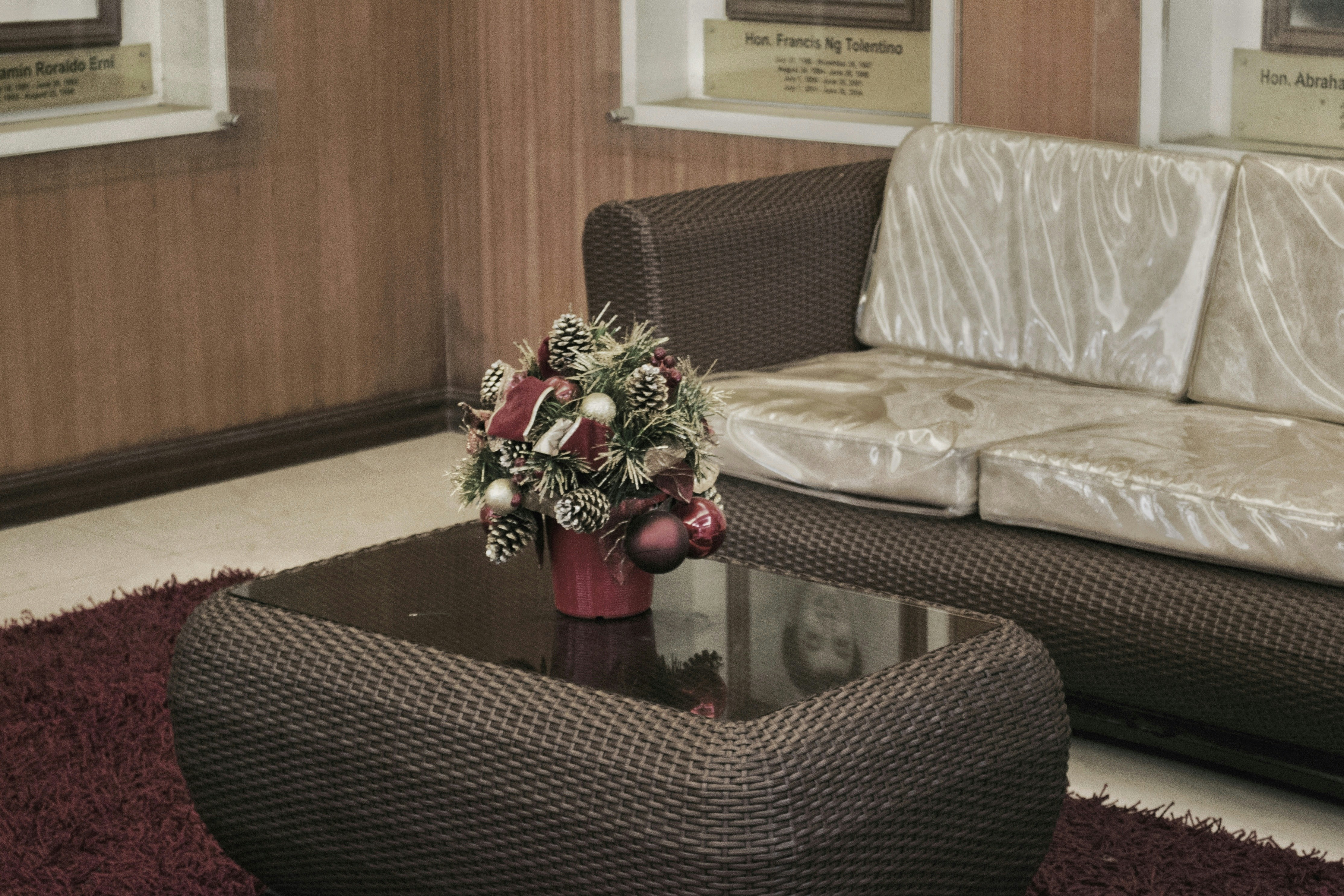
Introduction to DIY Furniture Decoration
In recent years, DIY furniture decoration has surged in popularity among both homeowners and renters, reflecting a desire for personalized living spaces that resonate with individual style. The concept revolves around the notion of self-decorating, where individuals take the initiative to transform existing furniture or create new pieces without the assistance of professional decorators. This burgeoning trend not only allows for creativity and expression but also serves as a cost-effective solution for those looking to beautify their surroundings.
One of the most significant benefits of engaging in DIY furniture decoration is the ability to personalize items to suit one’s taste and preferences. Unlike mass-produced furniture, which often lacks character, DIY projects enable individuals to tailor pieces according to personal aesthetics. This can involve anything from selecting paint colors and finishes to incorporating unique designs or materials. Furthermore, the customization process often results in one-of-a-kind items that can spark conversation and provide a sense of pride for the creator.
In addition to customization, DIY furniture decoration is also an environmentally friendly approach to interior design. By repurposing old furniture instead of purchasing new products, individuals contribute to sustainability efforts by reducing waste. This practice aligns with a growing awareness of environmental issues, encouraging consumers to think critically about their purchases and opt for creative reuse instead.
Moreover, embarking on these creative projects cultivates a sense of resourcefulness, as individuals learn to work with what they have. This newfound skill set can enhance problem-solving abilities and foster a greater appreciation for craftsmanship. As we delve further into the various aspects of DIY furniture decoration, it becomes evident that the fusion of creativity, personalization, cost-effectiveness, and sustainability is what makes this trend so appealing to a wide range of individuals.
Essential Tools and Materials for DIY Furniture Projects
Embarking on a DIY furniture decoration project requires a thoughtful approach to selecting the right tools and materials. Having the essential tools at hand can significantly streamline the process and enhance the outcome of your projects. First and foremost, basic hand tools are crucial for any DIY enthusiast. A set of screwdrivers—both flathead and Phillips—will cover most fastening needs, while a sturdy hammer is indispensable for assembling and disassembling furniture. A power drill is also highly recommended, as it simplifies the task of driving screws and creating holes with ease.
In addition to these basic tools, other helpful items such as measuring tapes and levels can ensure precision in your work. Paintbrushes and rollers are essential for any painting tasks, while sandpaper will help achieve a smooth finish on various surfaces. For those planning to engage in upholstery, a staple gun and suitable fabric scissors will be needed for effective material application.
When it comes to materials, quality matters greatly. For starters, a variety of paints—acrylic, chalk, or spray—can bring new life to old furniture. Stencils can be used to create interesting patterns and designs, allowing for unique customization. Fabrics like cotton, linen, or upholstery-grade materials provide excellent choices for reupholstering chairs or cushions. Furthermore, it’s critical to choose materials that are durable and suited for the type of furniture you are working on.
Ultimately, investing in high-quality tools and materials will not only make the DIY process easier but also ensure longevity and satisfaction in your resulting projects. By assembling the right toolkit, you lay the groundwork for successfully transforming your space with creative DIY furniture decoration ideas.
Finding Inspiration for Your DIY Furniture Decoration
Embarking on a DIY furniture decoration project begins with the crucial step of gathering inspiration. Various platforms and resources are available to aid in the discovery of styles, ideas, and techniques that resonate with individual tastes. Social media platforms such as Pinterest and Instagram have become prominent sources for DIY enthusiasts. Users can explore an extensive range of images showcasing creative furniture transformations, color palettes, and innovative design concepts. By searching relevant hashtags or following specific accounts dedicated to home decor, one can accumulate a diverse collection of ideas that serve as a foundation for their projects.
Home décor magazines and blogs also play a significant role in inspiring DIY furniture decoration. These publications often showcase current trends, expert tips, and detailed tutorials that can be valuable for both novice and experienced creators. They provide insights into popular techniques, materials, and color schemes, allowing readers to stay updated on the latest developments in interior design. Subscribing to such magazines or regularly browsing dedicated blogs can help cultivate a fresh perspective on personal spaces.
Additionally, visiting local flea markets and thrift stores is an exceptional way to find unique items that can be transformed through DIY projects. These venues often offer an assortment of vintage furniture and decor pieces, showcasing character and history that can enhance any home. By embracing the challenge of revitalizing these finds, DIYers can not only enhance their spaces but also create one-of-a-kind pieces that reflect their personal style. The process of reimagining such items fosters creativity and innovation, allowing for the integration of personal aesthetic into each project.
Step-by-Step DIY Furniture Projects
DIY furniture decoration offers an excellent opportunity for individuals to infuse their personal style into their spaces. This section outlines several popular projects that can transform standard furniture into stunning pieces. One common project is repainting a dresser. Begin by selecting a high-quality paint suitable for furniture. Sand the surface lightly to create a good base for adhesion. After prepping the dresser, apply a primer, allowing it to dry completely before moving on to the topcoat. For a professional finish, consider using a foam roller for larger surfaces and a brush for intricate detailing.
Reupholstering chairs is another approachable DIY project. Start by carefully removing the existing fabric and cushioning. This step may require a staple remover or pliers. Once the old fabric is removed, use the old cushion as a template to cut new foam to size. Make sure the foam is slightly thicker for added comfort. Lay the new fabric over the cushion and secure it tightly with a staple gun, ensuring clean edges. This not only provides a refreshed look but also allows for the customization of colors and patterns to fit your decor.
For those looking for functional storage solutions, creating custom shelves can be a rewarding project. First, decide on the size and shape of the shelves required for your space. Once you’ve gathered the necessary materials, ensure to use a level when securing brackets to guarantee alignment. After installing the brackets, place the shelves firmly on top to create an organized display. Always remember to take safety precautions when using power tools and ensure the shelves will hold the intended weight. Tailoring these projects to your preferences enhances their appeal and ensures that they blend seamlessly into your living space.
Sustainable DIY Furniture Decoration Ideas
As the conversation around sustainability continues to grow, more individuals are seeking ways to enhance their spaces while being environmentally conscious. One effective method is through DIY furniture decoration that emphasizes the value of upcycling old furniture and utilizing eco-friendly materials. Upcycling, the process of transforming unwanted items into something new and functional, not only minimizes waste but also contributes to a unique, personalized aesthetic. When embarking on a DIY project, consider how upcycled pieces can breathe new life into your living space. For example, an old dresser can be refurbished with fresh paint or additional hardware to create a standout piece that honors its past while serving a new purpose.
Using environmentally friendly materials is another significant aspect of sustainable DIY projects. Opting for non-toxic paints, natural finishes, and sustainably sourced wood aids in reducing your carbon footprint. Brands that prioritize eco-conscious production methods, such as those using reclaimed wood or recycled materials, offer ample choices for DIY enthusiasts aiming to minimize environmental impact. Furthermore, many of these materials can contribute to healthier indoor air quality, promoting a safer living environment.
Adopting practices that minimize waste during the DIY process further enhances sustainability. This can involve planning your projects carefully to reduce scrap materials, utilizing every part of the furniture whenever feasible, and even repurposing leftover materials from other crafts. The positive impact of engaging in DIY furniture decoration extends beyond aesthetic improvements; it fosters a heightened awareness of our consumption habits and encourages a responsible approach to home decoration. As consumers increasingly prioritize sustainable products, integrating these principles into DIY projects contributes to a greener future while allowing for creative expression.
Tips for Maintaining Your DIY Furniture Creations
Maintaining your DIY furniture creations is essential to ensure their longevity and vibrancy. Different materials require varied approaches to cleaning and care, so understanding your pieces will help you keep them looking their best. Regular maintenance not only preserves aesthetics but also safeguards against wear and tear that can occur with time.
For wooden furniture, it is advisable to dust regularly with a soft cloth to prevent scratches. Applying a protective finish, such as varnish or wax, can create a barrier against moisture and stains. If your wooden piece experiences minor scratches, gently sanding the area using fine-grit sandpaper can help reduce their appearance. Following up with a suitable wood polish can enhance the shine and protect the surface further.
If your DIY furniture is upholstered, vacuuming it consistently is crucial to remove dust and debris. Spot cleaning stains promptly with a damp cloth and using appropriate upholstery cleaners can prevent lasting marks. For fabric types, like cotton or linen, ensure that you check the care labels before cleaning to avoid damage. Regularly rotating cushions can help distribute wear more evenly.
Metal surfaces, on the other hand, require a different approach. You should use a soft cloth and mild detergent to clean any grime or fingerprints. To avoid rust, consider applying a thin layer of oil on exposed metal areas. Understanding how to protect each material from environmental factors such as humidity and sunlight can greatly extend the life of your creations.
Lastly, it is important to periodically inspect your furniture pieces for any signs of wear, such as loose joints or faded finishes. Taking the initiative to perform touch-ups or repairs when necessary guarantees that your DIY furniture remains a beautiful and functional part of your home for years to come. By incorporating these maintenance tips, you can effectively protect your creative investments and ensure satisfaction with your work.
Showcasing Your DIY Furniture Decoration: Social Media and Beyond
Once you have successfully completed your DIY furniture projects, the next step is to showcase your creative endeavors to a broader audience. Social media platforms provide an excellent avenue for sharing images and engaging with like-minded DIY enthusiasts. Websites such as Instagram, Pinterest, and Facebook allow you to create visually appealing portfolios of your work. By regularly posting high-quality images of your projects, you can capture the attention of followers and potential customers who share your passion for DIY furniture decoration.
Engaging with DIY communities online can also enhance your visibility. Participating in groups or forums dedicated to home decor and furniture projects enables you to share your completed works and receive constructive feedback. These interactions not only foster a sense of community but can also help you gain insights on techniques and styles that resonate with your audience. Using hashtags relevant to furniture decoration will enhance the discoverability of your projects, connecting you with a larger network of DIY enthusiasts.
In addition to social media, starting a blog or YouTube channel can further amplify your reach. Documentation of your DIY projects through written tutorials or video guides allows for in-depth storytelling. This format can attract an audience interested in learning about the processes you followed, providing them with practical tips and inspiration. By sharing stories behind each project, such as challenges faced or design choices, you will create a deeper connection with your audience and encourage engagement.
Embrace the opportunity to explore various platforms for showcasing your DIY furniture decoration. By harnessing social media, blogging, or creating vlogs, you will not only share your creations but also become a valued member of the DIY community. Through these connections, your projects can inspire others and cultivate an exchange of ideas that enriches the overall experience of DIY enthusiasts.
Common Challenges in DIY Furniture Decoration and How to Overcome Them
Engaging in DIY furniture decoration can be an exciting yet daunting endeavor. Various challenges often arise that can hinder the creative process and disrupt the progression of projects. One of the most prevalent challenges is time management. Many individuals find it difficult to set aside adequate time for DIY projects amidst their busy schedules. To overcome this, it is crucial to create a realistic timetable. Breaking the project down into smaller, manageable tasks and scheduling specific times can help ensure steady progress without feeling overwhelmed.
Budget constraints represent another significant hurdle in the realm of DIY furniture decoration. It is easy to become enamored with high-quality materials and intricate designs that can quickly escalate expenses. To mitigate this, it is advisable to establish a clear budget before starting any project. Utilize resourceful shopping strategies, such as sourcing materials from thrift stores or repurposing items that may already be available at home. Additionally, opting for DIY solutions instead of purchasing ready-made items can significantly reduce costs while adding a personal touch to your space.
Another common issue in DIY furniture decoration is the skills gap, where individuals may feel inadequately equipped to tackle specific tasks. This can lead to frustration and project stalls. Fortunately, enhancing your skill set can be as simple as engaging in online tutorials, attending workshops, or leveraging community resources. Many platforms offer free instructional videos that cater to all skill levels, thereby empowering individuals to refine their abilities. Furthermore, embracing trial and error is key; mistakes can yield valuable learning experiences that enhance both confidence and capability.
Finally, troubleshooting common problems during projects is essential in maintaining momentum. Familiarizing oneself with potential obstacles, such as improper measurements or lack of tools, can help preemptively address issues. Building a DIY toolbox with basic supplies like screws, adhesives, and tools can provide necessary support when challenges arise. While the journey of DIY furniture decoration may present obstacles, the rewards of perseverance and creativity ultimately lead to a beautifully transformed space.
Conclusion
Embracing DIY furniture decoration offers a unique opportunity to personalize your living space while honing your creative skills. Throughout this blog post, we have explored various strategies that underline the benefits of undertaking DIY projects. From enhancing the aesthetic appeal of a room to providing an avenue for self-expression, the transformative power of DIY furniture decoration cannot be overstated.
Engaging in such creative projects not only allows you to save money but also contributes to a sense of achievement. Each piece that you customize or refurbish reflects your individual style and preferences, making your space truly one-of-a-kind. Additionally, DIY furniture decoration fosters a deeper connection to your environment as it often incorporates elements of your personality and memories, infusing warmth and character into your home.
Moreover, the satisfaction derived from completing a project should not be underestimated. Each successful endeavor reinforces your ability to craft something beautiful and functional. By dedicating time to DIY tasks, you cultivate a mindset geared towards creativity and innovation, which can permeate various aspects of your life.
The key takeaway is simple: do not shy away from your creative instincts. The realm of DIY furniture decoration awaits, offering countless ideas and possibilities. Whether you choose to repaint an old dresser, construct a new shelf, or upcycle materials into stunning decorative items, each decision you make can lead to a transformation that reflects your unique taste. We encourage you to take that leap into your own DIY projects, celebrating the transformative allure of handmade furniture and the personal touch it adds to your living environment.