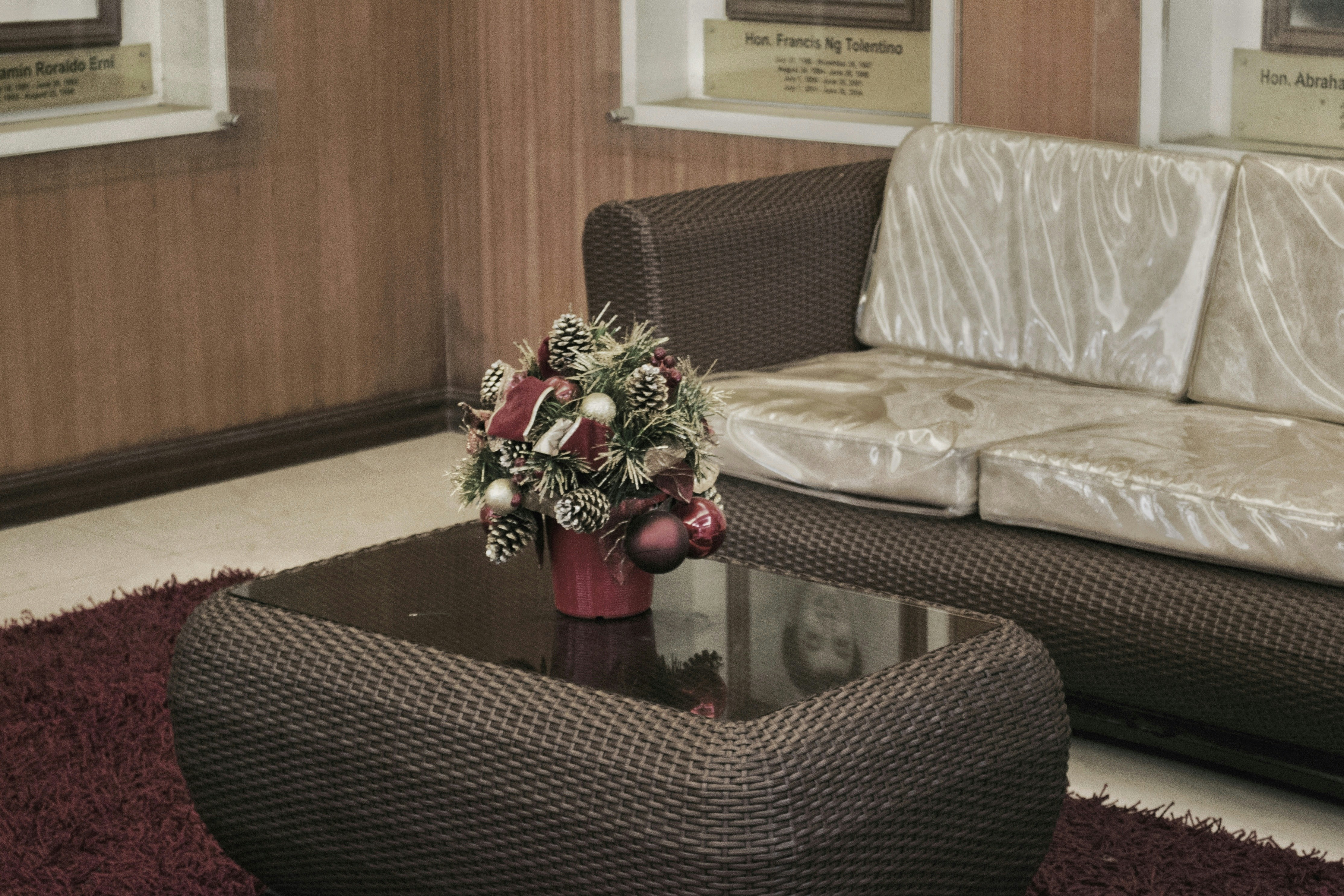
Introduction to DIY Furniture Decoration
In recent years, DIY furniture decoration has emerged as a favored approach for both homeowners and renters looking to enhance their living spaces. This trend reflects a growing appreciation for personalized decor, where individuals can express their unique styles and preferences through their home furnishings. The concept of DIY, or “do it yourself,” encourages creativity and innovation, allowing anyone with a vision to transform their furniture into distinctive pieces that resonate with their personal aesthetic.
One of the primary benefits of engaging in DIY furniture decoration is the potential for cost savings. Furnishing a home can often strain one’s budget, particularly when it comes to purchasing new items. By opting for DIY projects, individuals can repurpose existing pieces or acquire inexpensive materials to create stunning furnishings without the hefty price tag associated with commercial options. This not only makes the process more economical but also allows for a more flexible approach to home decoration.
Moreover, the satisfaction derived from successfully completing a DIY project cannot be underestimated. Each step of the process, from selecting materials to executing the design, offers a sense of achievement that is difficult to replicate through traditional shopping. This hands-on involvement fosters a deeper connection to one’s living environment, as the items crafted carry both personal significance and creativity. Furthermore, embracing DIY furniture decoration can lead to a more sustainable lifestyle. By focusing on refurbishing and upcycling, individuals contribute to reducing waste and promoting eco-friendly practices.
Overall, the growing popularity of DIY furniture decoration illustrates a desire for customized living spaces that reflect individual tastes. Whether it’s an ornate shelf, a rustic coffee table, or a vibrant chair, the possibilities are endless when it comes to personalizing your home through these creative endeavors.
Understanding Your Style: Choosing the Right Decor
When it comes to DIY furniture decoration, understanding your personal style is crucial in creating a space that reflects your taste and enhances your living environment. Various decoration styles can serve as inspiration for your projects, including bohemian, minimalist, industrial, and coastal. Each of these styles carries unique characteristics that can influence your choice of furniture and decor.
The bohemian style is often characterized by its vibrant colors, rich textures, and an eclectic mix of patterns. To embrace this style in your DIY projects, consider using bold fabrics for upholstery or incorporating handcrafted decorative items. When selecting furniture, look for pieces that exhibit a relaxed, artistic vibe, such as vintage finds or unique handcrafted items, which can serve as statement pieces in a bohemian space.
In contrast, the minimalist style emphasizes clean lines, functionality, and a muted color palette. This approach often involves decluttering and focusing on quality over quantity. To achieve a minimalist aesthetic, choose furniture with simple designs and natural materials, such as wood or metal. DIY projects in this style might include creating sleek shelving units or repurposing furniture with a streamlined finish to complement the overall simplicity.
The industrial style is another popular choice, marked by raw materials and an urban feel. Elements such as exposed brick, metal accents, and wooden textures are prevalent. For this style, select furniture that embraces a rugged charm, such as reclaimed wood tables or metal shelving. DIY projects might include upcycling materials to create unique fixtures that reflect industrial aesthetics, blending functionality and style seamlessly.
Lastly, the coastal style draws inspiration from beach aesthetics, utilizing light colors, natural materials, and nautical elements. For coastal DIY decoration, opt for furniture that incorporates light woods or soft fabrics and consider incorporating light blue or sandy hues to reflect the ocean’s calming presence. By understanding these styles, you can better identify your personal preference, enabling you to make informed decisions that elevate the final look of your space.
Budgeting for Your DIY Furniture Projects
When it comes to embarking on DIY furniture decoration projects, establishing a comprehensive budget is paramount. Understanding the costs associated with materials, tools, and additional supplies ensures that your project remains financially manageable while achieving the desired aesthetic transformation. The first step is to conduct thorough research on the materials you intend to use. Depending on your project’s scope, prices for wood, paint, upholstery, and hardware can vary significantly. It’s advisable to list potential materials and compare prices at various local stores and online marketplaces to identify the most cost-effective options.
Next, consider the tools required for your DIY endeavors. While some may already be available in your home, others, such as power tools, may need to be purchased or rented. Budgeting for these tools ensures that you are not caught off guard by unexpected expenses. Moreover, renting can be a viable option if you plan to use specific equipment infrequently. Additionally, don’t overlook the costs of protective gear, such as gloves and masks, which are essential for safety during your projects.
After determining material and tool expenses, allocate a portion of your budget for unforeseen costs. Even the most meticulously planned projects can hit snags, leading to extra expenses on replacements or modifications. Prioritizing spending is crucial—focus on quality for materials that closely impact the structural integrity and appearance of your furniture while being more flexible on decorative items. Lastly, take advantage of discounts and promotions, visit thrift stores for second-hand materials, or reclaim wood from old furniture. These practices not only help in finding quality materials at lower prices but also promote sustainability. By carefully budgeting for your DIY furniture decoration projects, you set the stage for a successful and enjoyable creative experience.
Maximizing Space: Functionality Meets Design
When it comes to DIY furniture decoration, creating a balance between aesthetics and utility is paramount, especially in spaces with limited dimensions. The integration of functionality and design can significantly enhance the usability of any room while also infusing personal style into décor. To maximize space effectively, innovative designs should incorporate elements that transform ordinary pieces into multifunctional solutions.
One approach to achieve this is through the design of furniture that serves multiple purposes. For instance, a storage ottoman can act as both seating and a place to tuck away items, keeping clutter at bay. Similarly, a foldable dining table can seamlessly transition from a compact setup in a small kitchen to a larger space for gatherings when needed. The versatility offered by such pieces not only saves space but also enhances the dynamic nature of the environment.
Another effective strategy is using vertical space to one’s advantage. Wall-mounted shelves can eliminate floor space limitations, showcasing books or decorative items without encroaching on the living area. Furthermore, integrating modular furniture can provide adaptability, allowing users to rearrange components according to their needs. For example, sectional sofas can be customized and reconfigured to fit different areas as required, facilitating both comfort and design fluidity.
Incorporating innovative materials and designs can also contribute to the efficiency of space. Using lightweight, movable furniture allows for easy reconfiguration when entertaining guests or changing room layouts. Adding mirrors can create an illusion of depth, making a room feel larger and brighter.
In conclusion, maximizing space through the careful integration of functionality and design in DIY furniture projects not only enhances the aesthetic appeal of a living area but also significantly improves its utility. By considering practical solutions alongside creative designs, one can cultivate an inviting and efficiently organized environment.
Choosing the Right Tools for Your DIY Projects
Embarking on DIY furniture decoration projects can be a rewarding experience, but having the right tools is crucial for success. The spectrum of tools available can range from basic hand tools to advanced power equipment, each serving distinct functions that contribute to the completion of your project. Understanding which tools to use, and their applications, can greatly enhance your efficiency and the quality of your finished product.
At the foundation of any DIY toolkit are basic hand tools. These typically include a hammer, screwdrivers, a tape measure, and pliers. Each of these tools serves a specific purpose: for instance, a hammer is essential for driving nails into wood, while screwdrivers facilitate the assembly and disassembly of furniture pieces. A tape measure allows for precise measurements, ensuring that all components fit together accurately. Investing in high-quality hand tools can make a significant difference in the ease of your projects.
As you progress and tackle more complex DIY tasks, you may require additional tools. Power tools such as a drill, jigsaw, or sander can expedite processes like drilling holes, cutting shapes, and smoothing surfaces. A cordless drill, for example, is indispensable for making quick adjustments and is versatile enough for various furniture projects. Similarly, a jigsaw enables you to make intricate cuts, while a power sander provides a polished finish to your creations.
Moreover, safety equipment like goggles and gloves should not be overlooked. Protecting yourself while working with tools—especially power tools—is paramount to ensuring a safe DIY experience. Overall, equipping yourself with the right tools not only boosts productivity but also leads to higher-quality results in your furniture decoration endeavors.
Different Materials to Consider for Furniture Decoration
When embarking on a DIY furniture decoration project, selecting the right materials can significantly influence both the outcome and the longevity of the piece. Various materials each come with their unique advantages and disadvantages, making the decision process essential for a successful transformation.
Wood is a classic choice for furniture decoration due to its durability and aesthetic appeal. It can be easily stained, painted, or left natural, allowing for versatile designs that suit any style from rustic to modern. However, wood requires maintenance to prevent damage from moisture and can be prone to scratches. The cost of wood can also vary greatly depending on the type, with hardwoods generally being more expensive.
Fabric is another popular option, particularly for upholstery. It offers comfort and an array of colors and patterns to choose from, enabling bold or subtle decorative expressions. While fabric can create a warm and welcoming atmosphere, it may not be the best choice for high-traffic areas as it can wear down quickly. Additionally, fabrics can be challenging to clean and may require professional cleaning for stains.
Metal materials bring a contemporary and industrial vibe to furniture decoration. Metals such as steel or aluminum are strong and can endure heavy use. They often lend a sleek, modern touch to any piece. On the downside, metal can feel cold or harsh compared to wood or fabric and might require additional treatments to prevent rust or corrosion, especially in humid environments.
Lastly, paint stands out as a versatile and cost-effective method for transforming furniture. Almost any surface can be painted, providing an excellent canvas for creative expression. However, the finish’s durability can vary based on the paint type used, and preparation is key to ensure adhesion and prevent chipping.
Understanding the characteristics of these materials will aid in making informed decisions tailored to individual projects. Evaluate each option based on your specific needs regarding durability, cost, and desired aesthetic to enhance your DIY furniture decoration endeavors.
Step-by-Step DIY Decoration Projects
Undertaking DIY furniture decoration projects can significantly enhance the aesthetic of your living space. Below are several detailed projects that will help you transform your furniture while keeping costs low. Each project includes a comprehensive guide, materials required, estimated time for completion, and budget considerations to support your creative journey.
1. Painted Accent Chair
Materials Needed: Sandpaper, primer, paint (latex), paintbrush, clear sealant.
Estimated Time: 3-4 hours.
Budget: $50-$75.
Start by sanding the existing finish of your chair to create a smooth surface. Apply a coat of primer to ensure better paint adhesion. Once dry, apply the chosen color of latex paint, letting each coat dry thoroughly. Finally, seal the paint job with a clear sealant to protect against wear.
2. Upcycled Coffee Table with Stencils
Materials Needed: Old coffee table, sandpaper, stencils, acrylic paint, painter’s tape, sealant.
Estimated Time: 2-3 hours.
Budget: $30-$50.
Begin by sanding the coffee table to remove any old finish. Clean the surface and apply painter’s tape to outline areas for stenciling. Use acrylic paint with a stencil of your choice to add unique designs. Once finished, apply a clear sealant to protect the artwork and ensure durability.
3. Fabric Upholstered Ottoman
Materials Needed: Old ottoman, fabric, staple gun, padding, scissors.
Estimated Time: 1-2 hours.
Budget: $40-$60.
Disassemble the old ottoman and remove the existing fabric. Use padding to stuffing for added comfort. Cut the new fabric to size and attach it using a staple gun. Be mindful of tucking the fabric neatly. After reassembling the ottoman, it will have a fresh, new look.
These projects provide both a challenge and an opportunity for creativity, ultimately allowing you to customize your furniture to reflect your personality. With careful planning and execution, you can achieve stunning results that will revamp your living space.
Creating a Scene: Coordinating Decor Elements
Successfully transforming a living space with DIY furniture requires more than just skilled crafting; it also demands a keen eye for coordinating decor elements. After completing your furniture projects, it is essential to create harmony between your pieces and the overall aesthetics of your room. This can be achieved through careful consideration of color schemes, layout arrangements, and accessory selections.
Color schemes play a vital role in defining the ambiance of a room. It is advisable to choose a color palette that complements your DIY furniture. For instance, if you have created a rustic wooden coffee table, pairing it with soft, muted tones can enhance its natural beauty. Selecting two or three dominant colors and incorporating them throughout the space can foster a unified look. Utilize accessories like cushions, rugs, and wall art that reflect the chosen color palette to further unify your decor.
Layout arrangements are equally critical in achieving a cohesive environment. Consider the flow of the room and how each piece interacts with others. Position your DIY furniture in a way that promotes conversation and accessibility. For example, placing a sofa opposite a coffee table fosters a welcoming area for gatherings. Additionally, experimenting with different configurations can reveal how to best utilize space and maintain visual balance.
Accessorizing your DIY furniture is the final touch that can elevate your design. Select elements such as lamps, vases, or decorative throws that not only serve a functional purpose but also add to the overall aesthetic. Ensure that these accessories reflect the theme of your furniture and the intended atmosphere of the room. Integrating various textures, shapes, and sizes can create depth, making the space more inviting and visually appealing.
By thoughtfully coordinating these aspects, your DIY furniture will not only stand out but also seamlessly integrate into your living environment, offering both style and comfort.
Conclusion: Inspiring Your DIY Journey
In the exploration of DIY furniture decoration ideas, we have discovered that the process not only breathes new life into your living space but also serves as a canvas for self-expression. Engaging in DIY projects allows individuals to personalize their environments according to their preferences, demonstrating a distinct blend of functionality and creativity. The versatility of various techniques, from upcycling vintage finds to creating bespoke pieces, underscores the potential to transform unique materials into something that resonates with one’s aesthetic.
Moreover, undertaking DIY furniture decoration projects offers multiple benefits, ranging from the fulfillment that comes from creating something with your own hands to the economic efficiency of repurposing existing items. By integrating innovative ideas and techniques, one can achieve remarkable results without the substantial financial burden often associated with purchasing new furniture. DIY also fosters resourcefulness, encouraging individuals to utilize available materials creatively, whether through painting, woodworking, or sewing.
As you embark on your own DIY journey, consider the thrill of experimentation. Embrace the process, allowing for mistakes, which can often lead to unexpected and delightful outcomes. Through trial and error, you may discover your own style and preferences, leading to an enriching hobby that not only enhances your living space but also fosters a deeper appreciation for craftsmanship. Share your finished projects with friends and family to inspire others, creating a community around the joy of DIY furniture decoration.
Ultimately, the world of DIY offers an exciting path toward personalizing your home environment. As you explore techniques and ideas, remember that the satisfaction gained from creating your own pieces can significantly enhance the overall ambiance of your space, making it a true reflection of who you are.