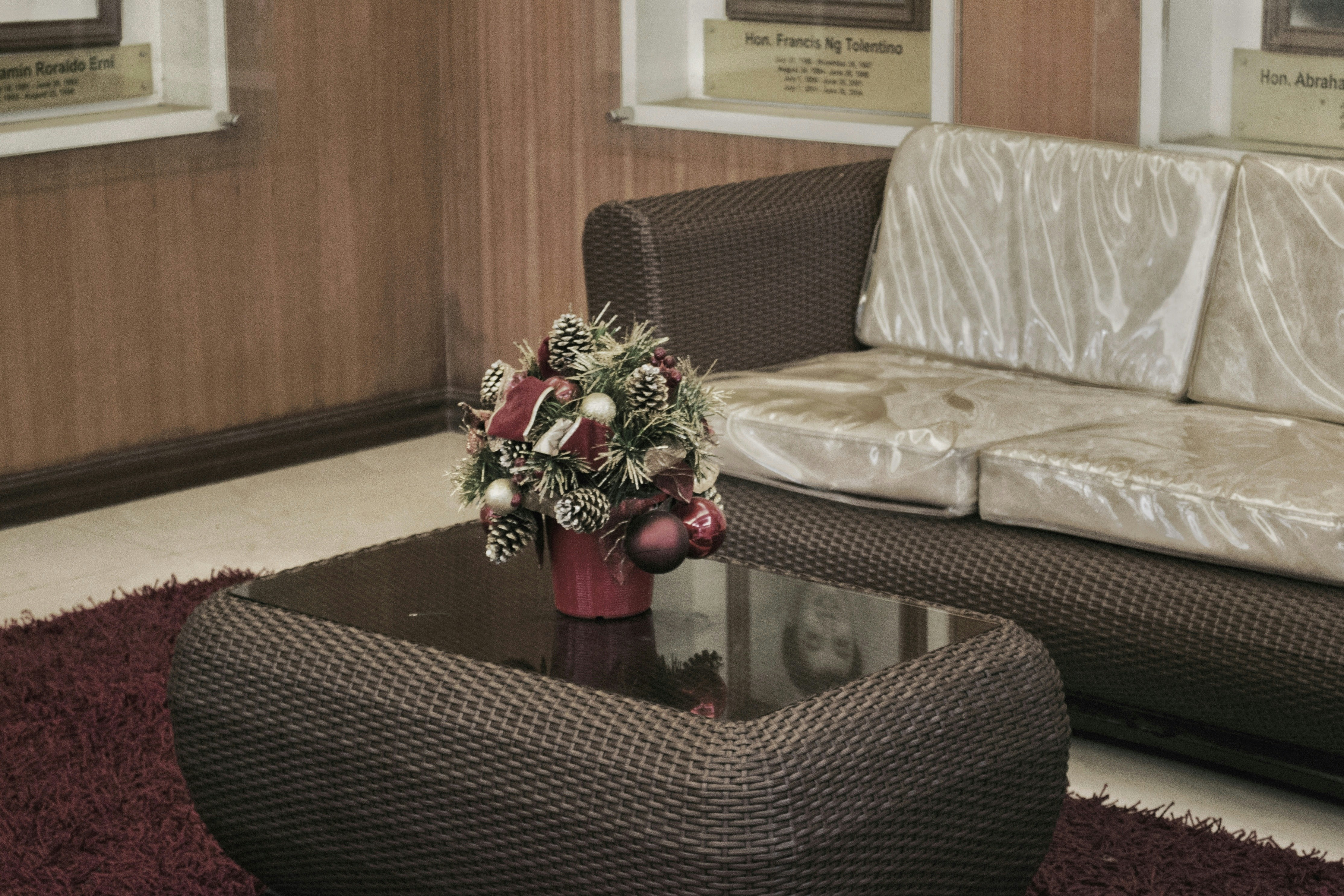
Introduction to DIY Furniture Decoration
DIY furniture decoration has emerged as a prominent trend in home improvement, offering an innovative approach that allows individuals to transform their living spaces according to personal tastes and preferences. This creative endeavor not only enhances the aesthetic appeal of furniture but also fosters a sense of accomplishment and individuality. As homeowners seek to make their environments more inviting, the popularity of DIY projects continues to grow, providing an excellent opportunity for self-expression and artistry.
Engaging in DIY furniture decoration presents several advantages, the foremost being cost savings. By opting to refurbish or upcycle existing furniture rather than purchasing new pieces, individuals can significantly reduce expenses. This practice not only saves money but also promotes sustainability by extending the lifecycle of items that may otherwise end up in landfills. Additionally, DIY projects often require minimal investment in terms of materials and tools, making them accessible to a broader audience.
Another compelling benefit of DIY furniture decoration is the level of personalization it affords. Homeowners have the unique opportunity to customize their furniture to reflect their individual style, whether through paint, fabric, or other decorative techniques. This process allows for a cohesive design that can harmonize with existing décor, turning any room into a personalized sanctuary. Moreover, creating something unique instills a sense of pride and satisfaction in the person undertaking the project, as it is a tangible representation of their creativity and effort.
Throughout this post, readers will discover an array of inventive ideas, practical tips, and effective techniques for embarking on their own furniture decoration endeavors. From simple updates to more complex transformations, this guide aims to inspire and equip individuals with the knowledge needed to infuse their living spaces with character and charm through DIY furniture decoration.
The Importance of Personalization in Home Decor
Personalization in home decor is crucial as it plays a significant role in reflecting one’s individuality and fostering a sense of belonging within a space. The way we choose to decorate our homes, particularly our furniture, can convey our personal tastes, values, and stories. This tailored approach not only enhances the aesthetic appeal of our living spaces but also creates an inviting atmosphere that feels distinctly ours.
When individuals engage in DIY furniture decoration, they are presented with a unique opportunity to integrate personal touches that mirror their style. This process often leads to a deeper emotional connection with the surroundings. A piece of furniture that showcases a specific color palette, texture, or design motif can evoke memories or feelings tied to meaningful experiences. For instance, a rustic dining table with handmade elements can bring feelings of warmth and nostalgia, making gatherings with family and friends even more special.
Identifying one’s personal style is a fundamental step in the journey of personalized home decor. Homeowners can begin this process by reflecting on their preferences in art, fashion, and nature, as these can provide valuable insights into their design aesthetics. Mood boards can be an effective method to visualize different ideas and styles, helping to juxtapose colors, materials, and patterns that resonate with them.
Incorporating identified elements into furniture decoration can take many forms, from selecting unique finishes and colors to experimenting with furniture arrangement. Simple DIY projects, such as repainting a dresser or reupholstering a chair, allow homeowners to infuse their personality into their living spaces. Ultimately, the emotional value of a personalized decor ensures that every piece of furniture is not merely functional but also a representation of the homeowner’s journey, fostering an environment that truly feels like home.
Essential Tools and Materials for DIY Furniture Decoration
When embarking on a DIY furniture decoration project, having the right tools and materials is crucial to achieving a successful and aesthetically pleasing result. A well-equipped toolkit not only enhances the quality of your work but also makes the process more enjoyable. Below is a comprehensive list of essential items for your DIY projects.
First, paint is a fundamental material. It allows for a multitude of finishes and effects, so be sure to choose high-quality paint suitable for furniture. You will also need a variety of brushes, including flat brushes for larger surfaces and detail brushes for intricate designs. Additionally, rollers can be useful for smooth, even coverage on larger pieces.
Next, sandpaper is necessary for preparing surfaces and ensuring paint adhesion. It helps remove old finishes and smooths out imperfections. Opt for various grits to tackle different stages of the sanding process.
Stencils can add artistic flair to your furniture. They enable you to create patterns or designs with ease, providing a professional finish without extensive skill. It is advisable to invest in a few versatile stencils that can be used across multiple projects.
Upholstery supplies are also essential if you plan to reupholster chairs or cushions. This includes fabric, foam padding, staple guns, and upholstery nails. When selecting upholstery materials, choose fabrics that are durable and easy to clean, ensuring longevity in your furniture decoration.
Finally, safety gear such as goggles, masks, and gloves should not be overlooked. These items protect you from dust, fumes, and splinters. Quality supplies might seem expensive initially, but they can save costs in the long run due to their durability. To find budget-friendly options, consider local craft stores, online retailers, or second-hand shops. Seek inspiration from DIY blogs, forums, or social media platforms to discover innovative tools that could elevate your DIY furniture decoration projects.
Top DIY Furniture Decoration Ideas for Beginners
Embarking on DIY furniture decoration can be an exhilarating journey, particularly for those just starting. Here, we explore beginner-friendly options that require minimal tools and materials yet yield substantial transformation for your home. One of the simplest projects is painting furniture. With a can of paint, you can significantly alter the look of a table or chair. Start by sanding the surface to ensure even paint application. After preparing your workspace, apply a primer to enhance adherence and finish with your chosen paint color. Allow ample drying time and seal with a clear coat for durability.
Another enjoyable undertaking is reupholstering chairs. This project can breathe new life into old furniture. Select a fabric that reflects your style and complements your decor. Begin by removing the existing upholstery with a staple remover. Cut the new fabric to size, ensuring it overlaps the edges. Lay the fabric over the seat, fold it snugly, and secure it with a staple gun. Trim excess fabric and finish by adding decorative trim, which can provide a polished look to your newly upholstered chair.
For those seeking a less intensive project, adding decals to dressers is a fantastic choice. Decorative vinyl decals come in various designs and can easily personalize a piece of furniture. Start by cleaning the surface of the dresser thoroughly. Position the decals on the dresser to find the perfect layout, ensuring you press them firmly to adhere. This method allows for creativity without the commitment of paint or fabric. The versatility of these DIY furniture decoration ideas can transform any space effortlessly, offering unique expressions of personal style. Create an inviting atmosphere in your home and take pride in your DIY accomplishments.
Advanced Decoration Techniques for the Experienced DIYer
For those who have mastered the basics of DIY furniture decoration, the next step is to explore advanced techniques that can elevate the aesthetics of any piece. Distressing furniture is one such method that adds character and charm. This technique involves sanding or scraping the surface to create a weathered look, which is perfect for achieving that rustic or vintage vibe. Utilize a variety of tools, such as chisels or sanding blocks, to create textures that mimic years of wear and tear. Moreover, integrating different colors during the distressing process can enhance the visual appeal, adding depth to your furniture.
Another innovative approach is using epoxy resin for unique finishes. This versatile material allows for a glossy, glass-like surface that can transform tables, countertops, and other furniture pieces into eye-catching focal points. When incorporating epoxy, be sure to properly prepare the surface and mix the resin according to the instructions to achieve the best results. Additionally, consider adding color pigments or decorative elements within the resin to create a truly one-of-a-kind finish.
Customizing hardware presents an excellent opportunity to personalize your furniture. Replace standard knobs and pulls with more unique or vintage options to reflect your individual style. Not only will this minor change improve functionality, but it can also serve as an artistic statement piece. Furthermore, incorporating mixed media—such as fabric, paper, or metals—can add unexpected textures and visual interest to a project. As an advanced DIYer, be creative in combining different materials and finishes, creating layered effects that catch the eye and invite touch.
By employing these advanced techniques, you can achieve professional-looking results that enhance the aesthetic of your furnishings, allowing your creativity to take center stage in your home decor. Each approach not only improves the appearance but also ensures that your DIY projects stand out distinctly in any setting.
Sustainable and Eco-Friendly DIY Practices
In recent years, the importance of sustainability in furniture decoration has gained significant attention, as more individuals recognize the environmental impact of their choices. Adopting sustainable and eco-friendly DIY practices not only appeals to the eco-conscious consumer but also encourages creativity and resourcefulness. By prioritizing sustainability, you can transform your home while minimizing waste and reducing your carbon footprint.
One effective way to embrace eco-friendly practices is by sourcing materials through upcycling. Upcycling old furniture not only diverts waste from landfills but also provides a unique character and charm to your home decor. For instance, consider repurposing an old wooden pallet into a rustic coffee table or transforming an unused ladder into a stylish bookshelf. The options are limitless, and such projects allow you to create one-of-a-kind pieces that reflect your personal style while promoting a sustainable ethos.
Another essential aspect of sustainable DIY practices is the materials used in your projects. Opting for non-toxic paints, stains, and finishes ensures that you are not introducing harmful chemicals into your home or the environment. Many brands now offer eco-friendly alternatives that maintain quality without compromising health or safety. Additionally, consider sourcing reclaimed wood or sustainable materials, such as bamboo, which are both durable and environmentally friendly choices for your furniture decoration.
To facilitate sustainable DIY projects, numerous resources are available for sourcing eco-friendly supplies. Local thrift stores, salvage yards, or online marketplaces specializing in secondhand goods often provide excellent opportunities for finding items ripe for upcycling. Workshops and community events focused on sustainable crafting can also be valuable for gaining new skills while connecting with like-minded individuals. By focusing on sustainability in your DIY furniture decoration, you not only enhance your home but also contribute to a more environmentally responsible lifestyle.
Sharing Your DIY Experiences: The Importance of Community
The journey of creating DIY furniture not only enhances your home but significantly contributes to the development of a vibrant community among like-minded individuals. Sharing your DIY experiences through various platforms can foster a sense of belonging while encouraging creativity. Social media platforms such as Instagram, Pinterest, and Facebook offer dedicated groups and hashtags, allowing enthusiasts to showcase their projects and draw inspiration from others. These platforms create a dynamic exchange of ideas, techniques, and styles that can enrich personal projects further.
Additionally, personal blogs have become a popular avenue for DIY aficionados to narrate their stories. They allow for in-depth tutorials, before-and-after photos, and valuable tips that can guide others in their own endeavors. By documenting your projects on a blog, you contribute to a larger dialogue within the DIY community, providing a treasure trove of information for both novices and experts alike.
In-person community workshops and local crafting events also play a crucial role in the DIY culture. These gatherings provide an opportunity for hands-on learning and collaboration, as participants can exchange skills and insights face-to-face. Engaging in these workshops not only enhances your skills but also fosters meaningful connections with fellow DIY enthusiasts, cultivating a supportive network that encourages sharing and inspiration.
Moreover, finding and joining local DIY clubs can further amplify your experience. These clubs often host challenges and collaborative projects, motivating members to push their creative boundaries while having the support of community members. Whether through online platforms or offline gatherings, interconnectedness within the DIY community is invaluable. By sharing your experiences and connecting with others, you not only improve your own skills but also contribute to an ever-expanding culture of creativity and innovation in DIY furniture decoration.
Maintaining and Caring for Your Decorated Furniture
Taking care of decorated furniture is essential for ensuring its longevity and aesthetic appeal. With the right maintenance strategies, homeowners can keep their furniture looking fresh and vibrant while adapting it to their evolving needs. Regular cleaning is the cornerstone of furniture upkeep. Depending on the material used, different cleaning solutions may be necessary. For wood furniture, a gentle cleaner or a mix of vinegar and water can help remove dust and grime without damaging the finish. For upholstered pieces, a vacuum with an upholstery attachment can effectively remove dirt and allergens.
Protecting decorated furniture from wear and tear is another crucial aspect. Using coasters, placemats, or trays can prevent scratches and water rings, while ensuring that your furniture maintains its decorative integrity. Additionally, applying furniture wax or polish on wooden surfaces periodically can create a protective barrier, enhancing both durability and shine. If the furniture is situated in direct sunlight, consider using window treatments or UV-resistant finishes to prevent fading.
Seasonal upkeep is vital, especially in regions with extreme weather conditions. During significant temperature changes, checking joints and connections for stability is advisable, as they might expand or contract. If your decor includes textiles, consider seasonal changes in fabric care; for instance, using breathable fabric covers in the summer can prevent moisture buildup.
Lastly, refreshing your decorated furniture doesn’t always necessitate a complete overhaul. Small changes, such as swapping out throw pillows, adding a new runner, or updating hardware, can significantly alter the look without requiring extensive efforts. This adaptability allows your furniture to evolve alongside your home’s decor style and personal preferences. By integrating these maintenance tips, one can ensure that decorated furniture remains functional and stylish long into the future.
Conclusion
In the realm of DIY furniture decoration, the journey is as significant as the destination. Each project offers a unique opportunity for self-expression and creativity, allowing individuals to transform their living spaces into reflections of their personal style. Engaging in DIY furniture decoration is more than just a task; it is a fulfilling experience that empowers individuals to take control of their environment and imbue it with character.
The beauty of embarking on this creative journey lies in the multitude of possibilities available to you. Whether you choose to repurpose old furniture or experiment with new designs, each endeavor holds the potential to showcase your individuality. As you delve into the world of DIY projects, the potential for innovation and transformation is boundless. Feel free to explore various techniques such as painting, upholstery, and refinishing to bring your visions to life.
Moreover, it’s essential to remember that there are no strict rules when it comes to creativity. DIY furniture decoration encourages experimentation, allowing you to learn from both successful projects and the occasional misstep. Each experience contributes to your growth and skills as a DIY enthusiast. As you embrace this journey, you will inevitably discover new ideas and techniques that excite and inspire you.
Ultimately, the invitation for you is to take that first step in your DIY furniture decoration adventure. Trust in your ability to create and design in a way that resonates with you. With every small project, you will not only beautify your home but also nurture a deeper connection to your living space, celebrating the joy that comes with achieved craftsmanship. Unleash your creativity, and let the possibilities unfold!