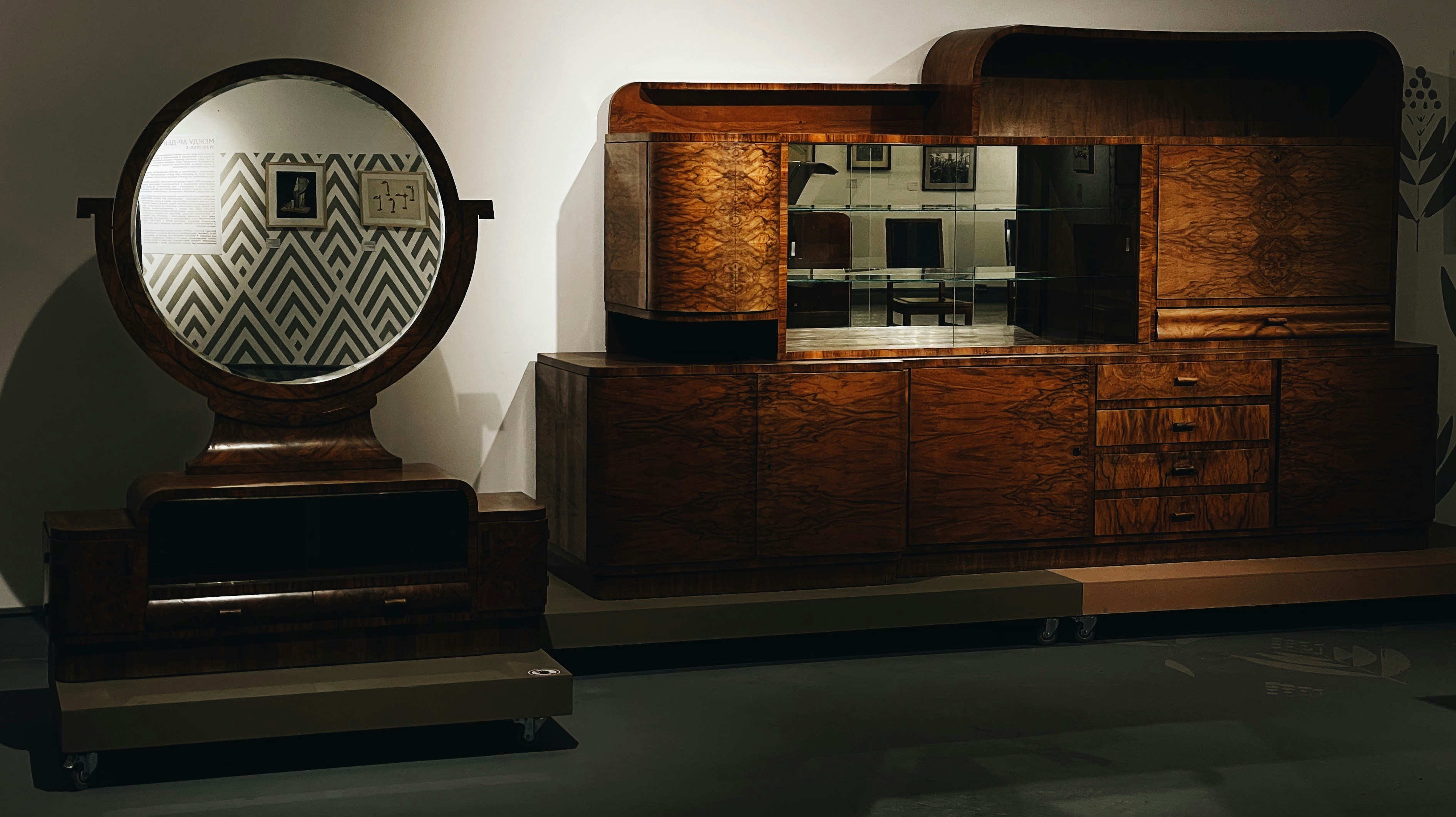
Introduction to DIY Furniture Decoration
DIY furniture decoration has emerged as a significant trend in the home decor landscape, allowing individuals to unleash their creativity and personalize their living spaces. This approach not only fosters a sense of ownership over one’s environment but also serves as a cost-effective solution for those looking to enhance their homes without incurring substantial expenses. By engaging in DIY projects, homeowners can transform ordinary pieces of furniture into unique statements that reflect their personal style.
One of the primary benefits of DIY furniture decoration is the ability to customize items according to individual preferences. Whether it involves reupholstering a chair, adding a fresh coat of paint to a table, or integrating new hardware into a cabinet, these projects enable homeowners to tailor their furniture to their distinct aesthetic. This personalization not only elevates the visual appeal of the home but can also significantly improve functionality, as individuals can modify furniture pieces to better suit their specific needs.
Moreover, engaging in DIY projects encourages creativity, resulting in distinctive furniture pieces that cannot be found in typical retail stores. This creative expression not only contributes to a more personalized living space but also fosters a deeper connection between the homeowner and their environment. Activities like upcycling or refinishing furniture can also serve as fulfilling hobbies, providing an excellent outlet for artistic expression while yielding tangible results.
As the popularity of DIY furniture decoration continues to rise, it invites individuals to explore various creative techniques and ideas. This blog will delve into a variety of innovative methods, equipping readers with the knowledge necessary to embark on their own DIY journeys. Through these creative endeavors, one can achieve a beautifully curated home that is both functional and reflective of personal style.
Essential Tools and Materials for DIY Projects
Engaging in DIY furniture decoration requires specific tools and materials to ensure successful outcomes. First and foremost, selecting the right type of paint is essential. Acrylic paint is commonly recommended for furniture projects due to its versatility and ease of use, while chalk paint provides a matte finish that is both trendy and user-friendly. You may also explore spray paint for even coverage and quick application.
Your toolkit will also benefit from various brushes, including flat and angled brushes, to reach different areas effectively. A high-quality foam roller can be invaluable for covering larger surfaces uniformly. In addition, a variety of sandpapers, ranging from coarse to fine, will help prepare and smooth the surfaces of your furniture before painting.
Stencils can elevate your DIY projects by adding intricate designs and patterns. These can be found online or created at home using cardstock. Crafting an aesthetic that aligns with your personal style often involves experimentation, and stencils offer a simple way to achieve professional-looking results.
Furthermore, having a reliable measuring tape and a level is crucial to ensure any applied decorative elements are proportionate and straight. A utility knife can also come in handy for precise cuts when working with stencils or other materials.
To source these materials affordably, consider local hardware stores, online marketplaces, or community groups focused on DIY projects. Thrift stores or secondhand shops can be excellent places to find furniture at low prices, which you can revamp with your creative skills. With the right tools and materials at your disposal, you are well on your way to starting a fulfilling DIY furniture decoration journey.
Upcycling Old Furniture: A Sustainable Approach
Upcycling old furniture is an innovative and sustainable approach to home decoration that not only revitalizes your living space but also contributes to reducing environmental waste. The process involves creatively transforming unused or discarded pieces of furniture into functional items while preserving their original essence. This unique method aligns with eco-friendly living practices, encouraging individuals to reconsider their consumption habits and embrace a more sustainable lifestyle.
One popular project is converting an old wooden pallet into a rustic coffee table. With minimal tools and effort, one can disassemble the pallet, sand the wood to remove rough edges, and reconfigure it into a stylish table. Adding a coat of paint or varnish can complement the room’s decor, making it a centerpiece of conversation. Similarly, an outdated dresser can be given a second life as a trendy bathroom vanity, enhancing both its functionality and aesthetic appeal. By simply updating the hardware and applying a fresh coat of paint, you can create a modern arrangement from something that would otherwise be discarded.
Moreover, enthusiasts may consider transforming vintage chairs into quirky garden planters. By removing the seat and replacing it with a potting area, these chairs can bring an element of charm to any outdoor space while serving a new purpose. Upcycled furniture not only adds character and uniqueness to a home but encourages creativity and resourcefulness.
Through upcycling, individuals can engage in a sustainable practice that positively impacts their community and the environment. By repurposing old furniture rather than purchasing new items, we can minimize our carbon footprint and foster a culture of sustainability. In this way, upcycling old furniture offers an inspiring method to decorate our homes while embracing environmentally responsible practices.
Beginner-Friendly DIY Furniture Decoration Ideas
For those new to the world of furniture decoration, there are several straightforward projects that can breathe life into your home without requiring advanced skills. These beginner-friendly DIY ideas transform simple furnishings into unique statement pieces with minimal effort and investment.
One of the most accessible projects is painting a chair. Start by selecting a wooden or metal chair that needs a refresh. Choose a color that complements your existing décor. Before beginning, ensure you properly clean the surface and remove any old paint or varnish. Use a fine-grit sandpaper to lightly roughen the surface, promoting better paint adhesion. After cleaning, apply a primer followed by your chosen paint using a foam roller or brush. Allow sufficient drying time between coats for a smooth finish. This quick project can dramatically alter the appearance of a room.
Another simple yet effective DIY project is to enhance a sofa by reupholstering it with new fabric. Choose a fabric that suits your style and is durable enough for daily use. Remove the existing fabric carefully, taking note of how it is attached. Cut the new fabric according to the dimensions of the sofa, allowing extra length for tucking under. Secure the new material using a staple gun, ensuring a tight and neat fit. This process not only revitalizes your furniture but can also showcase your personal taste.
For those looking to create an eye-catching decorative table, consider using stencils or decoupage. Select a plain table and gather decorative paper or stencils. Clean the surface thoroughly, then apply a layer of decoupage glue to your table. Arrange your chosen paper or stencil precisely and seal it with another layer of glue. Once dry, finish with a clear coat for protection. This technique introduces artistic flair to a simple table.
With these beginner-friendly DIY furniture decoration ideas, transforming your space is not only achievable but can also be a fun and gratifying experience. The key lies in starting small and allowing your creativity to flourish.
Advanced Furniture Decoration Techniques
For homeowners looking to elevate their DIY furniture decoration skills, a variety of advanced techniques can create stunning transformations. Each method not only enhances aesthetic appeal but also allows the creator to express their individuality through design.
One popular technique is decoupage. This method involves adhering decorative paper or fabric onto furniture surfaces, followed by sealing it with a finish to protect the artwork. To begin, select high-quality images or patterns that resonate with your style. Cut them to the desired size and apply a decoupage medium to both the furniture and the paper before carefully affixing them. Once dry, a clear sealant can be applied for protection and longevity.
Distressing is another effective technique that adds a rustic charm to furniture. It mimics the natural wear that comes with age. To achieve this look, start with a base coat of paint and allow it to dry completely. Then, use sandpaper or a damp cloth to gently remove some of the paint on edges and raised areas, revealing the surface underneath. This technique works remarkably well on wooden furniture, contributing to the overall character of the piece.
Stenciling provides a wonderful opportunity for customization. It involves using a stencil and paint to create intricate patterns or designs on the furniture’s surface. When choosing a stencil, consider motifs that complement your existing decor. Secure the stencil in place and apply paint with a sponge or brush, ensuring that the edges remain crisp for a polished appearance. This technique can instantly add a flair of sophistication to both modern and traditional pieces.
Lastly, creating faux finishes can simulate the appearance of luxurious materials like marble or leather on furniture. Using specialized paints and tools, you can replicate these textures, elevating the overall design without the hefty price tag of high-end materials. Combining these techniques requires practice but can lead to breathtaking results.
These advanced furniture decoration techniques enable DIY enthusiasts to take their projects to the next level, enriching their home’s ambiance through personalized designs.
Incorporating Trends in DIY Furniture Decoration
The world of DIY furniture decoration is constantly evolving, welcoming a plethora of trends that can not only enhance the aesthetic appeal of a home but also allow individuals to showcase their personal style. Currently, several popular styles such as minimalism, bohemian chic, and industrial decor have emerged, each offering unique elements that can be seamlessly integrated into DIY projects.
Minimalism is characterized by clean lines, functional pieces, and a neutral color palette that promotes an uncluttered space. When embarking on DIY furniture decoration projects, consider crafting multifunctional items that utilize simplicity in design. For instance, building a sleek shelving unit with natural wood finishes can serve both as a storage solution and an elegant decor accent. Incorporating textures through textiles can also add warmth without compromising the minimalist ethos.
In contrast, bohemian chic decor stands out with its vibrant colors, patterns, and an eclectic mix of materials. This style encourages creativity and experimentation, making it perfect for DIY enthusiasts. For instance, reupholstering a vintage chair with a bold, colorful fabric can effortlessly transform it into a statement piece. Adding elements such as macramé hangings or patterned cushions can further enhance the bohemian vibe, reflecting personal tastes while still adhering to the trend.
Finally, industrial decor leans towards a raw, unfinished look that often features metal, wood, and concrete. DIY furniture projects within this style can include creating coffee tables from reclaimed wood and metal pipes or incorporating light fixtures made from galvanized steel. This trend’s adaptability allows for blending with other styles, encouraging DIY enthusiasts to mix vintage elements with modern industrial pieces.
By integrating these popular styles into your DIY furniture decoration projects, you can create a living space that not only aligns with current trends but also resonates deeply with your unique aesthetic preferences.
A Gallery of DIY Inspiration
Transforming your home through DIY furniture decoration projects can be an enjoyable and fulfilling experience. In this gallery, we present a collection of inspiring projects that demonstrate the endless possibilities for enhancing your living space with creativity and ingenuity.
One notable project is the upcycled wooden pallet coffee table. By sanding down old pallets and applying a coat of varnish or paint, you can create a rustic yet chic centerpiece for your living room. To further personalize the design, consider adding wheels for mobility or incorporating storage beneath the surface. Tutorials for this project can be found on various DIY websites, providing step-by-step guidance.
Another popular idea is repurposing an old dresser into a charming bathroom vanity. By removing the existing hardware and replacing it with stylish knobs and a fresh coat of paint, you can breathe new life into a piece that may be otherwise overlooked. Using a sink insert and installing plumbing requires some technical know-how, but the end result will significantly enhance your bathroom’s aesthetic.
For those who prefer a more artistic approach, consider creating a gallery wall using an assortment of framed artwork, mirrors, or even personal photographs. This project allows for immense flexibility in terms of design; you can mix and match different frame styles, colors, and textures to create a cohesive look that reflects your personal taste. There are numerous online resources to help you develop a vision for your gallery wall, making this an easily accessible project for anyone.
As you explore these DIY furniture decoration ideas, remember that each project can be tailored to suit your unique style and requirements. Embrace the creativity that DIY allows, and don’t hesitate to experiment with your chosen materials and designs. The joy of transforming your space is within reach, and the results can be both functional and aesthetically pleasing.
Safety Tips and Best Practices for DIY Projects
Engaging in DIY furniture decoration can be both an enjoyable and rewarding endeavor. However, it is imperative to prioritize safety throughout the process to prevent accidents and injuries. One of the most effective ways to ensure a safe DIY experience is by wearing appropriate protective gear. This includes safety goggles to shield your eyes from debris or chemicals, gloves to protect your hands from sharp objects or irritants, and a dust mask if you are working with materials that generate dust or fumes. Proper attire, such as long sleeves and closed-toe shoes, can further enhance your safety.
Another significant aspect of ensuring safety during DIY projects is selecting a well-ventilated workspace. Many materials, such as paints, stains, and solvents, can emit harmful vapors. Working in an area with good airflow will help reduce exposure to these potentially hazardous substances. When applicable, consider opening windows, using exhaust fans, or working outdoors to improve ventilation. Additionally, ensure that your work area is free from clutter to minimize the risk of tripping or knocking over tools and materials.
Following specific instructions for using tools and materials is vital for successful and safe DIY furniture decoration. Each tool may have unique operating procedures, safety features, and maintenance recommendations. Reading the user manuals and adhering to the manufacturer’s guidelines can significantly reduce accidents. When working with power tools, use them for their intended purposes, and always keep your hands clear of moving parts. It is also wise to take periodic breaks and assess your workspace and your well-being, helping to maintain focus and avoid fatigue.
By implementing these safety tips and best practices, you can create a secure environment for your DIY projects. Enjoy the creative journey and transforming your furniture while keeping safety at the forefront of your efforts.
Conclusion: Embrace Your Creativity in Furniture Decoration
DIY furniture decoration serves as an enriching avenue for individuals to express their unique styles and perspectives within their homes. The projects can range from simple interventions, such as repainting an existing piece, to more complex transformations, such as building furniture from scratch. Each endeavor not only allows for personal expression but also promotes a sense of fulfillment and achievement upon completion.
The significance of DIY furniture decoration extends beyond aesthetics. With an increasing focus on sustainability, undertaking furniture projects offers the opportunity to repurpose materials, reduce waste, and diminish one’s carbon footprint. By choosing to refurbish rather than purchase new items, you contribute positively to the environment while simultaneously crafting personalized pieces that reflect your taste.
Moreover, engaging in DIY projects fosters creativity and innovation. As you explore various techniques and materials, you may discover new skills or ideas that can influence not only your approach to furniture decoration but also other areas of your life. The process can be exceptionally motivating, encouraging collaboration and sharing of ideas with others.
As you embark on your own DIY furniture decoration journey, remember that every project is a canvas for your imagination. Don’t hesitate to let your creativity flourish, whether through bright colors, unique patterns, or unexpected combinations. The transformation of ordinary furniture into exceptional pieces that resonate with your individuality is profoundly rewarding. Thus, take the first step today and delve into the realm of DIY furniture decoration, not just to enhance your living space but also to revel in the creative process. Share your projects with others and inspire a community of fellow creators.