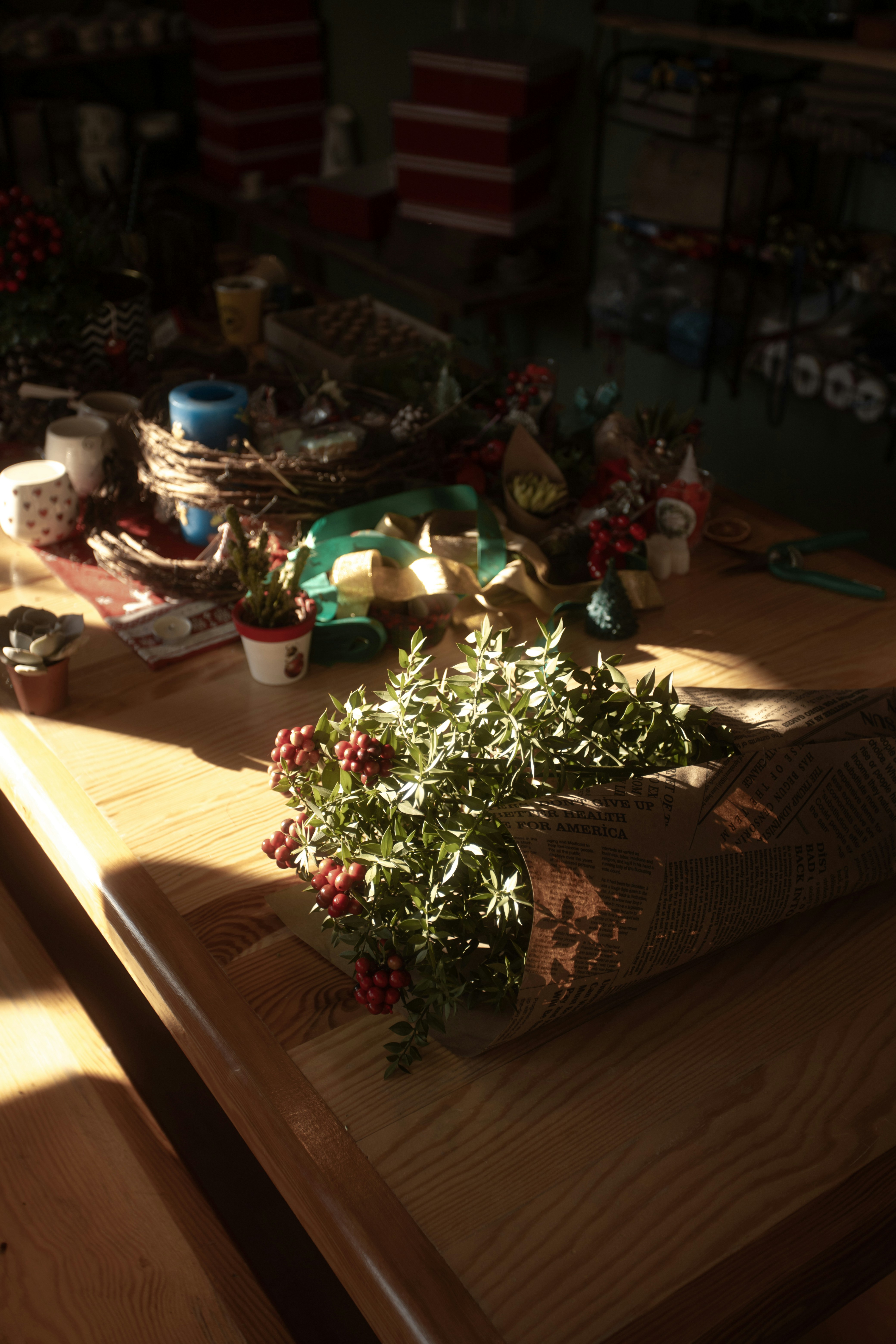
Introduction to DIY Furniture Decoration
In recent years, DIY furniture decoration has gained significant traction among homeowners and interior design enthusiasts alike. This growing trend reflects a desire for personalized spaces that not only enhance aesthetic appeal but also serve as expressions of individuality. Engaging in DIY furniture projects allows individuals to infuse their unique styles into their home environments, creating spaces that resonate with personal tastes and lifestyles.
The benefits of DIY furniture decoration extend beyond mere aesthetics. One of the most compelling reasons for this surge in popularity is cost-effectiveness. Purchasing brand-new furniture can be prohibitively expensive, especially for those looking to create a distinct style. By opting for DIY methods, individuals can save money while transforming existing pieces into something fresh and captivating. This approach empowers homeowners to decide how much to invest based on materials and labor, allowing for budget-friendly solutions to home decor.
Moreover, engaging in DIY projects fosters creativity. The opportunity to experiment with colors, textures, and designs offers a rewarding outlet for artistic expression. Whether it involves repainting a vintage chair or reupholstering a tired sofa, each project provides a unique chance to innovate and think outside the box. Additionally, many DIY initiatives promote sustainability by reusing and repurposing old furniture, effectively reducing waste. This not only contributes positively to the environment but also results in remarkable pieces that stand out from mass-produced alternatives.
This post will delve into various methods and ideas surrounding DIY furniture decoration, demonstrating how creativity, cost-effectiveness, and sustainability can come together to transform an ordinary home into a stylish haven. Embracing these DIY techniques not only enhances living spaces but also encourages a hands-on approach to home design.
Choosing the Right Furniture for Decoration
When embarking on DIY furniture decoration projects, selecting the appropriate pieces is crucial for achieving the desired aesthetic. Begin by assessing the condition of your existing furniture. Look for items that possess a sturdy structure, as this will provide a reliable foundation for any decorative enhancements. Minor imperfections such as scratches or dents can often be remedied through creative techniques, so do not be deterred by these signs of wear.
Next, consider the materials used in your furniture. Different materials yield distinct styles and durability. Wood offers a classic appeal and pairs well with various finishes, while metal can introduce an industrial vibe. Upholstered pieces allow for personalized fabric choices, creating comfort alongside style. Understanding the attributes of each material can help in selecting pieces that will complement your overall decor theme.
Styles play a significant role in your furniture selection. From mid-century modern to rustic farmhouse, the style should harmonize with your vision for the space. Mixing styles can add character to your home, but it’s important to maintain balance. For instance, pairing a sleek modern chair with a traditional table can create an eclectic but cohesive look, enhancing the overall design of the room.
Size is another essential factor. Take precise measurements of your available space and the furniture you wish to incorporate. Oversized pieces can overwhelm a small room, while diminutive items may get lost in larger spaces. Additionally, for those scouring thrift stores or online marketplaces, look for unique finds that resonate with your style. Look for chairs with interesting shapes, tables with intricate details, or unique storage solutions that invite creativity. The right pieces will serve as the perfect canvas for your DIY decoration endeavors.
Essential Tools and Materials for DIY Projects
Embarking on DIY furniture decoration projects requires a solid understanding of essential tools and materials. Whether you are repainting an old chair or creating unique stenciled patterns on a table, having the right supplies ensures a smoother journey. It’s important to begin with a comprehensive list that encompasses various tools. For starters, a good quality paintbrush set and foam rollers are indispensable for achieving a smooth finish on painted surfaces. Additionally, various types of paint, such as acrylic, chalk paint, or spray paint, can augment your creative options.
Stencils can play a vital role in adding intricate designs to your furniture. They come in various shapes and sizes, allowing for customization based on your project’s aesthetic. Along with stencils, adhesive materials such as glue, tape, and even wood glue are necessary for securing embellishments or attaching pieces seamlessly. These materials can also aid in layering different decorations, enhancing visual appeal.
Moreover, tools like sandpaper, a putty knife, and a paint scraper are useful for preparation and finishing touches. Sandpaper smooths out surfaces, while a putty knife assists in applying wood filler, if required. Safety gear, including gloves and a mask, should not be overlooked. These items protect against chemicals found in paints and adhesives, ensuring a safer DIY experience.
Staying organized is equally vital during DIY projects. Consider utilizing a tool belt or a dedicated workspace where all equipment can be easily accessed. Proper organization reduces frustration and time wastage, allowing for a more enjoyable crafting experience. By preparing with the right materials and a safe work environment, both novice and experienced DIY enthusiasts can create stylish home accents effortlessly.
Creative Painting Techniques for Furniture
When it comes to DIY furniture decoration, employing unique painting techniques can transform standard pieces into stunning focal points in your home. Three popular methods include distressing, ombre, and stenciling. Each technique offers a distinct aesthetic, allowing for customization based on personal style and room theme. Below, we explore these methods in detail.
Distressing is a technique that creates a vintage or worn appearance by intentionally wearing down paint to expose the wood beneath. To achieve this effect, start with a piece of furniture that has been primed and painted in your desired color. Once dry, use sandpaper or a sanding block to gently rub over edges and high points, simulating natural wear. For added authenticity, consider employing a wet cloth to wipe away edges for a softer look.
The ombre technique, characterized by a gradual blending of one color hue to another, is perfect for adding depth and visual interest. Begin with a base coat of your lightest color. After it dries, use a sponge or brush to layer darker shades, blending as you go. This technique works exceptionally well on dressers and cabinets, providing a soft transition that elevates the piece’s appeal.
Lastly, stenciling offers an opportunity to incorporate intricate designs into your furniture. Begin by choosing a stencil that aligns with your home’s décor. Secure the stencil on the surface with painter’s tape and apply paint using a sponge brush for precise application. It is essential to work in layers and allow each to dry to achieve a crisp design.
Remember, the durability of your newly decorated furniture depends significantly on proper preparation. Priming is critical as it helps the paint adhere better and creates a smooth base. After your painting technique is complete, sealing the furniture with a clear topcoat will protect against scratches and stains, ensuring that your crafted masterpiece stands the test of time.
Upcycling Ideas: Transforming Old Furniture
Upcycling has gained significant traction in recent years, serving as an eco-friendly and creative approach to furniture decoration. By transforming old furniture into stylish pieces, individuals can not only enhance their living spaces but also contribute positively to environmental sustainability. With a little imagination and effort, unwanted items can be given new life through various innovative methods.
One popular upcycling idea is repurposing wooden crates as shelves. These versatile items can be easily stacked or arranged in different configurations to create unique shelving units. A simple coat of paint or varnish can add a touch of elegance, making wooden crates suitable for any interior style. Additionally, they can be used to store items neatly, reducing clutter while maintaining an appealing aesthetic.
Another creative concept involves transforming old chairs into distinctive garden planters. This process requires minimal tools and materials, yet it yields remarkable results. By removing the seat and creating drainage holes, a chair can be modified to hold pots or soil, thus becoming a striking focal point in an outdoor space. This idea not only uplifts the garden’s ambiance but also emphasizes the importance of reusing materials instead of discarding them.
In addition to the practical aspects of upcycling, there are notable environmental benefits associated with this practice. Upcycling helps reduce waste in landfills, conserves natural resources, and minimizes the carbon footprint associated with manufacturing new furniture. By upcycling old furniture, individuals contribute to the broader sustainable movement while enjoying the satisfaction that comes from creating something unique.
Ultimately, the potential for upcycling old furniture is vast. Whether through simple transformations or elaborate repurposing projects, these creative ideas provide opportunities for stylish home decoration while promoting an eco-conscious lifestyle.
Accessorizing Decorated Furniture
Accessorizing your newly decorated furniture is a crucial step toward achieving a stylish and cohesive aesthetic in your home. By thoughtfully selecting decorative items and considering color coordination, you can elevate your space and create a warm, inviting atmosphere. Start by incorporating cushions and throws that complement the color palette and style of your furniture. For instance, if you have a modern sofa, opt for geometric-patterned cushions in muted tones to add visual interest without overwhelming the design.
When selecting throws, consider the materials and textures that will enhance the comfort and appearance of your furniture. Soft knitted blankets can provide contrast against smooth upholstery, while silk or velvet throws can add an element of luxury. Remember, layering different textures adds depth and richness to your decor, making your space feel thoughtfully curated.
Table decor is another vital element in accessorizing your furniture. A well-styled coffee table can serve as a focal point in your living area. Consider decorative trays to corral items like candles, books, and small plants. Choosing ornamental objects in varying heights can create visual dynamics, while incorporating natural elements, such as fresh flowers, provides vibrancy and life to your space.
Color coordination plays a significant role in the accessories you choose. Use a color wheel to help identify complementary colors that will harmonize with your furniture. For example, if your furniture features warm colors like terracotta or rust, consider accessorizing with shades of teal or navy to create a fresh contrast. Pay attention to the balance of colors throughout the room to ensure a cohesive look that ties all elements together.
Ultimately, accessorizing decorated furniture is about expressing your individual style while maintaining harmony in the design. With thoughtful selection and attention to detail, your accessorized space will enhance the overall ambiance and personality of your home.
Personalizing with DIY Patterns and Textures
Enhancing your home with unique and personalized furniture is a rewarding endeavor. One of the most effective ways to achieve this is by incorporating various patterns and textures into your decor. With a little creativity and initiative, you can transform plain surfaces into stunning focal points that reflect your individual style. This process allows for not only aesthetic improvements but also a chance to engage in meaningful DIY projects that will undoubtedly bring a sense of fulfillment.
Contact paper offers a simple yet impactful solution for those looking to revitalize their furniture. Available in a variety of colors and designs, contact paper can be applied to surfaces such as tables, shelves, or even cabinets. Begin by measuring the area you wish to cover, then carefully cut the contact paper to size. After peeling off the backing, smoothly apply it to the chosen surface, ensuring that no air bubbles form. This method provides an effortless way to change the visual appeal while guaranteeing easy removal or replacement in the future.
Fabric is another versatile option for adding personal touches. Consider using fabric to reupholster chairs or update cushions. Choose textiles that complement your existing decor—whether bold and vibrant or soft and subtle. For a beginner-friendly approach, consider using a staple gun to attach fabric to furniture frames. Decoupage is an equally imaginative avenue, allowing you to layer paper or fabric onto surfaces using a glue medium. This technique can be executed on anything from tabletops to dresser drawers, resulting in visually striking pieces filled with character. Tutorial resources are plentiful, encouraging experimentation with different patterns and tools, ultimately sparking creativity in your furniture decoration projects.
Caring for Your DIY Decorated Furniture
Maintaining the integrity and aesthetic appeal of DIY decorated furniture is crucial to ensure lasting beauty and usability. Each piece you create not only reflects your personal style but also requires specific care to preserve its finish and functionality. The first step in caring for your decorated furniture is regular cleaning. Use a soft, lint-free cloth to gently dust surfaces on a weekly basis. For deeper cleaning, consider a solution of mild soap and water. Avoid harsh chemicals as they can damage decorative finishes.
Protection is another essential aspect of furniture care. Depending on the type of finish used—be it paint, stain, or sealant—applying a protective topcoat can significantly prolong its life. For painted surfaces, clear varnish or polyurethane can provide a barrier against scratches and spills. It is advisable to reapply these protective coatings every couple of years, or more frequently in high-traffic areas, to maintain optimal protection.
Additionally, be mindful of sunlight and moisture. Direct exposure to sunlight can lead to fading and discoloration, while excessive humidity can warp wooden structures. Hence, placing your furniture in well-ventilated areas away from direct sunlight may help mitigate these risks. Furthermore, consider using coasters, placemats, and tablecloths to shield surfaces from heat and moisture. Regularly assess wear and tear, engravings, or scratches on decorated surfaces, allowing for timely touch-ups or refinishing as necessary.
When it comes to refreshing your DIY creations, set a schedule for re-evaluation; consider doing this every six months to a year. This will allow you to address small imperfections before they develop into significant issues. By implementing these best practices, you will ensure your DIY decorated furniture remains a proud statement of your creativity for years to come.
Conclusion: Embracing Your DIY Journey
Throughout this blog post, we have explored various creative ideas for DIY furniture decoration that allow individuals to express their personal style and creativity. From upcycling vintage pieces to crafting custom decor, the potential for transformation lies within every project. The emphasis on personal expression plays a pivotal role in the DIY journey, as it empowers individuals to create unique spaces that reflect their tastes and preferences.
Embracing creativity in furniture decoration not only enhances your living space but also serves as a gratifying outlet for self-expression. Engaging in these DIY projects fosters a sense of accomplishment and connection to one’s home. It invites you to think outside the box and to explore different materials, colors, and techniques that resonate with your vision for your interior space. Each project offers an opportunity to experiment and learn, making the process both enjoyable and educational.
We encourage you to share your finished projects and experiences with fellow DIY enthusiasts. Creating a community around furniture decoration projects allows for the exchange of ideas, inspiration, and support. As you embark on your own furniture makeover journeys, consider documenting the process, from initial concepts to the final touches. Not only can this serve as motivation for others, but it can also cultivate a sense of camaraderie among those who appreciate the art of DIY.
In conclusion, the world of DIY furniture decoration is a vast and inviting landscape. By trying out these creative ideas, you can infuse your home with style and personality. So, gather your materials, channel your creativity, and take the first step towards transforming your space into a true reflection of who you are. Your journey into DIY furniture decoration awaits.