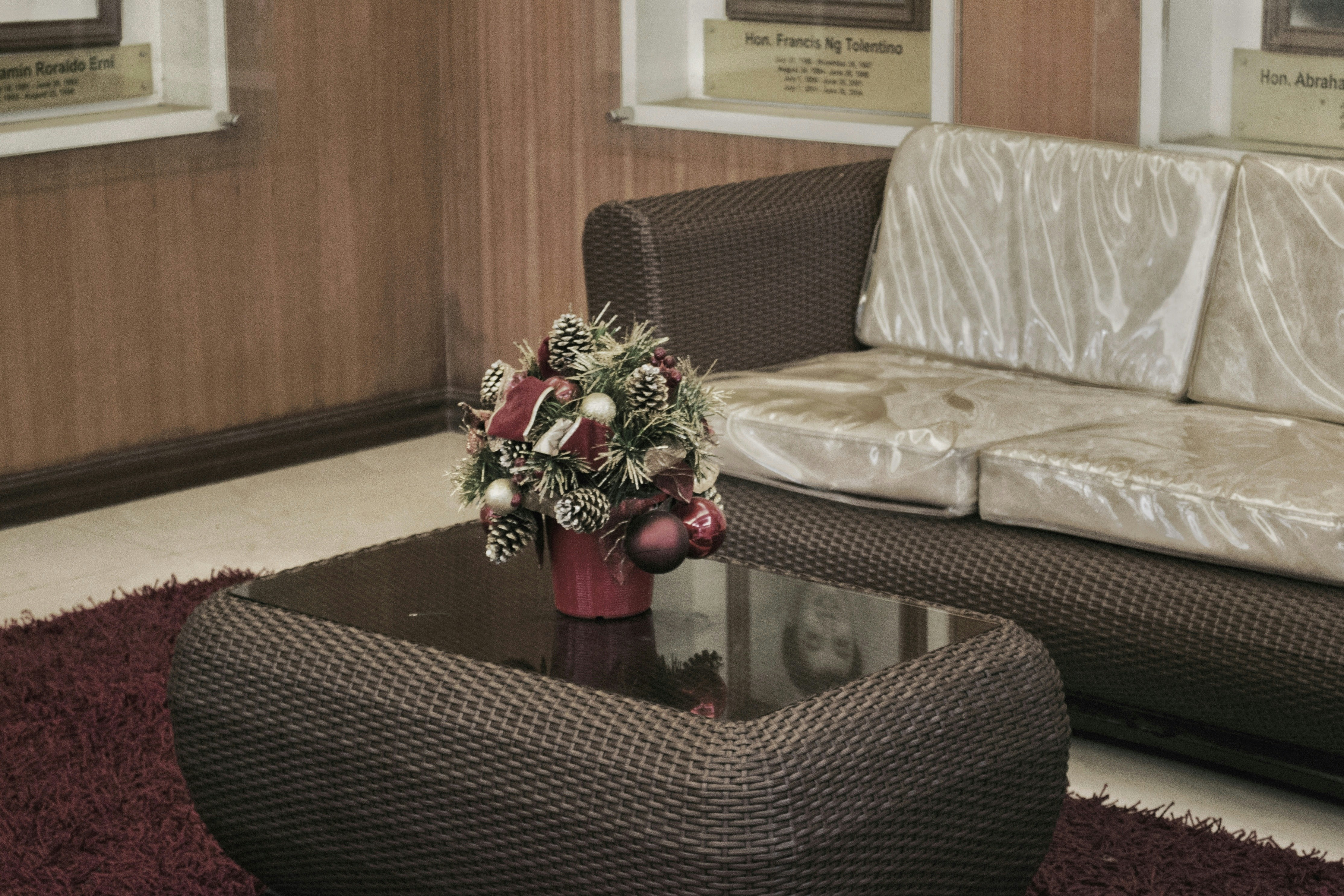
Introduction to DIY Furniture Decoration
DIY furniture decoration has gained immense popularity in recent years, as individuals seek innovative ways to personalize their living spaces. This approach not only allows for a unique expression of creativity but also offers a cost-effective alternative to purchasing brand new furniture. By embracing this trend, homeowners can transform their existing furniture into personalized pieces that complement their style and taste.
One of the primary benefits of engaging in DIY furniture projects is the opportunity for self-expression. Individuals can take inspiration from various design trends, but ultimately, they can tailor each piece to reflect their personality. This level of customization fosters a deeper connection to the furniture within their homes, as every item tells a story of creativity and effort invested. Furthermore, the act of creating furniture decorations offers a satisfying challenge, providing a fulfilling outlet for artistic skills.
In addition to creativity, DIY projects can result in significant monetary savings. Instead of spending considerable amounts on new furniture, individuals can repurpose existing items or find affordable alternatives at thrift stores or garage sales. By using paint, fabric, and other supplies, it is possible to completely revitalize old or unwanted furniture. This not only conserves financial resources but also encourages individuals to think resourcefully about their furnishings.
Moreover, DIY furniture decoration promotes environmental awareness by highlighting the importance of upcycling. Choosing to refurbish and decorate older furniture reduces waste and minimizes the demand for new materials, which can have a positive impact on the environment. By embracing DIY practices, individuals contribute to a sustainable lifestyle while also crafting pieces that resonate personally with them.
Choosing the Right Furniture for DIY Projects
When embarking on any DIY furniture decoration project, the selection of the right furniture pieces is paramount to achieving a successful and satisfying outcome. Begin by identifying outdated or worn items that are still in good condition; these provide a perfect foundation for a creative makeover. Furniture pieces that show signs of wear can often be transformed into unique statement items with the right approach, making them ideal candidates for DIY endeavors.
Consideration of size is crucial; the chosen pieces should fit well within your existing space and complement the overall layout of the room. Oversized furniture can overwhelm a small area, while tiny items may get lost in a larger setting. Measure your space thoroughly before making any final decisions, ensuring that the selected furniture fits harmoniously with the dimensions of the room.
Style is another essential factor in the furniture selection process. Each piece should not only serve a functional purpose but also resonate with your personal aesthetic and the overall theme of your space. Whether your preference leans towards retro, modern, rustic, or traditional, understanding the visual impact of your furniture choices allows for a cohesive design. Additionally, the material of the furniture plays a vital role in both durability and the possibility of decorative modifications. Wood, metal, and upholstery each come with unique characteristics that influence paint adhesion, texture, and overall makeover potential.
Ultimately, selecting the right furniture for your DIY projects involves a thoughtful assessment of condition, size, style, and materials. By paying attention to these details, you can ensure that your creative efforts lead to a satisfying transformation that enhances your space.
Essential Tools and Materials for DIY Furniture Decoration
Embarking on DIY furniture decoration projects requires a thoughtful selection of tools and materials that cater to your specific needs. These essential items not only facilitate the creative process but also ensure that your furniture projects are completed effectively and safely. Below are the key tools and materials that should be included in your DIY toolkit.
One fundamental item is sandpaper, which is crucial for preparing surfaces. It helps in smoothing rough edges and removing old paint or finishes. A range of grits can be beneficial, from coarse for heavy sanding to fine for finishing touches. Paint is another essential material; choosing high-quality paint suitable for various surfaces can significantly impact the overall appearance of your furniture. Consider eco-friendly paint options that are low in volatile organic compounds (VOCs), promoting both safety and sustainability.
Fabric is also a critical component, particularly for projects involving upholstery or decorative touches. When selecting fabric, look for durable and washable materials that align with your design vision. Similarly, brushes and rollers should be part of your toolkit for applying paint or stain evenly. Stencils can add creative patterns and designs, allowing personal expression in your furniture decoration.
Safety equipment should not be overlooked. Gloves protect your hands from chemicals, while masks are essential when sanding or painting to prevent inhalation of dust or fumes. Having safety goggles in your toolkit will protect your eyes during cutting or sanding tasks. Prioritizing these safety measures ensures a secure environment as you delve into the exciting world of DIY furniture decoration.
Step-by-Step Techniques for Common Furniture Enhancements
Enhancing furniture through DIY methods not only allows for personal expression but also revitalizes pieces that may otherwise go unnoticed. This guide will cover several techniques, including painting, reupholstering, distressing wood, and adding decorative elements like knobs and decals. Each technique will be broken down into simple steps to facilitate the process for novice DIYers.
To begin, painting furniture can dramatically change its appearance. First, select a high-quality paint suitable for the material of your furniture. Begin by cleaning the surface thoroughly to remove dust and grease. Next, lightly sand the surface to create a better bond with the paint. Apply a primer if using a darker color, then proceed with your paint, applying thin, even coats. Allow each coat to dry completely before applying the next for a smooth finish.
Reupholstering is another popular enhancement that can breathe new life into worn-out furniture. Start by carefully removing the old upholstery using a staple remover. Once the old fabric is off, inspect the padding for wear; replace it if necessary. Cut your new fabric to size, allowing extra for tucking and stapling. Position the fabric over the furniture and secure it with staples, ensuring it is taut and wrinkle-free. Finally, trim any excess fabric for a neat appearance.
Distressing wood gives furniture a rustic charm. Begin by sanding the edges and corners to expose the raw wood underneath. For a more defined distressed look, use a hammer or a chisel to create dents. Apply a wood stain or finish to achieve the desired color while enhancing the grain. This technique can transform a plain piece into a striking focal point.
Adding decorative elements like knobs and decals is an easy way to personalize furniture. Begin by determining the placement of new knobs and removing the old ones. Drill new holes if necessary. Choose knobs that complement your design theme. Similarly, vinyl decals can be carefully applied to the surface, enhancing visual interest. This finishing touch can tie the overall look of the furniture together.
By following these simple steps, anyone can enhance their furniture through DIY techniques. Embracing creativity in projects not only refines your space but also cultivates a sense of personal achievement in the process.
Inspiration: Creative DIY Furniture Projects to Try
Exploring creative DIY furniture projects can breathe new life into your interiors while showcasing your personal style. One popular project is transforming an old dresser into a chic statement piece. With some sandpaper, paint, and new hardware, you can easily revamp a dated piece into a focal point in your bedroom or hallway. By opting for bold colors or intricate designs, this simple project can reflect your unique aesthetic, making the furniture a conversation starter.
For those looking to refresh their living space, consider refurbishing a coffee table. You can achieve a modern look by utilizing techniques such as re-staining the wood, adding a glass top, or applying a geometric pattern with stencils. These methods not only enhance the appearance of the table but also elevate the overall decor. Additionally, upgrading the hardware or swapping out the legs for a sleek, contemporary style can make all the difference. This project is suitable for various skill levels, from beginner to advanced.
Another inspiring idea is to create your own shelving units. This can range from floating shelves to more complex bookcases, allowing you to customize the size and shape to fit your space. Incorporating unique brackets or decorative elements can personalize the shelving even further, ensuring it complements your existing decor. Visual examples and tutorials are widely available, providing guidance on the best approaches for your specific design vision.
Finally, consider upholstered furniture projects, such as re-covering old chairs or ottomans. Selecting fabrics that resonate with your personal style can transform a mundane item into a vibrant feature of your home. With the right tools and resources, you can embark on these DIY furniture decoration projects and enjoy the satisfaction of enhancing your living environment with personalized touches.
Sourcing Affordable Furniture and Supplies
When embarking on a DIY furniture decoration project, sourcing affordable furniture and supplies is critical to keeping costs manageable while unleashing your creativity. Numerous avenues can be explored to find economically viable options without compromising on quality or style.
Thrift stores often serve as hidden gems for those searching for unique furniture pieces. Often stocked with a variety of styles, thrift stores allow shoppers to uncover vintage and eclectic items at a fraction of the retail price. Patience is key, as inventory will vary from visit to visit. Garage sales and estate sales also present opportunities to snag gently used furniture for a great deal. These sales may be particularly fruitful during weekends or seasonal clear-outs, allowing DIY enthusiasts to potentially find entire sets at bargain prices.
Online marketplaces such as Facebook Marketplace, Craigslist, and OfferUp provide platforms for individuals to sell used furniture in their local areas. These sites often feature items well below average market prices, making them ideal for those looking to save money. Furthermore, local exchange groups on social media can help connect with other DIY lovers who are either selling or giving away furniture and supplies, creating a sustainable loop of resource sharing.
In addition to buying used furniture, upcycling is a fantastic way to give new life to existing items. A simple coat of paint or new upholstery can transform an outdated piece into a stunning focal point for your home. Repurposing items that would otherwise be discarded not only saves money but also contributes to environmentally conscious living. By creatively rethinking the function of an object, you can take the journey of DIY furniture decoration in an eco-friendly direction.
Maintaining Your DIY Furniture: Tips for Longevity
In order to preserve the beauty and functionality of DIY furniture decorations, proper maintenance is essential. Regular cleaning is the first step in ensuring that furniture retains its appeal over time. For wooden surfaces, a soft cloth lightly dampened with water, or a gentle detergent solution, can be used to wipe down surfaces, avoiding harsh chemicals that can damage finishes. Upholstered furniture should have dust and debris removed using a vacuum with a suitable attachment. Spot cleaning promptly when spills occur will also help maintain the fabric’s integrity and aesthetic.
Additionally, protecting finishes is crucial. For painted or stained surfaces, using coasters and placemats can prevent scratches and stains from moisture and heat. Applying sealants or protective topcoats can safeguard the surface against wear and tear. When using sealants, it is advisable to select products that are compatible with the type of paint or stain used, ensuring the best protection and longevity for the DIY furniture pieces.
Repairs, when necessary, should be addressed promptly to avoid further damage. Identifying chips or scratches early can make them easier to fix. For minor scratches on wood surfaces, furniture markers or touch-up kits are effective solutions. In cases of more extensive damage, such as deep scratches or dents, sanding and refinishing may be required. Regularly checking joints, screws, and any movable parts will also prevent future issues by ensuring everything remains secure and functional.
By incorporating these maintenance practices, DIY furniture can provide long-lasting enjoyment and utility, while retaining its unique charm. With a little care and attention, your creative projects can continue to enhance your personal space for years to come.
The Role of Social Media in DIY Sharing
In recent years, social media has transformed the way individuals share and engage with do-it-yourself (DIY) projects, particularly in the realm of furniture decoration. Platforms such as Instagram, Pinterest, and dedicated blogs serve as vibrant hubs for creative expression, where users can showcase their original creations and techniques. Through these channels, DIY enthusiasts have the opportunity to connect with like-minded individuals, fostering a sense of community that encourages sharing and collaboration.
Instagram, with its visually-driven content, allows users to present before-and-after shots of their furniture transformations. The use of hashtags specific to DIY projects, such as #DIYFurniture or #HomeDecor, increases the visibility of these posts, enabling fellow DIYers to easily discover and interact with each other’s work. This visual platform not only showcases individual projects but also inspires trends and innovative ideas that can motivate others to embark on their creative journeys.
Pinterest operates as a digital pinboard where users can curate collections of DIY projects, tutorials, and inspirational ideas. This platform is particularly beneficial for those seeking specific techniques or styles, as it allows users to save and easily access a wealth of creative resources. The ability to share links to blogs or video tutorials further enhances the learning experience, making it easier for DIY enthusiasts to implement new ideas into their own projects.
Moreover, blogs remain a strong medium for detailed instructional content, where writers can delve deeper into DIY techniques, offer comprehensive guides, and share personal experiences. The interaction in the comments section can bolster community ties, as readers exchange advice and feedback. Overall, the role of social media in facilitating DIY sharing cannot be overstated, as it plays a crucial part in promoting inspiration, creativity, and connection among furniture decorators and DIY aficionados alike.
Conclusion: Embracing the DIY Spirit
Embarking on a DIY furniture decoration journey can be a profoundly rewarding experience. As we have explored throughout this guide, personalizing your space not only allows for creative expression but also fosters a strong sense of accomplishment. When one undertakes projects to revamp furniture, the process itself becomes a delightful adventure, filled with experimentation and innovation. This engagement not only enhances the aesthetic appeal of your home but also nurtures a deeper connection with the living environment you curate.
The importance of individuality in decorating cannot be overstated. Each piece of furniture you transform tells a story—your story. From choosing the right materials to selecting colors and patterns that resonate with your taste, the decisions you make reflect who you are. This sense of ownership elevates the ordinary into the extraordinary, creating spaces that genuinely feel like home. Moreover, the financial benefits of DIY projects can’t be ignored. By opting for hands-on decoration, individuals can achieve stunning results at a fraction of the cost of purchasing new, custom-made furniture.
We hope that the ideas and techniques presented have inspired a spark of creativity within you. Remember, it is not about achieving perfection but about channeling your imagination into tangible outcomes. Each project embarked upon is a step towards mastering your craft and developing your unique style. So gather your tools, gather your materials, and start creating. The world of DIY furniture decoration is vast and varied, waiting to be explored. Let the DIY spirit guide you as you embark on this enjoyable and fulfilling journey into personalizing your space.