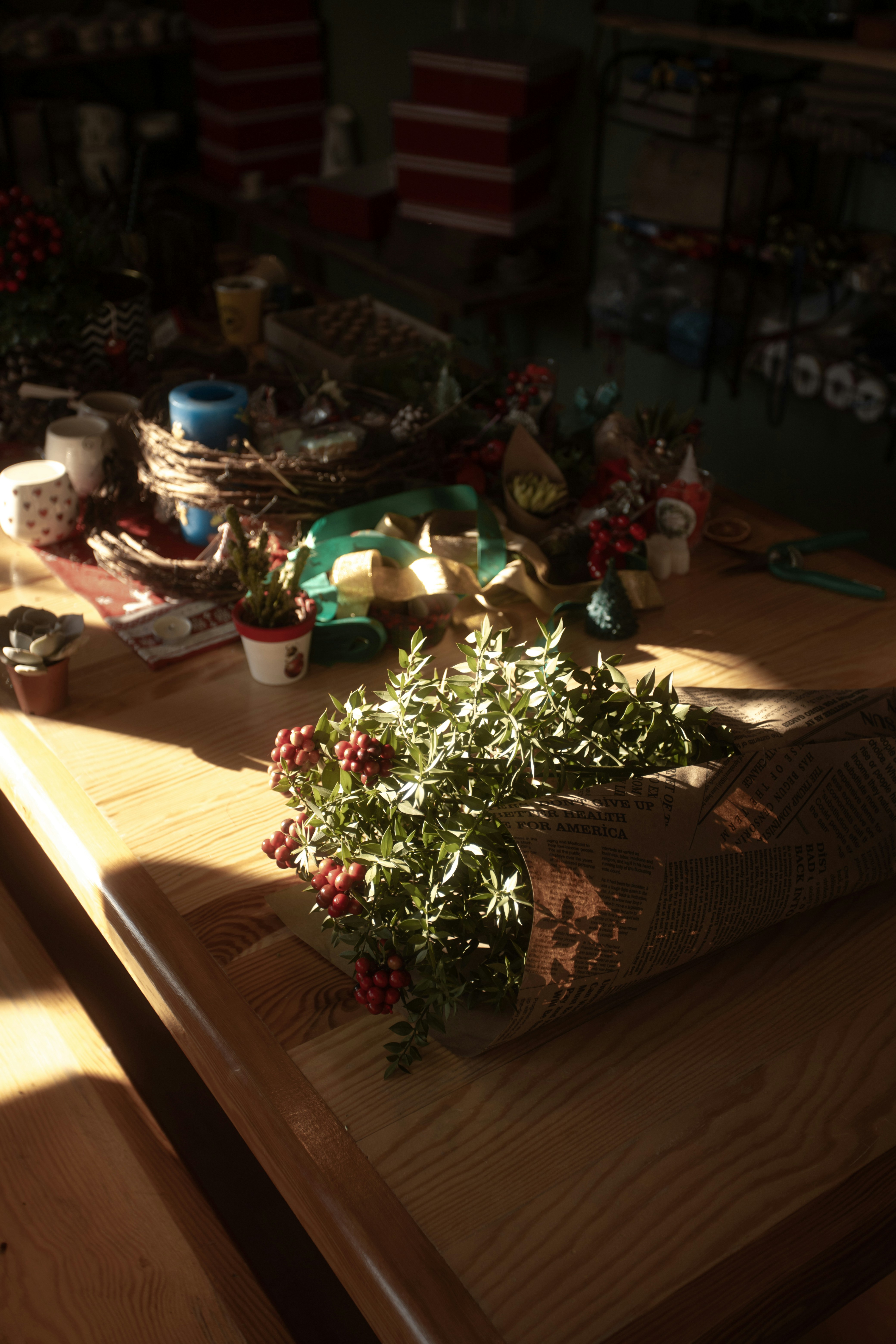
Introduction to DIY Furniture Decoration
In recent years, DIY furniture decoration has garnered immense popularity, becoming a favored choice for many individuals seeking to personalize their living spaces. This approach not only allows for significant savings compared to purchasing custom-made pieces but also fosters creativity and enables individuals to express their unique styles. The do-it-yourself movement encourages homeowners to take control of their environments, transforming ordinary items into extraordinary focal points through innovative design ideas.
DIY furniture decoration encompasses various styles, each offering unique ways to enhance existing furniture or create entirely new pieces. Popular methods include upcycling, a practice where old or discarded items are reimagined and given new life. This not only contributes to sustainability but also provides a distinctive aesthetic that cannot be replicated by mass-produced furniture. Likewise, repurposing involves altering the intended use of an item, effectively reinventing it for a different function in an imaginative manner. This style is especially appealing to those with limited budgets, as it maximizes the potential of items that might otherwise be considered useless.
Embellishing existing furniture represents another stimulating avenue for DIY enthusiasts. This style can include painting, staining, or adding decorative elements that enhance the inherent beauty of a piece. From simple touch-ups to elaborate makeovers, embellishing allows individuals to achieve a tailored look that reflects personal taste and harmony with the overall design theme of their home.
As the trend of DIY furniture decoration continues to grow, it is important to recognize how these creative endeavors benefit not just individual homes, but also foster a community thriving on innovation, resourcefulness, and the sharing of ideas. Each project becomes an opportunity not only to beautify a space but to cultivate skills and confidence in one’s creative capabilities.
Benefits of DIY Furniture Projects
Engaging in DIY furniture decoration offers a myriad of benefits that extend beyond mere aesthetics. Primarily, one of the most prominent advantages is cost-effectiveness. Unlike purchasing pre-made furniture which can often be expensive, DIY projects enable individuals to utilize affordable materials or even repurpose items they already own. This approach not only saves money but also provides an opportunity to create unique pieces tailored to specific preferences and spaces.
Customization is another significant benefit associated with DIY furniture projects. With the ability to choose colors, materials, and designs, individuals can create furnishings that truly reflect their personal tastes and meet their unique requirements. Whether it’s crafting a bespoke coffee table or reupholstering a cherished chair, the DIY approach ensures that each piece is one-of-a-kind, aligning seamlessly with the individual’s home decor style.
Furthermore, the satisfaction derived from creating something by hand is unparalleled. The process of transforming raw materials into functional and aesthetic pieces instills a sense of accomplishment and pride. This creative endeavor can be immensely fulfilling, providing a tangible outcome that showcases one’s craftsmanship and creativity.
Participating in DIY furniture projects also contributes positively to the environment. By repurposing old materials or furniture, individuals reduce waste and minimize their carbon footprint. The act of recycling and reusing resources aligns with sustainable practices, encouraging ecological mindfulness among the DIY community.
Lastly, the therapeutic aspects of engaging in DIY projects cannot be overlooked. The process of building or decorating furniture can serve as a form of stress relief, allowing individuals to unwind while expressing themselves creatively. Such activities can foster mindfulness and a sense of well-being, making the experience rewarding on multiple levels.
Essential Tools and Materials for DIY Furniture Decoration
To embark on a DIY furniture decoration project, having the right tools and materials is crucial in ensuring both efficiency and quality results. A well-equipped workshop can significantly ease the process, enabling you to execute your creative vision seamlessly. The essential hand tools you may need include saws, hammers, and screwdrivers. Saws will help you cut wood or other materials to the desired sizes, while hammers are essential for driving nails into your projects. Screwdrivers, both flathead and Phillips, are needed for assembling or disassembling different furniture pieces.
In addition to hand tools, investing in power tools can greatly enhance your capabilities. Tools, such as drills and sanders, make the project faster and more precise. A power drill is beneficial for creating holes and driving screws efficiently. Sanders are invaluable for smoothing surfaces and preparing them for finishing processes, ensuring that paint or varnish adheres properly.
Beyond tools, decorative supplies play a pivotal role in carrying out your vision. Paint is a fundamental material for transforming old furniture; it allows you to customize colors to suit your decor. When selecting paint, consider choosing quality brands that offer durability. Fabric is another significant component, particularly for upholstering chairs or cushions. Choosing the right fabric involves considering texture and how well it withstands wear and tear. Additionally, varnishes or sealants can provide a protective coating, enhancing durability and bringing a polished look to your work.
In conclusion, gathering the essential tools and materials is the first step in successfully executing your DIY furniture decoration project. By selecting quality hand and power tools, along with vibrant decorative supplies, you can enhance the overall impact of your creative endeavors. Proper preparation sets the foundation for a rewarding DIY experience.
Popular DIY Furniture Decoration Techniques
DIY furniture decoration techniques offer individuals a unique opportunity to personalize their living spaces while showcasing their creativity. Among the most popular methods, painting remains a favorite due to its versatility and ease of application. Whether opting for a bold color or a soft hue, paint can transform an ordinary piece into a striking focal point. Approach this technique by selecting quality paint and essential tools to ensure a smooth finish.
Another prevalent technique is stenciling, which adds intricate designs without the need for advanced artistic skills. Stencils are readily available or can be created at home, allowing decorators to apply patterns to surfaces like tabletops or cabinetry. This method can create a sophisticated atmosphere and is particularly well-suited for artistic expressions that enhance the overall aesthetic of the furniture.
Reupholstering is a stunning technique that breathes new life into upholstered items. By changing the fabric or adding padding, one can achieve a fresh look. This not only improves the visual appeal but also enhances comfort. Choosing the right material allows for experimentation with patterns and textures, making it a great way to personalize furniture.
Decoupage is a creative, albeit slightly unconventional, method that involves adhering paper cutouts to surfaces for decorative effects. This technique can incorporate various materials such as fabric or decorative paper, allowing for endless possibilities in design. Decoupage offers a wonderful way to repurpose old furniture while showcasing personal style, ideal for those who appreciate a handmade touch.
Lastly, applying decals is a modern approach to DIY furniture decoration. Available in numerous designs and sizes, decals can quickly update a piece without significant commitment. They offer flexibility, as they can be easily removed or updated. Each of these techniques presents myriad possibilities for enhancing furniture, making them worthy of exploration in any DIY enthusiast’s journey.
Step-by-Step DIY Project Ideas
Embarking on DIY furniture decoration can be exciting and fulfilling, allowing you to personalize your living space. Below are several project ideas, ranging from simple to more complex, complete with lists of necessary materials, tools, and step-by-step instructions.
1. Painting a Chair
This simple project is perfect for beginners. You will need sandpaper, primer, paint (acrylic or chalk paint), a brush, and a clear sealant. Start by sanding the chair to remove any old finish and create a smooth surface. Wipe off any dust, then apply a coat of primer. Once dry, paint your chair in your chosen color. Finally, seal your work with a clear coat to protect the finish.
2. Upcycling a Nightstand
Transform an old nightstand into a stunning piece using paint and new hardware. Gather sandpaper, paint, a paintbrush, new drawer knobs, and a soft cloth. Sand the surface to allow better paint adhesion, and then wipe with a cloth to remove dust. Apply paint in your desired color, ensuring even coverage. Once dry, replace the old knobs with new ones for a fresh look.
3. Building a Coffee Table
This intermediate project requires woodworking skills. You will need wooden planks, a saw, nails, wood glue, sandpaper, and finishing materials. Start by designing your table; a simple rectangular design works well. Cut the wood pieces according to your design. Assemble the tabletop and legs using nails and wood glue. Once it is sturdy, sand any rough edges and apply your choice of finish, such as stain or paint.
These DIY project ideas not only enhance the aesthetics of your furniture but also foster creativity and personal expression. Engaging in these activities can result in unique creations tailored to your home, enhancing both functionality and style.
Tips for Sharing Your DIY Creations Online
Sharing your DIY furniture creations online requires a thoughtful approach to ensure your work gains the attention it deserves. First and foremost, take high-quality photographs that showcase your projects in the best light. Natural lighting can work wonders; aim to photograph your creations during the day, using indirect sunlight to minimize harsh shadows. Consider multiple angles to highlight the details and craftsmanship of your work. A clean and uncluttered background will help draw focus to your furniture, allowing viewers to appreciate its design without distractions.
Once you have captured stunning images, the next step is to craft engaging descriptions. Aim for clarity and conciseness while weaving in anecdotes about your creative process or the inspiration behind your work. This personal touch not only connects with your audience but also enhances the overall appeal of your post. Be sure to include relevant keywords and phrases related to DIY furniture decoration to improve discoverability. Discuss the materials used and provide tips or techniques that others can adopt in their own projects.
Maximizing your reach on social media platforms is crucial for sharing your DIY creations effectively. Platforms like Instagram and Pinterest are particularly popular in the crafting community. Use specific hashtags relevant to DIY furniture and engage with existing communities to draw more eyes to your work. Some effective hashtags might include #DIYfurniture, #HomeDecor, or #UpcycledFurniture. Furthermore, consider joining online DIY forums or groups where you can share your projects with an enthusiastic audience. The collective passion for DIY can amplify your creations and foster fruitful discussions.
Using these tips, you can confidently showcase your DIY furniture creations, expanding your audience and inspiring others to embark on their own decorating journeys.
Building a Community Through DIY Sharing
Creating a vibrant community around DIY furniture decoration is essential for both novice and experienced enthusiasts. Engaging with like-minded individuals fosters a sense of belonging, encourages collaboration, and generates a platform for sharing unique ideas and techniques. One effective way to establish such connections is by organizing workshops, where participants can gather to learn new skills while sharing their own experiences. These hands-on sessions provide a tactile learning environment that enhances creativity and promotes interpersonal relationships.
In addition to in-person gatherings, online forums and social media groups have emerged as invaluable platforms for DIY enthusiasts. On these digital spaces, individuals can share photographs and narratives of their completed projects, ask for advice, and offer tips based on personal experience. These interactions not only help in refining one’s DIY furniture decoration skills but also inspire others, creating a thriving ecosystem for growth and innovation. The exchange of ideas through comments and discussions can lead to new techniques or aesthetic styles that participants may not have previously considered.
Moreover, actively participating in a community fosters opportunities for mentorship. Experienced DIY decorators can guide newcomers, providing insights into the nuances of furniture design, materials selection, and tools usage. This guidance can significantly shorten the learning curve for beginners and help them avoid common pitfalls. The mutual exchange of knowledge enriches everyone’s experience, reinforcing the community’s foundation.
In essence, building a community around DIY furniture decoration enables individuals to expand their creative horizons, share valuable experiences, and learn from one another. As such, engaging with fellow enthusiasts through workshops, online forums, and social media not only enhances one’s skills but also contributes to a supportive environment that celebrates creativity and innovation.
Inspiring Success Stories from DIY Enthusiasts
The DIY community is brimming with inspiring success stories that illustrate the transformative power of creative furniture decoration. Each narrative highlights individual creativity and reflects unique approaches to enhancing living spaces. One such story is that of Emily, a single mother who turned her small apartment into a cozy haven for her children. With limited funds, she repurposed old furniture, transforming a basic wooden table into a chic dining centerpiece by applying a fresh coat of paint and adding decorative stencils. Not only did this project save her money, but it also provided a meaningful bonding experience with her children, showcasing the emotional benefits of DIY activities.
Another inspiring example comes from Jack, an avid traveler who created a stunning gallery wall using souvenirs collected from his journeys. Jack meticulously arranged the items, weaving a narrative of his life adventures into his home. This project not only personalized his space but also served as a constant reminder of the experiences that matter most to him. Through these simple yet effective changes, Jack was able to express his personality and instill a sense of pride in his living environment.
Similarly, Sarah found joy in revamping her backyard with homemade furniture that reflected her love for nature. She constructed a rustic outdoor seating area from reclaimed wood and added cushions made from repurposed fabric. This project not only enhanced her garden’s aesthetics but also provided a serene space for relaxation and gatherings with friends. Sarah’s story exemplifies how furniture decoration can extend beyond interiors, enriching our outdoor environments as well.
These success stories underscore the diverse styles and methods within the DIY community, motivating others to embark on their own creative journeys. Whether through small refinements or significant overhauls, each project demonstrates that furniture decoration is not merely about aesthetics, but about breathing new life into our homes through personal expression and resourcefulness.
Conclusion: Embracing Your DIY Journey
In the realm of home decor, DIY furniture decoration stands out as a fulfilling and accessible avenue for creativity. Throughout this guide, we have explored various techniques and methods that enable individuals to transform ordinary furniture into stunning, personalized pieces. From the basics of selecting materials and understanding tools to advanced techniques like upcycling and refinishing, each step has opened new possibilities for self-expression and customization in our living spaces.
Engaging in DIY projects not only enhances your environment but also fosters valuable skills and instills a sense of accomplishment. By attempting your own furniture decorations, you gain practical experience while allowing your imagination to flourish. The satisfaction derived from creating something unique for your home is profound and often leads to a newfound appreciation for the art of self-made design.
As you embark on or continue your DIY journey, remember that the process is as important as the outcome. Embrace the learning curve, experiment with various styles, and don’t hesitate to share your projects with others. Online platforms and communities provide a fantastic space for collaboration, feedback, and inspiration. Connecting with other DIY enthusiasts can enhance both your skills and your creativity, leading to even more innovative ideas.
For those looking to further their knowledge in DIY furniture decoration, countless resources are at your fingertips. Workshops, online courses, and tutorials provide endless avenues for exploration. As you continue to refine your craft, keep experimenting and exploring diverse techniques to keep your creativity alive. Ultimately, DIY furniture decoration is not just about creating; it is about embracing the journey and sharing your passion with the world. Your home can become a canvas of self-expression, reflecting your personal touch and unique style.