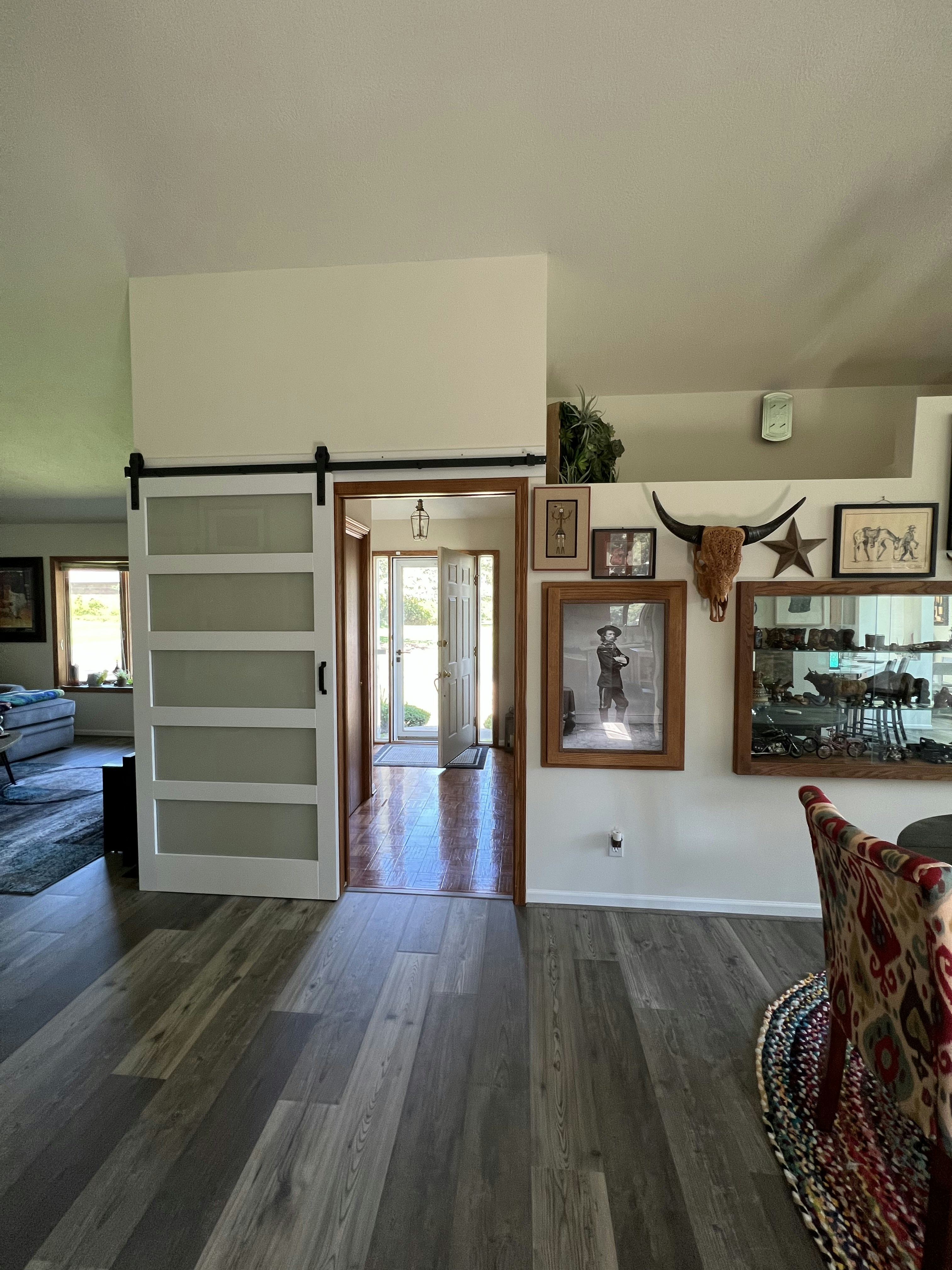
Introduction to American Home Decoration
The landscape of American interior decoration is a captivating tapestry woven from various cultural influences, reflecting the nation’s diverse population and history. Over the decades, American home decor has undergone significant transformations, adapting to societal changes and evolving preferences. From the Colonial style characterized by symmetry and practicality to the modern minimalist approach emphasizing simplicity and function, the evolution of design showcases a blend of tradition and innovation.
One of the most remarkable aspects of American home decoration is its inherent blend of styles. Influences from European, Asian, and indigenous cultures have contributed to an eclectic array of design options that cater to a wide variety of tastes. For instance, the rustic charm of farmhouse decor can coexist with the sleek lines of contemporary design, allowing homeowners to curate personalized spaces that resonate with their unique identities. This amalgamation of styles not only enriches the visual appeal of American homes but also fosters an atmosphere of creativity and individual expression.
In the current era, personalization holds paramount importance in home decor. Homeowners increasingly desire spaces that reflect their values, interests, and lifestyles, moving beyond mere aesthetic considerations. As individuals seek to transform their homes into sanctuaries, incorporating creative ideas into their interior decoration becomes essential. Whether it is through the use of bold colors, distinctive furniture pieces, or innovative art installations, the potential for creative expression is limitless.
This blog post will explore various creative interior decoration ideas tailored specifically for American homes. Each concept elucidated will serve to inspire homeowners in their quest to design spaces that are both functional and reflective of personal taste. By embracing the diversity of American home decoration, individuals can discover countless opportunities to enhance their living environments.
Embracing Minimalism in Interior Design
Minimalism in interior design is a transformative aesthetic that emphasizes simplicity and functionality. Rooted in the idea that “less is more,” the minimalist approach seeks to create spaces that are uncluttered and serene, allowing for a peaceful living environment. In American homes, this design philosophy has gained significant popularity, appealing to those who desire a tranquil and organized space that promotes a sense of well-being.
At the heart of minimalism lies the principle of decluttering. This involves removing excess items and only retaining those that are functional or meaningful. By doing so, homeowners can create a more open atmosphere, which contributes to a reduction in stress and chaos. Additionally, the use of a neutral color palette is essential in minimalism. Shades of white, beige, and gray not only enhance the feeling of spaciousness but also allow for a sense of calm throughout the home environment. These colors serve as the perfect backdrop for strategically placed accents or textures, adding depth without overwhelming the senses.
Another key element in minimalist interior design is the incorporation of functional furniture. Selecting furniture that serves multiple purposes, such as a bed with storage underneath or a coffee table that doubles as a workspace, aligns well with minimalist principles. This not only maximizes space but also contributes to an overall uncluttered appearance. When choosing furniture, it’s crucial to consider items that adhere to clean lines and simple forms, as they contribute significantly to the harmonious balance of space.
In summary, adopting a minimalist interior design approach offers numerous benefits for American homes. By embracing decluttering, a neutral color scheme, and functional furniture, homeowners can create serene and open living spaces that foster a tranquil lifestyle.
Incorporating Nature: Biophilic Design
Biophilic design is a concept rooted in the idea that integrating natural elements into our living spaces can enhance well-being and improve our overall quality of life. As many people lead increasingly urbanized lifestyles, the need to reconnect with nature becomes even more essential. Implementing biophilic design in American homes not only enhances aesthetics but also fosters a profound psychological connection to the environment.
One of the simplest yet most effective methods to incorporate nature into home interiors is through the use of houseplants. Selecting a variety of indoor plants can transform a room into a vibrant oasis while improving air quality. Species such as snake plants, pothos, and peace lilies are ideal for beginners, as they require minimal maintenance. Moreover, arranging these plants in decorative pots can provide textural variety and visual interest, making them a functional and artistic element in your overall decor.
Natural materials, too, play a key role in biophilic design. Utilizing materials like wood, stone, and bamboo creates a warm and inviting atmosphere that reflects the outdoor environment. For instance, wooden furniture can add a rustic appeal, while stone features, such as an accent wall or a fireplace, evoke a sense of the earth within the home. Combining these materials thoughtfully can enhance the sense of harmony between indoor and outdoor spaces.
Additionally, maximizing natural light through large windows or skylights establishes a seamless connection with the outside world. By allowing sunlight to flood in, homes become energizing and uplifting, which can significantly affect one’s mood and productivity. This principle not only helps reduce energy consumption but also brings a touch of the natural world into daily life.
In summary, biophilic design emphasizes the crucial relationship between interior spaces and nature. By incorporating houseplants, utilizing natural materials, and optimizing natural light, homeowners can create tranquil, restorative environments that foster well-being and promote a deeper connection to the natural world.
Color Trends and Palettes for Every Room
In the realm of interior decoration, color plays a pivotal role in defining the ambiance and style of an American home. The latest color trends reflect a fusion of comfort and sophistication, resonating with modern homeowners. Understanding how to select appropriate color palettes can greatly influence the mood and overall aesthetic of different areas within the home, such as the living room, bedroom, and kitchen.
For living rooms, earth tones are trending, with shades like terracotta, soft greens, and muted yellows creating a welcoming environment. These colors not only provide a warm backdrop for family gatherings but also enhance the natural light in the space. Combining these hues with accent colors such as deep navy or burnt orange can add depth and intrigue. Incorporating these rich shades through textiles, artwork, or an accent wall can frame the room with personality, making it a true reflection of the homeowners’ tastes.
Bedrooms often serve as personal retreats, and current color trends focus on tranquility and relaxation. Soft pastels, including blush pinks, light blues, and gentle lavenders, are gaining popularity. These soothing colors can be effectively paired with crisp white or deep charcoal for contrast. Utilizing color strategically on an accent wall can help delineate space, especially in larger bedrooms, establishing a cozy nook for rest or study.
The kitchen, often considered the heart of the home, is moving towards vibrant hues that inspire creativity. Shades like sunny yellows, calming greens, and rich blues can invigorate the space. These colors can be complemented with white cabinetry or natural wood finishes to foster a sense of harmony. Incorporating colorful backsplashes or decorative tiles can also infuse character, enhancing the culinary experience. Selecting the right color palette can transform each room into a unique sanctuary tailored to both function and style.
Mixing Textures and Fabrics for Depth
In interior decoration, the incorporation of various textures and fabrics is essential for adding depth and visual interest to a space. By thoughtfully blending materials such as velvet, linen, and leather, a home can be transformed into a cozy and layered environment, creating a harmonious aesthetic that invites relaxation and comfort.
Velvet, with its plush and luxurious feel, can serve as an excellent choice for upholstery or statement décor. Whether it is a deep-colored velvet sofa or accent pillows, this fabric introduces a tactile richness that captivates the senses. Additionally, pairing velvet with the more casual texture of linen can create an engaging contrast. Linen curtains, for instance, offer a breezy, light quality that beautifully balances the opulence of velvet. This combination not only enhances the visual appeal of a room but also contributes to the overall coziness of the environment.
Similarly, leather furnishings can introduce an element of sophistication while also adding durability. The sleek surface of leather contrasts strikingly with softer materials like cotton or wool. Utilizing leather in conjunction with knitted throws or woven rugs can create a dynamic interplay of textures, ensuring that no single element overpowers the others. Furthermore, layering fabrics can enhance the sense of space without sacrificing comfort. Strategically placing a variety of textures from different materials invites exploration and imagination within the interior.
To achieve a cohesive look, it is vital to maintain a consistent color palette. By selecting fabrics and textures that share similar hues or undertones, a well-integrated environment can be fashioned. This method allows the different elements to complement one another, creating a unified yet interesting space. Through mindful mixing of textures and fabrics, homeowners can establish not only depth but also an inviting atmosphere, ultimately elevating their interiors to new heights.
Utilizing Statement Pieces and Art
In the realm of interior decoration, the incorporation of statement pieces and art significantly enhances the overall ambiance of American homes. These elements serve as focal points that can dictate the surrounding decor, ultimately defining the aesthetic appeal of a space. When selecting statement pieces, such as unique furniture items or striking fixtures, it is crucial to consider how these selections not only stand out but also harmonize with the existing elements within your home.
Artwork, in particular, plays a pivotal role in expressing personal style and taste. When curating a collection of art pieces, homeowners should aim for an eclectic mix that speaks to their personality. This could include contemporary prints, classical paintings, or even handcrafted sculptures. Don’t hesitate to experiment with different styles and mediums. A bold abstract painting could provide a colorful contrast against muted walls, while a vintage photograph might evoke nostalgia and warmth in a living environment.
The placement of these statement pieces and artworks is equally important. Positioning a large canvas above a fireplace or a distinctive sculptural fixture in a corner can draw the eye and create an inviting atmosphere. Additionally, utilizing various display techniques, such as gallery walls or floating shelves, allows for creativity in showcasing multiple pieces in a cohesive manner. Incorporating lighting elements, such as track or spotlighting, can further enhance visibility and create mood, thereby enriching the home’s overall decor.
Overall, integrating statement pieces and art into American homes not only elevates the aesthetic but also fosters individuality within a space. As homeowners, the challenge lies in thoughtful curation, ensuring that each selected item complements the overarching design theme while making a bold statement. Embracing this approach will lead to an interior that reflects both personality and sophistication.
Creating Functional Spaces: Multi-Purpose Design
In modern American homes, the need for functional and multi-purpose spaces has become increasingly relevant, particularly as living areas tend to shrink while lifestyles evolve. Utilizing design ideas that prioritize efficiency can make a significant difference in both aesthetics and practicality. By incorporating furniture that serves multiple purposes, homeowners can maximize their living space while also enhancing comfort.
One effective way to achieve a functional space is through the use of convertible furniture, such as sofa beds, expandable dining tables, and ottomans with storage compartments. For instance, a well-designed sofa bed can transform a living room into a guest room, accommodating visitors without the need for a dedicated guest space. Similarly, an expandable dining table allows homeowners to host larger gatherings by increasing seating capacity when necessary, all while minimizing the space it occupies during regular use.
Another key aspect of creating multipurpose rooms is implementing smart storage solutions. Wall-mounted shelves and built-in cabinetry can declutter spaces while serving essential functions, such as displaying books or storing kitchenware. These features not only keep items organized but also contribute to a seamless design aesthetic that can adapt to various needs throughout the day.
Moreover, flexible room arrangements play a crucial role in maximizing functionality. For example, a home office can easily double as a guest bedroom if designed thoughtfully. Using room dividers or curtains to designate areas can maintain privacy while allowing for a cohesive flow. This adaptability is particularly important in smaller homes, where every square foot counts. Ultimately, the key to successful multi-purpose design lies in thoughtful planning and creative use of space, fostering an environment that supports varied activities and promotes efficient living.
Personalizing Your Space with DIY Decor
Personalizing your living space can transform a house into a home, offering a reflection of your unique style and personality. Embracing DIY decor projects allows you to infuse creativity while also being budget-conscious. One of the most accessible and gratifying DIY endeavors is repurposing old furniture. For instance, an outdated wooden chair can be revitalized with fresh paint and new upholstery, bringing a stylish and comfortable seating option to any room. By choosing colors and fabrics that resonate with your personal taste, this simple step can greatly enhance your living environment.
Another engaging project is the creation of custom art pieces. Instead of spending a fortune on canvas prints or framed art, consider crafting your own wall decor. This could involve anything from painting to collaging with personal photographs or meaningful quotes. Using items you already possess makes this process not only cost-effective but also deeply personal. Such artworks will undoubtedly tell a story and become a point of interest for anyone who visits your home.
In addition to furniture and art, decorative accents can be easily handmade. Consider creating unique throw pillows using fabric remnants or designing personalized candles from basic materials. These small touches add character and warmth, allowing your home’s charm to shine through. Engaging in DIY projects also provides the satisfaction of creating something with your own hands, which often fosters a deeper connection to your space.
Furthermore, the beauty of DIY decor is the flexibility it brings. You can continuously evolve your surroundings by modifying existing pieces or introducing new creations that cater to seasonal changes or trends. Thus, personalizing your space through DIY projects is an enriching experience that encourages creativity, creates lasting memories, and establishes a home that is truly yours.
Conclusion: Finding Your Unique Style
As we explore various creative interior decoration ideas for American homes, it becomes evident that the essence of a well-designed space lies in its ability to reflect individuality. Each dwelling is a canvas, poised for personalization, which can embrace the diversity of styles from modern minimalism to rustic warmth. This blog post has highlighted numerous approaches, encouraging readers to discover and experiment with elements that resonate with their personal tastes.
In reimagining your home, consider how each idea aligns with your lifestyle and preferences. Whether incorporating bold colors, eclectic furnishings, or DIY projects, the goal is to achieve a harmonious blend that creates a comforting atmosphere. Utilizing different design elements can transform not only the aesthetics of a space but also its emotional resonance—turning a house into a true home.
As you ponder the creative decoration ideas discussed, remember that change does not have to be overwhelming. Start with a single room, or focus on one aspect of your living space that you wish to revitalize. Gradually, as you experiment with various styles, you will uncover what best represents your identity. It may also be beneficial to mix and match different themes, allowing for a unique expression that embodies your personal experiences and aesthetics.
Ultimately, the most important takeaway is the necessity of authenticity in design. When a home is tailored to reflect who you are, it fosters a sense of belonging and comfort. Encourage yourself to take the leap into decorating your space, trying out new ideas, and most importantly, having fun throughout the process. Your unique style awaits, and by bravely exploring different concepts, you will create a living environment that truly feels like home.