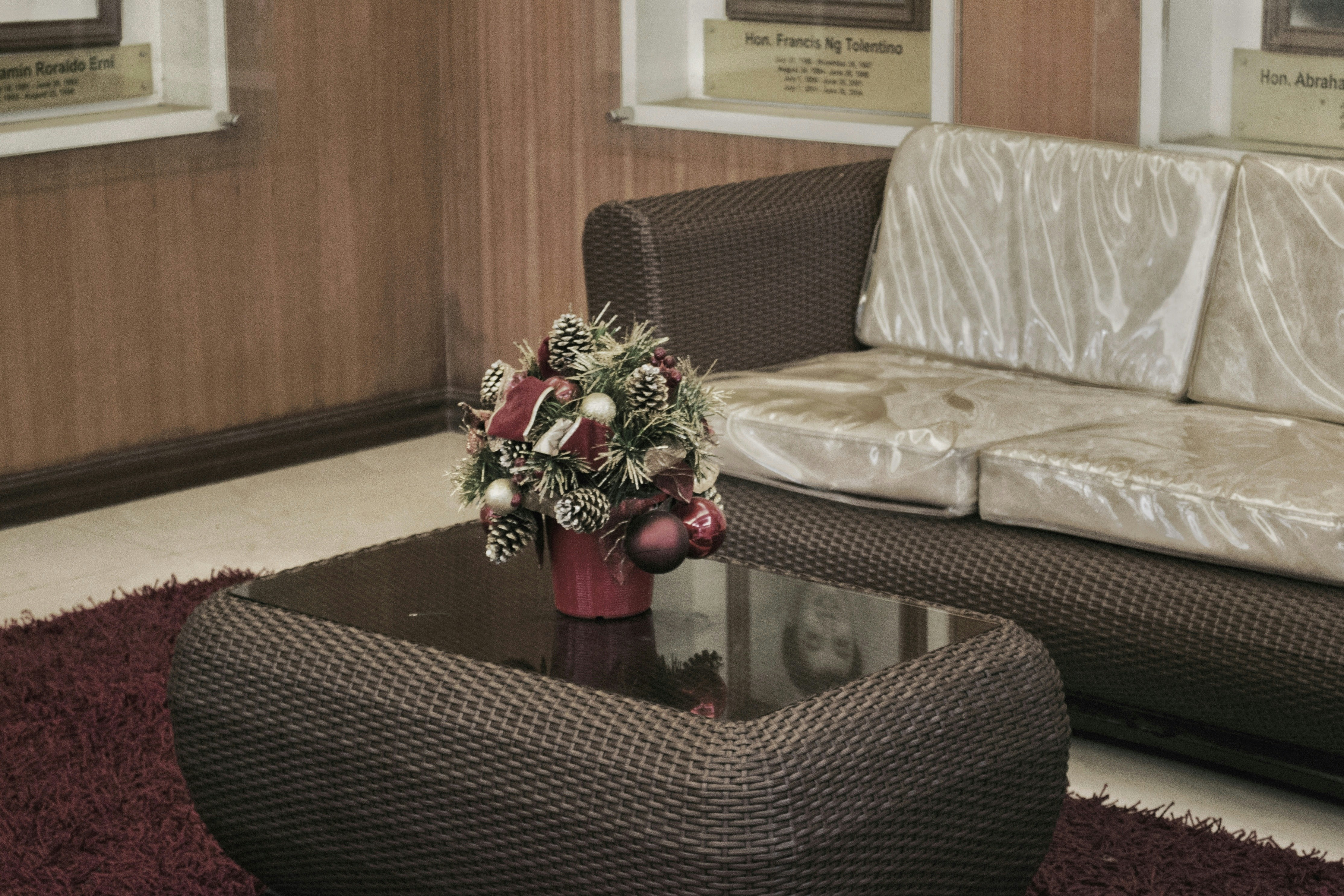
Introduction to DIY Furniture Decoration
In recent years, DIY furniture decoration has emerged as a popular trend among homeowners seeking to personalize their living spaces. The practice not only empowers individuals to craft unique pieces that reflect their personal style, but it also promotes sustainability by encouraging the reuse and upcycling of existing furniture. With the rising awareness of environmental issues, many people are turning to DIY projects as a way to reduce waste and create one-of-a-kind home decor that minimizes their ecological footprint.
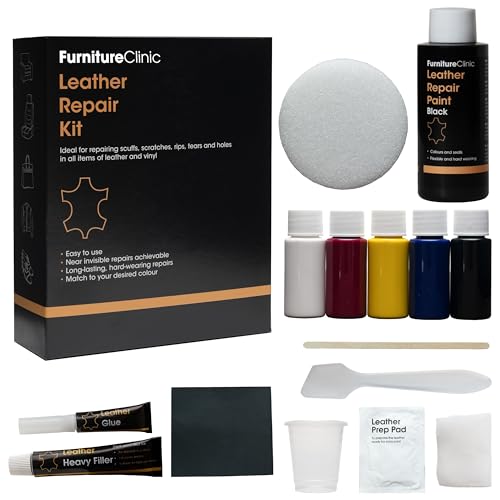


The importance of DIY furniture decoration lies primarily in its ability to offer a cost-effective alternative to purchasing new furnishings. By utilizing materials already available at home or sourcing second-hand items, individuals can significantly cut expenses, all while tailoring their decor to meet their specific aesthetic preferences. This creative outlet allows for experimentation, enabling homeowners to try various techniques such as painting, reupholstering, or distressing furniture pieces. These hands-on projects not only foster skills in crafting and design but also yield a sense of achievement that comes from creating something with one’s own hands.
The growing popularity of DIY furniture decoration is a testament to the collective desire for individuality in home design. As social media platforms and online communities continue to share innovative ideas and tutorials, more people are motivated to dive into DIY projects. The accessibility of resources has provided an ideal starting point for novices and seasoned crafters alike. In the upcoming sections, we will explore a variety of techniques and ideas that can be easily implemented, demonstrating that anyone can transform their space through the power of creativity and craftsmanship.
Choosing the Right Furniture for Upcycling
When venturing into creative DIY furniture decoration, the first step is selecting the right pieces for upcycling. This process involves a keen assessment of furniture’s condition, style, and potential for transformation. It is crucial to choose items that not only inspire creativity but also have structural integrity to withstand the changes you plan to execute.
A great starting point for sourcing suitable furniture is local thrift stores, garage sales, or even your own home. Thrift stores often carry unique pieces that can serve as a blank canvas for your DIY projects. Look for items that have interesting shapes, textures, or design elements, which can influence the direction of your upcycle project. Garage sales can also yield hidden treasures, where you may find vintage pieces or items that are no longer needed by their owners. Additionally, inventory in your own garage or attic might surprise you; an old chair or table might just need a fresh coat of paint or some new upholstery to become a centerpiece in your home.
While assessing furniture, consider the overall condition. Items that are structurally sound but may have cosmetic wear and tear are ideal candidates for upcycling. Scratches, dated finishes, or faded fabrics can often be easily remedied through creative solutions, allowing you to breathe new life into these pieces. Furthermore, think about the style of the furniture in relation to the aesthetic you wish to achieve in your space. Pieces that can be transformed to align with current trends or your personal style will often yield the most satisfaction.
Ultimately, selecting furniture for upcycling should be a balance between inspiration and practicality. By focusing on items that spark your creativity and hold potential for transformation, you lay the groundwork for a successful DIY furniture decoration experience.
Essential Tools and Materials for DIY Projects
Engaging in DIY furniture decoration projects requires a well-rounded collection of tools and materials to ensure success. At the core of any DIY toolkit is a versatile selection of essential tools. Among the most critical are brushes and rollers, used for applying paint or stain evenly across surfaces. Sandpaper is another indispensable item; it allows you to smooth rough edges and prepare the furniture for painting or finishing. Screwdrivers, both flathead and Phillips, play a vital role in disassembling furniture and securing components back together after the decoration process. A measuring tape is also essential, as accurate measurements can make a significant difference in the overall appearance of the finished project.
In terms of materials, a variety of finishes should be on hand. Paint and stains are fundamental, with a selection of colors available to match your decor style. For those who prefer a natural look, consider using eco-friendly paint options that contain low or zero volatile organic compounds (VOCs), aligning your projects with modern sustainability trends. Additionally, wood sealers help protect your finishes and provide durability, an essential aspect of furniture longevity.
Fabrics are another important consideration, particularly if you are undertaking upholstery projects. Selecting organic cotton, linen, or reclaimed materials can enhance the sustainability of your decorations. When it comes to decorative elements, consider using stencils for adding intricate designs or embellishments, while adhesives can facilitate combining materials without complexity.
Overall, having a well-stocked toolkit of essential tools and materials is crucial for any DIY enthusiast. By prioritizing eco-friendly options and sustainable practices, you can contribute positively to the environment while enjoying the creative process of furniture decoration.
Techniques for Painting and Staining Furniture
One of the most effective DIY techniques for transforming furniture involves painting and staining. This process not only revitalizes old pieces but also allows for customization to match any décor. The key to achieving a professional finish lies in proper preparation, application, and the selection of the right products.
To begin, prepare your furniture by thoroughly cleaning the surface to remove dust, grease, and grime. It may be necessary to sand the furniture, especially if it has a glossy finish. Sanding allows the paint or stain to adhere better. If you are working with bare wood, applying a wood conditioner will help to ensure an even absorption of stain or paint. Ensure you are in a well-ventilated area, and protect your workspace with a drop cloth.
When it comes to selecting the correct type of paint or stain, several options exist. Chalk paint is popular for its matte finish and ease of application, making it ideal for those new to furniture painting. It requires minimal prep work but does necessitate a protective finish to increase durability. On the other hand, gel stains offer a rich color with less absorption, which is beneficial for achieving a uniform tone on difficult surfaces.
For application, using high-quality brushes or rollers is essential. Apply the paint or stain in thin, even coats, allowing adequate drying time between each layer. Typically, two to three coats are recommended for the best coverage. Once dry, finish with a clear sealant to protect the surface from scratches and moisture. This is critical for ensuring longevity and maintaining the appearance of your newly decorated furniture.
By following these steps and selecting the right materials, anyone can achieve a professionally finished piece that enhances their living space.
Creating Unique Upholstery Designs
Reupholstering furniture is an art form that allows you to breathe new life into old pieces, transforming them into unique elements that reflect your personal style. The journey begins with the careful selection of fabrics. Opt for materials that are not only visually appealing but also durable enough to withstand daily use. Consider textures and patterns that not only complement your existing decor but also add an intriguing contrast. Velvet, linen, and even leather are popular choices, each bringing its own character to the furniture.
Once you have selected the fabric, the next step involves precise measurements. It is critical to measure each section of the furniture accurately—this ensures that you cut your fabric pieces to the correct size. It can be helpful to take apart sections of the furniture to measure the contours, which will assist in achieving a clean and professional look. After measuring, proceed to cut the fabric, taking great care to follow the measurements accurately. Utilizing straight edges and fabric scissors will ensure that your cuts are clean and neat, minimizing any fraying at the edges.
Attaching the fabric to the furniture is the final stage in this process. Depending on the design of the piece, you might use staples, tacks, or even glue to secure the fabric in place. For added flair, consider using decorative trim or piping along the edges to highlight curves and seams, giving the furniture a polished finish. Furthermore, experimenting with different upholstery techniques, like tufting or pleating, can elevate a standard piece into a standout work of art. Creative ideas for patterns, such as bold geometric shapes or whimsical florals, can make a significant impact. Ultimately, reupholstering furniture allows for complete customization, resulting in unique upholstery designs that truly enhance your home’s aesthetic.
Incorporating Decorative Elements and Accessories
Enhancing furniture with decorative elements and accessories can significantly elevate the aesthetic appeal of your living space. One popular technique is stenciling, where designs are applied on surfaces using templates, allowing for intricate patterns without requiring advanced artistic skills. You can apply stencils to tabletops, shelves, or around the edges of cabinets to create striking focal points. For those interested in a more intricate approach, consider utilizing decoupage. This method involves gluing decorative paper or materials to furniture surfaces and sealing them with a protective finish. Decoupage allows for limitless creativity, from floral designs to vintage images, making it an ideal way to personalize furniture pieces in a manner that aligns with your overall home decor.
Another effective way of reformulating your furniture’s look is by adding new hardware. Upgrading knobs, handles, and pulls can instantly refresh a tired piece of furniture. Choosing hardware that complements your decor style—whether it be rustic, contemporary, or eclectic—can make a substantial difference in the final presentation of your furniture. Additionally, consider incorporating elements such as shelves or hooks for functional beauty. These additions not only serve practical purposes but also enhance decorative appeal by providing surfaces for displaying plants, books, or artwork.
When contemplating the incorporation of decorative accessories, it is vital to create harmony between elements. Select accessories that resonate with your personality and existing home decor themes, thereby ensuring cohesion throughout your space. Furthermore, the thoughtful arrangement of decorative accessories can transform ordinary furniture into striking pieces that communicate your distinctive style. Ultimately, the journey of DIY furniture decoration invites creativity and experimentation, allowing individuals to express themselves through personalized design choices.
Sustainable Practices in DIY Furniture Decoration
Sustainable practices in DIY furniture decoration play a crucial role in promoting environmental consciousness while enhancing the aesthetics of one’s home. The growing awareness of ecological issues has led many individuals to seek out methods that minimize their impact on the environment through responsible sourcing and usage of materials. One of the most effective ways to engage in sustainable furniture decoration is by recycling materials. Instead of discarding old furniture or materials, homeowners can repurpose them into new, functional items. For example, wooden pallets can be converted into coffee tables or seating arrangements, effectively giving them a new lease on life.
In addition to recycling, the choice of paints and finishes is paramount in ensuring a low environmental impact. Many traditional paints contain harmful chemicals that can adversely affect air quality and contribute to health issues. Opting for non-toxic, water-based paints and eco-friendly finishes can significantly reduce these risks. These products are increasingly becoming available in various colors and styles, enabling homeowners to express their creativity without compromising their health or the environment.
Upcycling is another beneficial practice that aligns with sustainability in DIY furniture projects. This approach involves creatively transforming unwanted items into stylish decorative pieces. For example, an old dresser can be refurbished to serve as a chic kitchen island or a storage unit, showcasing the beauty of innovation in design while diverting waste from landfills. Alongside its environmental benefits, upcycling often results in unique, one-of-a-kind pieces that reflect personal style.
By embracing these sustainable practices, individuals can enhance their living spaces with creativity and mindfulness. The integration of eco-friendly choices not only beautifies homes but also instills a sense of responsibility towards the environment, inspiring a community of conscientious decorators committed to making a difference.
Showcasing Your DIY Projects on Social Media
Sharing your DIY furniture projects on social media can be an exciting way to engage with like-minded individuals and gain inspiration. However, crafting the perfect post requires careful consideration of both your photography and your written content to maximize engagement. High-quality images are essential; they should be well-lit and showcase your project from multiple angles. Consider using natural light, which can greatly enhance the visual appeal of your creations. Moreover, a clutter-free background will ensure that your DIY project remains the focal point of the photo.
When it comes to writing captions, aim for engaging and informative descriptions. Capture the essence of your project by explaining your inspiration, the materials used, and any challenges you overcame during the creation process. This not only gives context to your project but also invites viewers to appreciate the effort behind it. Encourage interaction by posing questions related to your project or asking for opinions. Simple call-to-actions can significantly enhance engagement rates, prompting your audience to comment and share their thoughts.
Incorporating relevant hashtags is another key element to broadening your audience reach. Using tags that are popular among the DIY community such as #DIYFurniture, #HomeDecor, and #UpcycledFurniture can draw attention from users interested in similar projects. Additionally, consider joining online DIY groups on platforms like Facebook and Pinterest, as these communities often foster supportive discussions and offer valuable feedback on your work. Engaging with others by sharing their creations, commenting, and participating in the community can lead to building a loyal following.
Effective presentation of your DIY projects not only enhances visibility but also cultivates a sense of community within the creative space. By adhering to these best practices, you can amplify your influence in the DIY sector while enjoying the sharing process of your artistic journey.
Conclusion and Encouragement to Get Started
Throughout this blog post, we have explored a variety of creative DIY furniture decoration ideas that can transform ordinary pieces into extraordinary statements. From repurposing old furniture to incorporating innovative techniques such as decoupage and paint finishes, the possibilities are endless for those willing to embrace their creativity. Engaging in these projects not only enhances the aesthetic appeal of your home but also allows for a deeply personalized touch that reflects your individual style.
The benefits of DIY furniture decoration extend beyond mere aesthetics. These projects often provide an enriching experience, fostering a sense of accomplishment as you witness the transformation of your living space. Whether it’s the joy of restoring a vintage find or the satisfaction of crafting something entirely new from scratch, each project has the potential to be both fulfilling and enjoyable. Furthermore, these activities can become great bonding experiences with friends or family, as you can collaborate and share ideas along the way.
As you consider embarking on your own DIY journey, we encourage you to take the plunge and start with what inspires you. Don’t be afraid to experiment and make mistakes; every attempt is a step towards becoming more skilled and confident in your abilities. Begin with small, manageable projects to build your creativity and gradually take on larger challenges. Document your process and results to engage with the thriving DIY community, who will surely appreciate and support your efforts.
In essence, your home is a canvas waiting to be adorned with your unique vision. We hope this post has inspired you to gather your tools and materials and unleash your creativity. The adventure of DIY furniture decoration is just around the corner, ready to enrich your living space.