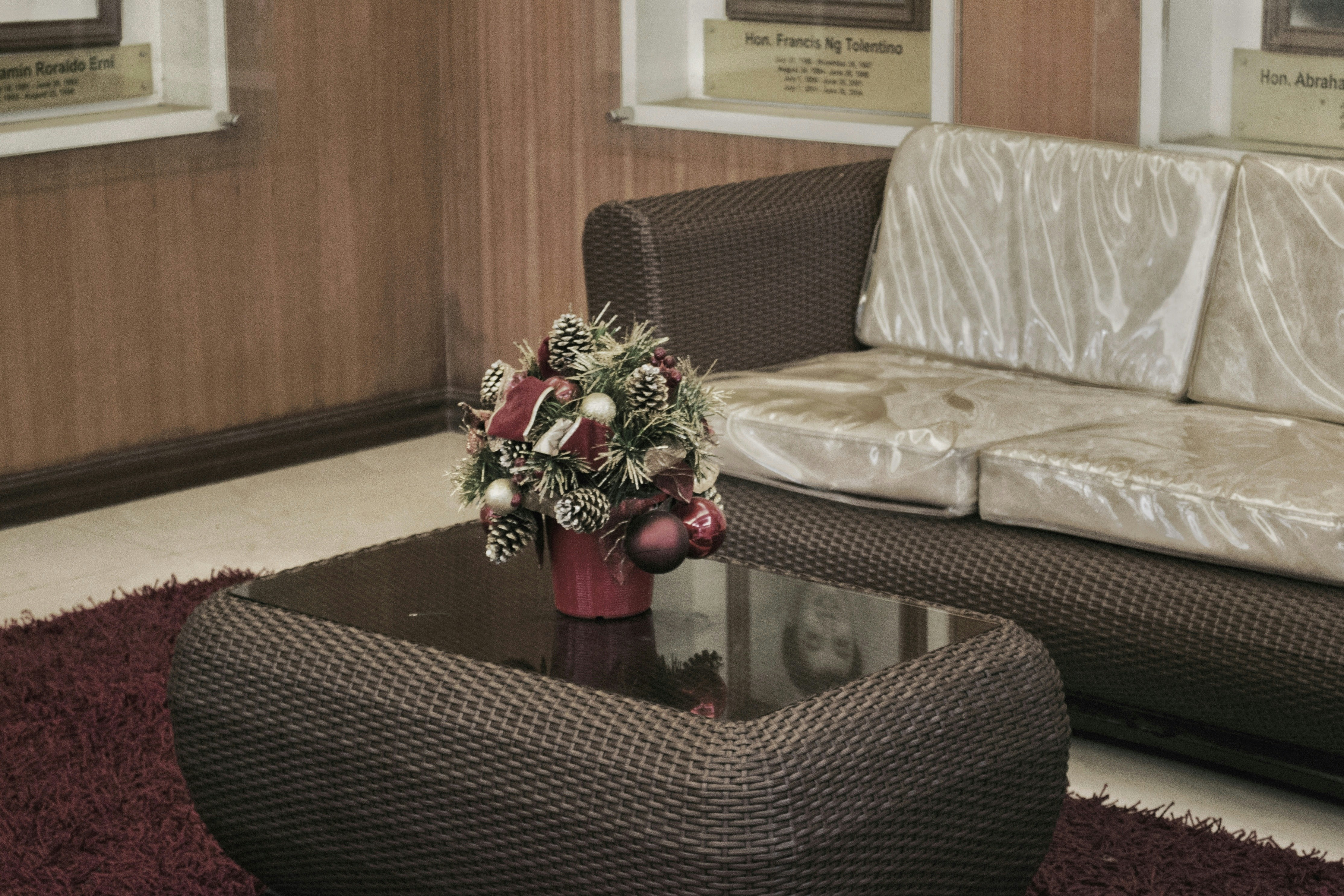
Introduction to DIY Furniture Decoration
The concept of DIY furniture decoration encompasses a wide range of activities aimed at personalizing living spaces through the use of creativity and resourcefulness. Engaging in DIY projects allows individuals to transform ordinary furniture pieces into unique items that resonate with their personal style and aesthetic preferences. This hands-on approach not only fosters a sense of ownership over one’s living environment but also encourages an exploration of innovative ideas and techniques that can significantly enhance home decor.
One of the primary benefits of DIY furniture decoration is cost savings. Purchasing custom or designer furniture can be prohibitively expensive, while DIY projects often utilize materials that are more budget-friendly. By creatively repurposing old or thrifted furniture, individuals can breathe new life into items that may have been discarded, thus saving money while achieving a custom look. This budget-conscious mindset promotes sustainable practices, as it reduces waste and encourages the recycling of materials.
Additionally, engaging in DIY furniture decoration serves as a form of creative expression. It allows individuals to experiment with materials, colors, and techniques, ultimately resulting in one-of-a-kind furniture pieces that reflect their unique sensibilities. This creative journey can also be incredibly fulfilling, as it requires problem-solving skills and artistic vision. The satisfaction gained from creating a personalized item contributes to a greater appreciation of one’s living space.
In a world dominated by mass production, DIY furniture decoration stands out as an opportunity for individuals to showcase their personality and creativity. By embracing the process of crafting distinctive pieces, homeowners can enjoy the dual benefits of aesthetic enhancement and emotional satisfaction as they transform their surroundings into an expressive and enjoyable living environment.
Choosing the Right Furniture for DIY Projects
Selecting the appropriate furniture for DIY decoration projects is a fundamental step that sets the foundation for a successful transformation. One should first consider the type of furniture that will serve best for their specific project. In this context, common pieces include chairs, tables, and cabinets, each offering unique opportunities for creativity. For instance, an outdated coffee table can be transformed into a vibrant focal point with paint and clever reupholstering techniques, while an old chair can gain new life through the addition of colorful fabric and cushions.
When evaluating furniture, it is crucial to assess its condition. Inspecting pieces for any signs of structural damage is vital; sturdy items are more suitable for DIY projects, as they will withstand the changes and enhancements made. Pay attention to the materials used; solid wood furniture, for example, tends to be more durable and easier to work with compared to particleboard alternatives. This consideration ensures that the investment of time and effort in the project yields lasting results.
In addition to the type and condition of furniture, envisioning potential transformations plays a significant role in selecting the right pieces. Visualize how a certain item can fit into your space following alterations. Tools such as design apps or mood boards can assist in conceptualizing your design vision and exploring color palettes or finishes that would complement or contrast with existing decor.
For those on a budget, sourcing affordable second-hand furniture can be an excellent option. Thrift stores, garage sales, and online marketplaces often feature hidden gems that can be upcycled into stunning additions for your home. Engaging in DIY projects not only enhances creativity but also fosters a sense of accomplishment while personalizing your living space.
Essential Tools and Materials for DIY Furniture Decoration
Embarking on a DIY furniture decoration project requires a selection of essential tools and materials to ensure successful and enjoyable outcomes. Having the right items on hand not only facilitates the decoration process but also enhances the quality of your finished work. Among the most fundamental tools is a set of quality paintbrushes, which can range from small detail brushes to larger ones for broader strokes, depending on your project. Synthetic brushes are ideal for applying latex-based paints, while natural bristle brushes work well with oil-based finishes.
Paint plays a crucial role in furniture decoration, so choosing the appropriate type is essential. For instance, chalk paint offers a matte finish and is perfect for achieving a vintage look, while acrylic paint provides a more vibrant appearance. Additionally, stencils can add unique designs and patterns, providing an effortless approach to personalizing your furniture.
Sandpaper is another vital material that should be included in your toolkit. It is indispensable for preparing surfaces, allowing you to smooth out imperfections and create a surface that accepts paint better. Various grits of sandpaper will enable you to tackle different surfaces effectively. Moreover, adhesives and sealants, such as wood glue and polyurethane finishes, are important for ensuring that decorations adhere securely and that the final product is protected from wear.
Specialized tools, including a paint sprayer or rotary tool, can significantly enhance the speed and precision of your project. However, safety should never be overlooked. Always use protective gear such as gloves, goggles, and a mask when working with chemicals and power tools. Finally, to prolong the life and effectiveness of your tools, proper care and maintenance are crucial; clean brushes and tools immediately after use and store them in a dry place to prevent damage.
Creative Painting Techniques for Furniture Makeovers
Transforming old furniture with paint can be a rewarding endeavor that brings a fresh aesthetic to any space. Several creative painting techniques can significantly enhance the appearance of your furniture, making it an exciting project for both novice and seasoned DIY enthusiasts. Among these techniques, distressing is perhaps the most popular. By using sandpaper or a damp cloth on dried paint, you can achieve a worn, vintage look that highlights the character of the piece.
Another innovative technique is the use of stencils. This method allows for intricate designs and patterns on your furniture. Simply choose a stencil that complements your style, secure it in place, and apply your chosen paint over the stencil. Once removed, you’ll unveil a precise design that adds a unique flair to your furniture. For those seeking a more gradual color transition, the ombre effect is an ideal choice. This technique involves blending colors from dark to light, creating a visually appealing gradient. To achieve this look, it is crucial to keep a wet edge while blending and to save the lightest color for the final touches.
Color blocking is another popular technique that utilizes bold, contrasting colors to make a statement piece. By painting different sections of furniture in distinct colors, one can create a modern, artistic vibe. It is advisable to use painter’s tape to ensure clean lines between colors. Incorporating these painting techniques not only revitalizes your old furniture but also allows you to express your personal style.
When exploring these creative painting techniques, consider each one’s application thoroughly. They can be adapted to suit various pieces of furniture and design preferences, ensuring that your creative vision resonates in your home decor. Regularly practicing these methods will help refine your skills and ultimately lead to stunning furniture makeovers.
Upcycling Ideas: Giving Old Furniture a New Purpose
Upcycling, the process of transforming old or discarded furniture into unique and functional pieces, is an innovative approach to home decoration that promotes sustainability. Individuals can significantly reduce waste while enhancing their living spaces by applying creativity and resourcefulness. Here are several upcycling ideas that provide not only aesthetic value but also functionality, ensuring that old furniture finds a new lease on life.
One popular project involves converting an old dresser into a TV stand. This transformation can be relatively simple; removing the drawers can create ample room for a television and electronic devices while providing the perfect surface for decorative items. To begin, carefully detach the drawers from the dresser, ensuring not to damage the structure. A coat of paint or varnish will refresh the pieces, allowing homeowners to match the new TV stand to their existing decor. Additionally, adding sleek knobs or handles can further modernize the appearance.
Another innovative upcycling project is using wooden pallets to create seating arrangements. These versatile materials can be easily sourced and transformed into stylish benches or outdoor seating areas. To accomplish this, start by stacking and securing the pallets together according to the desired height and configuration. Sand the surfaces to eliminate rough edges, and paint or stain them to protect the wood and enhance its aesthetic. Cushions can be added for comfort, creating a functional seating area that is both inviting and rustic.
Step-by-step guides for further upcycling projects, such as turning old doors into tables or repurposing chairs into swings, can ignite creativity in anyone interested in DIY furniture decoration. Upcycling not only instills a sense of accomplishment but also allows for personal expression in home decor through the revival of discarded materials.
Incorporating Textiles and Accessories in Furniture Décor
Textiles and accessories play a vital role in transforming DIY furniture projects, as they introduce color, texture, and comfort into a space. When selecting the right fabrics for upholstery, it is essential to consider both durability and aesthetic appeal. Fabrics such as cotton, linen, and canvas are excellent choices for furniture upholstery due to their resilience and versatility. For added flair, consider printed or patterned fabrics that can serve as focal points in your design, instantly elevating the overall appearance of your furniture.
Cushions, throws, and other soft furnishings are excellent accessories to enhance the comfort and style of your DIY furniture. They not only provide additional support but also allow for easy updates to your decor. Layering different sizes and shapes of cushions can create an inviting atmosphere, while throws can add warmth and texture to a sofa or chair. Opt for fabrics that complement your upholstered pieces, ensuring a cohesive look throughout the room. Don’t shy away from mixing patterns and textures; combining striped, floral, and geometric designs can impart an eclectic and personalized touch.
In addition to textiles, accessories such as mirrors and artwork can significantly enhance the visual appeal of your furniture. Mirrors can create an illusion of space, reflecting light and making a room feel larger and more open. When strategically placed behind a piece of furniture, they can also draw attention and enhance its features. Meanwhile, artwork adds character and speaks to personal style. Selecting pieces that harmonize with your furniture color scheme will foster a unified look, grounding the entire space.
Ultimately, thoughtful incorporation of textiles and accessories contributes not only functionality but also an enriched aesthetic experience, making your DIY furniture projects a true reflection of your individual taste.
Sustainable DIY Furniture Decoration Practices
In recent years, the significance of sustainability has become increasingly recognized in various domains, including furniture decoration. When embarking on a DIY furniture project, utilizing sustainable practices is crucial not only for personal creativity but also for the well-being of the environment. One of the primary aspects of sustainable DIY furniture decoration is the choice of materials. Opting for eco-friendly materials such as bamboo, cork, or reclaimed wood significantly reduces the ecological footprint of a project. Reclaimed wood not only brings character and uniqueness to furniture but also pulls resources from the existing supply chain, minimizing waste and the need for new lumber.
Furthermore, sourcing reclaimed wood is a sustainable practice that aligns with eco-conscious DIY furniture decorators’ values. Reclaimed wood can often be found in local salvage shops, antique stores, or even from old structures, allowing enthusiasts to contribute to the circular economy. By repurposing these materials, DIY enthusiasts not only create stunning furniture but also foster a sense of history and craftsmanship in their work.
In addition to selecting the right materials, the finishes used in DIY projects play a vital role in sustainability. Traditional paints and varnishes can contain harmful chemicals that can adversely affect indoor air quality and pose health risks. Instead, consider using non-toxic paints, natural finishes, or organic waxes. These alternatives help ensure that the furniture is safe for both the individual and the surrounding environment, making the living space healthier.
Embracing sustainable DIY practices in furniture decoration is not just about the materials; it’s also about the mentality of reducing waste and prioritizing health. Engaging in eco-friendly projects leads to innovations that are beneficial for individuals and the environment, providing profound satisfaction through creativity that also supports sustainability.
Showcasing Your DIY Furniture Projects
Once you have completed your DIY furniture projects, showcasing them is an essential step to share your creativity and craftsmanship with a broader audience. One popular approach is to create a home gallery dedicated to your projects. Select a wall or an open space in your home where you can display your finished pieces, perhaps alongside photographs or other artwork. This not only serves as a personal showcase but also inspires friends and family who visit your home. You might organize your displays thematically or allow the furniture pieces to stand out on their own to create a focal point in your space.
In addition to a home gallery, social media platforms provide an effective way to reach a larger audience and connect with fellow DIY enthusiasts. Share high-quality images of your completed projects on platforms like Instagram, Pinterest, or Facebook. Capturing your projects with good lighting and thoughtful composition can significantly enhance visibility and engagement. Experiment with various angles, and use natural light to highlight the unique features of your furniture. Utilize relevant hashtags to increase reach, ensuring that other DIY enthusiasts can discover and appreciate your work.
Moreover, participating in local craft fairs or pop-up events is an excellent opportunity to showcase your DIY furniture projects in person. Such events often attract individuals who appreciate handmade and unique pieces, allowing you to gain valuable feedback and connect with potential customers. It’s a perfect setting to engage with your community and other creators, fostering connections that may lead to collaborations or support networks. By actively sharing your projects and engaging with others, you immerse yourself in a dynamic community that shares your passion for creativity and innovation in DIY furniture decoration.
Conclusion: Embracing Your Creativity Through DIY
As we have explored throughout this blog post, transforming your living space through DIY furniture decoration is not only a practical endeavor but also a deeply fulfilling creative journey. Each of the ideas presented serves as inspiration and a starting point for your own unique decorations, reminding us that creativity knows no bounds. Whether you opt for painting, upcycling, or innovative arrangements, the possibilities for self-expression are extensive.
Engaging in these projects allows individuals to tailor their environments, creating spaces that reflect personal tastes and lifestyles. The joy of seeing a previously ordinary piece of furniture transformed into a vibrant centerpiece can significantly enhance your home’s appeal. Moreover, such projects foster a sense of accomplishment. The act of undertaking home improvement initiatives instills pride and cultivates a deeper connection to your surroundings, highlighting the importance of personal input in your decorative choices.
We encourage you to take the plunge into DIY furniture decoration. Gather inspiration, gather your tools, and challenge yourself to experiment with colors, textures, and styles. Remember, the process is just as important as the finished product, so allow yourself to enjoy each step. Additionally, sharing your DIY experiences can encourage others to embark on their own creative paths. We invite you to comment on this post with your projects, ideas, or any tips you might have acquired. By sharing, we create a supportive community that inspires and motivates one another to explore the wonderful world of DIY furniture decoration.