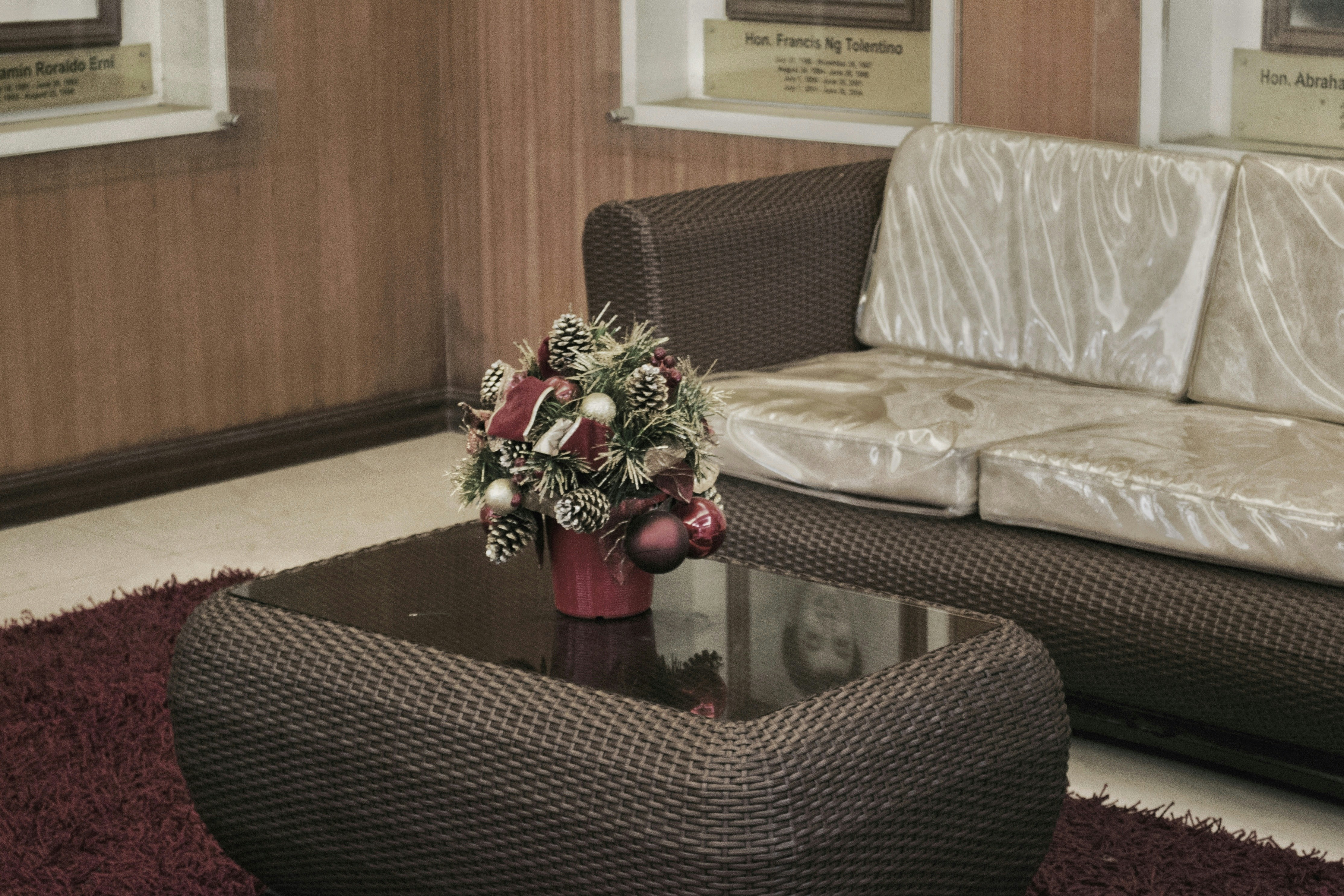
Introduction to DIY Furniture Decoration
In recent years, the concept of DIY furniture decoration has surged in popularity, captivating a diverse audience ranging from enthusiastic hobbyists to experienced interior designers. This creative movement not only empowers individuals to enhance their living spaces but also encourages them to express their unique styles through personalized design choices. One of the primary benefits of engaging in DIY projects is the opportunity to infuse one’s home with character and individuality, allowing for a distinctive aesthetic that mass-produced furniture simply cannot offer.
DIY furniture decoration encompasses a broad array of activities, such as refurbishing old pieces, creating custom items from raw materials, and employing various techniques to modify the appearance of existing furnishings. As homeowners seek to cultivate a sense of belonging within their spaces, these hands-on projects serve as a practical outlet for creativity. Furthermore, undertaking such endeavors often leads to a more profound connection with one’s environment, as the personal touch of handcrafted elements transforms a house into a true home.
Financial considerations also play a significant role in the growing trend of DIY furniture decoration. With rising costs of new furniture and decor, many individuals are looking for ways to save money without compromising on quality or style. Creating and customizing furniture by hand not only provides a cost-effective alternative but also allows for higher quality, tailored pieces that align with specific tastes and needs. The satisfaction associated with crafting these items cannot be overstated; the act of transforming materials into functional art fosters a sense of accomplishment and pride that enhances one’s living experience.
Getting Started: Tools and Materials You Need
Embarking on a DIY furniture decoration project requires a carefully curated selection of tools and materials. Having the right equipment at your disposal not only simplifies the process but also enhances the overall outcome of your creative endeavor. Key materials for furniture decoration typically include various types of paint, brushes, adhesives, fabrics, and an array of basic carpentry tools.
When it comes to paint, it is advisable to choose water-based options for easy application and cleanup, as well as minimal environmental impact. Ensure to have a variety of brush sizes to accommodate different surfaces and detail work. Beyond paint, wood stain and sealants are important for protecting your finished projects and enhancing the wood grain.
Adhesives are also essential; consider using eco-friendly options such as water-based glues or non-toxic adhesives. Similarly, fabrics for upholstery and decoration should prioritize sustainable materials, such as organic cotton or recycled textiles, as they not only look good but also contribute to a healthier living environment.
In terms of tools, basic carpentry items such as a saw, hammer, screwdriver set, and measuring tape are fundamental for many DIY projects. A level is important to ensure that your furniture is balanced, and clamps are useful for holding pieces together while the adhesive sets. Additionally, a drill can facilitate various tasks, from assembling furniture to creating decorative elements.
For sourcing these materials, local hardware stores often offer a range of options. However, consider visiting salvage shops or thrift stores for budget-friendly finds that can be transformed into unique pieces. Online marketplaces and eco-conscious retailers can also provide sustainable supplies. Ultimately, selecting the right tools and materials will lay a strong foundation for a successful DIY furniture decoration project.
Top DIY Trends for Furniture Decoration in 2024
As 2024 unfolds, the world of DIY furniture decoration is increasingly characterized by innovative trends that reflect personal expression and sustainability. One of the leading trends is upcycling, which breathes new life into old furniture by transforming discarded items into functional pieces or artistic displays. This approach not only reduces waste but also allows individuals to curate unique pieces that fit their specific style. For instance, an old wooden chair can be sanded, painted, and upholstered to match a new décor scheme, serving as both a functional seat and an eye-catching conversation starter.
Minimalism continues to dominate the design landscape, reflecting a lifestyle that values simplicity and functionality. Minimalist furniture decoration emphasizes clean lines, neutral color palettes, and uncluttered spaces. DIY enthusiasts can easily adopt this trend by focusing on versatile, multi-functional furniture projects. A great example would be a sleek, minimalist coffee table crafted from reclaimed wood, which serves as a centerpiece while providing storage solutions. This approach not only enhances the aesthetic of a space but also promotes a sense of calm through decluttered environments.
Another captivating trend in 2024 is the bohemian aesthetic, characterized by a vibrant mix of colors, textures, and patterns. This style embraces individuality and layers various elements to create a cozy, inviting atmosphere. To incorporate this trend, DIY projects might include revamping furniture with colorful fabrics, creating macramé hangings, or painting dressers with eclectic designs. A whimsical bookshelf featuring varying paint hues and decorative details can exemplify the bohemian style while adding character to any room.
By understanding these key trends—upcycling, minimalism, and bohemian aesthetics—DIY enthusiasts can engage in furniture decoration projects that not only beautify their spaces but also reflect their personal styles and values. Choosing the right project can inspire creativity and make a meaningful impact on home décor.
Step-by-Step DIY Projects for Beginners
For those new to the world of DIY furniture decoration, embarking on simple projects can provide a satisfying introduction. Below, we outline three manageable DIY projects that will enhance your furniture and contribute to the decor of your space.
Project 1: Painting Old Furniture
Transforming an outdated piece of furniture with paint can breathe new life into it. Begin by selecting a piece such as a wooden chair or a small table. Gather materials including primer, paint, a brush, and sandpaper. Start by sanding the surface to ensure the paint adheres properly. Apply a coat of primer, allowing it to dry completely. Next, paint your chosen color, applying multiple thin coats for an even finish. The estimated time for this project is around 2-4 hours, including drying time.
Project 2: Reupholstering a Chair
Reupholstering is a great way to update old chairs. Begin with a simple chair that needs a fresh look. Gather materials such as fabric, a staple gun, scissors, and a screwdriver. Start by removing the old fabric and cushioning. Cut your new fabric to size, leaving a few extra inches for stapling underneath. Position the fabric on the chair, ensuring it is taut, and secure it in place with the staple gun. This project typically takes about 3-5 hours, depending on the complexity.
Project 3: Creating Custom Storage Solutions
Building your own custom storage solutions can help to maximize your space effectively. Use wooden crates or boxes as a base. Assemble the crates into desired shapes and sizes, securing them with wood glue or nails. Personalize them through paint or by adding decorative elements such as stencils. This project can take about 2-3 hours to complete and can be tailored to fit your specific storage needs.
With these projects, beginners can achieve a sense of accomplishment while enhancing their living environment through creative DIY furniture decoration. Each project offers a chance to learn new skills while adding a personal touch to existing furniture.
Advanced Techniques for Experienced DIYers
As an experienced DIY enthusiast, you are likely aware of basic furniture decoration techniques such as painting and staining. To elevate your skills and create sophisticated design elements, exploring advanced techniques can provide both inspiration and challenge. Among these techniques, decoupage stands out as a versatile option. By applying cutouts of paper or fabric onto furniture surfaces and sealing them with a protective coat, you can create intricate designs that reflect your unique style. This technique allows for unlimited creativity and can be tailored to the theme of your space.
Stenciling is another advanced method that can enhance the visual appeal of your furniture. Utilizing stencils allows you to replicate complex patterns with precision, lending an elegant touch to tabletops, chairs, and cabinets. Choose high-quality stencils and the right paint for a clear, lasting impression. Pairing stenciling with an appropriate color palette can help in achieving a cohesive look across your decor.
For those looking to sharpen their upholstery skills, advanced techniques such as tufting or using piping can significantly enhance the aesthetics of your seating. Like sewing, these methods require patience and precision, but the results can be truly gratifying. A well-executed upholstery project can transform an ordinary piece into a stunning focal point within your living space.
Woodworking also offers experienced DIYers the opportunity to create custom furniture tailored to personal taste. From building a coffee table to designing unique shelving units, woodworking opens avenues for functionality and artistry. Familiarize yourself with essential tools and safety measures, and consider taking a class or workshop to expand your skill set securely.
In conclusion, embracing these advanced techniques will not only elevate your furniture decoration projects but also enhance your overall DIY experience. The combination of decoupage, stenciling, upholstery, and woodworking showcases the full potential of your creativity, inviting you to share your inspired transformations with others.
Incorporating Technology in DIY Projects
In recent years, the use of technology has revolutionized the creative process behind DIY furniture decoration projects. By integrating various technological tools and platforms, DIY enthusiasts can streamline their design processes and enhance their overall creative experiences. One primary area where technology plays a pivotal role is in the use of design software. Programs such as SketchUp and Roomstyler allow users to visualize their furniture plans in a three-dimensional environment, providing a comprehensive view of potential outcomes before any physical work begins. This not only saves time but also minimizes costly errors.
Moreover, numerous mobile applications exist to inspire the DIY community. Apps like Pinterest and Houzz serve as treasure troves of innovative ideas and endless possibilities. Users can browse through countless images, save their favorite projects, and create mood boards that help in envisioning the final look of their DIY endeavors. This accessibility to inspiration empowers individuals to think outside the box and bring their unique visions to life.
Additionally, online tutorial platforms such as YouTube and Skillshare are invaluable resources for DIY novices and experienced creators alike. These platforms provide step-by-step guides on various furniture decoration techniques, ensuring that users can acquire new skills and knowledge at their own pace. Tutorials on refinishing, upholstering, or even selecting color palettes are readily available, enabling individuals to tackle challenges confidently and successfully.
Social media channels like Instagram and Facebook also play an instrumental role in this landscape. These platforms allow DIY aficionados to share their projects, receive feedback, and foster a sense of community. Engaging with fellow DIY enthusiasts can provide emotional support and motivation, creating an environment where creativity thrives. Through these diverse technological avenues, the DIY furniture decoration process can become more organized, inspired, and connected, ultimately leading to beautifully transformed spaces.
Sustainable DIY Furniture Decoration Practices
In today’s world, embracing sustainability is paramount, particularly when it comes to DIY furniture decoration. By integrating eco-friendly practices into our creative processes, we can transform our living spaces while minimizing our environmental impact. One of the most effective approaches is to utilize recycled materials. Rather than discarding old furniture, consider giving it a new lease on life through refreshing and innovative techniques. Repurposing items that you already own not only reduces waste but can also lead to unique decor that tells a story.
Additionally, sourcing sustainable materials plays a crucial role in fostering eco-friendly DIY projects. When looking for new materials, opt for suppliers that prioritize environmentally responsible practices, such as using reclaimed wood or sustainably harvested timber. Moreover, choosing products with low VOCs (volatile organic compounds) ensures that the paints and finishes used emit fewer harmful chemicals, promoting a healthier indoor environment.
Another efficient method to enhance your DIY furniture projects is to embrace the art of upcycling. This can involve taking an old, forgotten piece—such as a worn-out table or a set of chairs—and transforming it into something stylish and functional. With a bit of creativity, simple modifications like sanding, painting, or even reupholstering can breathe new life into your furniture without the need to purchase new items. By combining artistic vision with sustainable practices, you can create striking furniture pieces that also align with eco-conscious values.
In conclusion, implementing sustainable DIY furniture decoration practices not only fosters creativity but also contributes to a healthier planet. By focusing on recycled materials, sustainable sourcing, and upcycling, we can create stylish, unique decor that reflects our values and reduces waste. This thoughtful approach allows you to transform your space while being responsible stewards of the environment.
Showcase Your DIY Projects: Sharing and Engaging with Community
Sharing completed DIY furniture decoration projects is pivotal in building a vibrant community of like-minded enthusiasts. This act not only promotes creativity but also inspires others to undertake their own DIY endeavors. Documenting your projects effectively can significantly enhance engagement and motivate fellow DIY lovers. One of the most accessible platforms for sharing such projects is social media. Utilize channels like Instagram, Pinterest, and Facebook to post before-and-after images, detailed step-by-step processes, and even short videos showcasing your finished work.
When documenting your DIY projects, consider creating a blog where you can provide in-depth tutorials, tips, and personal reflections. This not only helps in reaching a broader audience but also establishes you as an authority in the DIY field. Make sure to include high-quality images, clear instructions, and personal anecdotes that can resonate with readers. Forums dedicated to DIY enthusiasts are also valuable avenues for sharing your work. Websites such as Reddit and specialized DIY forums allow for interaction with a community that appreciates your efforts, providing a space for feedback and encouragement.
Engaging with your audience is equally important. When you receive comments or inquiries on your shared projects, responding promptly fosters a supportive environment and encourages ongoing discussions. Consider hosting live Q&A sessions, workshops, or even webinars to connect further with your audience. This promotes collaboration and might inspire individuals to embark on their own projects while gaining valuable insights from your experiences. By investing time in sharing and interacting with the community, you not only reinforce your passion for DIY furniture decoration but also contribute to a culture of collective creativity and inspiration.
Conclusion: Embracing the DIY Journey
As we conclude our exploration of creative DIY furniture decoration ideas, it is essential to reflect on the transformative power these projects can have on your living space and personal expression. Engaging in DIY furniture decoration not only allows individuals to customize their surroundings to reflect their aesthetic preferences but also serves as a productive outlet for creativity. Regardless of skill level, anyone can embark on this rewarding journey and create unique pieces that resonate with their personal style.
The key to a successful DIY experience lies in embracing the process rather than focusing solely on the end product. Viewing each project as an opportunity to learn and grow can bolster confidence and inspire greater creativity. Whether you are painting an old chair, reupholstering a couch, or crafting shelving from reclaimed materials, the act of creating can be profoundly satisfying, fostering a sense of ownership and pride in your space.
To maintain motivation throughout your DIY endeavors, consider connecting with like-minded individuals or joining community groups and forums. These platforms not only provide valuable inspiration but also offer support and encouragement as you share your journey with others. Additionally, setting manageable goals and breaking down larger projects into smaller, actionable steps can help to maintain momentum and keep frustration at bay.
Ultimately, the journey of DIY furniture decoration is about self-discovery and fostering a space that embodies your personality. Encourage yourself to experiment with different ideas, explore various materials, and most importantly, have fun throughout the process. You may surprise yourself with what you can create. Embrace this journey, and let your imagination guide you to a beautifully transformed environment that is uniquely yours.