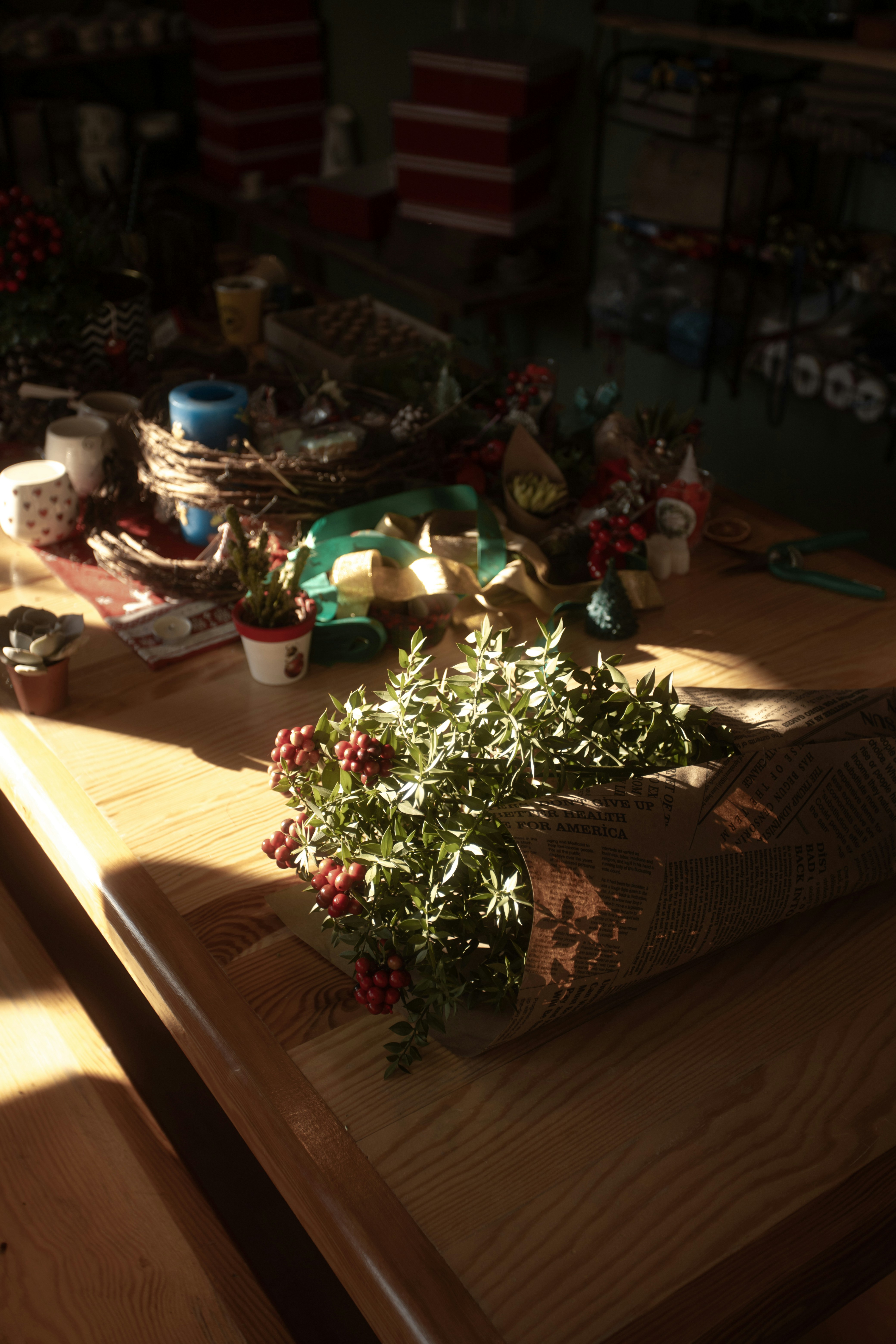
Introduction to DIY Furniture Decoration
In recent years, the concept of DIY furniture decoration has gained significant traction among homeowners and interior design enthusiasts. This burgeoning trend allows individuals to personalize their living spaces in ways that reflect their unique tastes and styles. By engaging in DIY projects, homeowners can transform ordinary furniture into extraordinary statement pieces that enhance the aesthetic of their homes.
The benefits of embracing DIY furniture decoration are manifold. Foremost among these is the potential for cost savings. Purchasing new furniture can be a considerable financial burden; however, by repurposing and redecorating existing items, individuals can achieve a refreshed look without straining their budgets. Moreover, many DIY projects utilize sustainable materials, reducing waste and promoting environmental consciousness. This sustainable approach not only lessens the carbon footprint associated with manufacturing and shipping new products but also encourages the use of locally sourced materials.
Another advantage of DIY furniture decoration lies in the opportunity for creative expression. Each project offers a canvas for homeowners to explore their artistic inclinations and personalize each piece to suit their style. The ability to choose colors, textures, and designs empowers individuals to create pieces that truly resonate with their identities, ultimately making their homes feel more like their own.
The rise of social media platforms has further fueled the popularity of DIY projects, as individuals eagerly share their experiences and creations online. This vibrant community fosters inspiration and support, encouraging novice decorators to embark on their own projects. Homeowners can engage with a network of like-minded individuals, exchanging ideas, tips, and resources, which fosters a sense of belonging in the world of DIY furniture decoration.
Essential Tools and Materials for DIY Projects
Engaging in DIY furniture decoration projects necessitates a well-equipped toolkit and high-quality materials. This foundational aspect not only streamlines the creative process but also enhances the final outcome of your projects. Below is a comprehensive list of essential tools and materials needed for various DIY endeavors.
First, hand tools are indispensable for any DIY enthusiast. A sturdy hammer, a reliable screwdriver set, and a versatile measuring tape are fundamental. For woodworking projects, consider adding a handsaw or a jigsaw for more intricate cuts. Additionally, a combination square will help ensure precise measurements and right angles.
In conjunction with hand tools, a set of power tools can significantly elevate your DIY projects. A cordless drill is an excellent investment, allowing for various drill and screw tasks. A sander will aid in achieving smooth finishes on wood surfaces, while a circular saw or a table saw facilitates efficient cutting. Ultimately, selecting the right power tools can save time and improve accuracy in your projects.
When it comes to decoration, paints, brushes, and stencils play a critical role. Choose high-quality paint suitable for furniture surfaces, and consider eco-friendly options to minimize environmental impact. A variety of brush sizes will give you flexibility in application, while stencils can add intricate designs and character to your projects.
Adhesives are essential for furniture assembly and decoration. Depending on the materials used, consider wood glue for wooden components, fabric glue for upholstery, or a hot glue gun for quick fixes. Protective gear, such as gloves and a respirator mask, is crucial to ensuring safety during the creative process.
For sourcing these tools and materials, local hardware stores and online retailers provide an extensive selection. Prioritizing quality can greatly affect the longevity and success of your DIY projects. By investing in reliable tools and high-quality materials, you set a solid foundation for a rewarding DIY furniture decoration experience.
Inspiration: Popular DIY Furniture Decoration Styles
When it comes to DIY furniture decoration, various styles can significantly alter the aesthetic of any living space. Each style possesses unique characteristics and can be tailored to reflect personal tastes. Among the most popular styles are rustic, modern, vintage, and eclectic.
The rustic style often embraces natural materials and a warm, inviting ambiance. Think reclaimed wood pieces, distressed finishes, and earthy tones. This style can transform ordinary furniture into charming focal points. For example, a simple wooden table can gain character through the addition of a weathered finish and handmade decorations, creating a cozy farmhouse feel.
In contrast, modern DIY furniture decoration favors clean lines, minimalism, and a monochromatic color palette. This style often utilizes materials like metal and glass, designed for functionality without sacrificing aesthetics. For instance, a sleek coffee table with geometric shapes can elevate the modernity of a living room, making it a sophisticated gathering space.
Vintage DIY decor captures the charm of bygone eras and often incorporates antique pieces. This style allows for creativity in combining different elements, such as pairing a vintage dresser with newly upholstered fabric or adding retro hardware. The result is a unique blend that pays homage to history while remaining functional in contemporary interiors.
Lastly, the eclectic style is unparalleled in its flexibility, combining elements from various styles or eras. Homeowners may mix vintage and modern pieces, use bold colors, and layer textures. A mid-century chair alongside a contemporary sofa can create a dynamic and personalized space that showcases the owner’s personality and creativity.
Each of these DIY furniture decoration styles provides an array of possibilities for transforming furniture pieces and enhancing the overall vibe of a home. Understanding these styles can inspire and help you identify a direction that aligns with your vision for your living space.
Step-by-Step Guide to a DIY Furniture Project
Embarking on a DIY furniture project can be an incredibly rewarding experience. In this guide, we will focus on upcycling an old wooden table, transforming it into a unique piece of furniture that adds character to your home. This project does not require extensive carpentry skills and can be completed in a weekend. Below, you will find all necessary materials, tools, and step-by-step instructions to encourage you to take on this exciting challenge.
Materials Required:
- Old wooden table
- Sandpaper (various grits)
- Wood paint or stain
- Paintbrush or foam roller
- Sealer (optional, for added durability)
- Drop cloth (to protect your working area)
Tools Required:
- Scraper or putty knife
- Paint tray
- Clean cloth
- Masking tape
Step-by-Step Instructions:
1. Preparation: Start by cleaning the surface of the table thoroughly. Remove any grease, dirt, or existing finishes using a scraper if necessary. Lay down a drop cloth and secure the area with masking tape to protect surrounding surfaces.
2. Sanding: Using sandpaper, begin sanding the entire surface of the table. Start with a coarse grit to remove the old finish, then progress to finer grits to smooth the wood. This step is essential, as it ensures better adhesion of the paint or stain.
3. Painting or Staining: Once sanding is complete, wipe the table with a clean cloth to remove dust particles. Apply your chosen paint or stain with a brush or foam roller, going in the direction of the wood grain. For a richer color, you may need to apply multiple coats, allowing adequate drying time between applications.
4. Sealing: If desired, apply a sealer to protect your newly finished table from wear and tear. Follow the manufacturer’s instructions for best results.
By following these detailed instructions, you can confidently revamp an old wooden table into a stunning focal point within your home. This DIY furniture project not only enhances your living space but also allows you to express your creativity in a unique way.
How to Share Your DIY Furniture Creations Online
Sharing your DIY furniture creations online is a great way to showcase your creativity while connecting with like-minded enthusiasts. The first step in this process is taking high-quality photos of your finished projects. Good lighting, tidy backgrounds, and multiple angles can significantly enhance your images. Natural light is often the best choice, so consider taking photos during the day. Use a camera or smartphone that allows you to capture details and colors accurately, which is crucial for attracting attention on platforms like Instagram and Pinterest.
In addition to compelling visuals, writing engaging descriptions is vital. Your captions should tell a story about your DIY project – explain your inspiration, the materials used, and any challenges you faced. This narrative not only captivates your audience but also provides insight that might inspire them to take on their own furniture projects. Don’t forget to include your focus keyword, “DIY furniture,” in your descriptions, as this will help your post reach a broader audience interested in similar projects.
Effective use of relevant hashtags is another key practice for gaining visibility. Research popular hashtags within the DIY community, such as #DIYFurniture, #HomeDecor, and #UpcycledFurniture. These tags will help categorize your posts, making it easier for others searching for inspiration to find your work. Additionally, consider joining online communities and forums dedicated to DIY enthusiasts. Platforms like Reddit, Facebook, and specialized DIY websites not only allow you to share your projects but also to receive feedback and connect with individuals who share your passion. Engaging in these communities will help you learn from others and enhance your own DIY skills.
Sustainable DIY Furniture Decoration Ideas
In recent years, the importance of sustainability in our daily practices has come to the forefront, especially in areas such as DIY furniture decoration. Embracing eco-friendly approaches not only benefits the environment but also allows individuals to create unique and personalized pieces for their homes. By utilizing recycled or reclaimed materials, DIY enthusiasts can significantly reduce their ecological footprint while crafting distinctive furniture that tells a story.
When selecting materials for furniture decoration, consider sourcing reclaimed wood from old pallets, barn doors, or even discarded furniture. These items can be transformed into stunning coffee tables, bookshelves, or accent pieces with minimal effort. Additionally, refurbished pieces can retain their historical charm while being given a new life, diminishing the demand for new resources and reducing waste in landfills.
Moreover, opting for eco-friendly paints and finishes is crucial for a sustainable approach. Many traditional paints contain harmful chemicals that can negatively impact indoor air quality. Instead, consider using low-VOC (volatile organic compounds) or water-based paints that not only provide a beautiful finish but also promote a healthier environment. Many brands now offer sustainable alternatives that come in a range of colors, allowing creativity without compromising ecological values.
To further minimize waste during your DIY projects, planning and measuring materials beforehand can play a significant role. This careful approach helps avoid excess cuts and leftover materials, which can often result in unnecessary scraps. Utilizing techniques such as upcycling old clothing or fabric remnants to create cushion covers or decorative accents can also enhance your furniture while remaining environmentally conscious.
Sustainable DIY furniture decoration empowers individuals to express their creativity without harming the planet. By choosing recycled materials, eco-friendly finishes, and innovative strategies to reduce waste, you can create meaningful and beautiful home decor that aligns with environmentally responsible practices.
Common Mistakes to Avoid in DIY Projects
Embarking on DIY furniture decoration projects can be an exciting and fulfilling endeavor; however, it is not without its challenges. Many enthusiasts make common mistakes that can lead to unsatisfactory results or even project failure. Understanding these pitfalls can significantly enhance the overall experience and outcome of your DIY efforts.
One of the most prevalent errors is improper measurements. Measuring inaccurately can lead to significant problems, especially when it comes to cutting materials or arranging furniture in a space. To avoid this mistake, always use a reliable measuring tape and double-check your measurements before proceeding. Additionally, consider using a pencil to mark measurements directly on the material to ensure precision during cutting and assembling phases.
Another frequent issue arises from inadequate preparation. Rushing into a project without sufficient planning can result in chaos. Not only should you have all necessary materials at hand, but you should also create a detailed project outline. This outline should include steps, timings, and a list of tools required. Proper preparation also means ensuring that the workspace is organized and free from distractions, which will lead to a more efficient and enjoyable process.
Furthermore, many DIY hobbyists make the mistake of rushing the process. In an attempt to see quick results, they may skip essential steps such as thorough drying times between coats of paint or finishes. This often leads to unsatisfactory results and the need for rework later on. Thus, it is critical to remain patient and allow each step of the project the necessary time to set and cure. By taking the time to avoid these common mistakes, your DIY furniture decoration projects will not only yield better results but will also be more enjoyable throughout the execution.
Budgeting Your DIY Furniture Projects
When embarking on DIY furniture decoration projects, effective budgeting is crucial to ensure a successful and enjoyable experience. Begin by creating a detailed list of the materials and tools required for your specific project. This may include wood, paint, varnish, brushes, sandpaper, and any additional decorative elements such as hardware or upholstery fabric. Understanding these essentials will allow you to estimate costs more accurately, helping you to set a realistic budget.
To get an idea of how much you will spend, consider researching local home improvement stores, craft shops, or online retailers. Note the prices of items on your list, and don’t forget to include any potential additional expenses such as delivery fees or equipment rentals. Additionally, it is wise to factor in a small budget buffer—approximately 10% of your total costs—to accommodate unexpected expenses that may arise during the project.
Finding budget-friendly alternatives is an essential part of the DIY process. For instance, instead of purchasing new wood, consider repurposing old furniture or sourcing materials from discount retailers, reclaimed wood suppliers, or community marketplaces. These not only save costs but also lend a unique charm to your projects. Additionally, look out for seasonal sales, clearance items, or online shopping events to snag deals on tools and materials.
Another effective strategy is to collaborate with fellow DIY enthusiasts. Sharing tools or purchasing materials in bulk can lead to significant savings. Furthermore, many online platforms offer various DIY forums where individuals share their experiences, coping strategies, and tips for cost-effective home improvement projects. By employing these mindful budgeting techniques, you can embark on your DIY furniture decoration journey without the burden of overspending, making the creative process much more accessible to various budgets.
Conclusion: Embrace Your Creativity in DIY Furniture Decoration
As we reach the culmination of our exploration into creative DIY furniture decoration ideas, it becomes evident that the journey of personalizing your living space is both fulfilling and transformative. Embracing your creativity in DIY projects not only allows you to express your individuality but also enhances the aesthetic appeal of your home. By engaging in simple yet innovative DIY furniture decoration, you can achieve a unique ambiance that truly reflects your style and preferences.
Throughout this blog post, we have discussed a variety of techniques and inspirations, from upcycling old furniture pieces to incorporating trendy colors and materials. Each idea provided can serve as a stepping stone for your DIY endeavors, enabling you to tailor your surroundings to match your vision. The joy of creating something from scratch or revamping existing items is immensely gratifying, fostering a sense of accomplishment that encourages further creative exploration.
Additionally, the community aspect of DIY projects shouldn’t be overlooked. Sharing your creations and experiences not only helps to inspire others but also connects you with like-minded individuals who share your passion. The collective knowledge and feedback from fellow DIY enthusiasts can provide invaluable insights and even promote collaboration on future projects. Social media platforms and DIY communities are excellent channels to showcase your work and learn from others’ experiences.
In conclusion, we encourage you to take the leap into DIY furniture decoration. Start small, experiment, and let your creativity flourish. The possibilities are endless, and the satisfaction derived from personalizing your home is truly unmatched. Share your journey and creations with others, and foster a community that celebrates creativity and resourcefulness in home decoration.