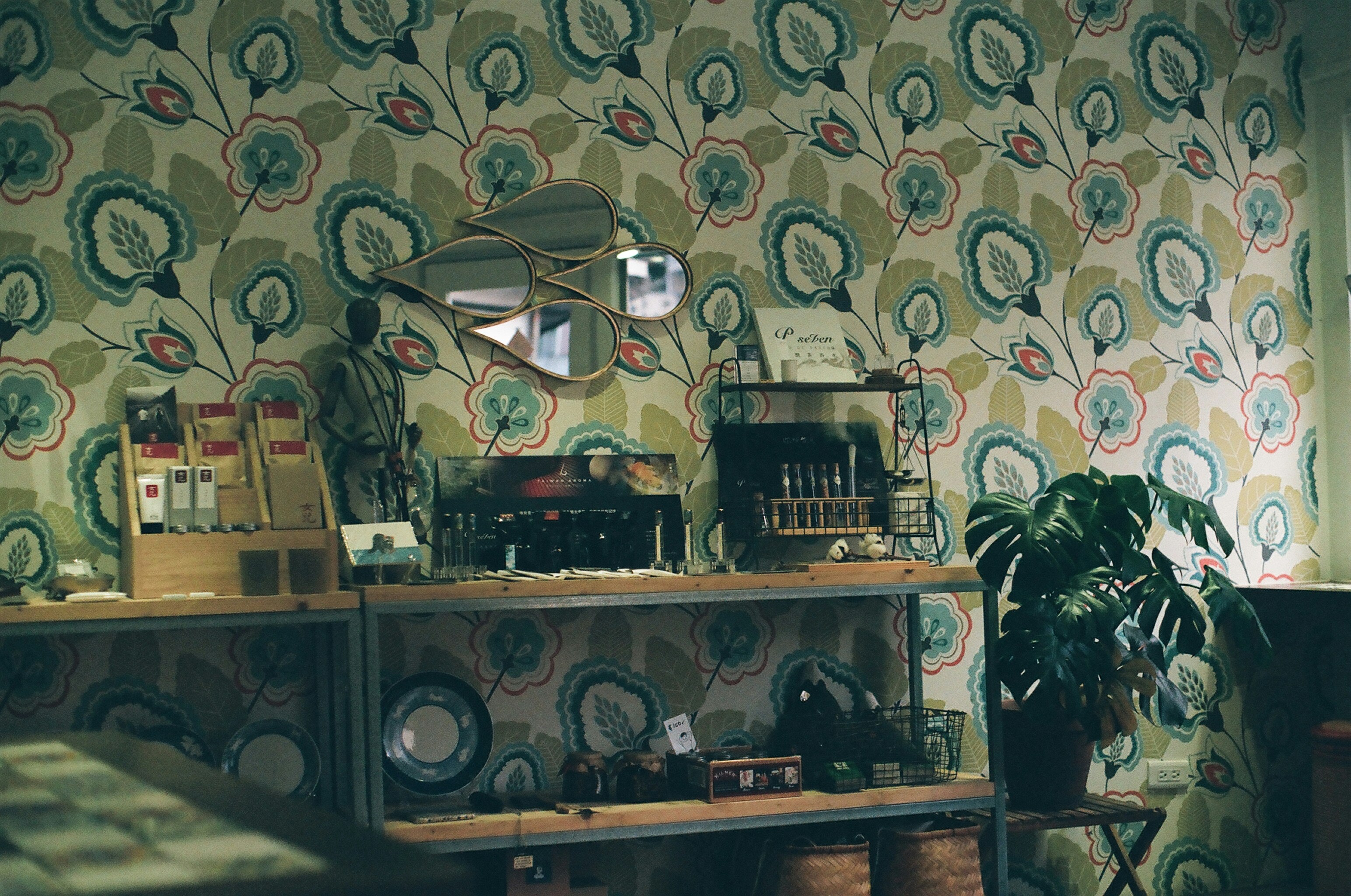
Introduction to DIY Interior Decoration
In recent years, the concept of DIY (Do-It-Yourself) interior decoration has gained significant popularity among homeowners and renters alike. This trend allows individuals to take charge of their living spaces, fostering creativity and personal expression in ways that traditional interior design may not accommodate. Engaging in DIY projects not only provides an avenue for self-expression but also offers a cost-effective alternative to professional decorating services.
The charm of DIY interior decoration lies in its accessibility. With a multitude of online resources, tutorials, and inspirational content, anyone can embark on a DIY project, regardless of their skill level. This approach empowers individuals to transform their homes according to their personal tastes, making each project a unique reflection of their style. Moreover, the satisfaction derived from creating something by one’s own hands can enhance the personal connection to the living space.
Another appealing aspect of DIY interior decoration is its budget-friendly nature. Home improvement and decor can often require a significant financial investment, but DIY projects allow individuals to repurpose existing materials, source affordable supplies, and use creative techniques to achieve beautiful results without the hefty price tag. This not only supports sustainability by minimizing waste but also encourages resourcefulness, creating opportunities for innovative design solutions.
As we delve deeper into the realm of DIY interior decoration, it is essential to recognize the myriad benefits that come with undertaking such projects. Whether it is through crafting handmade decorations, repurposing furniture, or incorporating unique design elements, the DIY approach enables individuals to create spaces that are not only visually appealing but also deeply personal and meaningful. The following sections will explore various DIY ideas that can inspire readers to embark on their own decoration journey.
Choosing the Right Space for Your DIY Project
Selecting the appropriate space for a DIY interior decoration project is crucial for achieving the desired transformation. The first factor to consider is lighting. Natural light can significantly influence the ambiance of a room; therefore, spaces with ample sunlight, such as living rooms or sunrooms, are often ideal candidates for DIY projects. Additionally, artificial lighting must be considered, as it can enhance or alter the perception of colors and textures used in your decorations.
Another essential aspect is the existing decor. It is advisable to choose a room where the current decoration aligns with your creative vision, allowing for a cohesive look once the DIY project is completed. For example, a bedroom with muted tones might benefit from vibrant, personalized touches, while a home office can be enhanced with organized and functional decor. This not only improves aesthetics but also maintains the overall harmony of your home.
The functionality of the room is equally important when selecting the space for your DIY project. Each area in a home serves a specific purpose, which should reflect in the decoration choices. For instance, a dining room may require a balance between style and practicality, whereas a nursery can be more playful and innovative. Consider how you envision the final result before embarking on the project; imaging the completed DIY decoration can provide inspiration and guide your decisions during the creation process. By thoughtfully choosing the right space, you create an inviting atmosphere that enhances your living environment while showcasing your unique style.
Essential Tools and Materials Needed for DIY Decoration
Embarking on a DIY decoration project can be an exhilarating experience, but having the right tools and materials at your disposal is essential for success. The first step in ensuring a smooth process is to gather a comprehensive set of supplies that will facilitate your creative endeavors. Below is a list of essential tools and materials that every DIY enthusiast should consider keeping on hand.
First and foremost, a basic toolkit is crucial. This should include items such as a measuring tape, level, utility knife, and precision scissors. These instruments will help you achieve accuracy in your projects, whether you are hanging pictures or cutting fabric. Additionally, a durable work surface or mat will provide ample space for crafting and protect your surroundings.
Next, paints and brushes are fundamental for any DIY decoration. Choose a variety of paint types, including acrylic, chalk, and spray paints, to suit different surfaces and finishes. Quality brushes and rollers should also be included in your toolkit to ensure flawless application. Don’t forget to have painter’s tape on hand; it is invaluable for achieving clean lines and protecting areas you do not wish to paint.
Furthermore, adhesives are vital for assembling various materials in your projects. Utilize a selection of glue types, such as hot glue, wood glue, and fabric adhesive, depending on the materials you will be working with. Alongside adhesives, consider stockpiling fabrics, wallpaper samples, and other decorative elements that correlate with your vision. Strive to keep a range of colors and textures that inspire creativity.
Lastly, tools like a staple gun, hammer, and nails can facilitate more permanent installations, while safety equipment, such as gloves and goggles, ensures your well-being. By preparing yourself with these essential tools and materials, you will be well-equipped to undertake any DIY decoration project that piques your interest, making the process not only easier but also more enjoyable.
Trendy DIY Decor Ideas for Every Room
Creating a personalized living space can be achieved effortlessly with various trendy DIY decor ideas suitable for every room in the house. Starting in the living room, consider a statement wall using removable wallpaper or paint. This technique not only adds a pop of color but also allows you to easily change your decor when trends evolve. Adding framed art or personal photographs can further enhance the room’s aesthetics, contributing to a warm, inviting environment.
Moving to the kitchen, magnetic spice jars can be an attractive and functional decor element. By repurposing glass jars and attaching magnetic strips to the lids, one can easily display spices on the refrigerator or a magnetic board. This project not only declutters the kitchen space but also adds a unique, organized look. Additionally, a chalkboard wall can serve as a fun, interactive spot for grocery lists or inspirational quotes, combining practicality with creativity.
In the bedroom, a DIY headboard crafted from reclaimed wood or fabric can be a focal point that sets the mood. This project allows for customization in style, whether one prefers a rustic, modern, or eclectic look. Other trendy ideas include creating a cozy reading nook by adding shelves and cushions to a corner or using fairy lights to create a whimsical atmosphere, providing both comfort and charm.
Finally, the bathroom can easily be transformed with simple DIY projects like using mason jars as storage for toiletries or creating floating shelves for decor and essentials. These solutions maximize space while adding a contemporary flair. Furthermore, a homemade reed diffuser with essential oils can elevate the bathroom’s ambiance, merging aesthetics with functionality.
Each of these ideas demonstrates how trendy DIY decor projects can not only reflect personal style but also enhance the overall charm of different rooms throughout the home.
Incorporating Personal Touches in Your DIY Projects
When embarking on DIY interior decoration projects, one of the most fulfilling aspects is the opportunity to incorporate personal touches that reflect your unique style and personality. Personalization not only enhances the aesthetic appeal of your space but also creates a welcoming environment that resonates with your individual taste. To achieve this, consider selecting colors and patterns that evoke emotion or fond memories. For instance, choosing a palette inspired by your favorite vacation destination can bring warmth and nostalgia to your living area.
Start by determining a color scheme that speaks to you. Analyze the colors that you naturally gravitate towards in your clothing or artwork. Utilizing complementary shades can create a cohesive look within your DIY projects. Consider using painted furniture, accent walls, or decorative accessories to express these color choices. Patterns also play a vital role in defining the personality of your space. Whether you prefer geometric designs, florals, or stripes, integrating these patterns into fabric choices, wallpaper, or art can truly personalize your DIY creations.
In addition to colors and patterns, including personal memorabilia in your DIY projects can serve as a great way to infuse your essence into your space. This could range from photographs that hold sentimental value to pieces of art crafted by loved ones. Displaying these items can serve as conversation starters while evoking cherished memories. Alternatively, consider creating custom art pieces by using materials that tell your story—perhaps a canvas that reflects your favorite quote or an abstract piece inspired by your experiences. The key is to ensure that each element harmonizes with the overall design while remaining distinctly ‘you’.
By carefully selecting colors, patterns, and personal items, you will be able to create a cohesive and personalized home that not only showcases your creativity but also tells your unique story. This thoughtful approach to DIY decoration will ensure that your interior spaces no longer feel generic, but rather, serve as a true reflection of who you are.
Upcycling and Sustainability in DIY Decor
In recent years, upcycling has emerged as a compelling approach to interior decoration, advocating for sustainability through creative reuse of materials. This innovative practice not only minimizes waste but also offers a unique charm to home decor that cannot be replicated with new products. By transforming old or discarded items into functional pieces, individuals embrace a more environmentally conscious lifestyle while adding personal touches to their living spaces.
One of the simplest ways to incorporate upcycling into your home is by repurposing furniture that has seen better days. For instance, an old wooden chair can be sanded down, painted, and upholstered to create a stylish accent piece. Similarly, a vintage suitcase can be transformed into a quirky side table by adding legs or stacking it with other old luggage to create a layered look. These projects not only help to reduce the demand for new furniture but also provide a platform for expressing creativity and personality in your home.
Upcycling is not limited to large furniture; decorative items can also be creatively repurposed. Glass jars, for example, can serve as planters, candle holders, or storage containers. Using fabric scraps from old clothes or linens, one can create beautiful wall hangings or unique pillow covers that resonate with personal style. The possibilities are vast, making upcycling a rewarding endeavor for those interested in both aesthetics and sustainability.
Moreover, engaging in DIY projects fosters a deeper connection to one’s living environment. As individuals engage with materials and design processes, they cultivate an appreciation for craftsmanship and the value of sustainable living. By choosing upcycling as a method for interior decoration, one not only enhances their home but also contributes to a larger movement toward environmentally responsible practices. Thus, the endeavor of transforming everyday items into beautiful decor champions sustainability while enriching the home with character.
Step-by-Step Guide to a Popular DIY Project
Creating a customized wall art piece is an excellent DIY project that can add a personal touch to your interior decoration. This step-by-step guide will walk you through the process effectively, ensuring that your creative endeavor is both enjoyable and successful.
To begin, gather your materials: a canvas or wooden board, acrylic paints, paintbrushes, painter’s tape, and any embellishments you wish to include, such as stencils or fabric. Start by laying your canvas on a flat surface, ensuring it is clean and dry. If you are using a wooden board, ensure it is sanded smoothly to prevent splinters.
Next, decide on a design. Visualize what you want your wall art to convey. You might consider using painter’s tape to create geometric shapes, or utilize stencils for a more intricate pattern. Carefully apply the tape to the canvas in your desired pattern, pressing down firmly to prevent paint from seeping underneath.
Once your design is laid out, it is time to paint. Choose colors that complement your home’s interior. Use a paintbrush to fill in the areas, applying multiple coats if necessary for a vibrant look. Allow each coat to dry completely before moving to the next to achieve the best results. If you make a mistake, don’t worry; you can easily touch it up once the paint dries.
After you’ve finished painting, carefully remove the painter’s tape to reveal sharp lines and your chosen design. To give it a polished look, consider adding embellishments or a protective coating such as a clear acrylic spray. This step will enhance the durability of your artwork. Additionally, when finished, ensure that your wall art is properly hung, taking into account the height and location to maximize its visual impact.
By following these steps, you will successfully create an original wall art piece that reflects your personal style and contributes to your interior decoration. Remember, DIY projects are about creativity and expression, so feel free to modify the steps to suit your unique vision.
Common Mistakes to Avoid in DIY Interior Decoration
Embarking on a DIY interior decoration project can be both exciting and daunting. However, numerous pitfalls may hinder your success if not addressed proactively. One of the primary mistakes that novices often commit is insufficient planning. Before embarking on any project, it is essential to conduct a thorough assessment of the space you intend to decorate. This includes understanding the dimensions, the functionality of the room, and the existing decor style. A well-thought-out plan will help in choosing appropriate materials and colors, ensuring cohesion in the overall design.
Another common error is underestimating the budget and time required for a project. It is crucial to develop a realistic budget that accounts for all necessary supplies, tools, and potential unexpected expenses. Similarly, setting a timeline with achievable milestones allows for smoother execution. Rushing through tasks may lead to mistakes, which can compromise the quality of your work. Taking the necessary time to complete each step meticulously will yield better results.
Furthermore, improperly leveraging skills and knowledge is a frequent oversight among DIY enthusiasts. While the allure of a hands-on project may seem appealing, it is essential to recognize your limitations. Attempting complex tasks without adequate expertise, such as electrical work or structural modifications, can lead to safety hazards and costly errors. Instead, focus on projects that match your skill level and consider enlisting the help of professionals for more intricate tasks.
Lastly, setting unrealistically high expectations can result in disappointment. It is vital to appreciate the learning curve that comes with DIY projects. Embrace your mistakes as part of the process, and remember that perfection is not always attainable. By keeping these common pitfalls in mind, DIYers can enhance their interior decoration efforts, ultimately achieving a more gratifying and successful outcome.