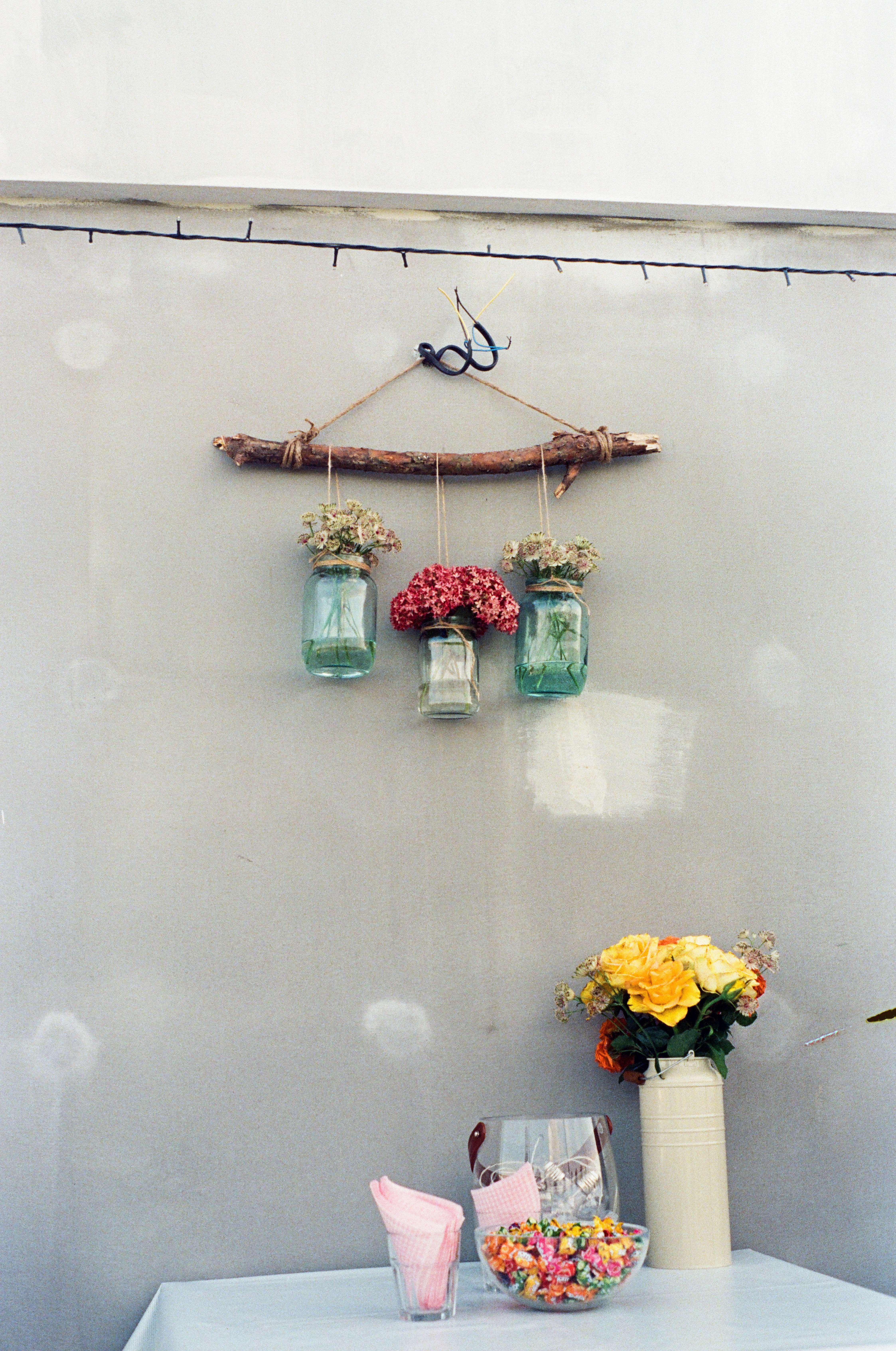
The Beauty of DIY Home Decoration
Home decoration has long been a cherished aspect of creating a welcoming and personalized living space. In recent years, do-it-yourself (DIY) home decoration has surged in popularity, allowing homeowners a unique opportunity to express their creativity while enhancing their environments. Engaging in DIY projects offers numerous benefits, making it an appealing choice for those looking to cultivate their ideal space.
One of the primary advantages of DIY home decoration is its cost-effectiveness. Traditional home decor can be prohibitively expensive, particularly for those with limited budgets. By opting for DIY solutions, homeowners can save money while still achieving beautiful and stylish results. Whether it involves repurposing old furniture, creating handmade decor pieces, or using affordable materials, DIY projects often come at a fraction of the cost of store-bought items.
Additionally, DIY home decoration fosters creative expression. Each individual has their own unique style, and DIY projects allow for personalization that reflects personal tastes and preferences. This creative freedom can transform ordinary living spaces into extraordinary extensions of one’s personality. From color palettes to design elements, directing the process of home decoration through DIY not only results in a tailored aesthetic but also brings a sense of fulfillment and satisfaction.
Moreover, engaging in DIY home decoration can be a therapeutic activity, providing a productive outlet for stress relief. The hands-on nature of crafting and designing can serve as a form of escapism, enabling individuals to channel their energy into creating something tangible and beautiful.
Ultimately, the beauty of DIY home decoration lies not just in the aesthetic outcomes, but in the meaningful experiences and connections forged through the process. By embracing DIY projects, homeowners can transform their living spaces while also cultivating creativity and personal satisfaction.
Understanding Your Decoration Style
When it comes to home decoration, identifying your personal style is crucial to creating a cohesive and pleasing environment. Different styles, such as modern, minimalist, rustic, and bohemian, each carry distinct characteristics and elements. To determine which style resonates with you, it is important to familiarize yourself with these various approaches. The modern style often features clean lines, neutral colors, and an emphasis on functional furniture, while the minimalist approach prioritizes simplicity and decluttered spaces. Rustic décor tends to draw upon natural materials and a warm, inviting aesthetic, while bohemian style ranges from eclectic patterns to vibrant colors, embracing a more carefree vibe.
One effective way to explore your decoration style is to conduct thorough research. Start by browsing popular design platforms such as Pinterest and Houzz, where you can find a multitude of images that embody each style. Create a mood board that captures elements that you are naturally drawn to—textures, colors, and shapes. This visual representation will serve as a valuable reference point throughout your decorating journey. Consider also visiting local design stores and galleries, as they often showcase various styles, allowing you to see how different elements work together in a space.
As you explore, take note of any recurring themes in your selections. Is there a preference for earthy tones or a lean towards bold, bright hues? Do you gravitate towards furniture with sleek finishes or pieces that are more ornate? These observations will aid in clarifying your style and guide your choices moving forward. Additionally, remember that personal taste can evolve, so remain open to inspiration from diverse styles. By understanding your decoration style, you pave the way for a home that reflects your personality and preferences, ultimately fostering a harmonious living environment.
Budgeting for Your DIY Project
Setting a realistic budget for your DIY home decoration projects is essential for a successful outcome, ensuring that you can achieve your vision without overspending. To begin with, it is crucial to estimate the overall costs associated with the project. This includes not only the price of materials but also tools, equipment, and potentially hiring help if needed. Start by making a comprehensive list of everything you will require for the project, and assign approximate costs to each item.
When considering materials, it is wise to compare prices from various suppliers. Look for local hardware stores, home improvement retailers, and online marketplaces that offer a range of options. This will not only give you a better idea of the average cost but also allow you to find the best deals. Additionally, sourcing used or recycled materials can significantly reduce expenses while adding a unique touch to your project. Websites dedicated to resale items or local thrift stores can be excellent resources for affordable materials.
Moreover, account for any tools you might need. If you don’t own specific tools, consider borrowing from friends or family, or renting them from local equipment rental shops. This can help you avoid the expense of purchasing items you may only use once. To enhance your budget management, develop a budget breakdown infographic that details each cost category, from materials to labor, helping illustrate how funds are allocated.
Finally, to ensure you stick to your budget throughout the project, maintain a running total of your expenses. Regularly update this to reflect your actual spending against your initial budget. By keeping a close eye on your finances, you can make informed decisions that will keep your DIY home decoration aspirations manageable and enjoyable.
Choosing the Right Tools for Your Projects
When embarking on DIY home decoration projects, selecting the right tools is crucial for achieving desired outcomes efficiently and effectively. Understanding the essential tools and equipment will not only streamline the process but also enhance the quality of your work. A well-equipped toolkit can become your best ally in transforming your home.
Among the must-have tools, a set of basic hand tools, such as a hammer, screwdrivers, and pliers, forms the foundation for many common DIY projects. Additionally, measuring tools, like a tape measure and a level, are indispensable for ensuring accuracy, especially when hanging artwork or installing fixtures. For larger tasks, a power drill and circular saw become invaluable, allowing for more complex constructions and modifications.
Cost considerations are paramount when building your tool collection. Many basic hand tools can be acquired relatively inexpensively; however, investing in high-quality power tools may require a more substantial initial outlay. For those who are new to DIY or only plan to undertake occasional projects, renting tools may be a wise choice. Local hardware stores often offer rental programs for larger equipment, which can save costs while providing access to tools that you would not use frequently enough to justify purchasing.
Before you purchase or rent tools, it is beneficial to research and read reviews. Consider the type of projects you intend to tackle; certain tasks may require specific tools, while others might be accomplished with versatile equipment. Images of recommended tools can assist in visualizing your options and making informed decisions about what aligns best with your decoration style and project needs.
Maximizing Small Spaces with DIY Decor
Decorating small spaces can present unique challenges, but with the right DIY ideas, it is possible to create a functional and visually appealing environment. To maximize the potential of your compact living areas, consider implementing smart designs and ingenious storage solutions that prioritize both aesthetics and utility.
One effective strategy is to choose versatile furniture that serves multiple purposes. For example, a coffee table with built-in storage can act as both a surface for drinks and a place to stash magazines or remote controls. DIY ottomans or benches can also be easily crafted to function both as seating and hidden compartments for toys or blankets, effectively minimizing clutter while maintaining style. Additionally, using foldable furniture can save precious floor space when entertaining guests or moving about the room.
Another critical element is the use of wall space. Floating shelves can serve as functional display areas for books, plants, or decorative items, drawing the eye upward and creating a sense of height in the room. Custom wall-mounted organizers can also keep everyday items within easy reach while maintaining an organized appearance. When selecting colors, lighter hues can help to give the illusion of a larger space, while mirrors strategically placed on walls can further enhance this effect by reflecting light and creating depth.
Incorporating open storage solutions such as pegboards or transparent containers can encourage a sense of order without feeling overwhelming. Decorative baskets can provide a stylish alternative for storing everyday items, while still keeping them accessible. Lastly, adding personal touches through DIY art projects can inject character into the space, making it feel inviting and personalized.
By embracing these DIY decor strategies, small spaces can be transformed into areas that are not only functional but also warm and welcoming.
Creative DIY Ideas for Every Room
Transforming your home with personalized touches doesn’t have to be expensive. Here are several creative DIY decoration ideas for various rooms in your house, along with estimated costs and essential tools needed for each project. With these simple projects, you can inject character into your home while sticking to a budget.
Living Room: A vibrant accent wall can change the entire ambiance of your living space. Choose a bold paint color or a removable wallpaper that resonates with your style. Estimated cost: $50-$150. Tools required include paintbrushes, painter’s tape, a roller, and a ladder. Begin by prepping the wall, applying painter’s tape to edges, and painting with even strokes. Add a few decorative frames or shelves for an enhanced effect, and don’t forget to take before-and-after photos to capture the transformation!
Kitchen: Spice jars can be an attractive and functional addition to your kitchen decor. Gather small glass jars, labels, and a lazy Susan for easy access. Estimated cost: $30. Tools required include scissors for cutting labels, a marker for writing, and a funnel for filling jars. Simply clean the jars, fill them with different spices, label them, and arrange them on the lazy Susan. This not only adds charm but also increases organization in your cooking space.
Bedroom: A personalized headboard can serve as a stunning focal point. You can create a simple fabric or wooden headboard without breaking the bank. Estimated cost: $100-$200. Tools include plywood, foam padding, fabric, a staple gun, and a drill. Measure your bed frame for the headboard’s width, cut the plywood to size, attach foam for comfort, and wrap it in your chosen fabric, securing it with the staple gun.
Bathroom: Create an elegant bathroom organizer with repurposed wooden crates. Estimated cost: $25. Tools needed are sandpaper, wood stain or paint, and a paintbrush. Sand the wooden crates for a smooth finish, and apply stain or paint that complements your bathroom decor. Arrange the crates on a wall or beneath the sink for a rustic yet refined look.
These DIY decoration projects are designed to enhance the visual appeal of your home while allowing for creativity and personalization. Each project showcases how simple changes can lead to remarkable transformations, making your living spaces more inviting and uniquely yours.
Seasonal Decorating: Changing with the Times
As the seasons change, so too can the atmosphere of your home. Embracing seasonal decorating not only refreshes the aesthetic of your living space but also offers an opportunity to harness your creativity through engaging DIY projects. Each season carries its own unique charm and ambiance, which can be beautifully reflected in your home décor using affordable materials and simple techniques.
In spring, consider welcoming the warmer weather by creating floral arrangements that incorporate brightly colored blooms. Utilizing mason jars, twine, and fresh or artificial flowers can lead to striking centerpieces. An easy craft involves painting small terracotta pots in pastel colors and planting herbs like basil or mint, which can liven up your kitchen while offering an aromatic experience.
As the heat of summer rolls in, think about adding coastal themes to your decor. Shells collected from family beach outings can be transformed into charming wall art or tabletop decorations. DIY beach-inspired wreaths made from driftwood and faux sea-life can capture the essence of summer while providing a personalized touch to your front door.
With the arrival of fall, nature’s bounty can serve as perfect inspiration for a cozy atmosphere. Dried leaves, pumpkins, and acorns can be easily collected to create rustic centerpieces or table settings. A popular DIY project includes crafting a garland of colorful leaves to drape across your mantel or dining table, embodying the season’s warm tones.
As winter approaches, consider transitioning into a more festive ambiance. Simple projects, such as homemade ornaments or decorative pinecone arrangements, can not only add warmth but can also provide a family bonding experience. Using twinkling lights can help create a magical atmosphere that enhances the chilly months.
Seasonal decorating through DIY projects allows you to celebrate the changes around you while keeping the costs manageable. By integrating these creative and inexpensive ideas, your home can continuously evolve with the seasons, enhancing its overall appeal and inviting a fresh perspective year-round.
Sourcing Materials: Where to Find Affordable Options
When embarking on a DIY home decoration project, sourcing affordable materials can significantly affect both the budget and the overall outcome of the endeavor. A diverse range of options exists for finding materials that are both cost-effective and conducive to creative expression. One of the most noteworthy places to explore is thrift stores, which often carry a treasure trove of items waiting to be repurposed. These stores typically feature used furniture, decorative objects, and fabrics that can be transformed into unique home décor pieces. The beauty of thrift shopping lies in the unpredictability of discovery; each visit presents an opportunity to find something truly special that aligns with your aesthetic.
In addition to thrift stores, online marketplaces such as Craigslist, Facebook Marketplace, and local buy/sell groups can be invaluable for sourcing affordable materials. These platforms allow users to buy or trade items with their local communities, often at significantly reduced prices. Whether it’s a vintage dresser needing a fresh coat of paint or some fabric remnants for a sewing project, these online options widen the scope of what is available to the DIY enthusiast.
Furthermore, recycling and upcycling have become increasingly popular in the realm of home decoration. Many individuals are finding innovative ways to creatively repurpose items that might otherwise end up in a landfill. For example, old wooden pallets can be transformed into chic coffee tables, while glass jars can serve as eye-catching storage containers or vases. With a little imagination and effort, seemingly obsolete objects can gain new life and character as part of your home décor. By tapping into these various resources, DIY enthusiasts can access an abundance of affordable materials, enabling them to craft stylish, personalized spaces without breaking the bank.
Showcasing Your Finished DIY Projects
Completing a DIY home decoration project is undoubtedly a satisfying achievement, but the next step—showcasing your work—holds equal importance. Presenting your finished projects thoughtfully not only enhances their appeal but also allows you to share your creativity with others. Consider several effective strategies to arrange and display your items, emphasizing their unique qualities and craftsmanship.
One crucial aspect of showcasing is the arrangement of your items. Begin by choosing a focal point in your space. This could be a mantelpiece, a wall shelf, or even a corner of a room. Organize your decorative pieces in a way that highlights their visual appeal. Group items of varying heights and textures together, creating depth and contrast. For instance, pairing a tall, hand-painted vase with smaller sculptures can draw the eye and create a dynamic composition. Utilize elements such as mirrors or layered frames to reflect and amplify the charm of your DIY projects, making your space feel more inviting.
Documenting and sharing your completed projects is another rewarding avenue. Take high-quality photographs that capture the essence of your work. Consider staging your DIY projects in natural light to enhance their colors and details. Platforms such as social media or dedicated DIY blogs are excellent channels for sharing your creations with like-minded individuals. Engaging with online communities centered around home decor can offer inspiration and valuable feedback. Additionally, you can compile your projects into a portfolio or scrapbook, allowing you to celebrate your progress over time.
Ultimately, showcasing your finished DIY projects not only allows you to take pride in your accomplishments but also inspires others to embark on their creative journeys. Through thoughtful arrangement and effective sharing, your efforts can resonate beyond your home, fostering a sense of shared creativity in the broader community.