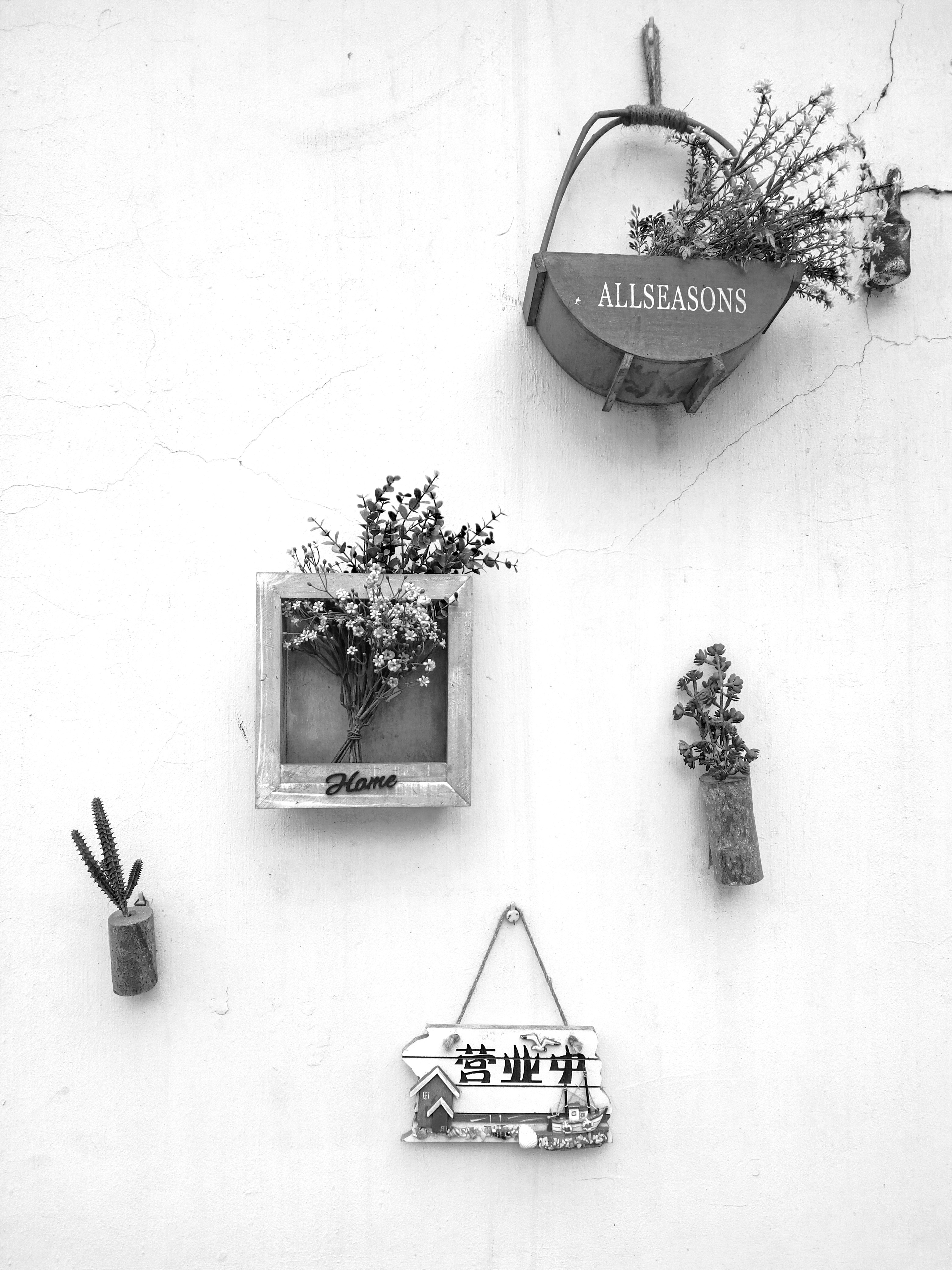
Introduction to DIY Home Decoration
DIY home decoration has become an increasingly popular approach for individuals seeking to enhance their living spaces without incurring significant expenses. The concept revolves around the idea that many decorative projects can be done independently, allowing homeowners to exercise their creativity while simultaneously saving money on professional services. This approach not only provides cost-effectiveness but also facilitates personalization, enabling individuals to reflect their unique tastes and styles within their homes.
One of the primary advantages of engaging in DIY home decoration is the ability to create a customized atmosphere that resonates with one’s personality. Each project offers a platform to explore new ideas, experiment with color schemes, and incorporate elements that matter most to the homeowner. Whether it’s crafting handmade decorations, upcycling old furniture, or introducing natural elements through houseplants, the possibilities are vast. By taking on these tasks, individuals can transform ordinary spaces into inviting and aesthetically pleasing environments that truly feel like home.
Moreover, DIY home decoration promotes sustainability through the repurposing of existing materials and items. This practice not only reduces waste but also encourages innovative thinking about resource utilization. As individuals tend to approach each project with a mindset of creativity, they often uncover hidden potential in everyday objects and materials found around their homes. In essence, this method fosters an environment where imagination and craftsmanship thrive, resulting in unique decor that stands as a testament to one’s efforts.
In this blog post, we will delve into nine budget-friendly DIY home decoration ideas that illustrate how transforming your space is entirely achievable. These ideas will empower readers to embrace their creativity while managing expenditures effectively, paving the way for a refreshed and personalized home atmosphere.
Choosing the Right Style for Your Home
When embarking on a DIY home decoration project, one of the first decisions to make is the overall style that resonates with your personal taste and complements your home’s existing architecture. Each style—be it modern, rustic, bohemian, or minimalist—offers a unique flavor, allowing for varied expressions of creativity and individuality. Understanding these styles can help you make informed choices that enhance the aesthetic of your living spaces.
The modern style is characterized by its clean lines, neutral color palettes, and a focus on functionality. It often incorporates materials such as glass, metal, and wood, creating a chic and sophisticated atmosphere. If your home features contemporary architecture, incorporating modern decor elements can create a seamless look, making spaces feel invigorating and current.
Alternatively, if you are drawn to warmth and nostalgia, the rustic style might be more suitable. This design tends to embrace natural materials, such as reclaimed wood and stone, offering a cozy and inviting ambiance. Rustic decorations can significantly enhance homes with traditional frameworks, integrating elements such as vintage furniture and earthy color schemes to evoke a sense of comfort.
The bohemian style, in contrast, is perfect for those who appreciate artful layering and eclectic design. This trend encompasses vibrant colors, diverse patterns, and an array of textures, providing an expressive and visually stimulating environment. For homeowners with a free-spirited approach to design, bohemian decor can effortlessly transform a space into a personal haven, reflecting unique experiences and passions.
Lastly, the minimalist style emphasizes simplicity and decluttered spaces. Predominantly using a restrained color palette, this approach fosters tranquility and reduces stress. It is beneficial for any home design that values open space and fewer distractions. By thoughtfully selecting decor items that serve both functional and aesthetic purposes, minimalist designs can enhance any interior’s appeal.
Ultimately, choosing the right style for your home involves a balance between personal preference and architectural coherence. Experimenting with different styles through small DIY projects can aid in identifying what resonates most, allowing your home to reflect your vision beautifully.
Budgeting for Your DIY Projects
Embarking on DIY home decoration projects can be an exciting and fulfilling experience, but it is crucial to establish a budget before diving into any creative endeavor. Effective budgeting for DIY projects helps ensure that you remain financially responsible while still achieving the desired aesthetic for your home. By carefully calculating costs and prioritizing projects, you can avoid overspending and successfully execute your ideas within financial constraints.
To begin, it is essential to assess your overall budget and determine how much you can allocate to DIY projects. This should include not only the cost of materials but also tools and additional expenses such as paint, adhesive, and decorative elements. Start by making a list of all the materials needed for your projects, then research their prices to get a clearer understanding of potential costs. Online resources, local hardware stores, and second-hand shops can be valuable for finding budget-friendly options without compromising quality.
Prioritizing your projects is another key aspect of effective budgeting. Consider which decorations will have the most significant impact on your space while being mindful of costs. Focus on a few high-priority projects, and then expand your list as funds allow. Setting clear goals can help you stay motivated and on track with your spending, allowing you to tackle one project at a time rather than feeling overwhelmed by numerous ideas.
Lastly, explore affordable alternatives to traditional materials. Reclaimed wood, thrifted items, and environmentally friendly supplies can help reduce expenses while adding unique character to your decor. By thinking creatively and remaining flexible, you can transform your home into a beautiful space that reflects your personal style without breaking the bank. With thorough budget planning, your DIY dreams can become a tangible reality.
Essential Tools for DIY Home Decoration
Undertaking DIY home decoration projects can be both exciting and rewarding, especially when you have the right tools at your disposal. Having a well-equipped toolkit is pivotal for not just enhancing your creative output, but also ensuring that each project is executed efficiently and effectively. Below is a comprehensive checklist of essential tools needed for various DIY endeavors, along with budget-friendly options.
Starting with the basics, every DIY enthusiast should have a set of hand tools including a hammer, screwdrivers, pliers, and a tape measure. These tools form the foundation of any toolbox and can be employed for a variety of tasks, from hanging wall art to assembling furniture. When selecting these tools, prioritize quality; investing in durable options may help you save money in the long run.
In addition to hand tools, a power drill is invaluable for many home decoration projects. Whether you are drilling holes for screws or even creating wall shelves, a cordless drill can significantly expedite the process. Many budget-friendly options are available that provide excellent functionality without breaking the bank.
For those interested in crafting or applying decorative finishes, a set of brushes in varying sizes is essential, as is high-quality painter’s tape. Brushes help in achieving finely detailed tasks, while painter’s tape ensures clean lines and prevents paint from straying onto unwanted surfaces. Furthermore, a cutting mat can protect your work surfaces and provide a stable foundation for precision cutting.
Finally, specialized tools such as a level and a miter saw can enhance the quality of your DIY projects. A level ensures that your decorations hang straight and appear professional, while a miter saw can help you achieve precise cuts for wooden pieces or frame construction. By equipping yourself with these essential tools, you can approach your DIY home decoration projects with confidence and creativity.
Space Considerations: Making the Most of What You Have
When embarking on DIY home decoration projects, one of the primary considerations is the available space. Understanding how to optimize your layout can significantly enhance the functionality and aesthetic appeal of your environment. This involves assessing the dimensions of each room and identifying potential spaces that often go unnoticed. For smaller areas, it’s essential to think creatively and utilize vertical space effectively. This can be accomplished with shelves that climb the walls or hanging plants that draw the eye upward, thus creating a sense of depth and openness.
Another key strategy is to focus on multifunctional furniture. Items like ottomans with storage, foldable desks, or sofa beds can transform small spaces and eliminate clutter. For instance, a well-placed bench with built-in storage can serve as seating while providing a hidden area for books or toys. This solution not only saves space but also promotes organization. Additionally, consider the flow of the space; ensuring that movement through the area is not obstructed is crucial for enhancing both comfort and aesthetics.
Moreover, color plays a significant role in how a space is perceived. Lighter shades can make an area feel more expansive, while thoughtful color choices on walls or furniture can create focal points that draw attention away from any limitations in size. Using mirrors is another effective technique to enhance the visual appeal of your space. By reflecting light and adding depth, mirrors can make even the smallest rooms appear larger and more welcoming.
Ultimately, planning your DIY projects around the unique characteristics of your home allows for a more tailored approach. By taking the time to assess your space, you can create a harmonious environment that reflects your personal style while maximizing the functionality of each area.
Creating the Right Atmosphere
Transforming a home into a space that reflects personal style and evokes emotional responses involves careful consideration of various decorative elements. One of the fundamental aspects of setting the desired atmosphere is the effective use of color schemes. Colors have the power to influence mood significantly; for instance, warm hues such as reds and oranges can create an energizing and inviting environment, while cooler shades like blues and greens promote serenity and calmness. When selecting a color palette, consider not only the colors themselves but also how they interact with one another and the natural light within the space.
Another vital element in creating the right atmosphere is lighting. The way a room is illuminated can dramatically affect its ambiance. Incorporating a mix of lighting sources, such as overhead fixtures, floor lamps, and accent lights, can add depth and interest to a room. For instance, dimmable lighting provides versatility, allowing you to adjust the brightness according to the time of day or the mood you wish to establish. Additionally, the use of warm white bulbs over cool white can lead to a cozier feel, perfect for relaxing spaces like living rooms or bedrooms.
Accessories are also instrumental in enhancing the atmosphere of a room. Decorative items such as cushions, curtains, art, and plants can introduce texture, pattern, and color, adding layers to the overall design. For instance, incorporating natural materials such as wood or textiles can evoke a sense of comfort and warmth. Similarly, personal items or travel souvenirs can imbue a space with character, making it more relatable and inviting. By thoughtfully selecting and arranging these elements, one can curate a harmonious environment that resonates with the desired mood, making each space a true reflection of one’s personal taste and lifestyle.
DIY Project Ideas: Step-by-Step Guides
Embarking on a DIY home decoration project not only enhances your living space but also allows for creative expression, all while staying within budget. Below, we outline a selection of popular DIY decoration ideas complete with step-by-step instructions, estimated costs, required tools, and time commitments.
1. Upcycling Furniture
Transform an old wooden chair into a stunning focal point. Begin by stripping the current paint or finish using a paint stripper, which costs around $10. Sand the surface to smooth any imperfections. Paint the chair with your choice of a vibrant color or even a classic white. Finally, seal the paint with a clear topcoat for durability. This project will take approximately 3-4 hours, including drying time.
2. Creating Wall Art
Wall art can personalize a room effortlessly. Gather materials such as canvas, paint, and brushes, which typically costs about $25. Start by applying a base layer of paint on the canvas, then experiment with splatters, stencils, or brush techniques to create unique designs. This project is expected to take around 2-3 hours and can be tailored to any skill level.
3. Crafting Home Accessories
Making decorative pillows is an enjoyable way to add color to your sofa. You will need fabric, a sewing machine, and stuffing, costing approximately $30. Measure and cut your fabric into two identical squares, sew them together, leaving one side open. Fill the pillow with stuffing and close the last side. This project can be completed in about 1-2 hours, perfect for beginner sewers.
These projects represent just a few of the myriad ways you can utilize DIY home decoration to infuse personality into your space. Each task offers opportunities to master new skills while being cost-effective, ensuring your home reflects your style beautifully.
Innovative Upcycling Techniques for Home Decor
In recent years, upcycling has emerged as a popular trend in home decoration, allowing homeowners to transform old and unused items into unique decor pieces. This creative approach not only adds a personal touch to your living space but also promotes sustainability by reducing waste. By reimagining household items, individuals can save money while showcasing their artistic flair.
One effective technique in upcycling is the transformation of old furniture. A simple coat of paint can breathe new life into an outdated chair or table. Consider using chalk paint for a matte finish that retains a rustic charm. Additionally, replacing hardware or adding decorative elements, such as stencils or fabric, can create stunning focal points in any room. For a more whimsical touch, try reupholstering chairs with vibrant fabrics or patchwork designs, turning each piece into a conversation starter.
Textiles also provide ample opportunities for upcycling. Old curtains can be repurposed into cushion covers, while worn-out bed linens can become wall art when stretched over a canvas frame. Creating a quilt from mismatched fabric pieces not only adds color to a space but also serves as a practical item for cooler nights. Furthermore, using fabric remnants to craft decorative throw pillows or table runners can enhance the aesthetic appeal of your home without breaking the bank.
Other materials around the house can be upcycled, too. Glass jars, for example, can be transformed into stylish vases or candle holders, simply by applying some paint or twine. Wooden pallets can be repurposed into shelving units or coffee tables, providing functional and visually appealing storage solutions. By embracing innovative upcycling techniques, you can personalize your home decor while contributing to a more sustainable future.
Final Touches: Styling and Accessorizing Your Space
Enhancing your DIY home decoration projects involves thoughtful styling and accessorizing that can transform a basic setup into an inviting and cohesive environment. The selection of decor items plays a crucial role in ensuring that each piece contributes to the overall aesthetic of your home. When choosing decor, focus on items that resonate with your style while also matching the color palette of your project. For example, if your DIY projects lean towards rustic or vintage designs, materials such as reclaimed wood, vintage metals, or natural fibers can be ideal choices.
Placement strategies are equally important in achieving a harmonious look. When positioning items, aim for a balanced arrangement that draws the eye. Utilize the rule of thirds, which suggests dividing your decorative space into three sections. Placing key pieces in these sections helps create a dynamic visual experience. For instance, pair a large statement piece, like an oversized artwork or a chic lamp, with smaller accessories like framed photographs or decorative plants. This combination provides a focal point while preventing overcrowding.
Additionally, creating visual balance can enhance the entire decor. Consider varying the heights and shapes of your accessories—this allows for a more engaging composition. Grouping items in odd numbers tends to be more aesthetically pleasing, as it encourages the viewer’s eye to move across the space. Experimenting with layers, such as placing a decorative tray on a coffee table before styling it with candles or books, can also add depth and interest.
To summarize, the final touches of styling and accessorizing your DIY projects are essential in elevating the overall decor of your home. By carefully selecting decor items, employing effective placement strategies, and maintaining visual balance, you can create a beautifully cohesive and inviting space that reflects your personality and creativity.