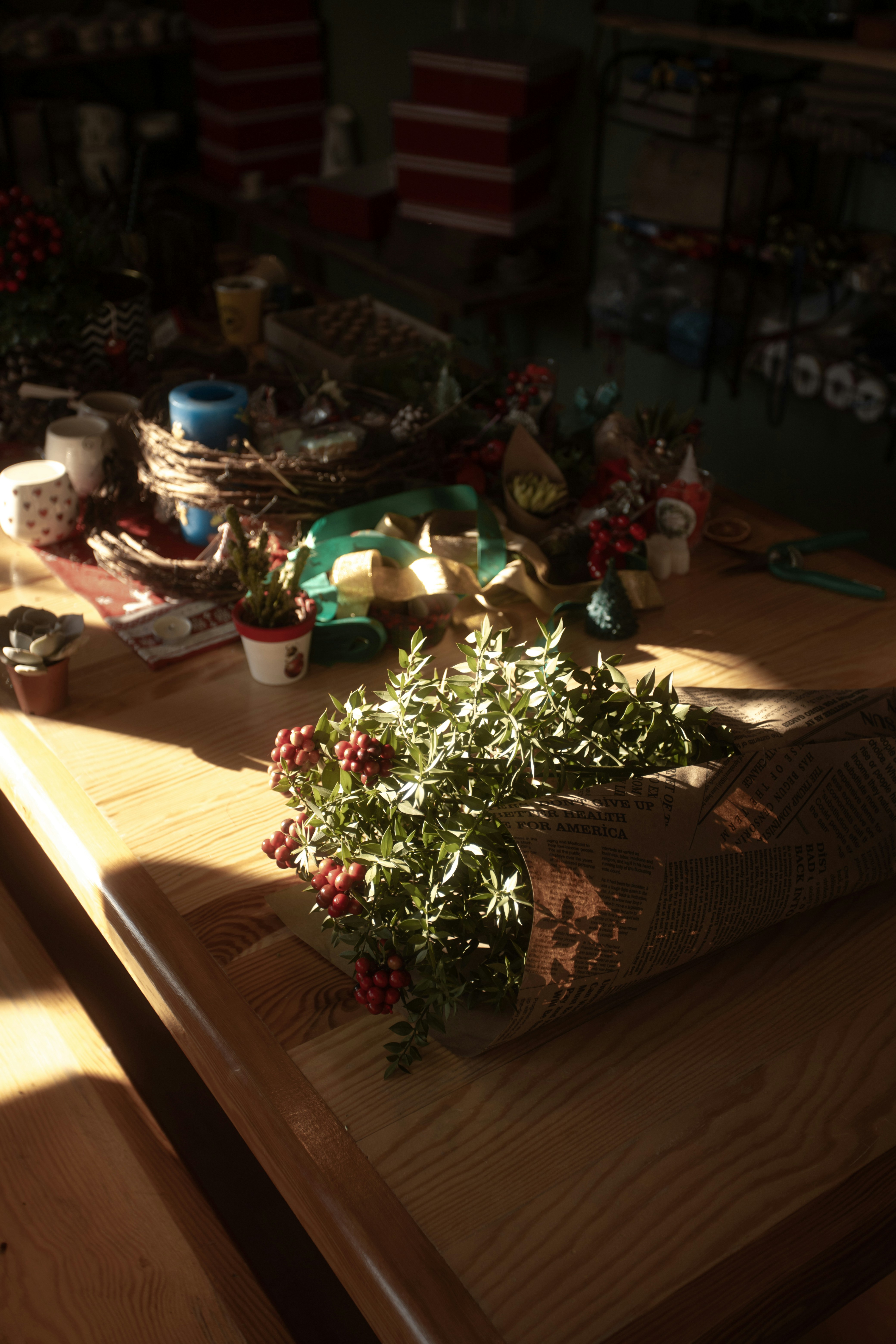
Introduction to DIY Furniture Decoration
In recent years, DIY furniture decoration has gained significant traction among homeowners and design enthusiasts alike. The growing popularity of this trend can be attributed to a multitude of factors, one of the most notable being the desire for personalized home decor. As individuals seek to create unique living spaces that reflect their personal style, the charm and satisfaction of DIY projects resonate strongly.
One of the primary advantages of engaging in DIY furniture decoration is the opportunity for creative expression. By utilizing existing furniture pieces, individuals can reimagine and transform their interiors in fresh and exciting ways. This creative process allows for the exploration of various design principles, from color theory to texture combinations, leading to designs that are as functional as they are aesthetically pleasing. Whether it is repainting a tired chair or refurbishing an antique table, DIY projects open the door to endless design possibilities.
Moreover, embarking on furniture decoration projects can lead to considerable cost savings. Instead of purchasing new furniture, which can often be prohibitively expensive, individuals can breathe new life into items they already own. This not only reduces waste but also promotes sustainability, as choosing to upcycle and refresh existing pieces minimizes the demand for new resources. Budget-friendly techniques such as painting, fabric updating, and incorporating decorative elements allow for stunning transformations without breaking the bank.
The sense of accomplishment that comes from successfully completing a DIY furniture project cannot be understated. Each piece becomes not just a functional item but a representation of personal effort, creativity, and style. This transformative aspect of DIY furniture decoration empowers individuals to make their spaces truly their own while honoring their aesthetic desires and financial boundaries.
The Importance of Sharing DIY Ideas
The act of sharing DIY ideas and projects has long been an integral part of communities, transcending geographical and cultural boundaries. It serves not only as a means of expressing creativity but also as a catalyst for forging connections and nurturing relationships among individuals. By disseminating DIY concepts, people inspire each other, cultivating an environment where innovation thrives. This is particularly true within DIY and crafting communities, where sharing becomes a core practice that enhances engagement and participation.
When individuals share their DIY journeys—be it through social media, blogs, or community workshops—it invites others to participate in the creative process. This communal sharing of ideas often results in diverse interpretations and adaptations of original concepts, which enriches the creative landscape. For many, the thrill of a new project becomes even more pronounced when they can include others in the planning and execution processes, thereby fostering collaboration. Such interactions not only boost creativity but also encourage skill development as people learn from one another’s experiences and expertise.
The cultural significance of this sharing extends to fostering a sense of belonging within these communities. Whether working on furniture decoration or small home projects, individuals often find camaraderie in shared interests and ideas. This sense of belonging can be particularly valuable in today’s increasingly digital world; it provides a space where people can escape feelings of isolation and connect over mutual passions. As members of these vibrant communities exchange thoughts and techniques, they also create networks of support that promote both personal and collective growth.
Ultimately, sharing DIY ideas is about creating a collective repository of knowledge that empowers everyone involved. Embracing this collaborative spirit not only enhances individual creativity but fortifies relationships, sustaining the vitality of crafting and DIY communities across various cultures.
Choosing the Right Furniture for DIY Projects
When embarking on a DIY furniture decoration project, selecting the right pieces is paramount to achieving a successful transformation. The first consideration should be the material suitability of the furniture you intend to refurbish. Common materials such as wood, metal, and upholstery each come with their unique advantages and challenges. For instance, wooden furniture is often favored for its versatility and ease of modification, while metal counterparts may offer durability and an industrial aesthetic. It is essential to assess whether the chosen material aligns with your envisioned style and the techniques you plan to employ during the transformation process.
The condition of the furniture also plays a critical role in your DIY project. Opting for items that are structurally sound—free from significant damage or rot—will lead to a smoother and more efficient restoration. While surface imperfections such as scratches or dents can often be remedied through refinishing or painting, extensive structural repairs may not be feasible for all DIY enthusiasts. It could be beneficial to visit second-hand shops or flea markets, where you are likely to find pieces that are both affordable and ripe for creative enhancement.
Beyond material and condition, style considerations are a vital aspect of selecting furniture for your DIY endeavors. Think critically about the aesthetic you aim to achieve. Whether you envision a rustic charm, minimalist Scandinavian design, or vibrant modern flair, the furniture pieces you choose should complement that vision. Additionally, consider how the new item will fit into your existing decor, ensuring that it contributes to a harmonious overall look. By addressing these factors thoughtfully, you will enhance the chances of a successful DIY transformation that not only meets your creative aspirations but also elevates your space.
Essential Tools and Materials for DIY Furniture Decoration
Embarking on a DIY furniture decoration project requires a range of tools and materials to achieve the desired outcome. Understanding the essential items will help streamline the process and ensure successful results. First and foremost, having a reliable set of basic tools is crucial. A high-quality paintbrush set will be necessary for applying various types of paint, stains, or finishes on furniture. Additionally, foam rollers can be useful for covering larger surfaces smoothly.
Sandpaper is another indispensable tool, as it allows for surface preparation and smoothing out imperfections. This is particularly important when working with wood, where an even surface can significantly enhance the final look. For more intricate detailing, a sanding block or an electric sander can be employed to achieve a polished finish. Measuring tools such as a tape measure and a level will help ensure precision in your projects, especially when working with furniture dimensions.
In terms of materials, paint is a primary consideration. A variety of paint types, including chalk paint, acrylic, or enamel paint, can offer different finishes and levels of durability. For reupholstering projects, selecting the right fabric is essential, as it reflects both style and functionality. Cotton, linen, and blended fabrics can provide various textures and colors to breathe new life into your furniture.
Moreover, stencils and decals can be employed to add patterns or artistic elements, making your pieces unique. Hardware such as knobs, handles, and hinges can also play a vital role in the aesthetic transformation, allowing for a modern or vintage finish. With these essential tools and materials, you will be well-equipped to undertake your DIY furniture decoration projects effectively.
Step-by-Step Guide to Popular DIY Furniture Projects
Engaging in DIY furniture projects can be a fulfilling way to revamp your living space while exercising creativity. Below are several popular furniture projects, complete with step-by-step guides to help you navigate each process successfully.
1. Painting Furniture: Painting is one of the simplest ways to refresh outdated furniture. Begin by selecting a high-quality chalk or acrylic paint. First, clean the surface thoroughly to remove any dirt or oils. Next, lightly sand the item to enhance paint adhesion. Apply a primer if necessary, especially for darker colors over lighter surfaces. After priming, use a brush or roller to apply your chosen paint, ensuring even coverage. Allow it to dry and consider a second coat for a vibrant finish. To seal your work, apply a clear topcoat, especially if the furniture will see frequent use.
2. Reupholstering Chairs: Transforming an old chair with new upholstery can dramatically change its appearance. Start by removing the current fabric and any staples or tacks carefully. Once stripped, assess the padding and replace it if necessary. Cut new fabric to size, allowing extra material for wrapping around the edges. Lay the fabric upside down, place the chair seat on top, and pull the fabric taut before stapling it securely. Finish by tucking the edges neatly and ensuring everything is smooth and tight.
3. Distressing Furniture: For a rustic look, distressing furniture adds character. Start with a clean surface and paint the furniture in a base color of your choice. Once dry, apply a contrasting color on top. After the second layer, let it dry partially before using sandpaper or an old cloth to rub off areas where wear would naturally occur, such as corners and edges. Finish with a protective wax or sealant to preserve your work, ensuring it maintains its antique charm over time.
These DIY furniture projects not only provide an enjoyable challenge but also allow you to personalize your space uniquely. The next step towards a refreshed home lies within your creativity and perseverance.
Sourcing Inspiration for Your DIY Projects
Embarking on a DIY furniture decoration project can be an exciting endeavor, and one of the most crucial steps in this journey is gathering inspiration. Various sources are available to stimulate creativity and help individuals define their style. Online platforms, social media channels, and local workshops stand out as prime avenues for inspiration.
One of the most accessible resources for DIY fans is the internet. Websites such as Pinterest and Houzz are treasure troves filled with endless images and ideas. By exploring diverse styles—ranging from minimalist to bohemian—individuals can curate boards that reflect their vision for their living space. Using these platforms allows one to visualize different arrangements, color palettes, and furniture designs, making it easier to select elements to transform their home.
Social media networks such as Instagram and TikTok have also emerged as invaluable tools for sourcing inspiration. Many creators and influencers share their DIY projects, provide tips, and showcase before-and-after transformations. By following these individuals, DIY enthusiasts can gain insights into popular trends and innovative techniques, encouraging them to experiment with their designs. Engaging with online communities fosters discussion and helps find motivation through shared experiences.
Additionally, local workshops and craft fairs offer tangible inspiration. Participating in hands-on events enables individuals to interact with materials and techniques firsthand. These workshops not only expose attendees to new ideas but also allow for real-time feedback from instructors and fellow participants. The collaborative spirit of these gatherings can inspire attendees to push the boundaries of their creativity, ultimately blending acquired skills with personal flair.
Ultimately, sourcing inspiration from various channels helps to create a well-rounded vision for DIY furniture decoration. It’s essential to seek out images, styles, and techniques that resonate with personal aesthetics, ensuring the process is both enjoyable and fulfilling.
Maintenance and Care for DIY-Decorated Furniture
Proper maintenance and care are essential for preserving the beauty and functionality of your DIY-decorated furniture. The efforts invested in creating personalized pieces can be nullified without consistent upkeep. To ensure that your furniture remains in excellent condition, consider the following practical advice for cleaning, protecting, and prolonging the life of your DIY projects.
Firstly, regular cleaning is fundamental. Use a damp cloth combined with a mild detergent to wipe surfaces regularly. Avoid harsh chemicals or abrasive materials, as they can damage the applied finishes or the underlying wood. For upholstery, gentle vacuuming and spot cleaning with appropriate fabric cleaners can help maintain the integrity of the material. Establish a routine cleaning schedule, ensuring that your furniture remains free of dust and grime.
Secondly, protection from environmental factors is critical. Consider applying a sealant or protective finish to wooden surfaces to create a barrier against scratches, spills, and moisture. This is particularly vital for surfaces exposed to sunlight, which might fade colors over time. You can also use coasters and placemats to prevent heat and moisture from impacting your DIY furniture.
Additionally, repositioning your furniture occasionally can help mitigate damage caused by uneven weight distribution or direct sunlight. If your furniture consists of upholstery or mixed materials, be mindful of the specific maintenance guidelines for each element to avoid compromising the overall aesthetics or functionality.
Lastly, addressing minor repairs promptly can prevent more significant issues down the line. Regularly inspect your furniture for loose joints or worn finishes, and conduct necessary repairs to maintain the integrity of your DIY projects. By following these guidelines, you can enjoy your beautifully decorated furniture for years to come.
Sharing Your DIY Success: Social Media and Online Communities
In today’s digital age, sharing your DIY furniture projects on social media and within online communities has become an essential aspect of the creative process. Not only does showcasing your completed projects allow you to receive feedback, but it also offers the opportunity for support and inspiration from fellow enthusiasts. Platforms such as Instagram, Pinterest, and Facebook host numerous groups specifically tailored to DIY furniture decoration, each providing a space for individuals to connect, share ideas, and celebrate their work.
When you post images and descriptions of your DIY transformations, you invite others to witness your craftsmanship and creativity. This exposure not only validates your efforts but also cultivates a sense of community among like-minded individuals who share a passion for design and creativity. Engaging in discussions about your methods, materials, and inspirations can spark valuable conversations that lead to new ideas and techniques for future projects.
Moreover, actively participating in online DIY forums or groups can help enhance your skills. By seeking advice or tips from seasoned DIYers, you may discover innovative approaches to furniture decoration that you had not previously considered. This collaborative spirit fosters an environment where knowledge and techniques are shared freely, contributing to the growth of your own skill set.
Building connections within these communities can also open doors for collaboration and networking. As you share your journey of transforming furniture, you may find opportunities for partnerships with others who appreciate and value the art of DIY. Whether you are a novice or an expert, embracing social media as a platform to display your work will not only enrich your personal experience but can also inspire and motivate others on their DIY adventures.
Conclusion: Embracing the DIY Spirit
Engaging in DIY furniture decoration is a fulfilling endeavor that not only allows individuals to express their creativity but also transforms living spaces into personal havens. The rewarding nature of DIY projects lies in the ability to take ordinary items and give them new life, often reflecting one’s unique personality and style. As furniture is repurposed or revamped, the process can also serve as a therapeutic outlet, nurturing a sense of accomplishment with every completed task. Moreover, the satisfaction of creating something with one’s own hands brings a great sense of pride.
The DIY furniture decoration community plays a vital role in this creative journey. By sharing ideas, techniques, and tips, individuals can inspire one another to embark on their projects with confidence. Online platforms and social media have significantly enhanced the ability to connect, allowing hobbyists and experts alike to showcase their work, offer tutorials, and exchange valuable insights. This collective spirit fosters a supportive environment where everyone, regardless of skill level, can learn and grow. The endless flow of inspiration encourages individuals to experiment and explore various styles, ultimately broadening their creative horizons.
As one contemplates taking on their next DIY furniture project, it is essential to remember that the journey is just as important as the destination. Embracing imperfections and being open to learning can lead to unexpected and delightful outcomes. Therefore, let this be an invitation to dive into the world of DIY furniture decoration. Revel in the process, take joy in creating, and continue to share your discoveries with others. The possibilities are limitless, and the community awaits your contributions with open arms, ready to celebrate each individual’s unique creations.