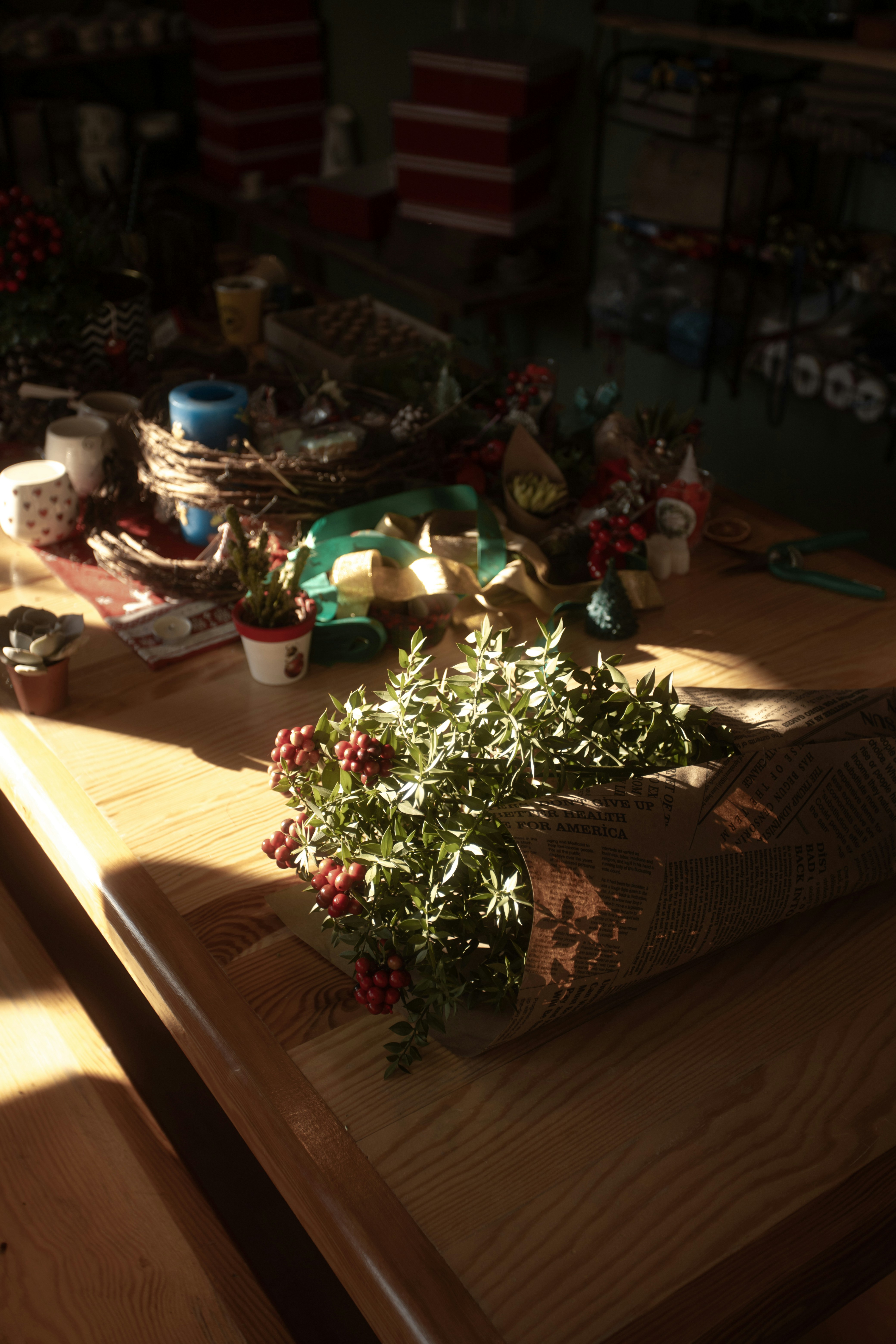
Introduction to DIY Furniture Decoration
In recent years, the trend of DIY furniture decoration has gained significant momentum among homeowners and renters who seek to infuse their living spaces with a personal touch. This movement encourages individuals to engage with their furniture in a creative manner, transforming ordinary pieces into unique and expressive elements of home decor. The appeal of DIY furniture decoration lies not only in its ability to enhance personal aesthetics but also in the various benefits it offers, making it a popular choice for many.
One of the main advantages of DIY decoration is cost-effectiveness. By opting to repurpose or refurbish existing furniture, individuals can save money while avoiding the high expenses often associated with purchasing new items. Furthermore, this approach allows for the allocation of resources toward other elements of home improvement. With a plethora of tutorials and ideas available online, it has never been easier for DIY enthusiasts to explore different techniques and materials, empowering them to embark on their decorating journey with confidence.
Additionally, the uniqueness factor cannot be overstated. Each DIY project gives individuals the opportunity to create truly one-of-a-kind pieces that reflect their personal style and taste. Unlike mass-produced furniture, which may lack character and individuality, customized items can embody personal stories and experiences, thereby enriching the overall ambiance of a space. This personalization can foster an emotional connection to the furniture, contributing to a sense of belonging within one’s home.
Lastly, the satisfaction derived from crafting a piece of furniture through DIY methods is transformative. The process of designing and creating, even in small ways, can lead to increased self-esteem and fulfillment. Engaging in DIY activities fosters creativity and offers an avenue for self-expression, ultimately leading to a greater appreciation for the one’s living environment.
Essential Tools and Materials for DIY Projects
Engaging in DIY furniture decoration requires a strategic selection of tools and materials that suit the scope of your projects. A comprehensive toolkit is essential not only for efficiency but also for achieving high-quality results. Fundamental tools include brushes, which come in various sizes to cater to different paint applications and finishes. A quality brush can make a significant difference in the overall appearance of your work. Furthermore, sanders are critical for smoothing surfaces and prepping wood for painting or staining. Both handheld and electric sanders are viable options, depending on the size of the project. Additionally, wood glue is indispensable for assembling furniture pieces, ensuring durability and stability.
When it comes to materials, paints and stains take center stage in furniture decoration projects. Selecting the right type of paint is vital; if you’re working with wooden furniture, oil-based paints offer a robust finish while water-based paints are easier to clean and more eco-friendly. Stains, on the other hand, help preserve the natural look of wood while enhancing its grain, lending a professional touch to your project.
Fabrics also play a significant role, especially for upholstered furniture pieces. Consider materials that harmonize with the rest of your décor, and look for options that are durable and easy to clean, enhancing the longevity of your projects. It is crucial to opt for sustainable and eco-friendly choices, such as low-VOC (volatile organic compounds) paints and organic fabrics. These materials not only contribute to a healthier indoor environment but also adhere to environmentally conscious practices. In terms of selection, prioritize quality over cost, as investing in reliable tools and materials will yield better results and ensure a successful DIY furniture decoration experience.
Popular DIY Techniques for Furniture Decoration
Transforming furniture through DIY projects has gained popularity as a creative outlet, allowing individuals to personalize their living spaces. Several effective techniques can be employed to refresh or entirely change the look of furniture pieces, making them an integral part of any home decor. This section will explore some of the most popular methods: painting, reupholstering, decoupage, and distressing.
One of the simplest and most impactful ways to revitalize furniture is through painting. This method allows for a broad spectrum of color options and finishes, from glossy to matte. To begin, it is essential to clean the surface of the furniture thoroughly, ensuring that all dust and grime is removed. Primer may be applied to enhance the adhesion of paint. Once the primer has dried, choose high-quality paint suitable for furniture, and apply it in thin, even coats using a brush or roller. Allow each coat to dry before adding additional layers to achieve the desired color depth.
Reupholstering is another popular technique, particularly for upholstered furniture. This process involves removing the existing fabric and replacing it with a new, more appealing material. Begin by taking apart the current upholstery, carefully unfastening staples or tacks. Next, choose a durable fabric that complements your interior design. After cutting the new fabric to size, stretch it over the foam or padding, securing the edges with a staple gun. Reupholstering not only enhances aesthetics but also restores the functionality and comfort of the furniture.
Decoupage is a unique craft that involves applying decorative paper or fabric onto surfaces. This method allows for a wide variety of creative expressions, such as using patterned paper to cover a tabletop. To execute this technique, start with a clean surface, apply a layer of decoupage medium, then carefully place the paper on it. Finally, finish with additional layers of the medium for a glossy, protective seal.
Distressing is a technique used to create a weathered, vintage look. This can be accomplished by using sandpaper to wear down certain areas of painted furniture, revealing the original wood underneath. It adds character and uniqueness to each piece. A combination of these methods can further enhance the design, allowing for creative expression and personalized results.
Inspiration: Before and After Furniture Makeovers
Transforming old furniture can breathe new life into your home, and nothing illustrates this better than a series of inspiring before and after makeovers. A successful DIY furniture makeover not only enhances the aesthetic appeal of a piece but also reflects the creativity and resourcefulness of the individual undertaking the project. By examining various examples of furniture transformations, readers can gain visual inspiration and encouragement to embark on their own DIY journeys.
One popular example features an old wooden dresser that was tired and uninviting. The project involved sanding down the surface to remove years of wear and tear, followed by applying a fresh coat of paint in a soft, contemporary hue. To add character, new hardware was sourced, transforming the dresser from a basic piece into a stylish statement item. Challenges such as dealing with stubborn paint and ensuring an even finish were overcome with patience and the right tools.
Another compelling transformation showcases an outdated coffee table. Initially, its dark stain made the living room feel heavy and unwelcoming. The DIY enthusiast decided to lighten the room with a bright white finish. A stencil was utilized to add a playful design to the tabletop, providing a modern touch. The project required careful planning and execution, particularly in achieving a smooth application without compromising the table’s original structure.
Additionally, a well-loved but worn-out armchair underwent a stunning revival with new upholstery. Selecting a vibrant fabric brought contemporary flair to the classic design. The process involved removing the old fabric, which was a meticulous task, but ultimately, the effort was rewarded with a vibrant result that became a focal point in the living space. With each example, it is clear that the possibilities for DIY furniture makeovers are limitless, paving the way for endless creativity in home decoration.
Budget-Friendly DIY Furniture Projects
Engaging in DIY furniture projects not only provides a creative outlet but also allows individuals to furnish their homes within a budget. There are numerous budget-friendly ideas that cater to various skill levels, making it possible for anyone to participate in the joy of upcycling or creating new furniture pieces.
One popular project involves transforming old wooden pallets into stylish coffee tables or outdoor seating. This project is ideal for beginners, as it requires minimal tools and can be completed in a short amount of time. Simply sand down the pallets, apply a coat of paint or wood stain, and assemble the pieces to create functional furniture. Moreover, pallets are often available for free or at a very low cost, making this an economical choice.
Another excellent project is repurposing an old dresser into a chic TV stand or storage unit. By removing the top drawers and placing the TV on the surface, homeowners can create a unique focal point for their living room. This transformation may include a fresh coat of paint or new hardware to personalize the piece. Additionally, adding baskets or decorative boxes within the remaining drawers can enhance functionality while maintaining a cohesive design.
If you have some basic sewing skills, consider updating your upholstered furniture with new fabric. Reupholstering a chair or sofa can significantly change the overall look of a room. Selecting patterns or colors that complement the existing decor can also rejuvenate the space. Furthermore, myriad online tutorials guide you through the process, making it accessible even for those with limited experience.
For those interested in small projects, crafting decorative shelving from reclaimed wood creates both storage and aesthetic appeal. These shelves can feature various designs, such as floating or bracketed, and can be customized to fit personal tastes. By exploring these budget-friendly DIY furniture projects, individuals can enhance their living spaces without overspending, thereby embracing a sustainable lifestyle.
Sharing Your DIY Projects Online
In the digital age, sharing your DIY furniture decoration projects online has become a fundamental aspect of the creative process. Not only does it allow you to showcase your work, but it also fosters a sense of community among fellow enthusiasts. Social media platforms and specialized DIY forums provide the perfect stage to display your innovations, receive feedback, and inspire others. Instagram, Pinterest, and various DIY communities are particularly effective for presenting your projects to a broader audience.
To create eye-catching presentations of your work, consider the following practical tips for photography and descriptions. First, ensure you have good lighting when capturing your projects; natural light can enhance the colors and textures of your furniture. Use a clean background to eliminate distractions, and opt for multiple angles to showcase different aspects of your design. Close-up shots can highlight intricate details while wider shots contextualize your work within your home, allowing viewers to envision how such pieces may complement their spaces.
Accompany your images with engaging descriptions that tell the story behind your DIY project. Share your inspiration, the challenges you faced, and any special techniques you employed. This not only enriches the viewer’s experience but also establishes a connection between you and your audience. Hashtags play a crucial role in increasing the visibility of your posts; use specific tags related to DIY furniture decoration to reach individuals searching for similar content.
When it comes to choosing the right platforms, Instagram stands out for its visually driven nature, while Pinterest is excellent for idea curation. DIY forums provide a communal space for discussion and learning. By utilizing these platforms effectively, you can cultivate a thriving online presence, making your DIY furniture projects not just personal achievements but sources of inspiration for others.
Building a Community of DIY Enthusiasts
Engaging with a community of DIY enthusiasts can significantly enhance one’s creative experience in furniture decoration and other projects. These communities, which can be found locally through workshops or globally in online platforms, offer a support network that fosters both inspiration and motivation. By collaborating with like-minded individuals, participants can share their projects, ideas, and challenges, creating an environment conducive to creativity.
Joining a local DIY workshop can provide hands-on learning experiences, where participants can demonstrate techniques and share tips on various furniture decoration methods. In these settings, novices can gain valuable insights from seasoned veterans, who often share their past experiences, lessons learned, and favorite resources. Moreover, local workshops can lead to opportunities for collaboration on larger projects and foster friendships that extend beyond the realm of DIY.
In addition, online groups and social media platforms serve as vibrant communities, where DIY enthusiasts can connect regardless of geographical limitations. Platforms like Pinterest, Facebook, and Instagram provide spaces for individuals to showcase their work, exchange advice, and participate in challenges or contests. Through these outlets, members can discover new trends in furniture decoration, find inspiration in diverse styles, and even access tutorials that make complex projects more manageable.
Moreover, the diverse perspectives that come from sharing experiences within these communities can greatly broaden the creativity of individuals. Participants can find unique ways to repurpose materials, explore various design aesthetics, and develop their personalized styles through collective brainstorming. This sharing of knowledge allows for resource pooling where members can suggest buying locations for affordable materials, tools, or even recommend local artisans. Ultimately, forming or joining a DIY community creates an essential support structure that enriches the creative journey and enhances the overall DIY experience.
SEO Tips for Your DIY Furniture Blog
When creating a blog focused on DIY furniture decoration, integrating effective SEO strategies is essential for enhancing visibility and attracting readers. By focusing on relevant keywords, you can optimize your blog posts to ensure they reach a larger audience. Begin by conducting keyword research to identify the most relevant terms associated with DIY furniture. Keywords like “furniture upcycling,” “DIY home decor,” and “creative furniture ideas” can help you connect with potential readers. Use tools like Google Keyword Planner or Ubersuggest to discover popular search terms within your niche.
Writing effective titles and meta descriptions is another crucial aspect of SEO. Titles should be engaging and informative, integrating your primary keywords naturally. For instance, a title could be “10 Creative DIY Furniture Ideas to Transform Your Home.” This not only attracts readers’ attention but also informs search engines about the content of your post. Meta descriptions should provide a concise summary of the article, including relevant keywords, to encourage users to click through from search engine results. Aim for around 150-160 characters to maintain visibility without truncation.
In addition to keywords and metadata, producing engaging content is vital for retaining readers’ attention and encouraging regular visits to your blog. High-quality blog posts on DIY furniture decoration should include practical tips, step-by-step instructions, and creative inspiration. Incorporate images showcasing your furniture projects throughout the article to make it visually appealing. Remember to write in a conversational tone to foster a connection with your readers. By providing valuable and engaging content, you not only improve the chances of attracting search engine traffic, but you also establish your credibility within the DIY furniture community.
Conclusion: The Joy of DIY Furniture Decoration
Engaging in DIY furniture decoration offers a multitude of benefits that extend beyond mere aesthetics. One of the primary advantages is the opportunity for creativity. By embarking on DIY projects, individuals are not just redecorating their homes; they are expressing their unique styles and preferences. This creative outlet fosters a sense of ownership over one’s living space, allowing for customized solutions that cater to specific needs and tastes.
Additionally, DIY furniture decoration can lead to significant savings. Purchasing new furniture can be financially burdensome, especially when striving for a personalized touch. By utilizing available materials, repurposing old furniture, or combining various techniques, individuals can achieve stunning results without the hefty price tag often associated with home décor. This aspect of DIY not only makes decorating more accessible but also promotes sustainable practices, as it encourages the thoughtfulness of reusing and recycling materials.
The personal touch that comes with DIY projects cannot be overstated. Each piece of furniture becomes a reflection of the individual’s experiences and journeys. Creating items that hold personal significance instills a sense of pride, transforming a house into a home. Furthermore, engaging in these projects can be a collaborative effort, fostering connections with family and friends as they join in the creative process. Such shared experiences not only create lasting memories but also build a community of like-minded individuals who support one another in their DIY endeavors.
Overall, the joy of DIY furniture decoration lies in its ability to harmonize creativity, savings, and personalization. As individuals explore their artistic inclinations and undertake their own projects, they unlock the potential to transform their spaces while building a sense of accomplishment. As such, embracing the world of DIY can be a rewarding venture that reinvigorates not only furniture but also one’s approach to home design.