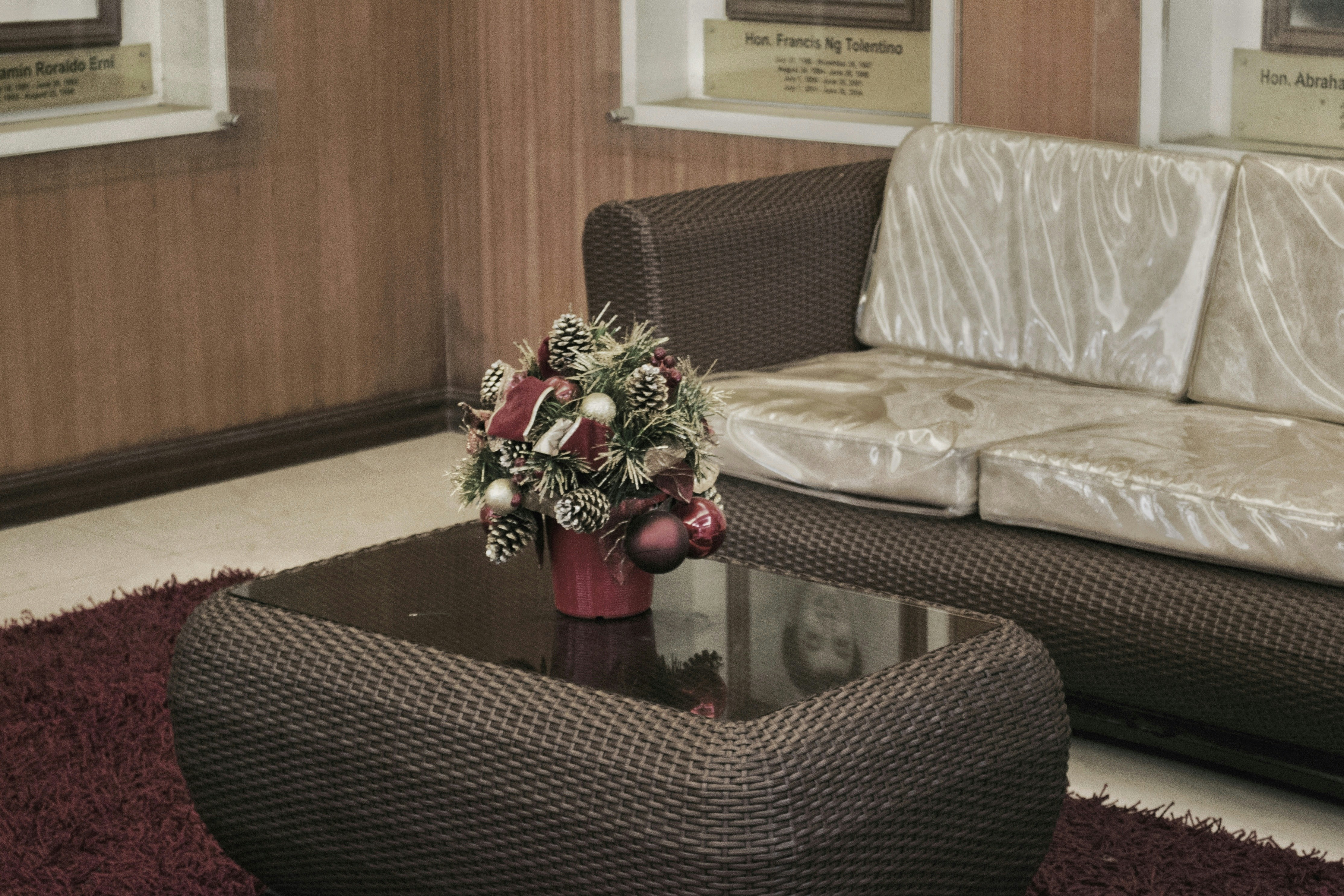
Introduction to DIY Furniture Decoration
DIY furniture decoration has emerged as a prominent trend in home decor, reflecting the desire for individuality, creativity, and sustainability in the spaces we inhabit. This approach empowers homeowners and renters alike to tailor their environments according to personal tastes and requirements, transforming ordinary furniture pieces into unique, expressive elements of design. The significance of personalization in home decor cannot be overstated; it allows individuals to create spaces that resonate with their lifestyle and preferences.
One of the primary benefits of engaging in DIY furniture decoration is the substantial cost savings it offers. Rather than purchasing new, often expensive furniture items, transforming existing pieces or creating new ones from accessible materials can minimize expenses significantly. With just a splash of paint, some hardware, or a touch of upholstery, one can revitalize outdated or worn-out furnishings, leading to both financial and emotional satisfaction. Moreover, the sense of accomplishment that comes from completing a DIY project is invaluable, fostering a deeper connection to one’s home.
Beyond financial advantages, undertaking DIY projects can stimulate creativity in various ways. Experimenting with different colors, textures, and styles can lead to innovative and personalized solutions that reflect individual character. This creative process can serve as an enjoyable and fulfilling outlet, making home decoration a rewarding journey rather than a chore. Additionally, many DIY furniture decoration projects promote sustainability by encouraging the reuse and recycling of materials. This aspect aligns well with contemporary values regarding environmental consciousness, making DIY a socially responsible choice.
In summary, DIY furniture decoration presents an array of opportunities for personal expression, economic savings, and sustainability. By embracing this creative endeavor, individuals can transform their living spaces into true reflections of their identity, enhancing both the beauty and functionality of their homes.
Choosing the Right Furniture for Your DIY Projects
When embarking on a DIY furniture decoration project, selecting the right pieces is paramount to achieving a successful outcome. The ideal furniture should not only fit your design vision but also provide the foundation necessary for enhancement. A crucial consideration to keep in mind is the material of the furniture. Common materials used in furniture production include wood, metal, plastic, and upholstered fabrics, each offering distinct characteristics that affect both aesthetics and durability. For example, solid wood often provides robust structural integrity, making it excellent for various DIY alterations, while metal furniture can deliver a modern touch along with long-lasting durability.
Alongside material, evaluating the structural integrity of the furniture is essential. Any piece that is not sturdy may not withstand the demands of a DIY transformation. Before committing to a specific item, inspect joints, stability, and any signs of wear. Such attention to detail will ensure that your efforts in decoration will yield a functional, lasting piece. If you’re venturing into upcycling secondhand furniture, being discerning about its initial condition can save time and frustration. Look for items that require minimal repairs or can be easily enhanced, which tends to lead to a more enjoyable and less time-consuming project.
Current trends should also inform your choices. The popularity of mid-century modern or rustic styles may guide what pieces to pursue, providing inspiration for customization. Local thrift stores, flea markets, and online marketplaces are excellent resources for finding unique pieces that may just require a bit of creativity to transform. By focusing on durable, trend-friendly items, you can maximize the enjoyment and impact of your DIY furniture decoration endeavors.
Essential Tools and Materials for DIY Furniture Decoration
Embarking on a DIY furniture decoration project requires a foundation of essential tools and materials. These items not only enhance the effectiveness of the creative process but also ensure safety and efficiency. Initially, one should consider acquiring basic tools, such as a reliable paintbrush set, foam rollers, and sponges, to facilitate smooth painting applications. For precision in detailing, angled brushes can be beneficial. Additionally, scissors or craft knives will assist in cutting stencils or fabric, enabling a more customized approach to decorating.
Another vital item in your toolkit is sandpaper, particularly if you’re reworking previously finished furniture. Sanding down surfaces smooths imperfections and helps paint adhere properly, yielding a professional-looking finish. Depending on the project’s scope, you may also want to invest in a power sander, which can significantly reduce time spent on sanding compared to manual methods.
When it comes to materials, the importance of quality paint cannot be overstated. Selecting appropriate paint types, such as chalk paint or acrylic for furniture, will make a notable difference in both durability and aesthetics. Furthermore, consider purchasing sealants or varnishes to protect the final product, prolonging its lifespan and maintaining its beauty. If incorporating stencils, ensure you have a variety of designs and sizes to suit diverse styles.
For those exploring fabric upholstery, having a sewing kit with essential items like thread, needles, and fabric glue will be invaluable. Likewise, acquiring safety gear—such as masks and goggles—will protect your health during painting or sanding tasks. Lastly, developing smart storage solutions for your tools and materials, such as a designated toolbox or shelving unit, will provide an organized space and easy access to everything you need. Establishing this essential toolkit will set the stage for a successful DIY furniture decoration experience.
Creative Painting Techniques for Furniture Makeovers
When it comes to reimagining your furniture, creative painting techniques can play a pivotal role in transforming old pieces into fresh, eye-catching accents for your living space. Each technique brings its unique flair, allowing for endless possibilities in terms of style and aesthetics.
One popular method is distressing, which creates a vintage, weathered look perfect for furniture that aims to convey a rustic charm. To achieve this, begin by applying a base coat of your desired color. Once dried, use sandpaper to gently rub down areas that would naturally wear, such as edges and corners. This method not only enhances the character of the furniture but also helps to highlight any underlying paint colors or wood grain.
Ombre painting, on the other hand, provides a serene gradient effect by blending two or more colors. Start by painting the bottom half of your furniture with the darker shade and gradually blend it into the lighter shade as you move up. This technique can create a stunning focal point in a room, ideal for dressers or side tables.
Sponging is another creative approach, adding texture and depth to flat surfaces. To execute this style, dip a sea sponge into your chosen paint color and gently dab it onto the furniture’s surface. Layering different colors can enhance the visual interest and bring a tactile quality to the piece, making it perfect for accent chairs or cabinets.
Finally, chalk painting remains a favorite among DIY enthusiasts for its matte finish and ease of use. This type of paint adheres to almost any surface without the need for sanding or priming, making it an ideal choice for quick makeovers. Apply a couple of coats, then seal with a clear wax or polyurethane for durability and a soft sheen.
By experimenting with these creative painting techniques, you can breathe new life into your furniture. Whether you’re transforming a vintage find or updating a tired piece, these methods allow for personalized expression and the opportunity to make each item truly unique.
Upholstery: A DIY Guide to Revamping Furniture
Upholstery is a transformative method that allows individuals to breathe new life into their furniture. Whether you aim to refresh an old chair or give your living room sofa a stylish update, reupholstering can be a rewarding DIY project. The first step in the upholstery process is selecting the right fabric. Consider the durability, texture, and color of the material to ensure it aligns with your aesthetic preferences and the furniture’s intended use. High-traffic furniture may benefit from more robust fabrics, while softer textiles can be used for accent pieces.
Once you’ve chosen your fabric, accurately measuring the furniture is crucial. Begin by removing any existing upholstery to assess the underlying structure. Use a tape measure to determine the length and width of each section that needs covering, ensuring to add extra material for seams and tacking. It’s advisable to take notes and create a visual diagram of the furniture, which will help in planning how the fabric will fit together seamlessly when you begin reupholstering.
Now, gathering the right tools is essential for a successful upholstery project. Staple guns, scissors, and fabric glue are just a few items you will need. A foam cutter can also be helpful if you’re updating cushions. For first-timers, it’s advantageous to start with smaller items, such as chairs, before tackling larger pieces. Slipcovers can offer an alternative approach to upholstery, allowing for easy cleaning and a quick style update. They can be purchased or made from fabric that matches your decor.
In addition, revitalizing cushions can add comfort and style to your furniture. To enhance existing cushions, replace the stuffing or cover them with fabric that complements your new upholstery. This process allows for personalization and a perfect fit in any room. By investing time and effort, upholstery can significantly enhance the aesthetics and longevity of your furniture, making it a worthwhile DIY venture.
Fixtures and Accessories: Adding the Finishing Touches
When it comes to DIY furniture decoration, the notion of fixtures and accessories plays a pivotal role in transforming ordinary pieces into extraordinary focal points. These small yet impactful elements can enhance the aesthetic appeal of your furniture while also reflecting your personal style. One of the most effective methods to revitalize a piece is by changing out hardware such as knobs and handles. Upgrading to modern, stylish options can breathe new life into kitchen cabinets or dressers, making them appear more contemporary and eye-catching.
Another creative approach involves the use of decorative stencils. This technique allows for the introduction of intricate designs and patterns onto furniture surfaces, giving the illusion of more elaborate craftsmanship. Stenciled motifs are perfect for those looking to incorporate a unique flair into a piece without the commitment of a full paint job. With a variety of stencil designs available—from floral patterns to geometric shapes—there is an option suited for every taste and decor style.
Decoupage is yet another innovative method that can significantly enhance furniture aesthetics. By adhering decorative paper or fabric cutouts onto furniture surfaces and sealing them with a clear finish, one can achieve a layered, textured appearance that stands out. This technique is particularly effective for artists and crafters who wish to personalize their furniture with meaningful images or textures, making each piece truly one-of-a-kind.
Ultimately, it is essential to remember that the art of DIY furniture decoration is about making impactful changes that resonate with your unique aesthetic. By thoughtfully incorporating fixtures and accessories, you can elevate your furniture decor and create a space that truly reflects your style. The transformation often lies in the details, proving that small changes can yield significant results.
Incorporating Sustainable Practices into Your DIY Projects
In today’s world, the significance of sustainability extends across various domains, including DIY furniture decoration. Embracing eco-friendly practices not only benefits the environment but also elevates the quality and aesthetics of your projects. One effective approach is to focus on upcycling and repurposing materials, which involves giving new life to old or unused items. This method minimizes waste and reduces the demand for new resources, making it a pivotal aspect of sustainable DIY practices.
For instance, old furniture can be transformed through a bit of creativity and effort. A wooden pallet can serve as the foundation for coffee tables, while antiquated doors can be converted into stylish headboards. By repurposing such materials, you not only save money but also contribute to reducing landfill waste. Furthermore, the uniqueness of these pieces often adds character and charm to your décor.
Another essential element of sustainable DIY projects is the selection of eco-friendly paints and finishes. Conventional paints often contain harmful chemicals that can emit volatile organic compounds (VOCs), posing risks to both health and the environment. Opting for low-VOC or natural paint alternatives ensures that your decorating efforts do not compromise air quality or overall sustainability. Additionally, using natural finishes like beeswax or linseed oil can enhance the durability of the furniture while maintaining a commitment to environmentally responsible practices.
Moreover, sourcing local materials can strengthen the sustainability of your projects. By purchasing from local artisans or stores, you reduce the carbon footprint associated with transportation. Additionally, supporting local economies fosters community relationships and can often yield higher-quality materials that are better suited for your projects. By integrating these sustainable practices into your DIY furniture decoration efforts, you contribute positively to the environment while creating stunning and personalized pieces for your space.
Documenting Your DIY Journey: Tips for Sharing Your Work Online
In the age of social media, sharing your DIY projects online has become a popular avenue for connecting with like-minded individuals and showcasing personal creativity. To effectively document your DIY journey, it is crucial to utilize strong photography techniques that capture the essence of your work. Natural lighting is paramount; shooting your projects during the daytime can enhance the vibrancy of colors and minimize harsh shadows. Additionally, using a stable surface or tripod to stabilize your camera or smartphone can result in clearer images, ensuring that your creativity is communicated effectively.
Once you have captured visually appealing images of your DIY furniture decorations, the next step is crafting engaging captions. It is important to narrate your experience and provide context to your photos. Share the inspiration behind your project, the materials used, and any challenges faced during the process. This not only enriches your audience’s understanding but also invites them into your creative world. Incorporating personal anecdotes can also create a connection, encouraging readers to engage with your content more deeply.
Incorporating relevant hashtags is a pivotal strategy for reaching a wider audience. This practice allows your DIY projects to be seen by those who share similar interests. Research popular hashtags within the DIY community and use them judiciously to help your posts gain visibility. However, avoid overwhelming your captions with excessive hashtags; a few well-chosen ones are often more effective. Engaging with your audience by responding to comments and questions can foster a sense of community, inviting conversations and inspiration between crafters and DIY enthusiasts.
Ultimately, sharing your DIY journey online goes beyond merely showcasing finished products. It is a collaborative space that celebrates creativity, encourages dialogue, and inspires others. By documenting your process thoughtfully and engaging with the community, you contribute to a vibrant landscape of shared ideas and transformative projects.
Final Thoughts and Encouragement for DIY Enthusiasts
As we reach the conclusion of our exploration into DIY furniture decoration, it is essential to embrace the creativity that lies within each of us. The process of transforming a simple piece of furniture into a unique expression of personal style can be incredibly fulfilling. Each brush stroke, fabric choice, and design element reflect not only the individual’s taste but also their journey through the project. This journey encapsulates the essence of DIY—self-expression meets functionality.
Engaging in DIY projects encourages one to think outside the box. Whether painting an old dresser or reupholstering a chair, the possibilities are endless. It allows for a unique opportunity to blend practicality with artistic vision. As you dive into your projects, remember that mistakes are merely stepping stones to improved skills. Each attempt, whether successful or not, contributes to your growth as a DIY enthusiast. There is immense satisfaction in completing a project independently, knowing that you have invested your time and effort into shaping your space.
Encouragement is vital in the DIY journey. Share your experiences, ideas, and finished projects with others, whether through social media or local workshops. This interaction not only fuels motivation but also fosters a supportive community of like-minded individuals who share the same interests. The joy that comes from creating a beautifully decorated space that truly resonates with your identity is unparalleled. So, gather your materials, ignite your passion for creativity, and embark on your own DIY furniture decoration adventure. Every piece crafted is a step towards a space that is authentically yours.