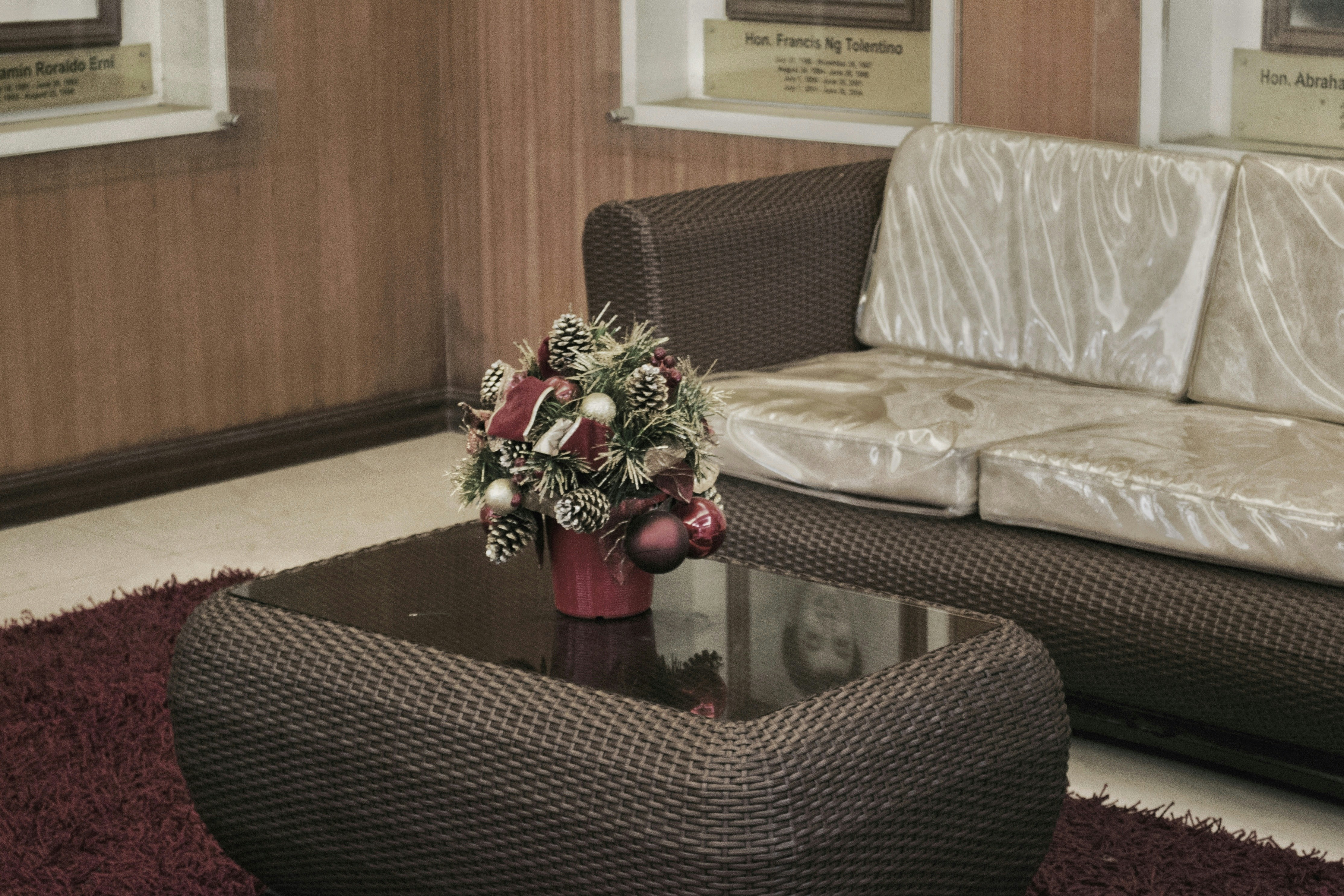
Introduction to DIY Furniture Decoration
DIY furniture decoration encompasses the practice of transforming or personalizing furniture through creative and often cost-effective methods. This trend has gained significant traction among homeowners and renters alike, as it offers a unique way to express individual style and bring a personal touch to living spaces. With a myriad of simple yet impactful techniques, the world of DIY furniture decoration invites everyone to embark on imaginative projects, regardless of their skill level.
One of the primary benefits of engaging in DIY furniture decoration is the potential for substantial cost savings. Rather than investing in new furniture pieces that may not suit one’s tastes or requirements, individuals can reimagine their existing furniture. Simple methods, such as painting, reupholstering, or applying decals, can significantly enhance the aesthetic appeal of furniture, offering a refreshing look without the expense of purchasing new items.
Sustainability is another vital aspect of DIY furniture decoration. By choosing to repurpose existing furniture instead of discarding it, individuals contribute positively to environmental efforts. This practice not only reduces waste but also encourages the use of eco-friendly materials and techniques, aligning with a growing desire for sustainable living practices.
Furthermore, DIY furniture decoration serves as an empowering outlet for creativity. Homeowners and renters are free to experiment with different styles, colors, and textures, tailoring their environment to reflect personal preferences and lifestyle needs. This form of decoration can lead to innovative designs that distinguish one’s home from others, fostering a sense of pride and accomplishment in the process. Encouragement to embrace creativity in furniture decoration can help individuals feel more connected to their living spaces, making their homes truly feel like a sanctuary.
Essential Tools and Materials for DIY Furniture Projects
When embarking on DIY furniture decoration projects, having the right tools and materials is vital for achieving the desired outcome. A well-equipped toolkit not only simplifies the process but also enhances the crafting experience, making it more enjoyable and efficient.
To begin, essential tools for furniture decoration typically include screwdrivers, hammers, and pliers. A power drill is particularly helpful for assembling furniture or making adjustments. Additionally, staple guns can be invaluable when working with upholstery or applying fabric to surfaces. For precision work, measuring tapes and levelers ensure accuracy, allowing for a polished and professional look.
In terms of surface preparation, sandpaper and paintbrushes play crucial roles. Sandpaper allows for smoothing rough edges and surfaces, providing an ideal foundation for painting or staining. A variety of paintbrushes come in handy for different applications, including wider brushes for larger areas and finer brushes for detailing. Paint can transform the appearance of furniture, and selecting high-quality, durable options is advisable for longevity.
Decorative materials are equally important when personalizing furniture. Fabric can be used for upholstery or draping, while stencils offer magnificent possibilities for painting intricate designs or patterns. When selecting these materials, consider both your project type and budget. This will help in choosing what aligns with the overall aesthetic you wish to achieve. For instance, when working on a vintage-style piece, opt for colors and fabrics that enhance that classic look.
Overall, by gathering appropriate tools and materials before starting your DIY furniture project, you ensure a smooth process that leads to satisfying results. With careful consideration of each element, your creative vision can come to life, allowing for a personalized space that reflects your unique style.
Choosing the Right Furniture to Decorate
When embarking on a DIY furniture decoration project, the selection of the right furniture pieces is crucial to achieving desired results. Various factors must be considered, including the existing style of the room, the condition of the furniture, and the intended functionality after decoration.
Firstly, assessing the current style of your space helps in selecting furniture that complements or enhances the overall aesthetic. For instance, if your decor leans towards modern minimalism, opt for clean-lined furniture such as tables or accent chairs that can be transformed with a simple coat of paint or new upholstery. Conversely, vintage or rustic pieces may benefit from distressed finishes or refinished surfaces, suitable for creating a more eclectic rearangement.
The condition of the furniture cannot be overlooked either. Pieces with solid structures but dated appearances are ideal candidates for DIY projects. Look for furniture that can withstand paint or slight alterations; for example, a sturdy wooden chair can be easily repurposed with a fresh color or patterned fabric. However, it is wise to avoid furniture that is beyond repair or made from fragile materials, as the effort may result in unsatisfactory outcomes.
Functionality is another key aspect to keep in mind. It is essential to choose furniture that serves a purpose and can adapt to your needs. Storage units, for instance, are often excellent DIY candidates because they can be painted or adorned with decals to create a personalized touch while enhancing their utility. On the other hand, items like delicate glass tables may require careful treatment and could be less forgiving in terms of DIY alterations.
Lastly, consider the scale of the furniture within the context of your space. Larger pieces tend to be more challenging to decorate and may require significant effort for impactful results. Balancing these factors will guide you in selecting the best furniture for your DIY decoration endeavors, enabling you to create a space that truly reflects your personal style.
Popular DIY Techniques and Styles
DIY furniture decoration has become a favored method for individuals to inject personal style into their living spaces. Various techniques and styles have gained popularity among enthusiasts, catering to diverse tastes and preferences while ensuring furniture reflects the homeowner’s personality. Among the most accessible techniques is painting, which allows for an immediate and significant transformation. By selecting a bold color or a refined hue, individuals can breathe new life into old furniture, making it a centerpiece in their room.
Another technique that is favored for its ability to create a charming, vintage aesthetic is distressing. This approach involves intentionally aging the furniture to give it a worn look, which is particularly appealing in rustic-themed spaces. Distressing can be achieved through sanding, using paint washes, or applying wax finishes, and is well-suited for pieces like cabinets and tables that benefit from a touch of character.
Reupholstering is also a popular option, especially for those looking to revamp upholstered chairs and sofas. By replacing outdated fabrics with contemporary prints or textures, homeowners can ensure their furniture remains stylish and comfortable. This technique not only revitalizes the appearance but also increases the lifespan of beloved items.
Decoupage, the art of decorating surfaces by gluing paper cutouts, has resurfaced as a creative way to personalize furniture. This technique allows crafters to infuse their own artistic flair by incorporating images that resonate with their interests, making each piece truly unique.
Trends such as bohemian, rustic, and minimalist aesthetics influence furniture decoration choices. Bohemian style celebrates vibrant colors and eclectic patterns, while rustic decor emphasizes natural materials and earthy tones. Conversely, minimalist aesthetics focus on simplicity and clean lines. Each style offers an opportunity for individuals to express their creativity while adhering to current design trends.
Step-by-Step DIY Project Tutorials
Embarking on DIY furniture decoration projects can be an exciting way to personalize your living space. Below, we showcase a selection of detailed step-by-step tutorials for various DIY furniture projects, catering to a range of skill levels.
Project 1: Upcycled Chairs
For this simple upcycling project, you will breathe new life into old chairs. You will need: old wooden chairs, sandpaper, wood stain or paint, a brush, and a sealant. Allow about 3 hours for this project.
1. Start by sanding the chair to remove any existing paint or finish.
2. Apply wood stain or paint for a fresh look.
3. Once dry, finish with a sealant to protect the surface.
This project is perfect for beginners looking to enhance their furniture.
Project 2: Customized Coffee Table
A customized coffee table can be created using basic materials. Materials needed include: a pre-made table frame, plywood for the top, screws, and paint or stain. Estimated time for completion is around 5 hours.
1. Cut the plywood to your desired tabletop size.
2. Secure it onto the table frame using screws.
3. Finish by painting or staining the tabletop to match your decor.
This project strikes a balance between simplicity and creativity, making it ideal for intermediate DIYers.
Project 3: Building a Custom Bookshelf
Constructing a custom bookshelf is a rewarding endeavor that allows for customization to fit your space. Required materials include: plywood, a saw, wood glue, a drill, and paint. Allocate approximately 8 hours for this undertaking.
1. Design your bookshelf dimensions and cut the plywood accordingly.
2. Assemble the pieces using wood glue and screws.
3. Once assembled, sand the edges and apply paint or stain.
This more complex project is well-suited for those with prior experience in furniture making.
Utilizing these tutorials will not only enhance your skills but also allow you to create unique pieces that reflect your personal style. Through careful planning and execution, each project can become a distinctive part of your home decor.
Incorporating Personal Style and Creativity
Infusing personal style and creativity into DIY furniture projects is not only essential but also immensely rewarding. It allows individuals to reflect their unique tastes and preferences in their living spaces. To begin this process, it’s advisable to gather inspiration from a variety of sources. Nature, art, and current interior design trends can serve as excellent starting points for generating ideas. Observing the colors and textures of the natural world—from the calming greens of a forest to the vibrant hues of a sunset—can spark ideas for custom paint schemes or finishes.
Art can also play a pivotal role in shaping one’s design vision. Whether it is modern art with bold patterns or classic pieces with intricate detailing, integrating those elements into furniture can transform a simple piece into a statement. Additionally, keeping an eye on interior design trends through magazines or social media platforms can provide insight into popular aesthetics while still allowing for individual interpretation.
When it comes to customizing furniture, focusing on colors, textures, and patterns is crucial. Start by selecting a color palette that resonates with personal style. This might involve painting or staining wood, reupholstering fabric with a bold print, or adding decorative elements such as stencils or decals. Textures can be varied as well; consider combining smooth surfaces with rugged materials, or incorporating textiles like velvet or burlap for a layered effect.
Patterns are another effective way to express creativity. Whether you favor geometric designs or floral motifs, using these can bring character to even the most basic pieces. By thoughtfully integrating these aspects into DIY projects, individuals can create unique furniture that not only serves a functional purpose but also enhances their overall space, ensuring it is a true reflection of their personality.
Common Mistakes to Avoid in DIY Furniture Projects
Engaging in DIY furniture projects can be a fulfilling way to personalize your living space. However, there are common mistakes that can lead to unsatisfactory results or unanticipated challenges. One of the most frequent pitfalls is choosing inappropriate materials. Selecting products that are unsuitable for the intended purpose—such as using non-durable fabric for an upholstery project—can compromise the furniture’s functionality and longevity. It is crucial to understand the characteristics of materials and to select those that align with the intended use and aesthetic.
Another mistake is rushing through the process. DIY projects, by their nature, require time and attention to detail. Many enthusiasts become eager to see results, leading to hurried decisions that may undermine the overall quality. It is important to approach each step consciously, allowing for adequate time to plan, execute, and review the work. This includes allowing sufficient drying time for paints or finishes to ensure a smooth and professional appearance.
Additionally, skipping crucial preparatory steps is a common error. Proper preparation is the backbone of any successful DIY project. Neglecting to sand, clean, or prime surfaces can affect paint adhesion and result in a less than desirable finish. To avoid these issues, always sequence your tasks logically and adhere to recommended prep work for specific materials.
If errors occur, troubleshooting is essential. For example, if a paint finish turns out uneven, it may be necessary to sand it down and apply an additional coat. Similarly, if furniture is wobbly, checking for loose screws or reinforcements can rectify the issue. By being mindful of these common mistakes and applying thoughtful strategies, DIY enthusiasts can enhance their projects’ likelihood of success and satisfaction.
Maintenance and Upkeep of DIY Decorated Furniture
Maintaining and caring for DIY-decorated furniture is crucial to ensure its longevity and aesthetic appeal. Different materials and finishes require specific attention, and understanding these requirements is essential for effective upkeep. For instance, wooden furniture, which often features painted or stained surfaces, needs regular dusting with a soft, lint-free cloth to avoid scratches. Additionally, it is advisable to use a damp cloth with gentle soap for deeper cleaning but to ensure the wood does not become overly wet, as excessive moisture can lead to warping or damage.
For painted surfaces, it is essential to select the right cleaning agents. Harsh chemicals can strip away paint and ruin your decorative work. Instead, opt for a mild detergent mixed with water. Whenever possible, test the cleaning solution on a small, inconspicuous area to ensure no adverse reactions occur. Furthermore, regular application of a suitable furniture polish can enhance the finish and provide a protective layer against dust and grime. Anti-static sprays can also be beneficial in keeping surfaces cleaner for longer.
When it comes to fabric-covered or upholstered furniture, such as DIY-styled chairs or cushions, vacuuming regularly is recommended to remove dust and prevent dirt build-up. Stains should be addressed promptly; using a fabric cleaner or a DIY solution of vinegar and water can help maintain the fabric’s integrity without damaging colors or patterns. For natural fiber upholstery, special care should be taken to avoid prolonged exposure to sunlight, which can lead to fading.
Finally, always consider the placement of your DIY-decorated furniture. Avoid areas with high humidity or direct sunlight as these factors can deteriorate materials over time. By following these maintenance tips, you can enjoy your personalized furniture for years to come, showcasing your creativity while ensuring its functional longevity.
Conclusion and Encouragement to Get Started
In conclusion, DIY furniture decoration presents a remarkable opportunity to infuse personality and creativity into your living space. Throughout this post, we have explored various techniques and ideas that allow individuals to transform standard furniture into unique expressions of style and functionality. Whether it be through painting, upcycling, or embellishing, each method serves as a testament to the power of creativity and individual expression.
We encourage you to take the plunge into the world of DIY furniture decoration. Start small with a single piece, experiment with colors, or try your hand at new materials. The process of designing and personalizing your furniture not only enhances your home but also offers an immensely satisfying experience. As you embark on this journey, remember that the possibilities are limited only by your imagination.
We invite you to share your experiences, innovative ideas, and completed projects with the growing community of DIY enthusiasts. Utilize social media platforms or the comments section to showcase your work, as well as to seek inspiration and feedback from others engaged in similar endeavors. By sharing your journey, you contribute to a vibrant network of creative individuals dedicated to making their spaces unique.
Ultimately, DIY furniture decoration fosters a sense of accomplishment and personal fulfillment. As you create your own decor, you not only beautify your surroundings but also cultivate skills that can be invaluable in other areas of life. So gather your materials, let your creativity flow, and start transforming your space today!