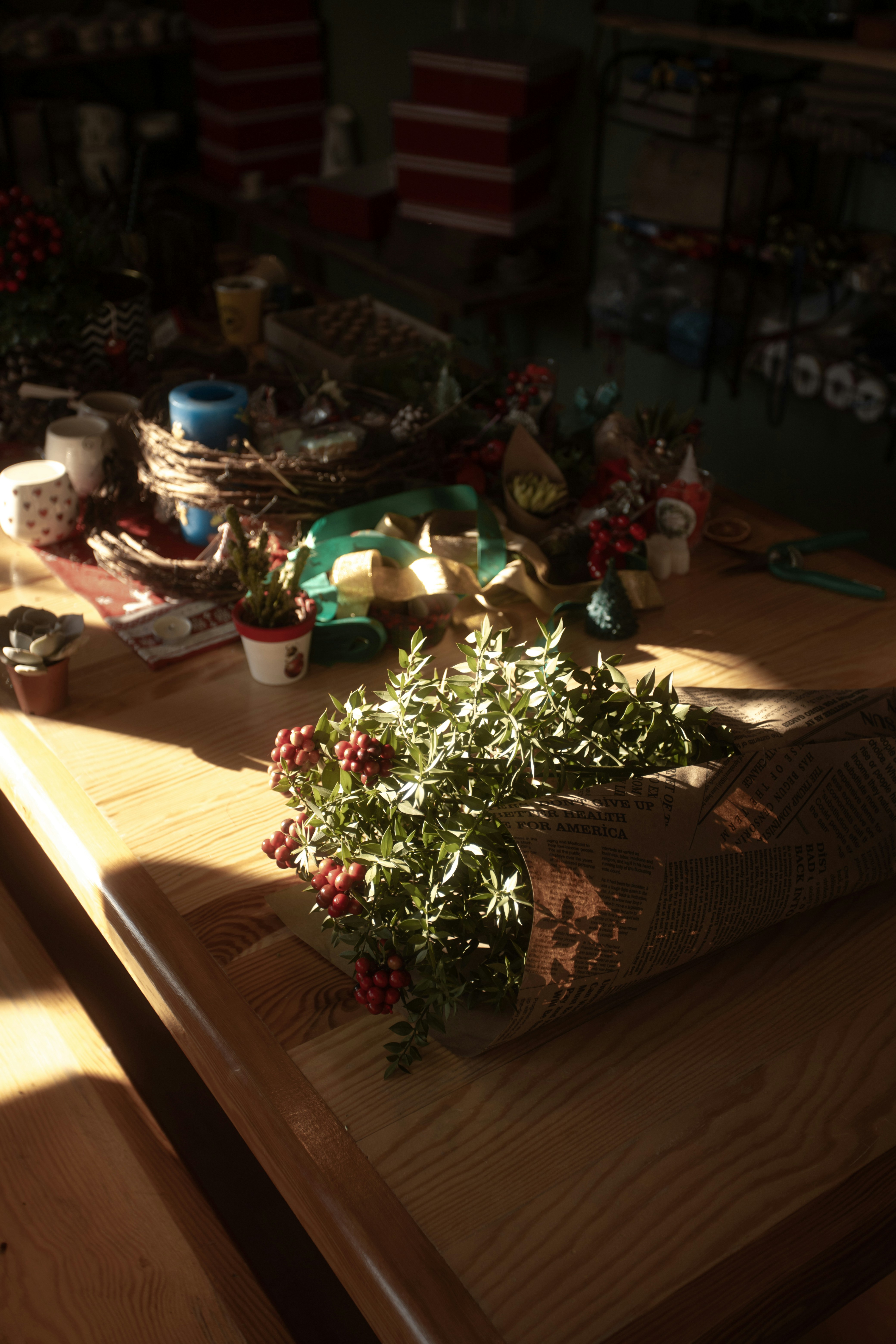
Introduction to DIY Furniture Decoration
In recent years, the trend of DIY furniture decoration has gained significant traction among homeowners and design enthusiasts alike. This movement empowers individuals to personalize their living spaces in ways that are meaningful to them, moving beyond the limitations of mass-produced furniture. DIY decoration allows for creativity and self-expression, as individuals can craft pieces that reflect their unique tastes and experiences.
One of the primary reasons for the increasing popularity of DIY projects is their cost-effectiveness. Crafting customized furniture often requires a smaller financial investment compared to purchasing pre-made items from retail stores. By repurposing old furniture or creatively incorporating inexpensive materials, individuals can achieve stunning results without breaking the bank. Moreover, DIY projects frequently offer an opportunity to learn new skills, enhancing personal development and satisfaction.
Sustainability is another vital aspect of the DIY movement, as many individuals are increasingly aware of their environmental impact. By opting for DIY furniture decoration, homeowners can contribute to eco-friendly practices by reducing waste and promoting the use of recycled or reclaimed materials. This approach not only elevates the aesthetic of a space but also fosters a deeper connection to the materials used. As people embark on their DIY journeys, they are often inspired to create one-of-a-kind home decor solutions that tell a story and evoke memories.
The synergy of creativity, savings, and sustainability make DIY furniture decoration an attractive choice for many. As this trend continues to evolve, it paves the way for innovative solutions that cater not only to individual preferences but also to the pressing need for environmentally conscious practices. This guide aims to explore various tips and ideas that will support readers in their DIY endeavors, enhancing their homes while providing a fulfilling creative outlet.
Benefits of DIY Furniture Decoration
Engaging in DIY furniture decoration offers a multitude of benefits that appeal to both the practical-minded and the creatively inclined. One of the most significant advantages is the cost savings associated with creating custom pieces rather than purchasing new furniture. While retail prices for unique or designer items can be exorbitant, DIY alternatives can drastically lower the financial commitment, allowing individuals to allocate their budget to other home improvement projects or personal endeavors.
In addition to financial savings, the joy of creating something from scratch can be immensely gratifying. For many, the process of designing and executing a furniture piece provides a unique sense of accomplishment. This creative outlet can also serve as a form of stress relief, as focusing on a hands-on project promotes mindfulness and can divert attention from daily pressures.
Another compelling benefit of DIY furniture decoration is the ability to customize items to fit personal aesthetics. DIY projects enable individuals to select materials, colors, and styles that resonate with their tastes, resulting in furniture that truly reflects their personality and complements their living spaces. This level of customization is often unattainable with mass-produced items, leading to a more cohesive and personalized home environment.
Moreover, engaging in DIY practices can promote environmental sustainability. By reusing, recycling, or repurposing old materials, individuals can significantly reduce waste and lessen their environmental footprint. This practice not only conserves resources but also contributes positively to the planet’s well-being, aligning with values of sustainability and ethical consumerism.
In essence, the benefits of DIY furniture decoration extend beyond aesthetics, offering cost savings, creative empowerment, customization, and ecological awareness. These factors combine to make DIY endeavors not just a practical choice, but a fulfilling and enriching experience.
Essential Tools and Materials for DIY Projects
When embarking on DIY furniture decoration, the selection of appropriate tools and materials is crucial for achieving professional-looking results. Whether you are a novice or an experienced DIYer, having the right equipment can enhance your creativity and efficiency in the design process.
To begin with, paintbrushes play a vital role in applying finishes and paints. Various sizes and shapes are necessary to reach different areas, ensuring a smooth and even application. A high-quality brush can significantly impact the final appearance of the project, making it a fundamental tool for furniture decoration.
In addition to brushes, sandpaper is essential for preparing surfaces before painting or staining. Sanding helps remove imperfections, old finishes, and rough patches, promoting better adhesion of paint. It is advisable to use various grits, starting with a coarser one and finishing with a finer grit for a polished surface.
Moreover, an assortment of screws and nails should be readily available, as they are integral to assembling, repairing, and reinforcing furniture structures. Different types of screws serve specialized purposes, so investing in a variety pack can prove beneficial. Additionally, choosing the correct adhesive can provide strong bonds for materials that cannot be joined by screws alone.
Furthermore, selecting the appropriate types of paint or finish is essential for both aesthetics and durability. Water-based paints are user-friendly and offer easy cleanup, whereas oil-based paints provide a more robust finish. Stains, sealants, and primers also enhance the longevity of furniture. It is advisable to analyze the material you are working with and choose products that complement it.
In conclusion, assembling a beginner’s toolkit with these essential tools and materials will lay a solid foundation for any DIY furniture decoration project. By prioritizing quality and suitability in your choices, you can elevate your creative endeavors and ensure successful outcomes in your DIY journey.
Finding Inspiration: Where to Look for Ideas
When embarking on DIY furniture decoration projects, finding inspiration is crucial to steering the creative process. Numerous sources can ignite one’s imagination and help translate ideas into tangible designs. One of the most popular platforms for inspiration is Pinterest. This visual discovery tool offers a multitude of DIY furniture ideas from a diverse community of creators. Users can explore various boards curated for specific styles or themes, making it easier to find something that resonates with their own aesthetic.
Another significant source of inspiration is Instagram. With its emphasis on visual content, the platform showcases countless home decor accounts where designers and enthusiasts share their innovative projects. Following hashtags related to DIY furniture decoration can also lead to a trove of ideas, as users frequently tag their creations, making them easily searchable. Photographs often come alongside detailed descriptions, providing context on techniques and materials, which can be invaluable for those looking to recreate a particular look.
For those who appreciate a more hands-on approach, thrift stores and flea markets can be treasure troves of inspiration. Vintage finds often have unique characteristics that can be enhanced through creativity and personalized design efforts. Observing how older pieces can complement contemporary decor is vital for a cohesive aesthetic. Furthermore, exploring nature for organic designs can provide a refreshing angle. Natural textures and colors can inspire various decor styles, encouraging individuals to incorporate elements like wood, stone, or greenery into their projects.
Ultimately, the key to cultivating inspiration lies in exploring diverse sources and remaining open to new ideas. Whether through social media platforms, blogs, or physical locales, the possibilities for DIY furniture decoration are vast, inviting endless creativity and exploration.
Step-by-Step DIY Projects for Every Room
Creating your own furniture and decor can be a fulfilling and cost-effective way to enhance your living space. This section outlines a variety of step-by-step DIY projects, suitable for different rooms in the house, allowing you to unleash your creativity while adding a personal touch to your home.
Starting with the living room, a popular project is refurbishing an old coffee table. First, gather materials including sandpaper, wood stain, and a paintbrush. Begin by sanding the table to remove any imperfections, which typically takes about 1 hour. Next, apply the wood stain in your preferred color, allowing for drying time as indicated by the product label (usually around 4 hours). This project is suitable for all skill levels and costs approximately $30.
In the bedroom, creating a custom headboard can dramatically alter the room’s appearance. You will need plywood, foam padding, fabric, and a staple gun. Start by cutting the plywood to your desired dimensions, followed by adding foam padding on top. Wrap the fabric over, securing it with the staple gun. This project usually takes about 2-3 hours and is ideal for intermediate DIYers, with estimated costs around $100.
The kitchen provides an excellent opportunity for upcycling; consider turning wooden crates into storage shelves. Simply clean the crates, paint or stain them if desired, and mount them on the wall. This can be a quick project, requiring about 1 hour, and is very economical — costing roughly $20. This beginner-friendly project adds both style and utility to kitchen decor.
Lastly, for the bathroom, consider creating a floating shelf. You will need wooden boards, brackets, screws, and a drill. Measure and mark the desired height for the shelf, attach the brackets securely, then place the board on top. This project should take about 2 hours and is suitable for those with basic DIY skills, costing approximately $40.
By selecting projects that align with your skill level and budget, you can breathe new life into your home decor while enjoying the process of creating something unique and personal.
Tips for Painting and Finishing Furniture
Painting and finishing furniture can significantly transform its appearance, but achieving professional-looking results requires careful thought and execution. The first step in this process is proper surface preparation. Start by cleaning the furniture thoroughly to remove any dirt, grease, or old finishes. Sanding the surface is essential; it helps to create a smooth substrate that promotes paint adhesion. Be sure to use sandpaper with an appropriate grit, beginning with a coarser grade and progressing to finer grits for a polished finish.
Choosing the right type of paint is crucial for the project. Chalk paint, for example, is popular for its matte finish and ease of application, while latex paint offers durability and a wider range of colors. It’s important to select a paint that is suited to the type of furniture and the desired finish. Test patches can be useful in determining how different paints look on your specific piece.
When applying paint, using the correct technique can make a significant difference. Use a high-quality brush or roller to apply the paint evenly, ensuring long strokes to avoid streaks and drips. Multiple thin coats are preferable to a heavy single coat; this approach allows for better drying and a more uniform finish. Remember to wait for each layer to dry completely before applying the next.
Lastly, protecting your newly painted furniture with a top-coat is wise. Clear sealants, waxes, or polyurethane can safeguard the surface from scratches and wear. Additionally, be mindful of common mistakes such as overlooking weather conditions and rushing the drying process; humidity and temperature can dramatically affect the finish quality. By following these practices, you can achieve a stunning transformation for your furniture through painting and finishing techniques.
Incorporating DIY Decor into Your Existing Design
Integrating DIY furniture decoration into an already established home decor scheme can be a rewarding experience, allowing for personal expression while enhancing the overall aesthetic. One effective strategy is to focus on color matching. When selecting DIY pieces, ensure that the colors complement the existing palette of your home. This can be achieved by using paint samples or fabric swatches to guide your choice. For example, if your living room features a neutral color scheme, consider using shades that harmonize with those tones while introducing a pop of a complementary color that resonates with your style.
Another key approach is to utilize DIY creations as focal points within a room. By strategically placing a standout DIY piece, such as a handmade coffee table or a unique shelving unit, you can create visual interest that draws the eye. This focal point not only showcases your craftsmanship but also serves to anchor the room’s overall design. Positioning these elements thoughtfully, such as in central areas or at eye level, ensures they are appreciated without clashing with other decor aspects.
Additionally, balancing DIY with store-bought items can help maintain a cohesive look throughout your space. It is essential to mix and match these elements judiciously, aiming for a harmony that feels intentional rather than chaotic. For instance, pairing a tailored, modern sofa with a whimsical, handcrafted side table can lend an eclectic charm while keeping the decor elegant. The key is to ensure that the styles of these items either complement or contrast effectively, allowing for a visually appealing and well-rounded design narrative.
By implementing these strategies, you can effortlessly incorporate DIY furniture decoration into your existing design, resulting in a stylish and personalized environment that reflects your individual taste.
Sustainability in DIY Projects
In recent years, the importance of sustainability has taken a central role in various industries, particularly in the realm of DIY furniture decoration. Incorporating eco-friendly practices into your projects can significantly minimize the environmental impact of furniture making and renovation. One of the primary ways to adopt sustainable practices is by utilizing reclaimed materials. Reclaimed wood, for instance, is not only durable but also often has unique character, enhancing the aesthetic appeal of any furniture piece. By choosing reclaimed materials, DIY enthusiasts can reduce waste and diminish the need for new resources, ultimately making a positive contribution to forest conservation.
Moreover, selecting non-toxic paints and finishes is crucial for sustainable DIY projects. Traditional paints often contain harmful volatile organic compounds (VOCs) that can release toxins into the air. By opting for low-VOC or water-based paint alternatives, DIY decorators can ensure better indoor air quality and a safer environment for their families. Additionally, there are numerous eco-friendly finishing options available that utilize natural ingredients, providing both lasting protection and sustainability.
Another effective strategy to promote sustainability in DIY furniture decoration is minimizing waste throughout the creative process. Careful planning can significantly reduce excess materials, leading to efficient use of resources. For example, measuring and cutting materials accurately not only saves money but also prevents surplus waste. Furthermore, consider upcycling old furniture or repurposing materials you already possess. This approach not only maintains resources but also adds a personal touch to your decor.
By adopting these sustainable practices, DIY enthusiasts can engage in projects that are both creative and environmentally friendly. Embracing eco-conscious habits not only contributes to a healthier planet but also inspires others to consider the positive impacts of sustainability in their own DIY endeavors.
Conclusion: Embrace Your Creativity with DIY Furniture Decoration
Engaging in DIY furniture decoration provides not only a practical solution for enhancing your living spaces but also an opportunity to express personal creativity. As you embark on this rewarding journey, the joy of transforming ordinary furniture into extraordinary pieces becomes a powerful driving force. The process of selecting colors, textures, and styles allows you to infuse your personality into every creation. By doing so, you cultivate a unique environment that truly reflects who you are.
One of the remarkable aspects of DIY furniture decoration is the versatility it offers. From upcycling old pieces to creating entirely new designs, the possibilities are virtually endless. Whether you prefer a rustic charm, a modern aesthetic, or a combination of styles, the creative freedom encourages exploration and experimentation. Moreover, engaging in these projects can be therapeutic, providing a sense of accomplishment and fulfillment as you witness the transformations of your endeavors.
As you begin or continue your DIY journey, consider sharing your creations with the wider community. Platforms such as social media offer an excellent avenue for showcasing your work, inspiring others, and garnering feedback. By participating in this collaborative spirit, you contribute to a supportive environment where ideas and innovations flourish. Networking with fellow DIY enthusiasts can also lead to new techniques and inspiration that may enhance your future projects.
So, embrace your creativity and delve into the exciting world of DIY furniture decoration. Not only will you create beautiful pieces for your home, but you will also unlock your artistic potential. Start today, and discover the immense satisfaction that comes from crafting personalized, functional art in your living spaces.