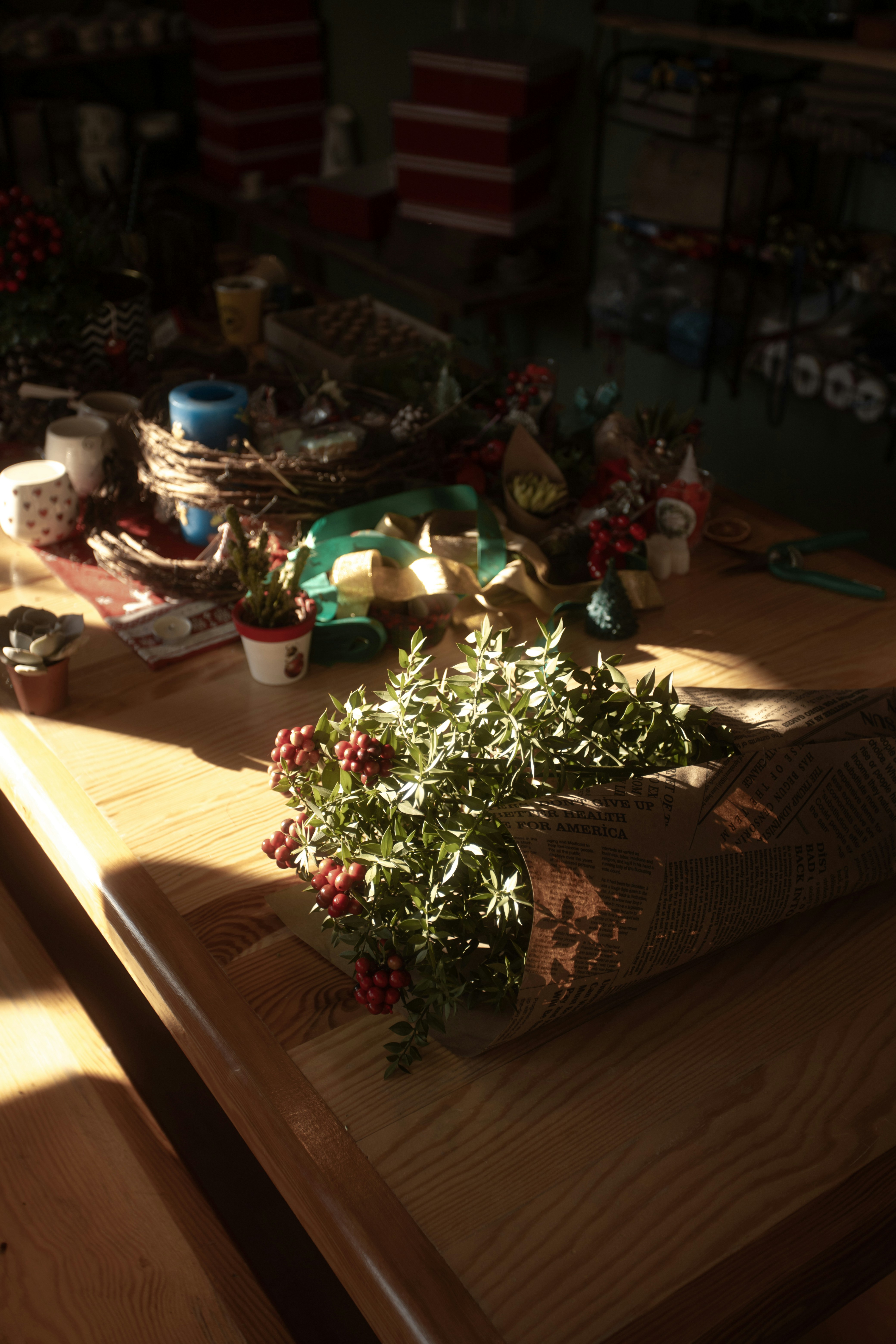
Introduction to DIY Furniture Decoration
DIY furniture decoration has emerged as a creative outlet for individuals looking to personalize their living spaces. It entails the process of altering or enhancing furniture pieces using various techniques, materials, and design strategies—all undertaken by the homeowner themselves. This hands-on approach allows for the transformation of ordinary furniture into unique statements that reflect personal style and taste.
The rising popularity of DIY furniture decoration can be attributed to several factors. Firstly, it provides an avenue for self-expression, allowing individuals to tailor their surroundings to fit their aesthetic preferences. This ability to customize furniture fosters a sense of ownership and pride, as individuals take pleasure in designing and crafting pieces that align with their vision of home.
Moreover, engaging in DIY projects can lead to significant cost savings. Purchasing new furniture can be prohibitive, particularly for those on a limited budget. By choosing to redecorate existing pieces, enthusiasts can achieve stunning results without the hefty price tag associated with brand-new items. This economical approach not only promotes sustainability by minimizing waste but also encourages creativity in finding innovative solutions to make old items feel fresh and relevant.
Additionally, the digital age has simplified the process of sharing DIY furniture projects through various online platforms. This sharing not only showcases individual creativity but also fosters community engagement. Home enthusiasts from different backgrounds can inspire one another, exchanging ideas, tips, and tutorials. As a result, the DIY movement has become a shared experience, strengthening connections within the community and empowering individuals to take on their own creative journeys. The proliferation of social media channels has amplified this trend, enabling the widespread dissemination of inventive concepts and techniques within the realm of DIY furniture decoration.
Essential Tools and Materials for DIY Projects
Embarking on DIY furniture decoration projects requires a variety of essential tools and materials to ensure successful outcomes. The right selection of tools not only facilitates the creative process but also enhances safety and efficiency. A well-equipped DIY toolbox often includes items such as paintbrushes, sandpaper, screwdrivers, and measuring tools, which are fundamental for various tasks. Each tool serves a specific purpose; for instance, paintbrushes are vital for applying finishes, while sandpaper is essential for smoothing surfaces prior to painting or staining.
It is equally important to choose the appropriate materials to complement your furniture projects. Various types of paint, such as latex or chalk paint, can provide distinctive finishes, allowing homeowners to experiment with color and texture. Additionally, fabric options for upholstery projects must be selected based on durability and style, ensuring that the finished product meets aesthetic and practical needs. Wood is another crucial material; understanding the properties of hardwood versus softwood can influence overall project outcomes, as some types are better suited for specific usages.
Safety should remain a priority during any DIY venture. Properly handling tools not only ensures personal safety but also extends the lifespan of the equipment. Always utilize protective gear, such as gloves and goggles, when working with power tools or hazardous materials. Furthermore, familiarizing oneself with the instructions and guidelines associated with each tool and material is advisable to successfully navigate potential challenges. Emphasizing these safety tips and best practices will not only pave the way for a rewarding DIY experience but also foster a conducive environment for creativity and innovation in furniture decoration.
Top DIY Furniture Decoration Ideas
In the realm of DIY furniture decoration, creativity knows no bounds. Whether you are a novice or seasoned artisan, there are numerous projects to invigorate your living space. Here are some innovative ideas that can inspire your next transformation.
One highly effective method is upcycling old furniture. Instead of discarding pieces that have seen better days, consider refurbishing them. For instance, a dilapidated wooden chair can be sanded down, stained, and painted for a fresh look. This process not only preserves the item but also adds a unique charm to your decor. Upcycling reduces waste and encourages environmental sustainability, making it a great choice for eco-conscious decorators.
Creating custom cushions is another fantastic option that can effortlessly elevate your furniture. By selecting vibrant fabrics or patterns, you can make cushions that complement or contrast with your existing decor. This project is relatively simple and can be tailored to suit any style, from bohemian to minimalist. Using zipper closures allows for easy washing, ensuring durability and functionality.
For those looking for a bit more complexity, exploring various painting techniques can yield stunning results. Techniques such as distressing, stenciling, or even sponge painting can add depth and personality to your furniture. Consider using chalk paint for a matte finish that adheres well to different surfaces and is easy to work with. By experimenting with colors and techniques, you can create a signature look that reflects your personal style.
Lastly, incorporating hardware updates—such as swapping out knobs and handles—can dramatically influence the overall aesthetic of your furniture. This small change can infuse an element of surprise and novelty into your existing pieces.
Overall, these DIY furniture decoration ideas offer a range of projects that encourage personalization and creativity. Regardless of your skill level, the joy of transforming your space is a rewarding endeavor that can reflect your unique taste and style.
Step-by-Step Guide: From Concept to Creation
Transforming an idea into a finished DIY furniture decoration project requires a structured approach to ensure creativity flourishes alongside practicality. The journey begins with planning the design, where you draw inspiration from various sources, such as nature, art, or existing furniture pieces. Creating a mood board can be helpful; gather images, color palettes, and textures that resonate with your vision. This visual representation will serve as a guide throughout the project.
Once the design is established, the next step involves gathering materials. Identify what components you will need while considering budget constraints. Common materials for DIY projects might include wood, paint, fabric, and hardware. Make a comprehensive list and visit local stores or online suppliers to source these materials. Ensure you have all necessary tools on hand, such as brushes, screwdrivers, and measuring instruments, to streamline the execution process.
With the materials in place, you can now execute the project. Start by prepping the workspace to ensure safety and efficiency; clear the area of unnecessary items and lay down protective coverings if needed. Follow the design plan meticulously, whether it involves sanding wood, painting surfaces, or assembling components. Take your time with each step, as rushing can lead to mistakes.
As you near the completion of your project, pay attention to the final touches. This includes sanding down rough edges, applying a protective coat, or adding decorative elements such as stencils or hardware. A well-executed finalization can elevate the aesthetic appeal of the furniture piece and make the project feel complete.
By following this systematic approach, you can turn any DIY furniture decoration idea into a reality, ensuring both creativity and functionality in your transformed space.
Sharing Your DIY Projects Online: Best Practices
In the digital age, sharing DIY projects online has become an integral part of the creative process, allowing individuals to showcase their unique transformations and garner community feedback. Social media and dedicated DIY platforms provide ample opportunities for DIY enthusiasts to present their work and connect with likeminded individuals. To effectively document and present your projects, several best practices can be followed.
Firstly, high-quality photography is crucial. Natural lighting is your best friend; it enhances the colors and details of your furniture transformations. Ensure that your images are well-composed, focusing on the project from different angles and capturing close-ups of intricate details. When documenting the process, consider taking ‘before and after’ shots as these highlight the transformation and engage viewers’ interest.
Besides compelling visuals, writing engaging and concise descriptions is important. Clearly outline the steps taken in your projects, the materials used, and any challenges faced during the process. This narrative aids in creating a connection with your audience, as they appreciate understanding the effort behind the work. Additionally, consider utilizing bullet points for easily digestible information and to maintain readability.
Another vital aspect is the use of hashtags. Research popular DIY-related hashtags to enhance discoverability across platforms. Use specific tags related to your project, as well as broader ones such as #DIYDesign or #FurnitureMakeover, to reach a wider audience. Utilizing local hashtags can also engage community members who may be interested in similar projects.
Popular platforms for sharing DIY content include Instagram, Pinterest, and specialized communities such as Instructables and Reddit’s DIY subreddit. Engaging with these communities through comments, participating in challenges, and sharing feedback can significantly enhance your presence and help you forge connections with other DIY enthusiasts.
Building a Community Through DIY Sharing
The world of DIY furniture decoration extends beyond personal projects; it encompasses a vibrant community of like-minded individuals who thrive on sharing, collaboration, and inspiration. Engaging in DIY projects often sparks creativity and can lead to the formation of networks where individuals exchange ideas, tips, and encouragement. These communities not only enhance one’s skill set but also provide emotional support, making DIY endeavors even more fulfilling.
One notable example of a successful DIY community is the global platform known as Pinterest. This website allows users to share their projects and discover new ideas from others, fostering a collaborative environment. DIY enthusiasts can find inspiration in the various posts, such as furniture refurbishments, home décor, and upcycling projects. Similarly, platforms like Instagram have birthed a plethora of hashtags dedicated to DIY, enabling users to connect over specific genres of crafting and home improvement.
Local organizations such as Makerspaces or craft clubs provide physical spaces where individuals can gather to learn from each other. These spaces often host workshops and events focused on DIY furniture techniques, where participants can gain hands-on experience while building friendships. The collaboration central to these environments encourages members to share their successes and challenges alike, promoting learning through shared experiences. Moreover, online forums and social media groups facilitate discussions where individuals can seek advice or feedback, further solidifying the communal aspect of DIY projects.
For those interested in joining or creating their own networks, consider starting small. Reach out to friends or connect with local workshops and events. Engaging with existing communities can significantly enhance your DIY journey, as you’ll discover that sharing ideas and experiences leads to greater innovation and creativity. These supportive networks not only enrich individual projects but also cultivate a stronger sense of belonging within the DIY culture.
Sustaining Your DIY Passion: Resources and Inspiration
Pursuing a DIY furniture decoration journey requires not only creativity but also access to resources that inspire and educate. Numerous platforms offer valuable information to transform your space effectively. Websites such as Apartment Therapy provide a myriad of articles dedicated to home decor, renovation tips, and DIY guides. Additionally, Better Homes & Gardens serves as a comprehensive resource, featuring a plethora of ideas focused on home improvement and style.
Blogs play a significant role in the DIY community, offering personal experiences, tutorials, and unique decor ideas. For instance, Houzz not only showcases beautiful interiors but also hosts a variety of guest bloggers sharing innovative furniture decoration techniques. Engaging with these blogs allows readers to absorb diverse perspectives and gain practical insights.
YouTube channels have emerged as a potent medium for visual learners. Channels like DIY Creators and Home Repair Tutor offer step-by-step instructional videos that can significantly enhance one’s DIY skills. These channels frequently update their content, ensuring fresh ideas and contemporary techniques are readily available.
For those seeking interaction and hands-on experiences, local community centers or craft stores often hold furniture decoration workshops. These classes not only teach essential skills but also connect you with like-minded individuals who share your passion for DIY projects. Furthermore, books and magazines focused on interior design provide timeless insights and can serve as a source of inspiration. Exploring podcasts that emphasize creativity and design can also help maintain your motivation and excitement for DIY endeavors.
By utilizing these resources and continually seeking new inspiration, you can keep your DIY spirit alive, ensuring an ongoing journey of creativity and transformation in your living space.
Safety Tips for DIY Furniture Projects
Engaging in DIY furniture projects can be an enjoyable and fulfilling experience; however, it is crucial to prioritize safety to avoid potential hazards. DIY enthusiasts often work with various tools and materials that can pose risks if not handled properly. Therefore, understanding the potential hazards and implementing safety measures is essential for a positive DIY experience.
Firstly, familiarize yourself with the tools you are using. Power tools, such as saws and drills, can cause serious injuries if mishandled. Always read the user manual before operation and ensure that you are trained in their safe use. Use tools as intended, and never bypass safety features. Furthermore, when working with sharp tools, maintain focus and avoid distractions, as a lapse in concentration can lead to accidents.
Working with paints and adhesives introduces additional risks that necessitate stringent safety precautions. Many of these substances emit harmful fumes, which can lead to respiratory discomfort. Always work in a well-ventilated area to minimize inhalation of these fumes. It is advisable to wear masks specifically rated for painting or chemical vapors. Additionally, consider using non-toxic and low-VOC (volatile organic compound) options to ensure a safer environment.
Another critical aspect is the proper use of personal protective equipment (PPE). Always wear safety goggles to protect your eyes from debris and dust when cutting or sanding materials. Gloves should also be worn to safeguard your hands from sharp edges and chemicals. Depending on the project’s nature, knee pads and sturdy footwear can further enhance personal safety.
Ultimately, creating a safe workspace is paramount. Keep your area organized and clutter-free to reduce tripping hazards. Ensure that tools and materials are stored properly when not in use. By following these safety tips, you can significantly lessen the risks associated with DIY furniture projects.
Conclusion: Embrace Your Creativity
In the realm of DIY furniture decoration, the possibilities are truly endless. Engaging in creative projects not only allows individuals to express their unique tastes and preferences but also fosters a sense of community and belonging. When we transform our spaces through personal DIY endeavors, we create environments that reflect who we are, thereby enhancing our daily experiences and interactions.
Moreover, sharing these creative transformations helps to inspire others. By showcasing your DIY projects, whether through social media, workshops, or community gatherings, you open the door for collaboration and the exchange of ideas. This sharing strengthens the bonds within our communities, as others can take inspiration from your work and embark on their own artistic journeys. The act of sharing promotes a culture of creativity, encouraging everyone to contribute and uplift one another.
As you explore and experiment with DIY furniture decoration, remember that creativity knows no bounds. Whether it’s refinishing a worn-out table, painting a dull chair, or assembling new furniture from reclaimed materials, each project is an opportunity to push the limits of your imagination. Start small if necessary, but let your passion guide you. Engage in this fulfilling process and connect with others who share similar interests.
Now is the perfect time to embark on your DIY journey. Gather your materials, tap into your creative instincts, and begin transforming your space today. Share your progress with friends, family, or online communities and encourage others to do the same. By embracing your creativity through DIY furniture decoration, you contribute not only to the beautification of your environment but also to the enrichment of your community. Your journey in this realm has only just begun.