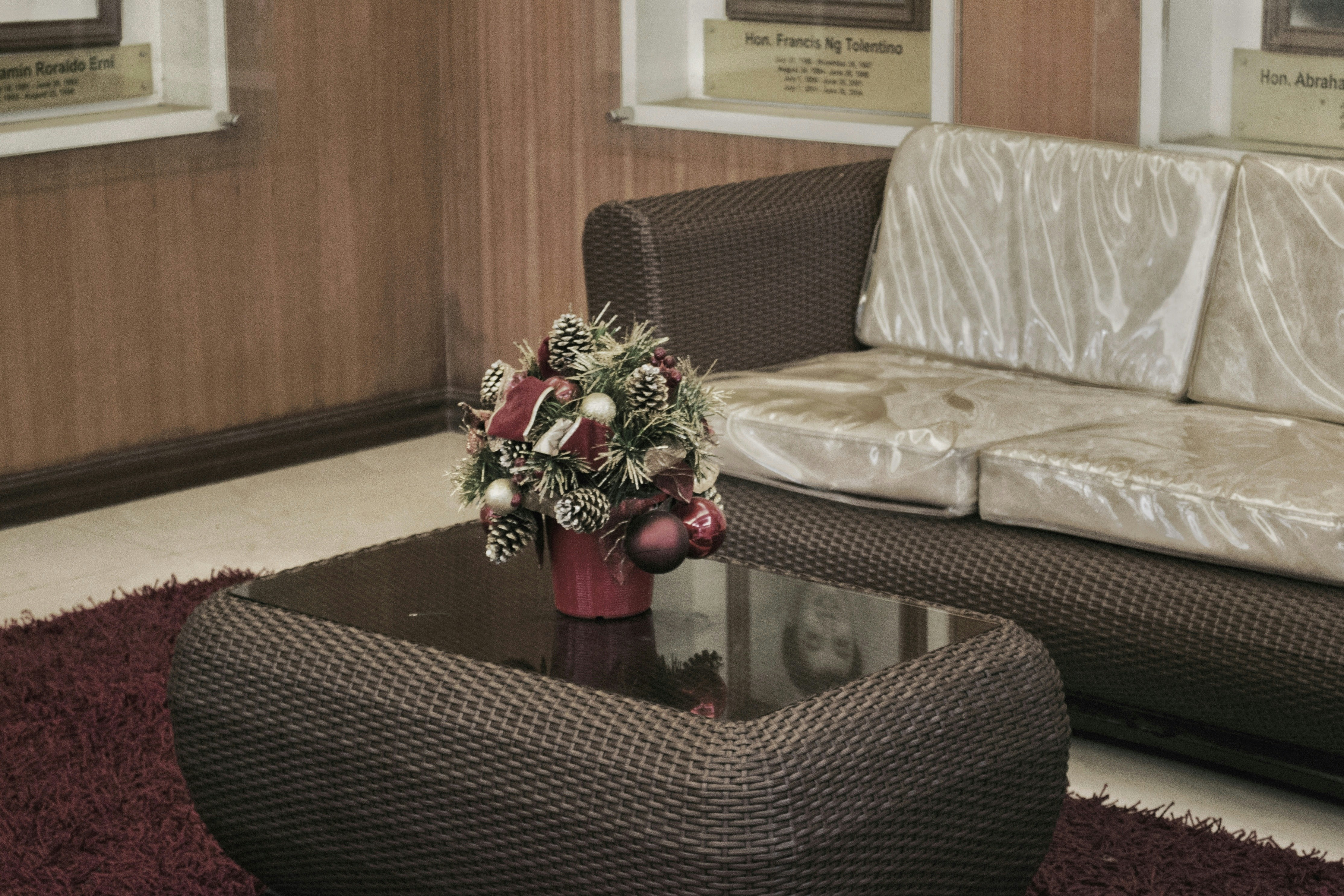
Introduction to DIY Furniture Decoration
DIY furniture decoration has gained considerable traction in recent years, becoming a favored pastime for individuals looking to infuse their personal style into their home environments. This creative endeavor not only allows for self-expression but also serves as a practical solution for those wishing to enhance their living spaces without incurring large expenses. As more people seek distinctive ways to curate their homes, the appeal of do-it-yourself projects continues to flourish.
One major advantage of engaging in DIY furniture decoration is the significant cost savings associated with it. By repurposing existing furniture or utilizing affordable materials, homeowners can achieve unique aesthetics at a fraction of traditional retail prices. This aspect of DIY projects promotes a more thoughtful approach to home design, where individuals can allocate their budgets according to their preferences and requirements, thereby maximizing their investment.
Moreover, the principles of sustainability resonate deeply within the DIY movement. By choosing to refurbish and decorate old furniture, individuals can reduce waste and decrease their environmental footprint. This commitment to sustainability not only benefits the planet but also promotes a sense of responsibility in consumers regarding their purchasing habits. Embracing DIY furniture decoration encourages people to value creativity and craftsmanship over mass-produced items, ultimately contributing to a more sustainable lifestyle.
Furthermore, the sheer joy of creating something unique cannot be understated. The process of transforming a plain piece of furniture into a stunning focal point can be incredibly rewarding. Whether it involves painting, reupholstering, or adding decorative elements, DIY projects stimulate the imagination and foster a sense of accomplishment. In doing so, individuals not only enhance their living spaces but also cultivate a deeper connection with their homes. Through DIY furniture decoration, individuals have the opportunity to cultivate an environment that genuinely reflects their personalities and values.
Choosing the Right Furniture for Your DIY Project
When embarking on a DIY furniture decoration project, selecting the appropriate furniture is paramount to ensure a successful transformation. The first factor to consider is the condition of the furniture. Look for items that are structurally sound, as this will reduce the time and effort needed for repairs. Minor cosmetic flaws, such as scratches or outdated finishes, can be easily addressed with a fresh coat of paint or new upholstery, making these pieces ideal candidates for your upcycling efforts.
Next, evaluate the size of the furniture. Consider the dimensions of your space and how the furniture will fit within it. If you have a small area, opt for compact tables or chairs, which can create a cozy yet functional environment. Conversely, if you have ample space, larger pieces like shelving units or statement tables can serve as focal points in your room. Ensuring that the furniture complements the available space will enhance both aesthetics and functionality.
The material of the furniture is also crucial in the selection process. Wood is a popular choice for DIY projects due to its versatility and durability, allowing for a myriad of finishes and styles. Metal and plastic furniture can also be great options, especially for modern or industrial looks. When choosing the material, consider not only your style preferences but also the tools and techniques you plan to use for your project.
Lastly, some furniture types lend themselves particularly well to DIY decoration. Chairs, tables, and shelving units can be easily personalized with paint, stencils, or decoupage. Rethinking and transforming these items can result in stunning, one-of-a-kind pieces that reflect your personal style. By carefully considering condition, size, material, and type, you can confidently choose the right furniture for your DIY project, setting the stage for a remarkable transformation.
Essential Tools and Materials for DIY Furniture Decoration
Embarking on a DIY furniture decoration project requires proper planning and the right set of tools and materials. Having essential items on hand can significantly simplify the process and enhance the final outcome of your project. Below, we outline the fundamental tools and materials every DIY enthusiast should consider when decorating furniture.
First and foremost, paint is a critical element in furniture decoration. A quality paint will not only alter the appearance of your furniture but also offer protection against wear and tear. When selecting paint, consider whether you prefer chalk paint, acrylic, or spray paint based on the desired finish and furniture type. Brushes and rollers are essential for applying the paint smoothly; investing in a variety of sizes can help achieve more precise detailing.
Next, sandpaper is necessary for prepping surfaces before painting or staining. It helps to smooth out rough areas and ensures better paint adhesion. A selection of sandpaper grits—from coarse to fine—will provide versatility for different furniture types. Stencils can also be a fun addition, allowing for creative designs and patterns to be added to your projects, enhancing the overall aesthetic appeal.
Additionally, upholstery supplies such as fabric, batting, and staple guns should not be overlooked, especially if your furniture involves cushions or reupholstery. Selecting a durable fabric that complements your home décor is key. Look for sales or clearance sections at local fabric stores to find affordable options.
Lastly, gathering tools like screwdrivers, pliers, and a measuring tape is crucial for any assembly or disassembly work during your projects. These items can often be sourced affordably at hardware stores, or you may already have them in your toolkit at home. By equipping yourself with these essential tools and materials, you will be well-prepared to tackle your next DIY furniture decoration project successfully.
Creative DIY Techniques to Enhance Furniture Aesthetics
Enhancing the aesthetics of your furniture can transform the overall appearance of your space. Several creative DIY techniques can achieve stunning results, allowing you to personalize your furniture pieces to reflect your style and preferences. This section explores five popular methods: painting, stenciling, reupholstering, distressing, and decoupage.
Painting is one of the most straightforward and impactful techniques. By selecting the right type of paint and considering the finish, you can create various effects—from a glossy look to a matte finish. For a successful paint job, thorough surface preparation is crucial; this includes cleaning, sanding, and priming the furniture. The addition of vibrant colors or subtle pastels can drastically transform an ordinary piece into a focal point in your decor.
Stenciling is another creative option that enables you to add intricate designs and patterns to your furniture. With an array of stencil designs available, you can easily customize pieces to suit your aesthetic. To achieve the best results, use painter’s tape to secure the stencil, apply paint evenly, and consider layering colors for added depth and dimension.
Reupholstering worn-out furniture provides an opportunity to breathe new life into it. Choosing fabric that complements your space, along with a staple gun and some basic furniture tools, can make this process manageable. For a professional finish, pay close attention to the alignment and tautness of the fabric as you cover the frame.
The distressing method is perfect for achieving a vintage or rustic look. This technique involves sanding down areas of paint to reveal the wood underneath or using specialized paint to create a weathered appearance. Be mindful of the areas you distress to maintain a balanced aesthetic.
Lastly, decoupage allows for extensive creativity by adhering decorative paper or fabric onto furniture surfaces, sealed with varnish to create a durable finish. This technique provides an opportunity to incorporate patterns, images, or even personal memorabilia into your pieces.
Overall, these creative DIY techniques can significantly enhance the aesthetics of your furniture, transforming them into unique and eye-catching decor that reflects your personal style.
Incorporating Colors and Patterns into Your Designs
When it comes to transforming your space through DIY furniture decoration, the use of colors and patterns plays a crucial role. Understanding color theory is essential, as it helps in selecting hues that not only evoke certain emotions but also complement the overall ambiance of your room. Color palettes can range from monochromatic schemes, which utilize varying shades of a single color, to complementary palettes that bring together contrasting hues for visual interest. Each choice can significantly influence the perception of space, making it feel larger, cozier, or more vibrant, depending on the colors you select.
Incorporating the right color palette can be an effective way to establish a mood. For instance, warm colors like reds, oranges, and yellows can create an inviting atmosphere, while cool colors such as blues, greens, and purples often promote calmness and tranquility. When deciding on a color scheme for your furniture decoration, consider the existing colors in your space, including walls, accessories, and flooring, to ensure cohesiveness.
Patterns can provide additional depth and texture to your projects. Mixing and matching various patterns can be a daunting task, yet, with a few guidelines, it can lead to striking results. One approach is to select patterns that share a common color or theme, as this can unify diverse elements. For example, a floral upholstered chair can be paired with striped cushions that contain shades found in the floral design. This technique not only creates a visually appealing look but also maintains harmony throughout the space. Additionally, varying the scale of patterns — combining large, bold prints with smaller, subtler designs — can draw the eye and create a dynamic environment.
By applying these insights into color and pattern choices, your DIY furniture decoration projects can achieve a stylish and harmonious aesthetic that reflects personal taste and creativity.
Sustainable Practices in DIY Furniture Projects
In recent years, sustainability has become a key focus for many individuals undertaking DIY furniture projects. The ethical consideration of using reclaimed materials not only serves to reduce waste but also contributes to the conservation of natural resources. By choosing to incorporate reclaimed wood, metal, or even fabric, DIY enthusiasts can create unique pieces that tell a story, while minimizing their impact on the environment.
Utilizing reclaimed materials offers numerous benefits beyond just environmental responsibility. These materials are often more durable and of higher quality compared to their newer counterparts, resulting in furniture that stands the test of time. Homeowners can find a variety of sources for reclaimed materials, such as local salvage yards, flea markets, or even through online marketplaces. This approach not only promotes sustainability but also encourages creativity in design, allowing for personalized touches in every project.
Additionally, the choice of eco-friendly paints and finishes is crucial in crafting sustainable furniture. Many traditional paint products contain harmful chemicals that can release volatile organic compounds (VOCs), which may adversely affect indoor air quality. Opting for water-based or natural paints can ensure that the DIY furniture not only looks great but also contributes to a healthier living environment. Many manufacturers now offer a range of eco-friendly options that come in various colors and finishes, making it easy for DIYers to make sustainable choices.
Moreover, upcycling old furniture has gained popularity as an effective avenue for sustainable DIY projects. Instead of discarding unwanted pieces, individuals can breathe new life into these items through creative modifications, such as repainting or reupholstering. This practice not only saves money but also diverts items from landfills, promoting a circular economy. Overall, embracing sustainable practices in DIY furniture decoration not only fosters creativity but significantly benefits the planet by reducing waste and conserving resources.
Step-by-Step Guide to a Popular DIY Furniture Project
Upcycling an old dresser can breathe new life into your living space while showcasing your creativity. This step-by-step guide outlines everything you need to know to transform a tired piece of furniture into a stunning showpiece. Below is a comprehensive list of tools and materials required, along with clear instructions to navigate the process effectively.
Tools and Materials Needed:
- Screwdriver
- Sanding block or electric sander
- Paintbrushes and rollers
- Primer and paint (or wood stain)
- Sealer or topcoat
- Drop cloths
- New knobs or handles (optional)
- Wood filler (if needed)
- Tape measure
- Painter’s tape
Step 1: Preparation
Begin by emptying the dresser and removing all hardware, such as knobs and handles. Clean the surface to eliminate dirt and grease, which assists with adhesion during the painting or staining process. Lay down drop cloths to protect your work area.
Step 2: Sanding
Using your sanding block or electric sander, smooth out any rough areas on the surface. If there are existing finishes, sand them down to ensure that the new coat adheres well. After sanding, wipe the surface with a damp cloth to remove dust.
Step 3: Repair and Fill
If there are dents, scratches, or holes in the wood, use wood filler to repair imperfections. Allow it to dry as per the product instructions before sanding it smooth.
Step 4: Priming and Painting
Apply a coat of primer if you’re using paint; this enhances durability and color vibrancy. Once dry, proceed to apply your chosen paint or stain. For a rich finish, apply multiple coats as required, allowing adequate drying time between layers. Consider adding new knobs or handles to give the dresser a refreshed look.
Step 5: Sealing
Lastly, protect your work by applying a clear sealer or topcoat to the painted surface. This adds a layer of durability and helps your newly decorated dresser withstand wear over time.
Throughout the process, maintaining a steady pace and following these methodical steps can help troubleshoot common issues. Should you encounter drips or uneven paint, a quick sanding and touch-up can rectify these problems effectively. With patience and thoroughness, upcycling a dresser can yield fantastic and satisfying results.
Showcasing Your Finished DIY Furniture Creations
Once your DIY furniture projects are complete, it is vital to consider how to display these unique creations effectively in your home. Styling your newly crafted pieces can breathe life into your space while highlighting the effort and creativity you invested in their production. Begin by selecting a designated area in your living space, such as a well-lit corner or a pivotal room, where your DIY furniture can stand out as a focal point. Consider complementing the furniture with decorative accents like cushions, throws, or artwork to create an cohesive aesthetic that enhances its appeal.
In addition to displaying your creations at home, utilizing social media can significantly amplify your reach. Platforms such as Instagram, Pinterest, and Facebook provide a perfect opportunity to showcase your DIY furniture projects to a broader audience. Sharing high-quality images, along with captions that detail your creative process and inspiration, can help engage your followers. Don’t forget to use pertinent hashtags like #DIYFurniture or #FurnitureMakeover to connect with other DIY enthusiasts who might be interested in your work. Engaging in interactions within these communities can lead to valuable feedback and inspiration for future projects.
Furthermore, participating in local craft fairs or markets is another excellent way to showcase your finished DIY furniture creations. These events allow you to interact with fellow crafters and potential customers, sharing stories and techniques that enrich the DIY community. Setting up a booth or display can attract visitors and lead to opportunities for collaborations or even commissions. Whether you aim to sell your pieces or simply enjoy connecting with others who share your passion, these local gatherings can enrich your experience as a DIY furniture creator.
Conclusion and Encouragement for DIY Enthusiasts
Embarking on a DIY furniture decoration journey can be a rewarding experience that transforms not only your surroundings but also your sense of accomplishment. As we have explored throughout this blog post, there are countless ways to personalize your furniture, from upcycling old pieces to enhancing new purchases with unique decor techniques. The satisfaction derived from completing these projects extends beyond the visual appeal; it fosters creativity and encourages innovation, allowing individuals to express their personal style.
Every DIY project presents an opportunity to learn and grow, regardless of skill level. Even if you are a beginner, the process of working on furniture decor can be immensely fulfilling. The initial challenges may seem daunting, yet overcoming them can lead to a profound sense of achievement. Each brushstroke, fabric choice, or design decision contributes to a final product that reflects your individual taste and effort. The journey of DIY is as valuable as the outcome, enriching your space while also deepening your understanding of design elements and craftsmanship.
Moreover, the realm of DIY furniture decoration is boundless, offering endless possibilities for exploration. Whether experimenting with color combinations, textures, or upcycling methods, each project invites fresh ideas and creative solutions. As you engage in these pursuits, consider sharing your experiences and finished works with the broader community. Not only can this foster connections with fellow DIY enthusiasts, but your contributions may also inspire others to embark on their transformative journeys.
In conclusion, the world of DIY furniture decoration is there for everyone, waiting to be explored. Embrace the challenges and joys that come with it, and let your creativity flourish as you transform your space into a reflection of who you are. Your next project could be the one that sparks inspiration in others, so take the plunge and get started today!