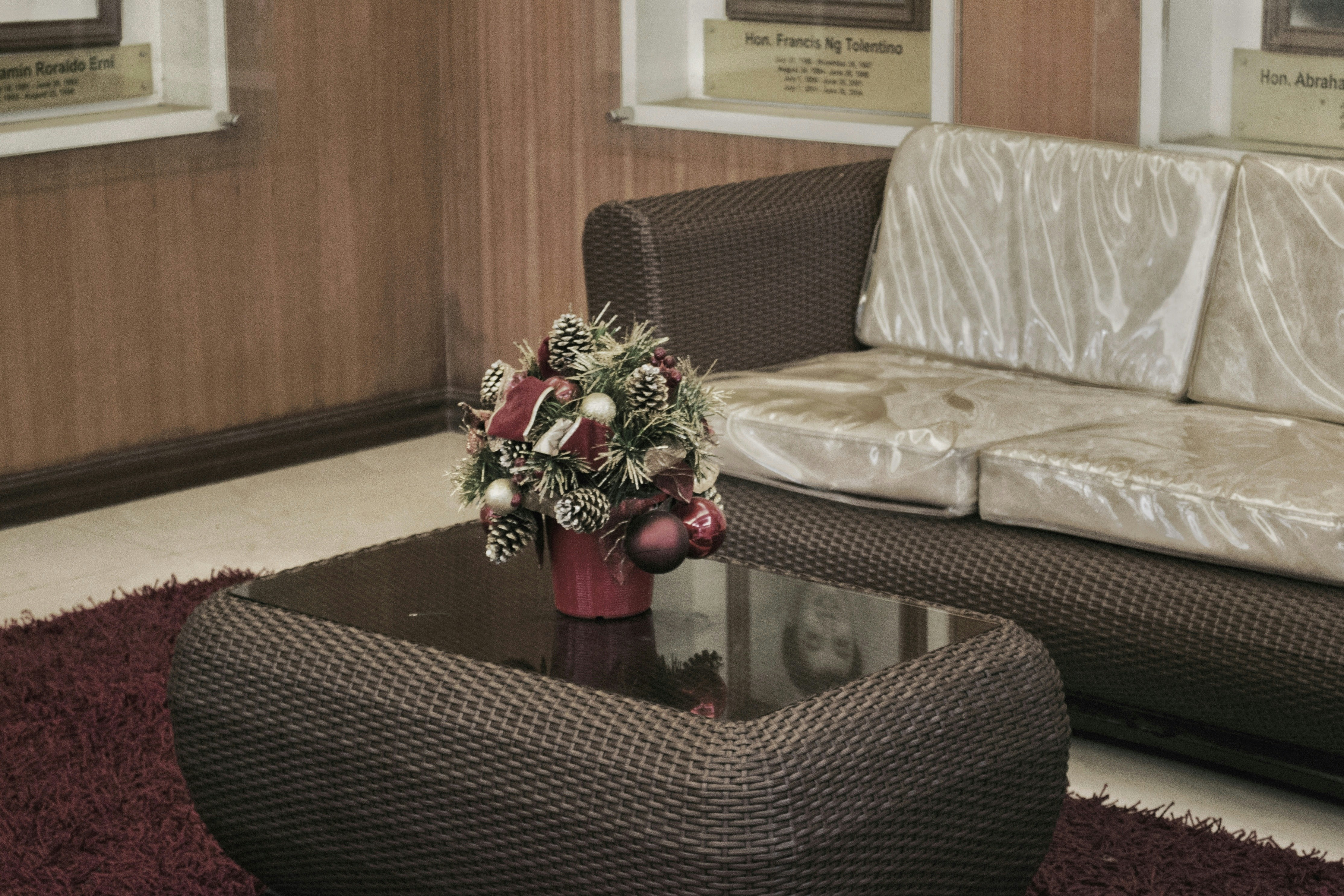
Introduction to DIY Furniture Decoration
In recent years, DIY furniture decoration has surged in popularity as a viable means of personalizing living spaces while also showcasing individual creativity. This trend has led to a growing community of enthusiasts who share ideas, tips, and projects, making it easier for newcomers to embark on their DIY journey. At its core, DIY furniture decoration encourages people to take matters into their own hands, enabling them to create unique pieces that reflect their personal style and preferences.
One of the primary benefits of engaging in DIY projects is the opportunity for customization. Unlike store-bought furniture, which often comes in limited styles and colors, DIY allows individuals to tailor items according to specific needs and tastes. For example, a simple wooden chair could be transformed into a vibrant piece of art through paint, upholstery, or even stenciling. This level of personalization not only results in highly functional furniture but also fosters a sense of ownership and pride as individuals witness the fruition of their creativity.
Moreover, embracing DIY furniture decoration can lead to substantial cost savings. Purchasing new, custom pieces can often be prohibitively expensive, while repurposing existing furniture or sourcing materials from second-hand stores and local markets can significantly reduce expenses. This budget-friendly approach makes it possible for anyone, regardless of their financial situation, to enhance their living space. As individuals engage in this creative process, they also develop valuable skills that can be applied to future projects.
Ultimately, DIY furniture decoration is not just about creating functional home items; it is about transforming your environment into a reflection of who you are. By embracing this trend, readers are encouraged to push the boundaries of their creativity and embark on the rewarding journey of personalizing their homes.
Essential Tools and Materials for DIY Projects
When embarking on a DIY furniture decoration project, having the right tools and materials is crucial for achieving the desired results. A well-equipped workspace fosters creativity and ensures efficiency. Key items for any DIY endeavor include various types of paint, brushes, sandpaper, and sealants. Selecting high-quality paint can significantly influence the final outcome, so it is advisable to choose products that cater specifically to the material of the furniture being decorated. For instance, acrylic paint is often preferred for wood surfaces as it offers durability and ease of application.
In addition to paint and brushes, sandpaper is an essential tool for preparing surfaces. It allows for the smoothing of rough wood, thereby ensuring the paint adheres properly. Various grits are available; using a coarser grit initially, followed by a finer grit, helps to achieve a smooth finish. Sealants are another vital component, providing a protective layer that enhances the longevity of the decoration. Consider products that are non-toxic and environmentally friendly to align your DIY practices with sustainable living.
Specific tools like saws and drills are necessary for those looking to modify or create new furniture pieces. A circular saw can effectively cut wood panels to size, while a drill is indispensable for making holes or securing items together. When selecting tools, prioritize those made from durable materials, ensuring they can withstand repeated use. Additionally, consider eco-friendly options that provide functionality without compromising environmental standards.
Incorporating sustainable practices into your DIY projects extends beyond materials; it also involves selecting tools that minimize waste and environmental impact. By choosing energy-efficient tools and finishes, you contribute to a greener planet while enjoying the satisfaction of completing your own furniture decoration projects.
Popular DIY Furniture Decoration Ideas
Transforming your space through DIY furniture decoration can be both enjoyable and rewarding. Whether you are an experienced crafter or a novice looking to explore your creative side, there are numerous ideas that cater to various styles and skill levels. One popular technique is upcycling old furniture. This method not only reduces waste but also allows you to create a unique piece that reflects your personality. For instance, an old wooden chair can be sanded down, painted in a vibrant color, or even reupholstered with a fabric that complements your home decor.
Another effective idea involves stenciling patterns onto furniture. This technique is perfect for those who wish to add a touch of elegance to their pieces without extensive experience. Utilizing stencils, you can create intricate designs on tables, dressers, or cabinets, enhancing their visual appeal. Selecting contrasting colors will highlight the stenciled patterns, making the furniture stand out and serve as a conversation piece in your home.
For a more contemporary approach, consider using removable wallpaper to give your furniture a fresh look. This idea is particularly useful for transforming bookcases or drawer fronts. Removable wallpapers come in a variety of designs, allowing endless customization options. They are also user-friendly, making it easy for anyone to apply and remove as needed without permanent commitment.
Lastly, creating custom cushions can significantly enhance the comfort and aesthetics of your furniture. By choosing fabrics that match your overall theme, you can produce cushions that suit your chairs or bench seating perfectly. This simple addition provides an opportunity to experiment with textures and patterns, thereby refreshing your space. Overall, these popular DIY furniture decoration ideas promote creativity and allow individuals to express their unique styles while enjoying the process of transformation.
Step-by-Step Guides for Beginner Projects
Embarking on a DIY furniture decoration project can seem daunting, particularly for beginners. However, several simple projects can instill confidence and spark creativity. This section will guide you through three affordable and achievable projects: repainting a chair, creating a decorative ladder, and refurbishing a coffee table. Each project will outline necessary tools, clearly defined steps, and practical tips to troubleshoot common issues, ensuring that novice DIY enthusiasts can successfully enhance their living spaces.
Repainting a Chair
To begin, gather your materials: a paintbrush, sandpaper, a drop cloth, primer, and paint in your desired color. Start by sanding the chair to smooth any imperfections and help the paint adhere better. Once sanded, wipe it down to remove dust. Next, apply a coat of primer, allowing it to dry completely. After priming, use the paintbrush to apply your chosen paint, ensuring even coverage. Depending on the color, you may need multiple coats; allow each coat to dry before proceeding. Troubleshooting tip: if the paint drips, lightly sand those areas once dry and repaint.
Creating a Decorative Ladder
This project requires wooden dowels, wood glue, and rope. First, cut the dowels to your preferred ladder length. Then, drill holes in each dowel, spacing them evenly for rungs. Once prepared, insert and secure the rungs into the side rails using wood glue. Allow it to dry thoroughly. To add décor, wrap the ladder with rope or jute for a rustic appearance. Troubleshooting tip: if the rungs feel unstable, reinforce them with additional glue and clamps while drying.
Refurbishing a Coffee Table
For this project, you will need wood stain, a paintbrush, sandpaper, and a sealer. Start by sanding the surface of the coffee table to reveal the wood grain and eliminate old finishes. Clean off any debris before applying a coat of wood stain. Choose a shade that complements your décor. Allow it to dry, then add a sealer for protection. Troubleshooting tip: if the stain appears uneven, increase the light sanding in problem areas before reapplying the stain.
By following these steps, beginners can easily approach DIY projects, transforming furniture into personalized pieces while building confidence and skill in home decoration.
Sharing Your DIY Decor Ideas on Social Media
Social media has become a powerful tool for promoting creativity and inspiring others through DIY furniture decoration projects. Sharing your DIY decor ideas on platforms such as Instagram, Pinterest, and Facebook can not only showcase your skills but also foster a sense of community among DIY enthusiasts. Engaging with a broader audience can lead to valuable feedback and collaboration opportunities while increasing your visibility within the online DIY community.
To effectively share your projects, it is essential to capture high-quality photographs. When taking photos of your DIY furniture, consider using natural lighting to highlight colors and textures. Experiment with different angles and perspectives to showcase the details of your work. A clean and clutter-free background can help the furniture stand out, making your posts more visually appealing. Editing tools can also enhance your images, making them more vibrant and engaging.
Writing compelling captions is equally important in drawing in your audience. A well-crafted caption can provide context, tell a story, or share insights about your process. Engaging with your followers by asking questions or encouraging them to share their own experiences can create a sense of connection. Additionally, utilizing appropriate hashtags can amplify your reach. Research popular DIY and furniture decoration hashtags to include in your posts, ensuring your content is discoverable by those interested in similar projects.
By participating in online DIY communities, you can connect with like-minded individuals who share your passion for furniture decoration. Joining groups or forums dedicated to DIY projects encourages collaboration and the exchange of ideas, providing further motivation and inspiration for your next project. In conclusion, harnessing the power of social media for sharing your DIY furniture creations opens the door to a vibrant community, providing support and inspiration as you transform your space.
Safety Tips for DIY Furniture Decoration
Engaging in DIY furniture decoration projects can be a fulfilling endeavor, but safety must always be prioritized. Proper precautions not only protect personal health but also contribute to a successful and enjoyable experience. One of the primary considerations is the correct use of tools. Before embarking on any DIY project, familiarizing oneself with the operation of tools such as saws, drills, and sanders is essential. It is critical to read the manufacturer’s instructions thoroughly and adhere to safety guidelines specific to each tool.
Wearing appropriate protective gear is another fundamental aspect of safe DIY practices. Essential safety equipment includes goggles or safety glasses to shield the eyes from dust and debris, gloves to protect the hands from sharp edges or chemicals, and masks to filter out harmful particles or fumes. For individuals working with power tools, sturdy closed-toe shoes should also be worn to protect feet from potential injuries. Additionally, it is advisable to work in a well-ventilated area, particularly when using paints, glues, or finishes that may emit toxic vapors.
Using non-toxic materials is crucial for maintaining a safe working environment, especially when dealing with paint or solvents. Opting for water-based paints, adhesives, and finishes can significantly reduce exposure to harmful chemicals. Always check labels for safety certifications and consider purchasing products labeled as low-VOC (volatile organic compounds) to further minimize health risks. Furthermore, ensuring that the workspace is free from clutter and distractions can help in maintaining focus and preventing accidents.
In conclusion, implementing these safety tips will not only enhance the DIY furniture decoration experience but also ensure that individuals can carry out their projects with confidence and security. By prioritizing safety, DIY enthusiasts can enjoy the creative process while safeguarding their health and well-being.
Sustainable and Eco-Friendly DIY Practices
Embracing sustainable and eco-friendly DIY practices is essential for minimizing the environmental impact of furniture decoration and renovation. One of the key principles of sustainability is sourcing second-hand furniture. Not only does this approach significantly reduce waste, but it also gives new life to items that might otherwise end up in landfills. Thrift stores, garage sales, and online marketplaces can provide ample opportunities to find unique pieces that can be rejuvenated with a little creativity. This practice not only saves money but also encourages the use of existing resources rather than relying solely on newly manufactured products.
Another crucial element of eco-friendly DIY furniture decoration is the selection of paints and finishes. Many conventional paints and finishes release volatile organic compounds (VOCs), which are harmful to the environment and indoor air quality. Thus, opting for low-VOC or no-VOC paints allows one to decorate their furniture while prioritizing health and sustainability. Additionally, many brands now offer eco-friendly options made from natural ingredients, which can provide a similar finish without the toxic byproducts. When choosing any finishing products, it is essential to seek out those certified with environmental sustainability standards.
Furthermore, incorporating natural materials into DIY projects can enhance both aesthetics and sustainability. Using reclaimed wood, bamboo, or organic textiles can significantly reduce the carbon footprint associated with new materials. These choices not only contribute to an eco-friendly lifestyle but also result in distinctive, one-of-a-kind pieces that reflect personal style. In this regard, selecting sustainable items and employing techniques that minimize environmental harm can inspire creativity and innovation in home decor.
In summary, adopting sustainable practices in DIY furniture decoration not only enhances the beauty of living spaces but also promotes ecological responsibility. By sourcing second-hand items, utilizing eco-friendly finishes, and embracing natural materials, individuals can significantly reduce their environmental impact while cultivating a unique and personalized decor style.
Maintaining Your DIY Decor: Tips and Tricks
Once you have completed your DIY furniture decoration projects, it is essential to implement effective maintenance strategies to prolong the life of your creations. Proper care not only preserves the aesthetic appeal of your decor but also ensures its functionality over time. Here are several practical tips to help you maintain various types of DIY furniture decor.
First and foremost, establish a regular cleaning routine tailored to the materials used in your projects. For wooden furniture, use a soft, microfiber cloth to dust surfaces weekly. A mild solution of warm water and mild soap can be used for deeper cleaning, followed by thorough drying to prevent warping or damage. For painted or varnished surfaces, consider using specific cleaning products designed to be gentle on the finish. Always remember to avoid harsh chemical cleaners that can strip finishes and reduce the lifespan of your decor.
In addition to routine cleaning, applying protective treatments can significantly enhance the durability of your DIY pieces. For example, using a furniture polish can help maintain the sheen of wooden items, while sealants can shield painted surfaces from scratches and moisture. Depending on the type of material, you may need to reapply these treatments periodically, so be sure to check the manufacturer’s recommendations for optimal results.
Finally, addressing minor repairs promptly is crucial for sustaining your furniture’s integrity. Keep a repair kit handy with essentials such as wood glue, touch-up paint, and a small set of tools for assembly or tightening loose joints. Being proactive in handling scratches or dents can prevent more extensive damage that could necessitate costly repairs.
By employing these maintenance tips, you can ensure that your DIY furniture decoration remains a centerpiece in your space for years to come. Regular care and proper repair practices will help maintain the beauty and functionality of your creative endeavors.
Conclusion and Encouragement to Begin
Embarking on a DIY furniture decoration journey offers an opportunity to not only enhance your living space but also to express your individuality and creativity. Throughout this guide, we have explored various benefits, tips, and innovative ideas that can help you begin transforming your environment into a personalized sanctuary. By engaging in DIY projects, you have the chance to create one-of-a-kind pieces that reflect your personal style while also being cost-effective.
As you consider your DIY furniture decoration endeavors, remember that preparation is key. Research different techniques, gather the necessary materials, and plan your projects before diving in. Whether you’re upcycling an old chair, painting a bookshelf, or creating a home office desk, the potential for personalization is virtually limitless. You can also discover an array of resources, including online tutorials and community forums, which provide inspiration and guidance as you navigate your journey.
Moreover, it is essential to connect with others who share your passion for DIY furniture decoration. Sharing your experiences and completed projects not only fosters a sense of community but also inspires others to take on similar initiatives. By documenting your creative process and showcasing your finished pieces, you can contribute to the vibrant world of DIY enthusiasts. Use social media platforms to amplify your journey, perhaps even starting a blog or an Instagram account dedicated to your DIY adventures.
Now is the time to unleash your creativity and take that first step toward transforming your space. Embrace the challenge, explore the resources at your disposal, and enjoy the satisfaction derived from creating something uniquely yours. Your journey in DIY furniture decoration awaits—dare to begin and watch as your environment springs to life!