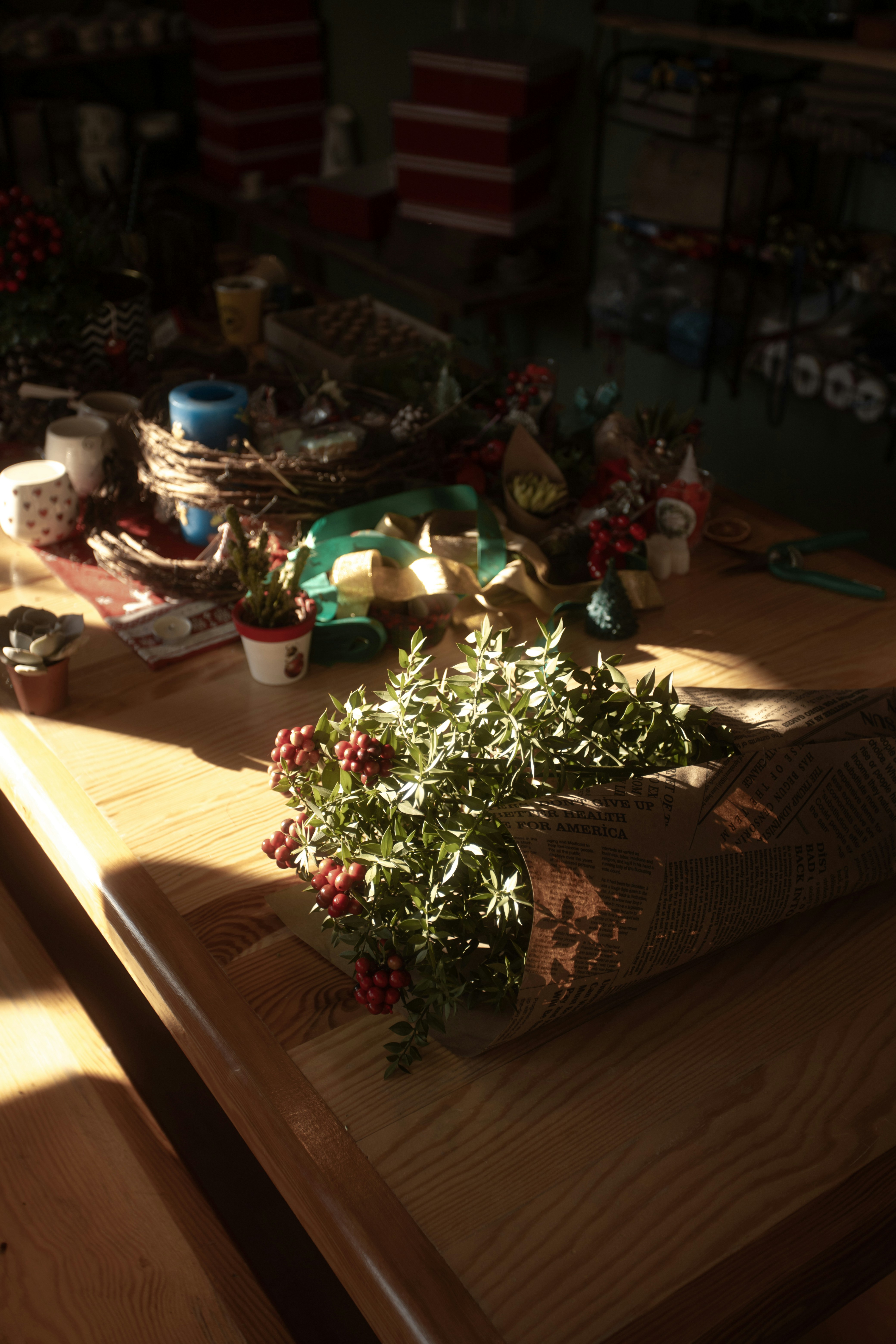
Introduction to DIY Home Furniture Decoration
In recent years, DIY home furniture decoration has gained significant traction across Europe, reflecting a broader cultural shift towards personalization and sustainability in interior design. This movement encourages individuals to transform their living spaces through creative expression, allowing them to tailor their environments according to personal tastes and preferences. The DIY philosophy resonates with many homeowners, as it offers a sense of ownership and accomplishment that pre-made furniture cannot provide.
The rise of social media and online platforms dedicated to sharing creative ideas has further propelled the DIY furniture decoration trend. Platforms such as Pinterest, Instagram, and specialized blogs are filled with innovative projects and inspirational designs, inviting enthusiasts to connect, collaborate, and share their creations. This sense of community fosters a collaborative spirit, inspiring budding decorators to showcase their work and engage with others who share their passion. The availability of countless tutorials and resources has made it easier for individuals to experiment with their own projects, regardless of skill level.
Sustainability is another critical aspect driving the popularity of DIY home furniture decoration. As society increasingly prioritizes environmental conservation, many individuals are seeking ways to repurpose existing materials or utilize eco-friendly products. This focus on recycling and upcycling not only reduces waste but also infuses personal narratives into home decor. Every piece created carries not just an aesthetic value, but also a story, making a home feel more authentic and meaningful. Therefore, DIY home furniture decoration serves as both a creative outlet and a sustainable practice, merging artistry with ecological responsibility.
Understanding European Aesthetics in Home Decoration
European home decoration showcases a rich tapestry of styles, largely shaped by geographical, historical, and cultural influences. Among the most prominent aesthetics is Scandinavian minimalism, characterized by its simplicity, functionality, and a focus on natural materials. This style often employs neutral color palettes, emphasizing whites, grays, and muted tones, creating a serene atmosphere within the home. Incorporating elements of Scandinavian design into DIY projects can be as simple as selecting furniture with clean lines and ensuring ample natural light by choosing sheer window treatments.
Contrasting with the cool tones of Scandinavian design, Mediterranean warmth offers a vibrant aesthetic. This style draws inspiration from countries such as Italy, Spain, and Greece. Textured walls painted in lively colors, decorative tiles, and rustic wooden furniture are hallmarks of Mediterranean decor. To incorporate this aesthetic into personal projects, one might consider sourcing colorful ceramics, using wrought iron accents, or adding lush greenery, which can evoke a warm, inviting environment reminiscent of sun-soaked villas.
British eclecticism stands as another fascinating influence within European home decor, combining various styles, periods, and cultural motifs for a personalized touch. This eclectic approach encourages the mixing of vintage and contemporary pieces, enabling homeowners to express their individuality. When embarking on DIY projects, sourcing unique thrifted items or crafting a gallery wall featuring personal art can embody the eclectic spirit of this aesthetic, fostering a space that tells a story.
Ultimately, understanding these diverse aesthetics is crucial for anyone looking to enhance their home through decoration. By considering cultural backgrounds and local traditions, one can develop a deep appreciation for the intricacies of European design, allowing for a collaborative and creative approach to decorating one’s living space.
Essential Tools and Materials for DIY Projects
When embarking on DIY home furniture decoration projects, possessing the right tools and materials is crucial to achieving quality results. This not only enhances creativity but also ensures efficiency throughout the process. A strong foundation in the necessary equipment allows DIY enthusiasts to navigate various tasks safely and effectively.
First and foremost, basic hand tools are indispensable. A reliable set should include a tape measure, a level, screwdrivers (both flathead and Phillips), a hammer, pliers, and a utility knife. These tools help in making precise measurements and adjustments, enabling users to assemble or modify furniture with ease. Additionally, power tools such as a cordless drill, jigsaw, and sander can streamline the process, making it simpler to cut, shape, and finish projects.
Painting supplies are another essential category for those looking to bring a fresh look to their furniture. High-quality paintbrushes, rollers, and painter’s tape can facilitate smooth application and meticulous detail work. Primer is equally important, as it ensures better adhesion and longevity of the final coat of paint. Similarly, a good selection of paints, including water-based and chalk paints, provides diverse finishes suited for different aesthetics.
Safety gear cannot be overlooked in any DIY project. Protective eyewear, dust masks, and gloves are vital to safeguard against potential hazards. Ensuring safety while working with tools and materials reduces the risk of accidents and enhances the overall experience.
Lastly, innovative materials trending in the European market offer exciting possibilities for creativity. Reclaimed wood, sustainable MDF, and eco-friendly paints not only promote stylish designs but also align with growing environmental consciousness. By incorporating these tools and materials into DIY furniture decoration projects, individuals can achieve impressive outcomes while enjoying the process of creation.
Step-by-Step DIY Furniture Decoration Projects
Embarking on DIY furniture decoration projects allows individuals to express their creativity while transforming their living spaces into unique, personalized environments. Below, we present a selection of popular DIY projects that are particularly suitable for European homes. Each project is designed to incorporate readily available materials, and is structured for ease of execution, making them appealing to both novice and experienced DIY enthusiasts.
One widely loved project is the upcycling of old wooden furniture. This undertaking requires minimal materials, including sandpaper, wood paint, and brushes. Start by selecting an old wooden chair or table that needs a facelift. Begin by sanding the surface to ensure the paint adheres properly. Once the piece has been sanded, clean off any dust and apply the first coat of paint. Allow to dry for approximately one hour, and then apply a second coat for richer color. This simple procedure revitalizes wooden furniture, giving it a contemporary touch and enhancing its aesthetic appeal.
Another creative project involves creating decorative accents using budget-friendly materials. For instance, fabric-covered stools can brighten up any room. Gather a simple wooden stool, fabric of your choice, scissors, and a staple gun. Cut the fabric, leaving a few extra inches around the edges for wrapping. When ready, place the fabric over the stool and secure it underneath using the staple gun. This project offers a quick transformation and allows for various fabric choices, giving each stool a distinct personality that complements the home’s decor.
Time estimates for these projects vary; upcycling may take approximately 2-3 hours, including drying time, while fabric covering typically requires about an hour. The outcomes of these DIY furniture decoration projects can be both gratifying and practical, blending aesthetics with functionality while also encouraging creativity and resourcefulness in home decor.
Sourcing Inspiration: Where to Find Ideas for DIY Projects
Finding inspiration for DIY home furniture decoration can be an exhilarating journey, one that involves exploring a myriad of resources and platforms. One of the most vibrant avenues to seek out ideas is through social media platforms, particularly Instagram and Pinterest. These platforms serve as visual showcases for countless DIY projects, where users share their creative endeavors and innovative solutions. By following specific hashtags related to home decoration, individuals can easily explore a plethora of styles and trends, giving them fresh perspectives on their own DIY furniture projects.
Beyond social media, local workshops offer excellent opportunities to gain hands-on experience and explore new techniques. Many communities host DIY events that cater to various skill levels, providing participants with the chance to engage with experts and fellow enthusiasts. These workshops not only impart valuable skills but also foster connections that can lead to future collaborations. Local forums and bulletin boards often advertise such events, making it accessible for people interested in DIY to participate.
Additionally, engaging with DIY communities and forums online is another effective way to find inspiration. Platforms like Reddit or specialized DIY websites create spaces where individuals can share their projects, ask for advice, and exchange tips. These communities can be incredibly supportive, as they comprise individuals from diverse backgrounds who bring unique styles and ideas to the table. Actively participating in these discussions can uncover a wealth of inspiration that may not be found elsewhere.
In summary, sourcing inspiration for DIY home furniture decoration can be accomplished through various channels, including social media, local workshops, and community forums. By leveraging these resources, DIY enthusiasts can enhance their creativity and transform their living spaces in unique and meaningful ways.
Sharing Your DIY Success: Tips for Showcasing Your Work
Showcasing your DIY projects effectively is crucial for engaging with a wider audience, especially in today’s digital age where social media platforms and blogs provide an array of opportunities to share your creativity. To make your DIY home furniture decoration efforts stand out, consider employing a few practical strategies.
First and foremost, the quality of your photography plays a pivotal role. Capturing your projects with good lighting, clean backgrounds, and focused shots invites viewers in. Natural light is often the best option, as it highlights colors and textures beautifully. Experimenting with different angles can also help to showcase the details that make your work unique. Consistency in style across your photos can create a recognizable aesthetic that followers will come to associate with your brand.
Equally important is writing engaging captions that tell a story about your projects. Share the inspiration behind the decor, any challenges you faced during the process, or tips that could benefit others attempting similar projects. Engaging narratives not only captivate your audience but also encourage interaction, leading to comments and shares that enhance visibility.
Utilizing relevant hashtags is another effective method to reach like-minded communities interested in DIY home decoration. Research popular tags within the DIY niche, such as #DIYDecor, #HomeImprovement, or others that resonate with your work. This will enable your posts to appear in searches, connecting you with enthusiasts who share similar interests.
Lastly, consider joining online communities or forums focused on DIY projects. Interacting with others passionate about DIY home furniture decoration will not only expand your network but also provide opportunities for collaboration and feedback, further enriching your creative journey. By implementing these strategies, you can showcase your projects successfully, gaining appreciation and encouragement from fellow DIY enthusiasts.
Sustainability in DIY Home Decoration
The growing interest in DIY home furniture decoration poses significant opportunities for promoting sustainability within the home decor sector. One of the primary advantages of engaging in DIY projects is the ability to utilize eco-friendly materials and practices, which resonate strongly with environmentally conscious consumers. In Europe, where environmental regulations and awareness continue to increase, choosing sustainable options has become paramount in furniture creation and restoration.
Utilizing recycled materials for DIY projects not only reduces waste but also minimizes the demand for new resources, effectively contributing to a circular economy. By repurposing old furniture or sourcing materials from sustainable suppliers, individuals can create unique pieces that reflect their personal style while supporting environmental sustainability. Thus, the practice of recycling old furniture emerges as a central tenet in DIY furniture decoration. It encourages creatives to think beyond conventional sourcing channels and explore the charm that vintage and pre-owned items can bring to their homes.
Moreover, the environmental benefits associated with DIY home decoration extend well beyond material choices. By choosing to create rather than purchase mass-produced items, individuals can lessen their carbon footprint significantly. Mass production often demands substantial energy and resource consumption, contributing to pollution and resource depletion. In contrast, DIY methods often involve local sourcing and craftsmanship, thus fostering a more sustainable and environmentally friendly approach to home furnishings.
As the European market increasingly champions sustainable practices, those engaged in DIY home decoration have a unique opportunity to align their creative endeavors with the growing demand for eco-conscious living. By embracing sustainable methods and materials in their projects, they not only enhance their unique aesthetic but also participate in a broader movement towards a more environmentally responsible lifestyle.
Overcoming Challenges in DIY Projects
Embarking on DIY furniture decoration projects can be an enriching experience, yet individuals often encounter several obstacles that may deter their enthusiasm. Common challenges faced by DIY enthusiasts include limited time for projects, budget constraints, and varying skill levels. Addressing these issues requires practical strategies to ensure that the DIY journey remains enjoyable and fulfilling.
Time management is crucial for successfully completing DIY projects. To tackle time constraints, individuals might consider creating a project timeline that includes setting specific goals for each phase of the creation process. Breaking projects down into manageable tasks can make the workload seem less daunting. Additionally, using a dedicated calendar or app to allocate specific time slots for working on DIY tasks can provide a structured approach, helping to establish a workable routine.
Budget limitations can also present a significant hurdle for DIY projects. However, there are several ways to source affordable materials without compromising on quality. Thrift stores, flea markets, and online marketplaces offer a plethora of cost-effective options for acquiring second-hand furniture and supplies. Using materials that are repurposed or upcycled can enhance creativity while keeping costs low. Moreover, planning projects that prioritize a few key, high-impact materials can reduce spending while making a significant aesthetic statement.
Lastly, individuals often feel intimidated by their skill level when it comes to DIY, but there are numerous resources available to help build confidence. Online tutorials, forums, and social media platforms provide a wealth of information and guidance. Finding videos that cater to various skill levels can empower DIY enthusiasts to develop new techniques while providing visual support to enhance learning. Utilizing these resources encourages creativity and facilitates growth in one’s DIY journey.
Conclusion and Call to Action
In summarizing the journey through DIY home furniture decoration, it is paramount to reflect on the creativity and resourcefulness inherent in this engaging process. Throughout this guide, we have explored various techniques and approaches that highlight individual artistry while celebrating collective inspiration. From selecting the perfect materials to employing innovative design principles, each aspect of DIY decoration underscores the beauty of personal expression within a communal framework.
The process of crafting and customizing furniture not only beautifies living spaces but also cultivates a deep sense of achievement and belonging. By sharing your creations and experiences, you contribute to a dynamic community of home decorators across Europe. Each shared story enriches the collective knowledge and inspires others to embark on their own DIY projects. We encourage you to document your transformation journeys, whether through photographs, written accounts, or videos, and to share them on social media platforms or relevant online forums.
Engaging with the broader DIY community can offer invaluable support and assistance, helping individuals overcome hurdles and refine their techniques. Researching local art groups, participating in workshops, or joining online discussions can further enhance personal skills while fostering connections with fellow enthusiasts. Remember to explore available resources such as blogs, tutorials, and videos that provide step-by-step guidance for various techniques and styles.
We invite you to take an active role in this vibrant movement, sharing your newfound knowledge and skills while continuously learning from others. Together, we can build a united European community that thrives on creativity and collaboration in home decoration. Your contributions can make a significant impact, encouraging new ideas and inspiring future generations of DIY decorators.